

Jamaica government absorbs J$3.7 billion in potential fuel price increases
Key Points(5)
- The Jamaican government has shielded consumers and businesses from J$3.7 billion (more than US$23 million) in potential fuel price increases since February through the Petrojam pricing mechanism, Energy, Transport and Telecommunications Minister Daryl Vaz said Wednesday.
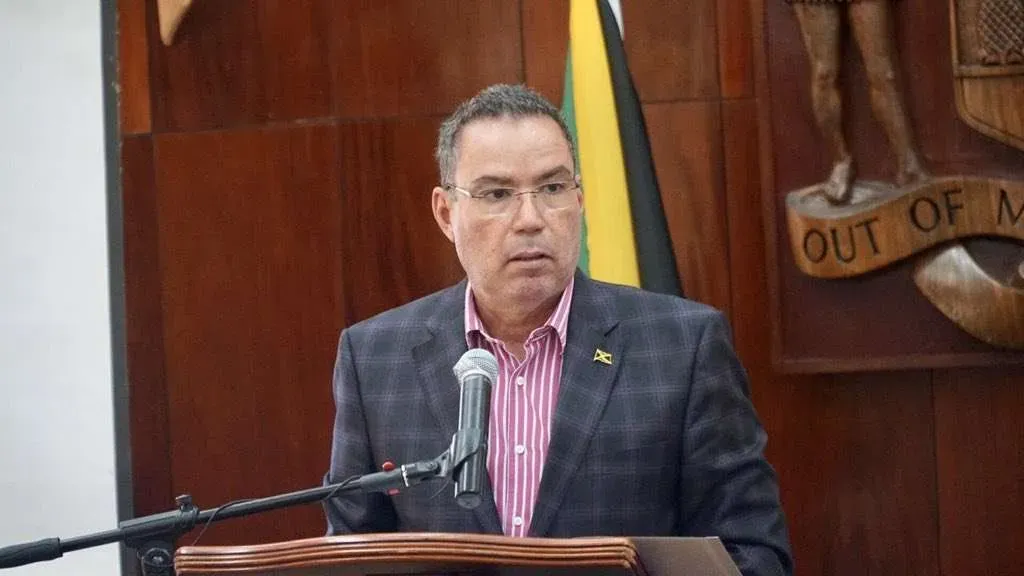
- Speaking at the post-Cabinet press briefing at Jamaica House on October 14, Vaz said the intervention had helped cushion the impact of fuel costs on transportation, food prices and the overall cost of living and doing business.
- “While we have seen some easing [in petroleum prices] in recent weeks, international markets remain uncertain and global developments continue to influence the cost of fuel in Jamaica,” he said.
- Vaz described Petrojam as a critical national asset in helping Jamaica navigate volatility in international oil markets.
- He said the country’s energy security remained intact, supported by its refinery, substantial petroleum storage facilities and established supply arrangements.
The Jamaican government has shielded consumers and businesses from J$3.7 billion (more than US$23 million) in potential fuel price increases since February through the Petrojam pricing mechanism, Energy, Transport and Telecommunications Minister Daryl Vaz said Wednesday.
Speaking at the post-Cabinet press briefing at Jamaica House on October 14, Vaz said the intervention had helped cushion the impact of fuel costs on transportation, food prices and the overall cost of living and doing business.
“While we have seen some easing [in petroleum prices] in recent weeks, international markets remain uncertain and global developments continue to influence the cost of fuel in Jamaica,” he said.
Vaz described Petrojam as a critical national asset in helping Jamaica navigate volatility in international oil markets.
He said the country’s energy security remained intact, supported by its refinery, substantial petroleum storage facilities and established supply arrangements.
While increased global oil production has contributed to recent fuel price reductions, Vaz noted that shipping, insurance and logistics costs continued to influence prices.
With petroleum prices expected to remain relatively stable through the end of the year, the minister said the government would continue working with Petrojam and the Ministry of Finance and the Public Service to manage cost pressures.
“The Government will continue working with Petrojam and the Ministry of Finance and the Public Service to manage these pressures and protect households, businesses and consumers as far as possible from sudden fuel price increases,” he said.


