

Insurance and Bonding Options Cleaning Businesses Should Explore
Key Points(5)
- As someone who runs a cleaning business, you make a difference.
- You walk into a cluttered space and leave it sparkling, and clients feel good when they see the results.
- Good supplies and reliable employees are certainly important for running your cleaning business.
- But you also need protection against unexpected problems that could affect your business financially.
- One broken vase, a slip on a wet floor, or a missing item can quickly turn a great day into a costly headache.
As someone who runs a cleaning business, you make a difference. You walk into a cluttered space and leave it sparkling, and clients feel good when they see the results.
Good supplies and reliable employees are certainly important for running your cleaning business. But you also need protection against unexpected problems that could affect your business financially.
One broken vase, a slip on a wet floor, or a missing item can quickly turn a great day into a costly headache.
Jamie Dimon, CEO of JPMorgan Chase, highlighted the importance of staying prepared in a December 2025 interview. He said, “The reality is, you have to be ready for anything.”
For cleaning businesses, that means preparing for unexpected problems before they become expensive setbacks. The right insurance and bonding coverage options act like a quiet safety net, so you can keep focusing on what you do best.
In this article, we will explore the essential coverage options and explain how each one supports your business. But before that, let’s understand the importance of insurance and bonding coverage for cleaning businesses.
Why Cleaning Businesses Must Purchase Insurance and Bonding Coverage
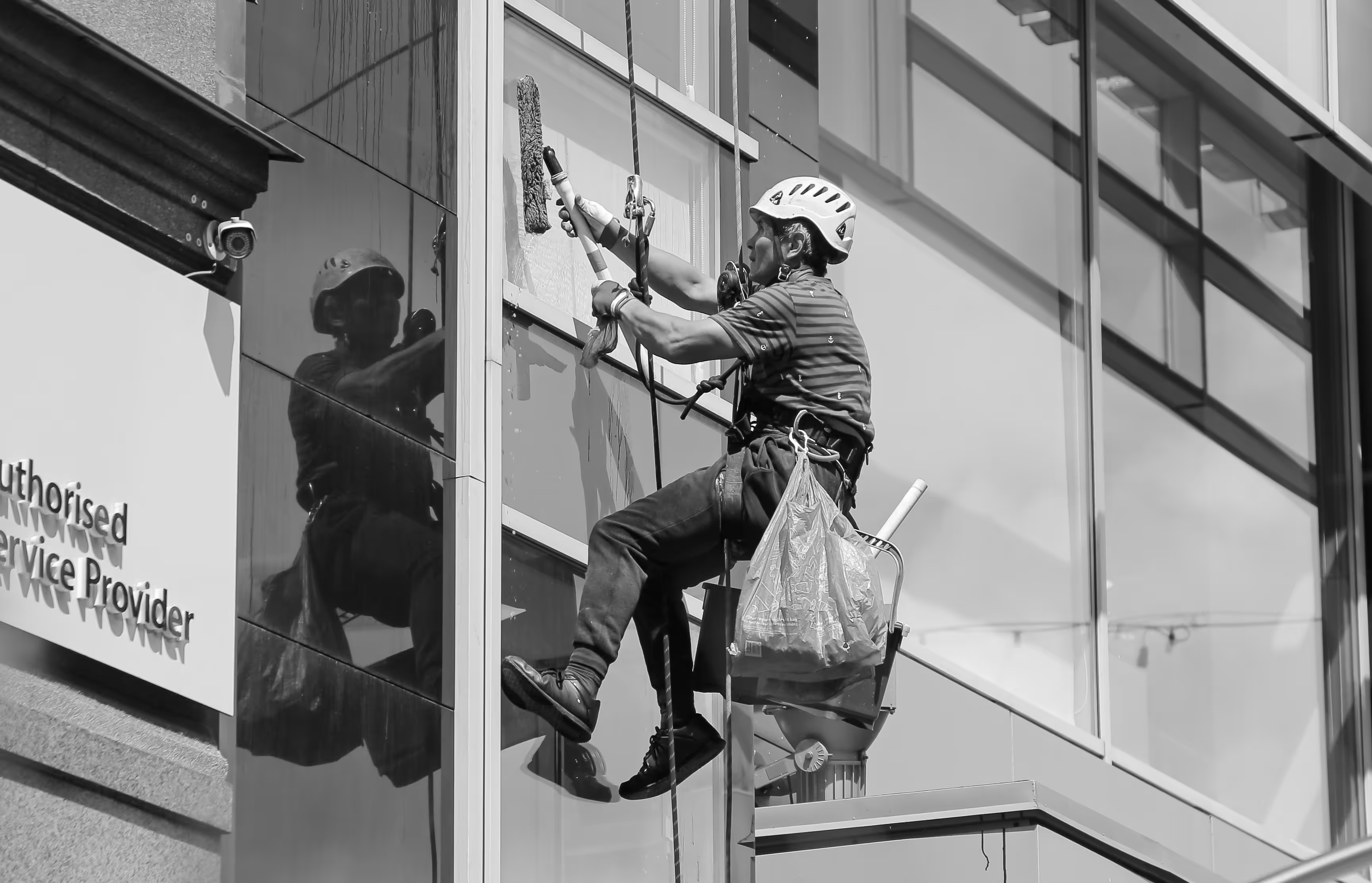
Your employees work in different environments, from private homes and office buildings to hotels and commercial properties.
What if they accidentally damage an expensive office floor while cleaning? Or worse, one of them gets injured carrying heavy gear up the steps? According to the U.S. Bureau of Labor Statistics, cleaning and maintenance workers experienced 356 fatal work injuries in 2024. That is an increase from 337 in 2023.
Insurance helps cover such financial losses, depending on your policy, exclusions, deductibles, and coverage limits. Without suitable coverage, you could end up paying substantial expenses from your business savings.
Meanwhile, bonding protects your clients against employee theft or dishonesty. It is also important for growing a business. Moody Clean Insurance notes that many commercial clients require cleaning companies to have a surety bond or crime insurance before hiring them.
Choosing suitable insurance and bonding options for cleaners helps establish trust while protecting your business from avoidable financial pressure. It also shows customers that you take professional responsibilities seriously.
Insurance and Bonding Options for Cleaning Businesses
Your coverage requirements depend on your business size, employee numbers, equipment value, location, and customer contracts. However, here are three important options that deserve particular attention when building a suitable protection plan.
Janitorial or Fidelity Bond to Protect Trust and Integrity
A janitorial bond or a fidelity bond reimburses a client if one of your employees steals something while working at the client's premises. It generally protects customers against covered theft committed by your employees while working on their premises.
Premiums remain relatively low compared with other coverages. Data from Insuranceopedia reports an average annual cost of $132.
Why It Matters for Your Business
Here’s why a janitorial or fidelity bond is worth considering:
- Builds trust: Reassures clients who let workers into private spaces.
- Wins better contracts: Appeals to commercial clients who require bonded vendors.
- Boosts credibility: Sets your business apart from unprotected competitors.
- Provides financial safety: Offers clients a way to get reimbursed if an employee steals.
Workers' Compensation Insurance to Protect Your Crew
Workers’ compensation insurance covers medical bills and a portion of lost wages if someone on your team gets injured while doing their job.
Cleaning work involves a lot of bending, lifting, wet floors, and repetitive motions that can lead to strains, slips, and longer-term injuries. A study published in Frontiers in Public Health found that 32.1% of hospital cleaners aged 50 and older reported work-related musculoskeletal disorders.
Most states require this coverage as soon as you hire your first employee.
Why It Matters for Your Business
Here are a few benefits of workers’ compensation insurance:
- Covers medical bills: Pays for treatment of work-related injuries and illnesses.
- Replaces lost wages: Provides partial income while employees recover away from work.
- Supports recovery: Funds rehabilitation services to help staff return to their jobs safely.
- Limits lawsuits: Protects your business from certain employee injury lawsuits.
Equipment Floater Insurance to Protect Your Equipment
Equipment floater insurance protects your vacuums, floor buffers, carpet extractors, and other gear wherever you take them.
Standard business property insurance typically covers items only while they are at your office or shop. It doesn’t cover equipment when it is in a van or at a client’s location. Replacing stolen or damaged equipment can cost hundreds or thousands of dollars and disrupt your work schedule.
Why It Matters for Your Business
An equipment floater offers several useful advantages for cleaning businesses:
- Covers items in transit: Protects your gear while you travel between client locations.
- Replaces stolen tools: Helps pay for approved replacements if equipment is stolen.
- Covers off-site gear: Protects your equipment wherever you work, even away from your home base.
FAQs
Can I operate a cleaning business without insurance?
Yes, some locations allow cleaning businesses to operate without certain insurance policies. However, local laws may require specific coverage before you begin accepting jobs. Some commercial clients also make insurance a condition of their contracts. Check your local requirements before starting or expanding your cleaning business.
How much does cleaning business insurance typically cost?
The cost depends on your location, employee numbers, and cleaning services. Coverage limits, claims history, and selected policies also affect your premiums. Request quotations from multiple insurers to compare available coverage options. Choose protection that fits your business risks and available budget.
How often should I review my cleaning business insurance policies?
Review your insurance policies at least once every year. You should also reassess coverage whenever your business operations change significantly. Hiring employees or purchasing expensive machinery may require policy adjustments. Regular reviews help ensure your protection keeps pace with business growth.
Key Statistics
Statistic Finding
Fatal work injuries among cleaning and maintenance workers (2024) 356 fatal injuries, compared with 337 in 2023
Average annual janitorial bond cost $132 per year
Work-related musculoskeletal disorders among hospital cleaners aged 50 and older (2025) 32.1% reported work-related musculoskeletal disorders
The right insurance and bonding coverage lets you run your cleaning business with confidence instead of constant worry. You protect your clients' trust while supporting the health and safety of your hardworking crew.
Review your current policies and gather quotes. Compare the best insurance and bonding options for cleaners that fit your specific services and team size. Taking action today helps you avoid painful surprises tomorrow and keeps your cleaning business thriving for years to come.