Incoming CARICOM Chair Pierre pledges people-centred regional agenda
Key Points(5)
- Incoming Chair of the Caribbean Community (CARICOM), the Hon.
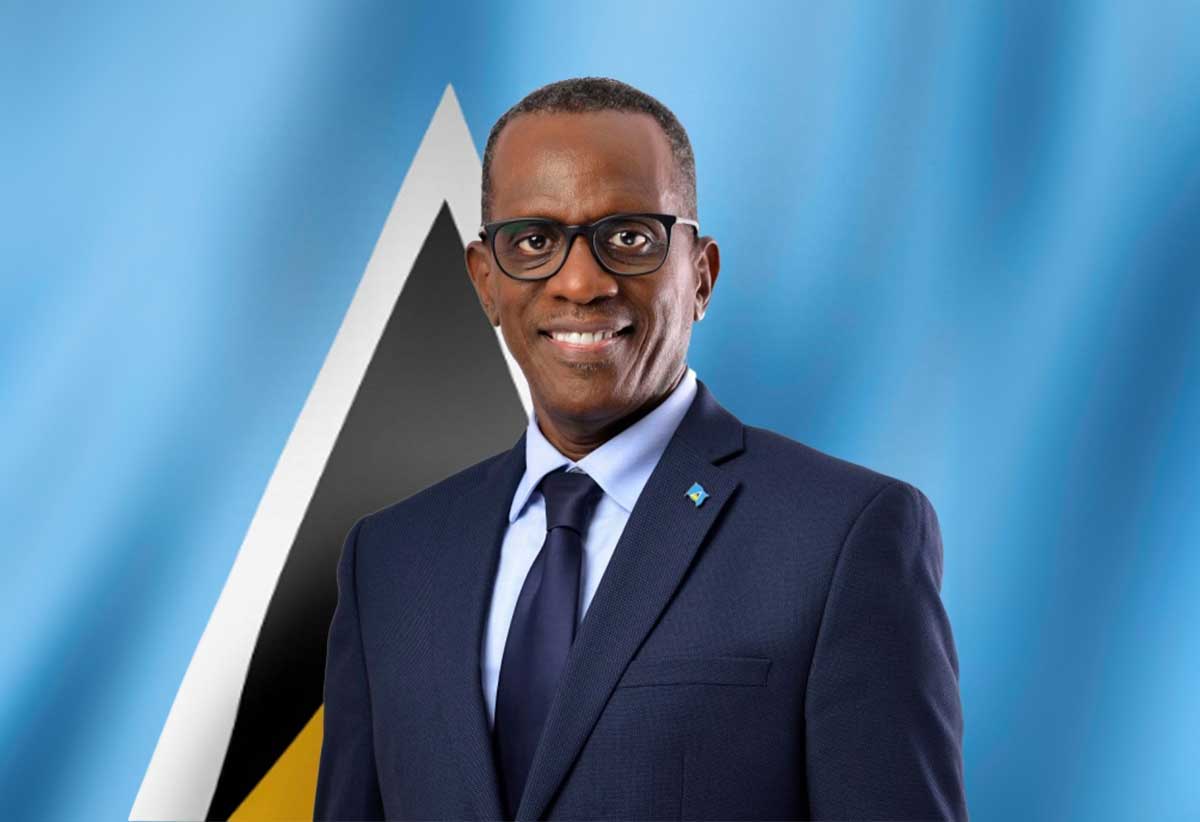
- Pierre, has pledged to place citizens at the centre of the regional integration agenda as he prepares to assume leadership of the bloc on July 1, 2026.
- Pierre, who will serve as CARICOM Chair until December 31, 2026, said his tenure will focus on ensuring that regional integration is more visible and impactful in the daily lives of Caribbean people.
- “At the heart of this work must be our people.
- Every Caribbean citizen, regardless of age, gender, ability, background, occupation, or circumstance, must be able to see themselves reflected in the regional agenda and feel that CARICOM is working to improve their lives, expand their opportunities, and strengthen their future,” he said.
Incoming Chair of the Caribbean Community (CARICOM), the Hon. Philip J. Pierre, has pledged to place citizens at the centre of the regional integration agenda as he prepares to assume leadership of the bloc on July 1, 2026.
Pierre, who will serve as CARICOM Chair until December 31, 2026, said his tenure will focus on ensuring that regional integration is more visible and impactful in the daily lives of Caribbean people.
“At the heart of this work must be our people. Every Caribbean citizen, regardless of age, gender, ability, background, occupation, or circumstance, must be able to see themselves reflected in the regional agenda and feel that CARICOM is working to improve their lives, expand their opportunities, and strengthen their future,” he said.
In his full statement issued through the CARICOM Secretariat in Turkeyen, Greater Georgetown, Pierre described his appointment as a responsibility he accepts “with humility, determination, and a deep sense of service.”
He said CARICOM remains grounded in the founding principle that regional unity allows member states to achieve more collectively than individually, adding that this principle is even more relevant amid today’s global challenges.
Pierre noted that the region is navigating a rapidly changing global environment, with citizens seeking stronger economic opportunities, improved resilience, and more effective cooperation across borders.
“Across our Region, we are navigating a rapidly changing world. Our people are working hard to build better lives, our economies are adapting to new realities, and our societies continue to face challenges that require cooperation, innovation, and unity,” he said.
He added that a central question guiding his leadership will be how CARICOM can deliver more tangible benefits to ordinary citizens.
“That is the question that must guide our work,” he said.
Pierre said his priorities will include bringing CARICOM closer to communities and ensuring the organization is reflected not only in policy discussions but also in everyday experiences such as education, employment, business development, and social mobility.
He also stressed the importance of regional unity and cooperation among member states, noting that the Caribbean’s diversity remains one of its strongest assets.
“We must strengthen our unity. The Caribbean is strongest when we work together, speak with purpose, and respect the voices and contributions of every Member State,” he said.
Outlining his broader agenda, Pierre highlighted climate action, food and nutrition security, economic growth, digital transformation, trade and investment expansion, and improved mobility of people, skills, and services across the region as key priorities.
He also called for stronger efforts to build safer and more resilient societies, emphasizing the link between development and security.
“Development and security go hand in hand, and every citizen deserves the opportunity to live, work, learn, and thrive in peace and dignity,” he said.
Pierre added that the success of CARICOM should ultimately be measured by whether citizens can feel the benefits of regional integration in their everyday lives.
“Because integration that our people cannot feel will not last,” he said.
He concluded by urging collective progress across the region.
“Together, we can build a Caribbean Community that is more united, more inclusive, more resilient, and more prepared for the future. Let us move forward together, from resilience to renewal and revival.”