IDB warns Jamaica faces long road to recovery from Hurricane Melissa
Key Points(5)
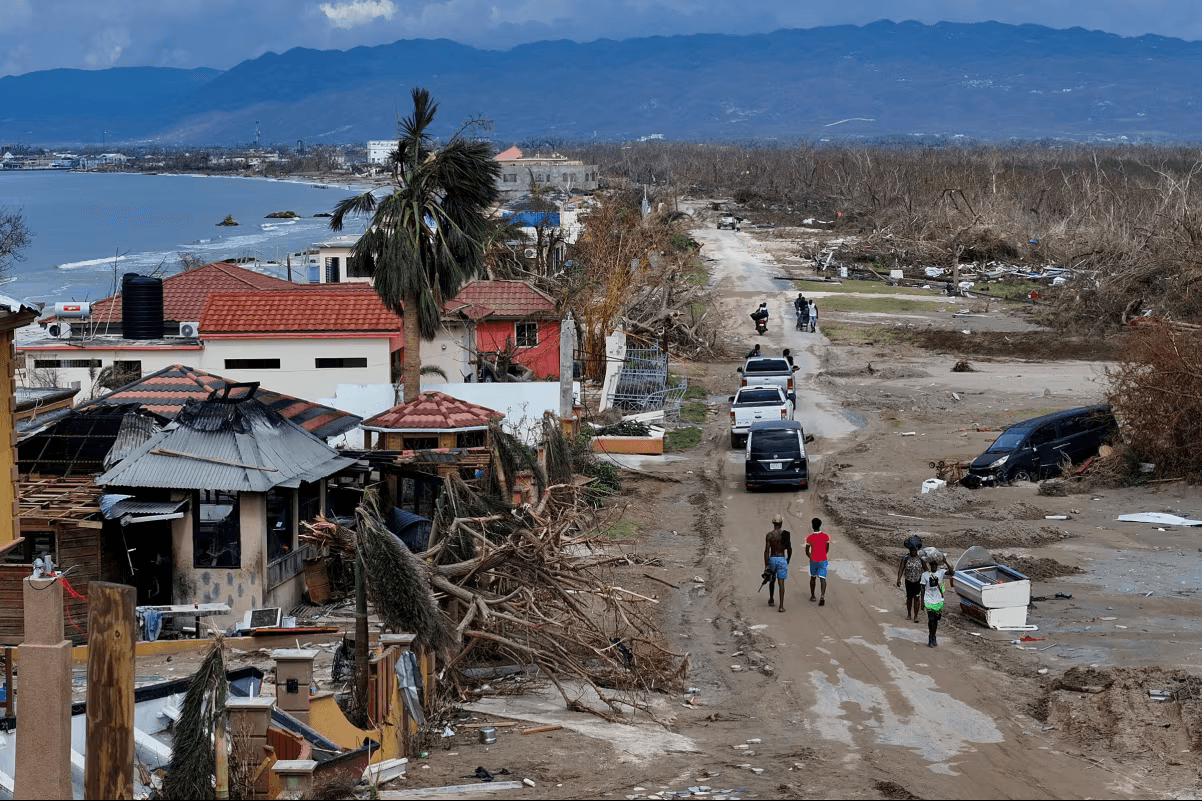
- Jamaica faces a prolonged recovery from the devastation caused by Hurricane Melissa, with the country’s fiscal position under pressure as the government finances reconstruction efforts, according to the Inter-American Development Bank (IDB).
- The Category 5 hurricane caused an estimated US$12.2 billion in physical and economic damage, equivalent to about 56.7% of Jamaica’s gross domestic product, the IDB said in its latest report on fiscal resilience, debt reduction and domestic resource mobilisation in the Caribbean.
- The storm has affected Jamaica’s fiscal position, contributing to a higher-than-planned deficit and an increase in the debt-to-GDP ratio as the government directs resources toward recovery, the bank said.
- Despite the pressure, the IDB said the government of Prime Minister Andrew Holness continues to have access to significant financing for reconstruction and remains on track to meet its medium-term target of reducing public debt to 60% of GDP.
- However, the report warned that the economic effects of Melissa could persist.
Jamaica faces a prolonged recovery from the devastation caused by Hurricane Melissa, with the country’s fiscal position under pressure as the government finances reconstruction efforts, according to the Inter-American Development Bank (IDB).
The Category 5 hurricane caused an estimated US$12.2 billion in physical and economic damage, equivalent to about 56.7% of Jamaica’s gross domestic product, the IDB said in its latest report on fiscal resilience, debt reduction and domestic resource mobilisation in the Caribbean.
The storm has affected Jamaica’s fiscal position, contributing to a higher-than-planned deficit and an increase in the debt-to-GDP ratio as the government directs resources toward recovery, the bank said.
Despite the pressure, the IDB said the government of Prime Minister Andrew Holness continues to have access to significant financing for reconstruction and remains on track to meet its medium-term target of reducing public debt to 60% of GDP.
However, the report warned that the economic effects of Melissa could persist.
Major damage to housing, combined with significant disruptions to the tourism and agriculture sectors, has weighed heavily on economic activity, according to the IDB.
The government has also postponed its ambitious fiscal targets by two years to create additional room for reconstruction spending following the hurricane.
The IDB cautioned that Jamaica’s recovery could remain subdued over the medium term, citing the slow pace of recovery and the disbursement of funds to communities most severely affected by Melissa.
The bank also highlighted climate change as an ongoing threat to Jamaica’s fiscal stability, urging the country to strengthen its financial resilience through insurance, disaster financing arrangements and adequate fiscal buffers.
The IDB said broader global economic conditions could create additional challenges for Jamaica as it works to rebuild.
The report underscores the balancing act facing the government as it seeks to finance reconstruction while maintaining progress on debt reduction and fiscal stability.