
How to Upgrade Your Tech Without Wasting Money: A Smarter Resale Strategy
Key Points(5)
- Keeping up with new technology can get expensive fast.
- Phones and laptops may feel outdated within a few years, even when they still work well.
- If you want to upgrade without draining your budget, start with the devices already sitting in a drawer.
- Understanding resale value, timing, and data security can turn unused gear into useful money and make your next purchase more affordable.
- Treat Your Old Devices Like Assets: Timing Matters Used technology is not automatically clutter.
Keeping up with new technology can get expensive fast. Phones and laptops may feel outdated within a few years, even when they still work well. If you want to upgrade without draining your budget, start with the devices already sitting in a drawer. Understanding resale value, timing, and data security can turn unused gear into useful money and make your next purchase more affordable.
Treat Your Old Devices Like Assets: Timing Matters
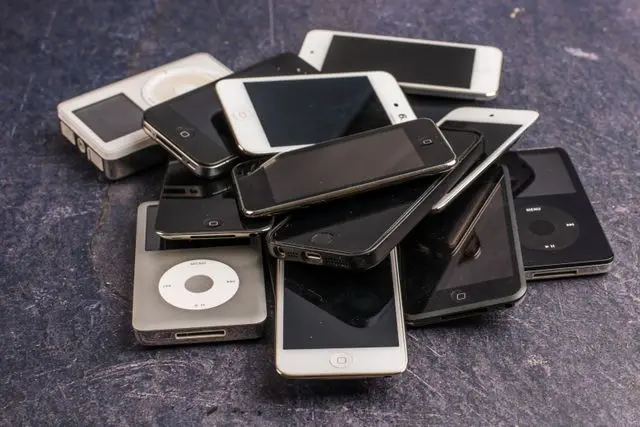
Used technology is not automatically clutter. An older iPhone, Samsung tablet, MacBook, smartwatch, or game console may have resale value, even if it shows light wear or has reduced battery life. Buyers often want reliable alternatives to new products, creating opportunities for owners who are ready to sell.
Avoid waiting too long. Electronics can depreciate quickly when a newer generation launches. A phone that attracts a reasonable offer today may be worth less after its successor arrives. If you plan to sell electronics for cash, timing matters almost as much as condition. Think of the process as managing an asset, not clearing a drawer.
Identify Devices With Strong Resale Potential: Compare Demand
Not every gadget performs equally on the secondhand market. Premium smartphones often retain value better than entry-level models, especially when unlocked, functional, and free of major damage. Apple devices attract steady interest, while newer premium Android phones and popular gaming systems may also appeal to buyers.
Laptops with performance and supported software can remain desirable. Tablets, smartwatches, wireless earbuds, and certain accessories may also have resale potential.
Before setting a price, identify the exact model, storage capacity, age, and included accessories. Compare completed sales. Asking prices show what sellers hope to receive; completed transactions offer a more realistic indication of what buyers pay.
Protect Your Personal Information: Prepare Devices Securely
Price should never be the only consideration. Phones and computers can contain photographs, messages, passwords, financial information, work documents, and account access.
Back up anything you want to keep and confirm that the backup works. Sign out of cloud services, remove linked accounts, disable activation locks, and unpair connected accessories. Remove SIM and memory cards before handing over the equipment.
Then follow the manufacturer’s instructions to erase the device or restore factory settings. For computers, use the appropriate reset or drive-erasure process. The Federal Trade Commission outlines practical steps in its guide to removing personal information from a phone.
Transfer authentication methods before erasing anything.
Weigh Convenience Against the Highest Offer: Choose Carefully
You can sell unwanted technology through peer-to-peer marketplaces, retailer trade-in programs, carrier promotions, or specialist electronics buyers.
Private sales may bring a higher price, but require listings, messages, negotiation, collection arrangements, and patience with unreliable buyers. Trade-ins simplify upgrades, although value may come as store credit or depend on another purchase. A specialist buyer may provide a more direct evaluation and payment process.
Compare the likely payout with the time, fees, shipping, and inconvenience involved. A higher advertised price is not automatically better if the sale takes weeks or requires repeated discounts. Check the buyer’s policies, payment method, inspection process, and cancellation terms first.
Assess Condition Honestly: Small Details Affect Value
Condition grading can create a gap between an expected price and a final offer. A working device may still lose value because of cracked glass, deep scratches, weak battery health, damaged ports, missing components, or liquid exposure.
Test the basics before requesting a quote. Check the display, cameras, speakers, buttons, charging connection, battery, and wireless functions. On laptops, test the keyboard, trackpad, ports, and operating system. Disclose known faults rather than assuming they will go unnoticed.
Clean the device and gather its charger or accessories if available. Clear photographs and an accurate description can also prevent misunderstandings during a private sale.
Use the Proceeds With a Plan: Avoid Impulse Upgrades
Getting money for an old device can make a new purchase tempting, but pause before spending it. Ask whether an upgrade solves a real problem. If your current phone handles everyday tasks, a modest improvement may be wiser than paying for features you rarely use.
Consider a previous-generation premium model, a reputable refurbished product, or waiting for a promotion. Compare total cost, warranty, software support, storage, and expected useful life rather than focusing only on launch price.
A planned upgrade cycle makes spending more predictable. Decide what performance you need, set a budget, and use resale money to reduce the amount taken from savings.
Consider the Environmental Impact: Keep Useful Technology in Use
Reselling a working device gives someone else a chance to use equipment that might otherwise be forgotten or discarded. Extending a product’s useful life can reduce demand for replacements and delay the processing of unwanted electronics.
If a device no longer works or has little resale value, choose responsible recycling instead of ordinary household disposal. The Environmental Protection Agency explains that reusing and donating working electronics extends product life, while recycling is appropriate when reuse or repair is impractical. Its overview of sustainable electronics management outlines these options.
Working products may be suitable for resale or donation; broken equipment may need specialist recycling.
Create a Repeatable Upgrade Routine: Make Every Purchase Count
Saving money on technology is less about one clever trick and more about consistent habits. Protect devices, retain accessories, monitor battery performance, and record purchase dates and model details.
Before a handoff, confirm that the device is yours to sell, remove personal accounts, erase stored information, and document its condition. When buying a replacement, compare specifications with your needs and check expected software support.
Technology will keep changing, but your spending does not have to follow every release. By understanding resale timing, comparing selling options, preparing devices securely, and choosing upgrades deliberately, you can get more value from equipment you already own. The result is less waste, fewer rushed decisions, and more money for technology that improves everyday life.