
How to Plan the Perfect Caribbean Beach Day Without Overpacking
Key Points(5)
- The Caribbean is home to some of the world's most beautiful beaches, from Jamaica's Seven Mile Beach to the turquoise shores of Barbados and the Bahamas.
- For locals, returning members of the Caribbean diaspora, and holidaymakers, a day at the beach offers a chance to relax, reconnect with family, and enjoy the outdoors.
- However, preparing for a beach outing can quickly get out of hand.
- Between towels, chairs, coolers, snacks, and swimming equipment, it's easy to pack more than you'll actually use.
- The secret to a great Caribbean beach day isn't bringing everything you own.
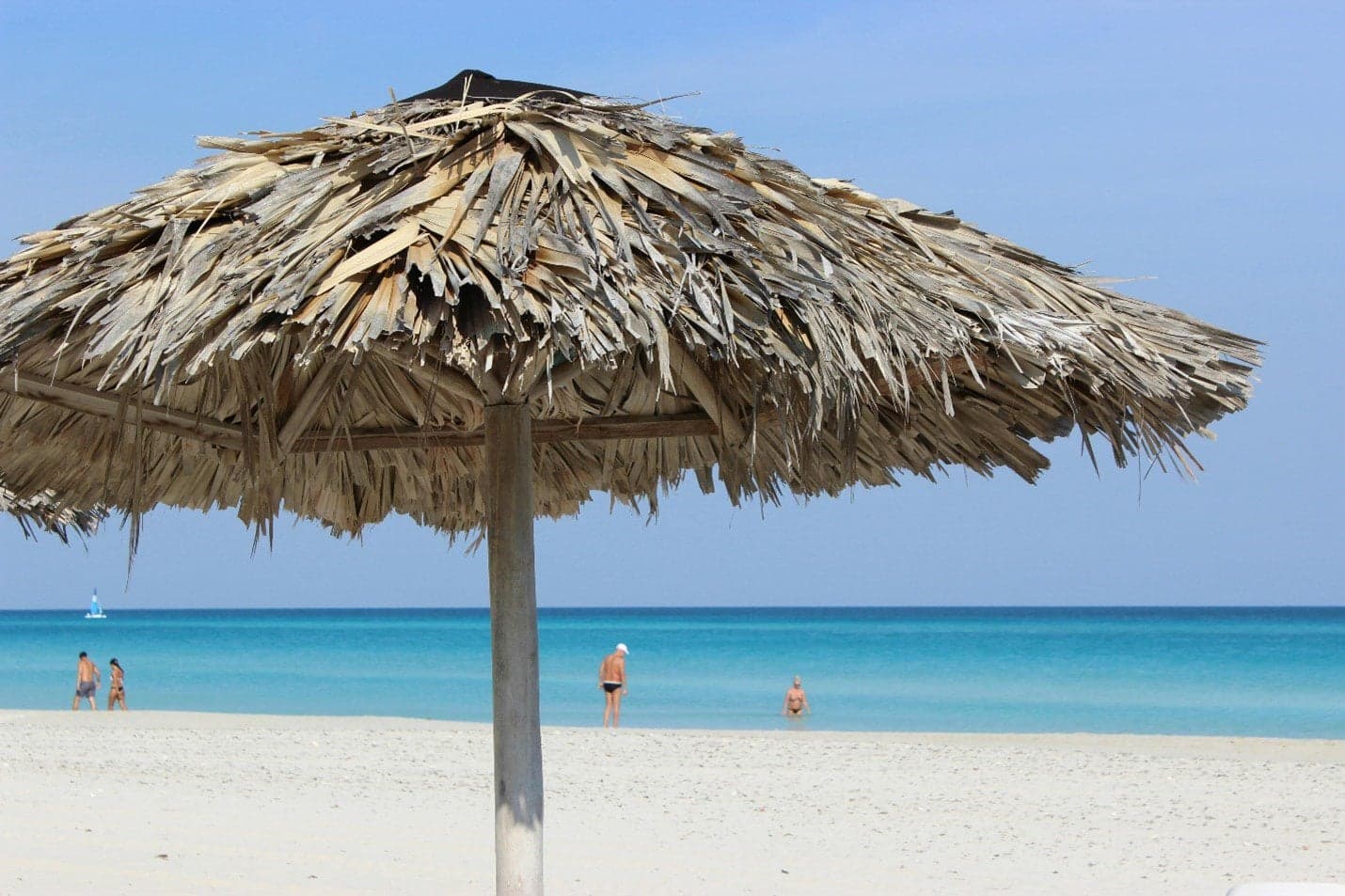
The Caribbean is home to some of the world's most beautiful beaches, from Jamaica's Seven Mile Beach to the turquoise shores of Barbados and the Bahamas. For locals, returning members of the Caribbean diaspora, and holidaymakers, a day at the beach offers a chance to relax, reconnect with family, and enjoy the outdoors.
However, preparing for a beach outing can quickly get out of hand. Between towels, chairs, coolers, snacks, and swimming equipment, it's easy to pack more than you'll actually use. The secret to a great Caribbean beach day isn't bringing everything you own. It's choosing practical items that keep you comfortable, safe, and prepared without weighing you down.
Choose the Right Beach for Your Plans
Not every Caribbean beach offers the same experience. Some have calm, shallow waters suitable for families, while others are better suited to surfing, snorkeling, or enjoying the scenery. Before deciding where to go, consider who you're travelling with and what everyone wants to do.
Families with young children may prefer beaches with lifeguards, nearby restrooms, and shaded areas. If you're planning a quiet afternoon, a less crowded beach with natural shade might be more appealing. Check whether your destination provides parking, food vendors, and public facilities. Knowing what's available can prevent you from packing unnecessary supplies.
Pack Lightweight Beach Equipment
Bulky equipment can turn a short walk across the sand into an exhausting journey, particularly when you're also carrying food, towels, and children's belongings. Start with the basics: a comfortable place to sit, something to provide shade, and a practical bag for your belongings.
A compact folding chair can be particularly useful for longer beach visits. Outdoor equipment retailers such as ozzigear.com offer lightweight, portable seating designed to pack down into a smaller space, making it easier to carry equipment to and from the shoreline.
When choosing seating, consider its folded size, weight, and stability on sand. A chair that's convenient to transport but uncomfortable after an hour won't necessarily improve your outing. For shorter visits, a lightweight beach mat or large towel may be sufficient.
Protect Yourself From the Caribbean Sun
Caribbean sunshine is part of the appeal, but prolonged exposure to ultraviolet (UV) radiation can damage your skin, even on cloudy days. The Centers for Disease Control and Prevention (CDC, 2025) recommends broad-spectrum sunscreen with a sun protection factor (SPF) of at least 30 for travelers spending time outdoors.
Apply sunscreen before heading outside and reapply approximately every two hours, or more frequently after swimming or sweating, according to the product instructions. Don't rely on sunscreen alone. Pack a wide-brimmed hat, UV-protective sunglasses, and lightweight clothing that covers exposed skin. A beach umbrella can provide additional protection, although existing shaded areas may eliminate the need to carry one.
Consider visiting earlier in the morning or later in the afternoon, when sunlight is generally less intense. This can also make your beach experience more comfortable.
Keep Food and Drinks Simple
Food is often a highlight of Caribbean beach outings, particularly when friends and relatives gather for a picnic. You don't need an elaborate spread to enjoy a satisfying meal by the water. Fresh fruit, sandwiches, crackers, and other easy-to-transport foods can reduce preparation time and the amount of equipment required.
If you're bringing Caribbean favorites such as jerk chicken, seafood, or prepared salads, pay particular attention to food storage. According to the U.S. Food and Drug Administration (FDA, n.d.), perishable foods shouldn't remain unrefrigerated for more than two hours, or one hour when outdoor temperatures exceed 90°F (32°C). Use an insulated cooler with sufficient ice or frozen gel packs to keep perishable foods at 40°F (4°C) or below.
Pack reusable water bottles and bring enough drinking water for everyone. Spending hours outdoors in hot weather makes regular hydration particularly important. Don’t pack more food than your group can reasonably finish. Smaller portions mean less waste and fewer leftovers to transport home.
Prioritize Water Safety
Beautiful beaches aren't necessarily free from hazards. Waves, changing tides, and strong currents can create dangerous swimming conditions. The U.S. National Weather Service (NWS, n.d.) warns that rip currents can carry swimmers away from shore, including experienced swimmers.
Its guidance is straightforward: "If in doubt, don't go out!" Whenever possible, choose a beach with lifeguards and follow posted warning signs. If you're caught in a rip current, avoid swimming directly against it. Remain calm, swim parallel to the shoreline if possible, and signal for assistance if necessary (NWS, n.d.). Children require close supervision around water, regardless of their swimming abilities.
Bring Less Entertainment and Enjoy More
Caribbean beaches offer plenty of opportunities for entertainment without requiring an entire bag of equipment. Swimming, beach cricket, paddleball, and walking along the shoreline can keep visitors occupied for hours.
For families, a small bucket and spade may provide enough entertainment for younger children. Older children and adults might prefer a compact beach ball or a deck of cards. Consider leaving expensive electronics at home unless you genuinely need them. A waterproof pouch can protect your phone and other small valuables from splashes and sand.
If you're visiting with relatives or friends, allow time for conversation and relaxation. Sometimes, sharing food and enjoying the surroundings are the most memorable parts of a beach day.
Respect the Coastal Environment
Caribbean beaches support wildlife, tourism, and local livelihoods. Keeping these spaces clean helps preserve them for future generations. Bring a reusable bag for rubbish, especially when visiting beaches without bins. Don’t leave plastic packaging, bottles, or food containers behind.
When snorkeling, keep a safe distance from coral reefs. The National Oceanic and Atmospheric Administration (NOAA Fisheries, 2026) advises visitors not to touch, stand on, or kick coral because physical contact can damage these fragile ecosystems. Follow local wildlife protection rules and avoid disturbing nesting areas.
You can also reduce your environmental footprint by carrying reusable containers rather than disposable alternatives. These small choices make responsible beachgoing easier without adding unnecessary weight to your bag.
Create a Practical Beach Packing Checklist
Before leaving, check your bag against a short list of necessities:
- Sunscreen, sunglasses, and a wide-brimmed hat
- Swimwear, a towel, and dry clothes
- Drinking water and simple snacks
- A lightweight chair or beach mat
- A compact cooler if carrying perishable food
- A waterproof pouch for valuables
- A reusable rubbish bag
- Any necessary medication and basic first-aid supplies
Conclusion
A memorable Caribbean beach day doesn't depend on how much you bring. The best experiences often come from good company, beautiful surroundings, and having enough time to enjoy both. Choosing the right destination, packing lightweight equipment, protecting yourself from the sun, and preparing food safely can make the entire outing more enjoyable.
Keep your packing practical, respect the coastal environment, and leave unnecessary items behind. After all, the purpose of a beach day is to relax, not spend the afternoon managing your belongings.
References
Centers for Disease Control and Prevention. (2025). Sun exposure in travelers. CDC Yellow Book 2026: Health information for international travel.
National Oceanic and Atmospheric Administration Fisheries. (2026). Marine life viewing guidelines.
National Weather Service. (n.d.). Rip current questions and answers. National Oceanic and Atmospheric Administration.
U.S. Food and Drug Administration. (n.d.). Handling food safely while eating outdoors.