

How to Plan a Rowhouse Move in Philadelphia
Key Points(5)
- The Philadelphia rowhouse is a beautiful thing to live in and a genuine challenge to move into.
- Narrow doorways, steep interior stairs, and a shared wall on each side turn a routine move into a careful operation.
- Plan for the quirks of these historic homes, and moving day goes smoothly instead of ending with furniture stuck on a landing.
- A little preparation turns the rowhouse from an obstacle into just another part of the day.
- The Staircase Is the Deciding Factor Rowhouse stairs are often steep, narrow, and sharply turned, which means the staircase, not the doorway, usually decides what fits.
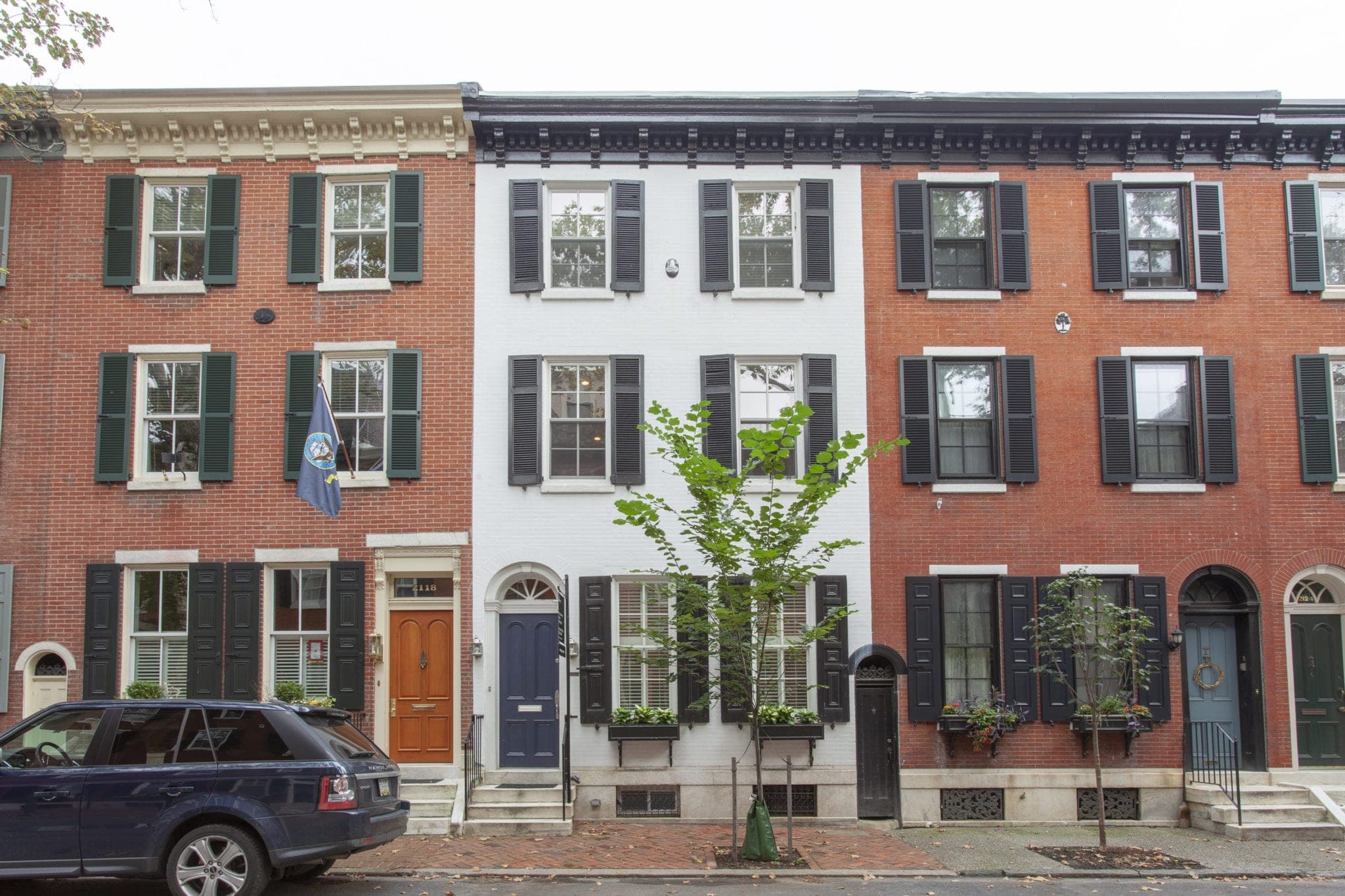
The Philadelphia rowhouse is a beautiful thing to live in and a genuine challenge to move into. Narrow doorways, steep interior stairs, and a shared wall on each side turn a routine move into a careful operation. Plan for the quirks of these historic homes, and moving day goes smoothly instead of ending with furniture stuck on a landing. A little preparation turns the rowhouse from an obstacle into just another part of the day.
The Staircase Is the Deciding Factor
Rowhouse stairs are often steep, narrow, and sharply turned, which means the staircase, not the doorway, usually decides what fits. Measure your largest pieces and the tightest turns before moving day. A big dresser or sofa may need to be disassembled or brought in another way, and it is far better to know that in advance than mid-carry. If a piece truly will not make the turn, decide early whether to take it apart, hoist it, or leave it behind.
Sort Out Parking Early
Most rowhouse blocks have permit-only or tightly packed street parking, so a moving truck needs a reserved spot to avoid a long carry. This is exactly why movers in Philadelphia handle the temporary no-parking permits and know how to position a truck on a narrow one-way street. Sorting the curb space ahead of time keeps the whole day from bottlenecking at the front door. Even a spot one house closer can save the crew dozens of trips over the course of a move.
Protect the Home and the Neighbors
With shared walls and close-set houses, a rowhouse move affects the people next door as much as you. Pad the doorways and stair railings, keep the sidewalk passable, and clean up afterward. Starting off considerate matters in a tight-knit block, where first impressions with neighbors tend to stick around for a long time. Older rowhomes can have delicate plaster and trim, so careful handling protects both your deposit and the house itself.
Downsize for the Layout
Rowhouses are often long and narrow with limited storage, so oversized furniture fights the space as much as the stairs. Pare down before you pack, and be realistic about what suits the floor plan. Moving less means a faster, cheaper day and a home that feels open from the start rather than crammed with pieces that never quite fit. Measure the rooms you are moving into so you know what will work before you haul it up three flights.
Build in Extra Time
A rowhouse move almost always takes longer than the mileage suggests, thanks to the stairs, the parking, and the careful handling these homes demand. Give the crew breathing room in the schedule and keep the day free of competing deadlines. A little extra time is what turns a tricky rowhouse move into a job that finishes without drama. Plan for the day to run a bit long, and anything faster is a pleasant surprise rather than a scramble. With the stairs measured, the parking reserved, and enough time on the clock, a rowhouse move becomes exactly the calm, orderly day you hoped for.


