
How to Find Out What Your Childhood Collectibles Are Worth
Key Points(5)
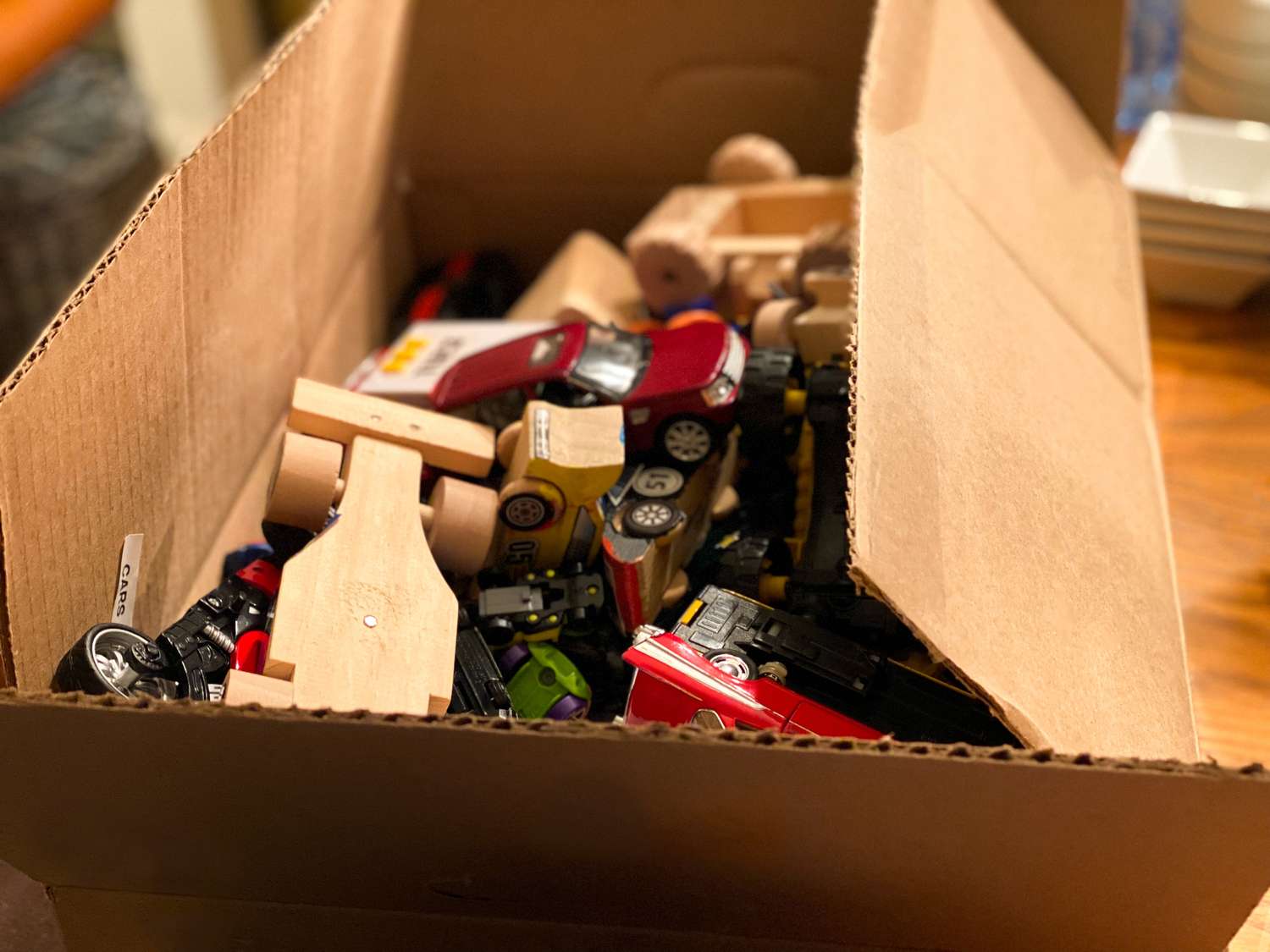
- Most people have a box tucked away somewhere — in a closet, attic, or storage unit — filled with items from their childhood.
- Action figures, trading cards, vintage toys, comic books, and other memorabilia often sit untouched for years before someone wonders whether they hold any monetary value.
- Even items that once seemed ordinary, like a binder full of old Garbage Pail Kids cards, can surprise you — resources like this Garbage Pail Kids value by Toynk guide show that certain series and variations now sell for well above their original retail price.
- The key is knowing how to assess what you have before deciding to keep, sell, or insure your collection.
- Below is a practical breakdown of how to assess your childhood collectibles' value.
Most people have a box tucked away somewhere — in a closet, attic, or storage unit — filled with items from their childhood. Action figures, trading cards, vintage toys, comic books, and other memorabilia often sit untouched for years before someone wonders whether they hold any monetary value.
Even items that once seemed ordinary, like a binder full of old Garbage Pail Kids cards, can surprise you — resources like this Garbage Pail Kids value by Toynk guide show that certain series and variations now sell for well above their original retail price. The key is knowing how to assess what you have before deciding to keep, sell, or insure your collection.
Below is a practical breakdown of how to assess your childhood collectibles' value.
Check What Comparable Items Have Sold For
The most reliable way to gauge value is to look at actual sale prices for items similar to yours. Listing prices tell you what sellers hope to get, but completed sales show what buyers have agreed to pay.
- Use auction platforms. eBay’s advanced search lets you filter for completed, sold listings. This gives you real transaction data rather than wishful pricing.
- Search niche marketplaces. Categories like trading cards, vintage toys, and comics each have dedicated platforms (e.g., TCGPlayer for cards, MyComicShop for comics). These often provide more precise comparisons.
- Look at multiple results. A single sale can be an outlier. Review several completed transactions to identify a consistent price range for your item.
This step gives you a baseline figure to work from, which you can then adjust based on your collectible's specific qualities.
Assess the Condition of Each Item
Condition is one of the most significant factors in determining value. Two identical items can differ in price by hundreds or even thousands of dollars based on their physical state.
- Look for visible wear. Scratches, discoloration, bent corners, and missing parts all reduce value. Items that have been played with tend to show more wear than those kept in storage.
- Check the packaging. For toys and figures, the original box or packaging can substantially increase value. A mint-in-box item almost always commands a higher price than a loose one.
- Understand grading systems. Many collectible categories use standardized grading scales. Comic books, for example, are graded on a 10-point scale by services like CGC. Trading cards use PSA or BGS grading. A professional grade provides buyers with an objective measure of condition.
If your item is in better condition than most available examples, your estimate can move upward. If it shows heavy wear, adjust downward.
Evaluate the Rarity of Your Collectible
Scarcity drives demand. Items produced in limited quantities or discontinued early tend to be worth more than mass-produced alternatives.
- Identify limited editions. Check for markings, serial numbers, or packaging labels that indicate a limited production run.
- Research production history. Some toys or cards were recalled, discontinued, or produced only for specific markets. These items are harder to find and often attract more collector interest.
- Consider regional exclusives. Items released only in certain countries or through specific retailers can be less common on the secondary market.
Rarity alone does not guarantee high value—the item also needs active collector demand. But when rarity and demand overlap, prices rise.
Get a Professional Appraisal When Needed
For everyday items, online research can give you a reasonable estimate. But when you suspect an item has significant value, or when you have a large collection, a professional appraisal provides a more accurate and defensible figure.
- Seek category-specific experts. A coin dealer will give you better insight into coins than a general antiques shop. Look for appraisers with documented experience in your item’s category.
- Request written appraisals. If you plan to sell through consignment or insure your collection, a written appraisal with a stated methodology carries more weight than a verbal estimate.
- Be cautious of conflicts of interest. An appraiser who also wants to buy your items may not offer a neutral valuation. Where possible, separate the appraisal from the sale.
Choose the Right Place to Sell
Where you sell affects how much you receive. Pawn shops and general resale stores offer speed but rarely pay full market value. Auction houses, collector forums, and category-specific marketplaces tend to attract buyers who understand what items are worth and are willing to pay accordingly.
Matching your collectible to the right audience is the final step in turning a childhood keepsake into fair compensation. Take time to research your options, and let the data—not guesswork—guide your decisions.


