

How Precast Concrete Pits Protect Vulnerable Property Foundations
Key Points(5)
- When storm water pools near a house, it naturally seeks the lowest physical point to settle and accumulate.
- This trapped moisture slowly seeps deep into the earth, constantly threatening the structural integrity of your building.
- Protecting this foundation is vital for preserving your long-term property value.
- Protecting your residential investment is best done with solid underground drainage.
- This blog describes how underground drainage systems protect foundations.
When storm water pools near a house, it naturally seeks the lowest physical point to settle and accumulate. This trapped moisture slowly seeps deep into the earth, constantly threatening the structural integrity of your building. Protecting this foundation is vital for preserving your long-term property value.
Protecting your residential investment is best done with solid underground drainage. This blog describes how underground drainage systems protect foundations.
Directing Heavy Surface Runoff
During intense seasonal storms, massive volumes of rainwater rapidly wash across residential driveways, patios, and lawns. If this surface water is not strictly controlled, it flows directly towards the exterior brick walls of your house. Collecting this fast-moving runoff before it reaches your masonry is crucial for long-term property protection.
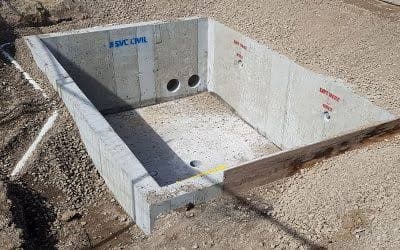
Drainage contractors install precast concrete pits at strategic low points around residential blocks. These sturdy underground collection points gather rushing surface water and funnel it safely into municipal council drains. By capturing the runoff early, they ensure your soil remains stable and your home stays dry.
Preventing Severe Soil Subsidence
Supersaturated soil changes load-bearing capacity when water pools against your home. Expanding clay soils swell when wet and shrink during dry summer spells, creating severe ground movement. This constant shifting removes vital support from beneath your concrete footings, causing interior walls to crack.
Reliable drainage infrastructure actively intercepts this water, keeping the moisture levels in your foundation soil consistent year-round. Here is how proper water management directly prevents dangerous soil subsidence around your residential property:
- Stabilising Ground Moisture: Consistent soil moisture prevents the violent swelling and shrinking cycle that breaks concrete slabs
- Stopping Internal Washouts: Collecting water prevents underground streams from silently washing away the fine gravel supporting your footings
- Maintaining Load Capacity: Dry, compacted soil easily carries the immense physical weight of your brick walls without sinking
Alleviating Hydrostatic Wall Pressure
Homes built on sloping blocks or featuring deep basements face a hidden threat known as hydrostatic pressure. As groundwater builds up against submerged retaining walls, it pushes inward with immense, unrelenting physical force. This heavy pressure forces moisture through solid brickwork, causing damp internal rooms and dangerous structural bowing.
Underground collection units actively lower the local water table by giving trapped groundwater a clear escape route. By relieving this hydrostatic pressure, they prevent dampness from destroying your interior plasterboard, carpets, and wooden flooring. This unseen protection keeps your lower living areas completely dry, habitable, and structurally sound.
Providing Durable Underground Infrastructure
Choosing the correct material for underground drainage is just as important as the overall system layout itself. Flimsy plastic collection boxes often buckle under the heavy weight of saturated soil or parked family vehicles. When a weak drainage box collapses, the entire network fails, sending water straight back to your house.
Here are the main structural benefits of choosing heavy-duty materials for your underground drainage network:
- Resisting Soil Weight: Thick concrete walls easily withstand the crushing lateral pressure of wet, heavy earth over decades
- Handling Traffic Loads: Strong grates and solid bases allow vehicles to drive over them without causing internal structural collapse
- Preventing Tree Damage: Solid construction stops invasive garden tree roots from piercing the chamber and blocking vital water flow
Lowering Long-Term Repair Costs
Underpinning sinking walls requires heavy excavation machinery and structural engineering that costs many thousands of pounds. Investing in proper surface drainage upfront is a fraction of the cost of major structural remediation.
A well-planned drainage network acts as a permanent, reliable safeguard against catastrophic property water damage. It requires very little maintenance beyond occasionally clearing fallen garden leaves from the top metal safety grate. This practical approach keeps your maintenance budget low while preserving the total market value of your home.
Secure Your Home From Hidden Water Damage
Your property foundation is undoubtedly the most critical structural element of your entire residential investment portfolio. Allowing unmanaged stormwater to slowly compromise this vital concrete base is a financial risk you simply cannot ignore. Using proven drainage infrastructure keeps your building safe, level, and dry for decades.
It's not necessary to wait for ugly cracks to show up in your brickwork before fixing the gutters in your yard. Upgrade your water management systems today to be more proactive about maintaining your property.


