
How Online Gaming Is Building New Social Spaces Across the Caribbean
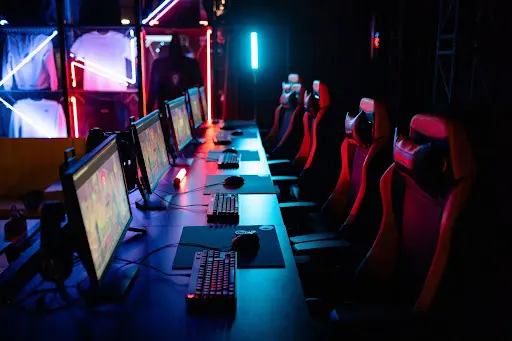
Key Points(5)
- A Kingston University student completes an evening class.
- She then logs on to a joint server and plays games with friends in Port of Spain, Miami and London.
- There is no structured occasion, but rather a fun environment that allows for conversation and humor while maintaining long-distance connections.
- Whilst seemingly an individual activity, online gaming is now also a highly sociable space.
- Locals can play with members of their diaspora and structure gaming contests.
A Kingston University student completes an evening class. She then logs on to a joint server and plays games with friends in Port of Spain, Miami and London. There is no structured occasion, but rather a fun environment that allows for conversation and humor while maintaining long-distance connections.
Whilst seemingly an individual activity, online gaming is now also a highly sociable space. Locals can play with members of their diaspora and structure gaming contests. In doing so, people can showcase their culture.
Occasionally, this aspect is hard to recognize. This is because people often visualize a gamer as simply playing in front of a screen. But what really happens is that they hop into a community lounge that transcends geographical boundaries and gives them a chance to connect with like-minded people.
Gaming Fits a Region Built Around Movement
In our increasingly nuclear families, distant relatives often live far away. One relative may be in Barbados, and two school friends may now be in Canada and the UK. Alongside maintaining communication via instant messenger, games let groups engage in an activity beyond simply asking each other how they are.
Customization is also a popular game-based feature. Players can customize their in-game appearance by adding virtual accessories, emblems, and colorful avatars through skins CS2.
Interactions center on these custom avatars, alongside catching up with friends. These evolve into enduring friendships, self-organized sports teams, or even locally managed competitions.
Caribbean Identity Travels Well Online
Even when people play individual games, their culture deeply influences gaming. Players can easily ‘blend’ a variety of accents and dialects. They often use regional and local names for their teams.
Plus, games often include localized themes such as carnival, cricket, and island-based humor. Even game-related banter regarding favorite foods and/or music can be included within the gaming culture – especially if many people from differing regions are playing in one virtual space.
In some cases, games can boost someone’s sense of culture. This is most effective when gamers set up teams rather than having them organized by developers or large organizers. Players can then develop their own behavior, vocabulary, and even events for a community server. Although this does not constitute official cultural maintenance, it does ensure continued exposure to a region’s culture through gaming.
However, there are valid concerns that the internet can reduce regional diversity. Furthermore, larger communities can often overpower smaller ones. Although labeling something as Caribbean is acceptable, it should never be assumed that every nation in this region – including Jamaica, Guyana, Haiti, Trinidad and Tobago and the smaller island nations – all share identical pasts and behaviors.
What Healthy Gaming Communities Get Right
A lively group needs more than skilled players. Someone has to settle disputes, schedule events, welcome newcomers, and stop the chat from becoming hostile. These tasks are rarely glamorous, yet they determine whether people return.
Community Habit What it Changes
Clear chat rules New members know what crosses the line
Rotating event times Players in different territories get a fair chance to join
Beginner-friendly sessions Less experienced people can learn without ridicule
Spending limits Cosmetic purchases remain enjoyable rather than stressful
Active moderators Problems are handled before they spread
Smaller communities sometimes manage this better because members know one another. Growth brings more opponents and livelier events, though it also creates moderation work.
There’s no clean answer. A group with 40 active members may feel warmer than one with 4,000, while the larger space can support regular competitions and several skill levels.
The Barriers Aren’t Only Technical
Access and technological equipment can also affect participation. An individual may not be able to play some games because of an older computer and/or poor access, even if they are highly competent.
Game designers can support people by offering customizable visuals, providing small downloadable data files, and setting up local servers. Games can also be designed to be playable even if someone does not have flawless access.
Alongside this, those running community events can support inclusivity by selecting appropriate games, clearly stating what is needed to attend an event and experimenting with varied timings. This can stop a community event becoming a members-only society.
A Digital Meeting Place With Local Character
Caribbean people are also turning to online gaming to help them sustain their social networks. This also allows them to interact with local people they might not otherwise have met and to continue engaging with family members who live elsewhere.
Good moderation, meeting accessibility needs, and allowing for local diversity can result in an extension that still feels authentically Caribbean but is inclusive. If these issues are not addressed, the extension may become chaotic, costly, or hard to access.