

How Helicopters Support Communities When Disaster Strikes
Key Points(5)
- When a major disaster disrupts a community, access can quickly become one of the biggest challenges.
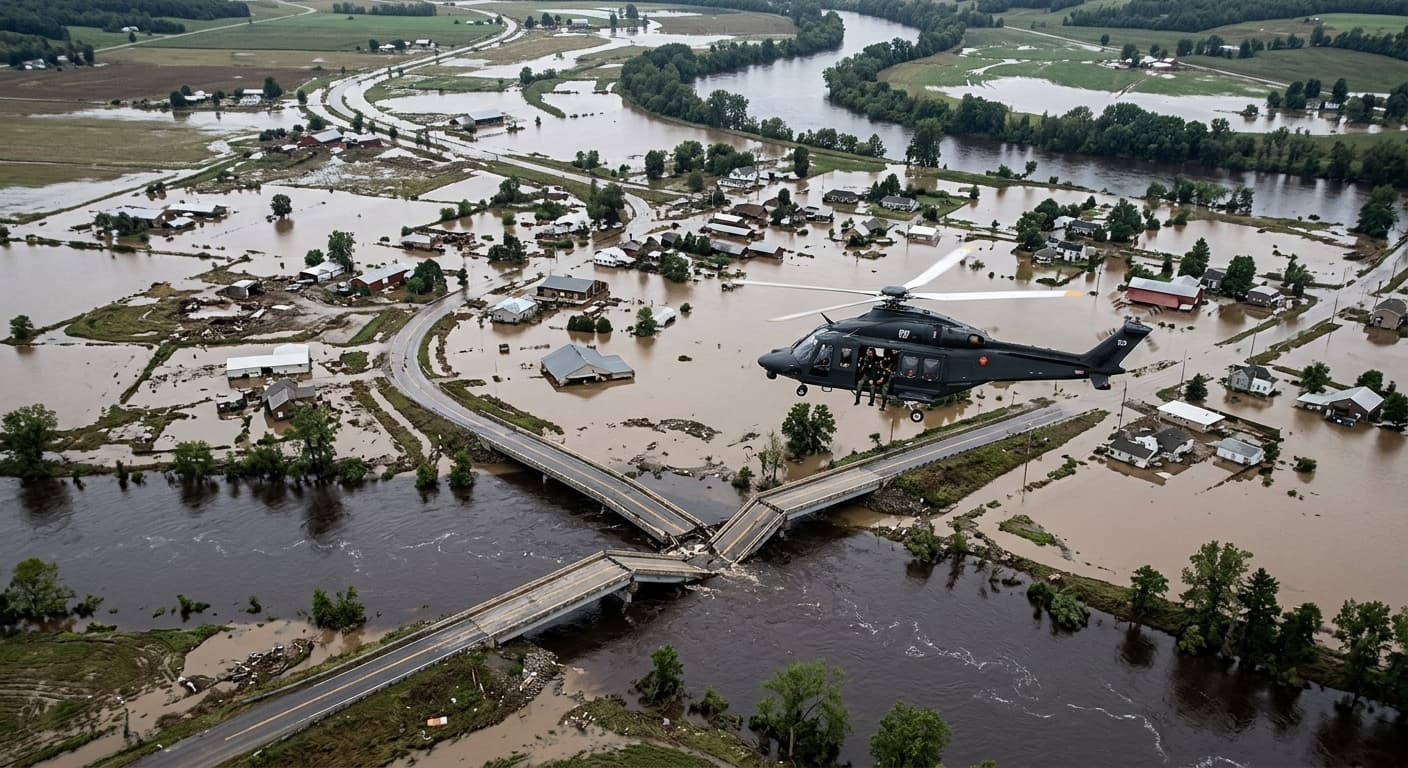
- Roads may be flooded, bridges damaged, and debris may block routes, leaving neighborhoods difficult to reach.
- Emergency teams also need reliable information about affected areas to determine where help is needed.
- In these circumstances, Disaster Relief and Emergency Response operations can use helicopters when conventional transportation is limited.
- Helicopters can transport personnel and equipment, provide aerial views, assist with evacuations, and reach locations separated from functioning road networks.
When a major disaster disrupts a community, access can quickly become one of the biggest challenges. Roads may be flooded, bridges damaged, and debris may block routes, leaving neighborhoods difficult to reach. Emergency teams also need reliable information about affected areas to determine where help is needed. In these circumstances, Disaster Relief and Emergency Response operations can use helicopters when conventional transportation is limited.
Helicopters can transport personnel and equipment, provide aerial views, assist with evacuations, and reach locations separated from functioning road networks. By traveling above obstacles, they provide another option when conditions change quickly.
When Ground Access Is Disrupted
A disaster can change infrastructure within hours. Heavy rainfall can submerge roads, earthquakes can damage bridges, and severe storms can leave routes blocked by trees and debris. Even open roads may become difficult to use because of congestion or structural damage.
Helicopters provide mobility without depending on the same road network as ground vehicles. When weather, aircraft capabilities, landing conditions, and other factors permit, they can travel toward affected areas and potentially operate closer to isolated communities.
Aviation does not replace ambulances, rescue vehicles, emergency crews, or other ground services. Instead, it can complement those resources when conventional routes become difficult or unavailable.
Using the Aerial View to Assess Damage
Emergency teams need to understand the scale and location of damage before prioritizing resources. Ground crews can provide detailed reports, but obtaining a broader view can be difficult when infrastructure is damaged.
Helicopters provide an elevated perspective across a wider area. Depending on the mission, aerial observation can help identify flooded areas, damaged structures, blocked routes, isolated communities, and infrastructure changes. This contributes to situational awareness during response operations.
The Federal Emergency Management Agency (FEMA) uses geospatial information to support disaster decision-making. Its Response Geospatial Office develops geospatial and data-analytic capabilities that help establish situational awareness, assess disaster impacts and damage, prioritize response missions, and support recovery efforts.
Helicopter-based observation can provide another perspective during this process.
Transporting People and Essential Resources
Disaster response can create several transportation needs at once. Emergency personnel may need to reach affected locations, medical teams may require equipment, and communities may need essential supplies.
Depending on the aircraft and mission, helicopters can transport:
- Emergency response personnel
- Medical teams and equipment
- Communications equipment
- Food and drinking water
- Rescue equipment
- Other mission-specific supplies
Evacuation may also become necessary when conditions make remaining in an area unsafe. Aerial transportation can provide another option when roads are blocked or unsuitable for conventional vehicles.
Each mission must account for passenger capacity, payload, fuel, weather, distance, landing conditions, and operational requirements. Effective logistics involve matching aircraft capabilities with mission needs.
Supporting Recovery After the Immediate Crisis
Helicopter operations can remain useful after the most urgent phase of an emergency. Organizations may need to assess damage and determine how recovery should proceed.
Aerial observation can provide a broader picture without requiring ground teams to enter every location immediately. This is particularly useful when roads remain damaged or areas are unsafe to access.
Following a severe storm, an aerial assessment may help identify damaged transportation infrastructure, properties, coastal areas, or other locations requiring closer inspection. This information can complement ground reports and help determine where resources should be directed.
Preparing for Emergency Aviation
Effective helicopter support requires planning before an emergency begins. Organizations should understand their requirements and establish a process for requesting aviation assistance.
Define Potential Missions
Different emergencies create different aviation needs. Floods may require supply transportation, while major storms may require aerial assessment, evacuation support, or movement of response personnel.
Identifying likely scenarios helps organizations communicate their needs clearly to an aviation provider.
Establish Communication
Emergency operations may involve public authorities, medical services, emergency managers, utilities, and aviation providers. Clear communication ensures information about locations, priorities, and changing conditions reaches the appropriate teams.
Consider Operating Locations
Potential landing or staging locations should be considered according to circumstances and applicable aviation requirements. The operating area can influence whether a mission is feasible.
Monitor Changing Conditions
Weather and ground conditions can change rapidly. Flight planning must remain flexible, with operators continuing to evaluate conditions throughout an operation.
Why Safety Must Remain Central
Disasters can create demanding aviation environments. Strong winds, reduced visibility, smoke, debris, changing weather, and unfamiliar operating areas can affect helicopter operations.
Urgency does not remove the need for careful decision-making. Professional crews must determine whether a mission can be conducted safely while considering the aircraft, passengers, operating environment, and applicable requirements.
This balance between responsiveness and safety is essential. The goal is to provide useful support without creating additional risks for pilots, passengers, emergency personnel, or people on the ground.
Helicopters as Part of a Wider Response Network
Helicopters are most effective when they complement the broader emergency management system. Ground crews, public agencies, medical professionals, emergency managers, and other organizations each have important responsibilities during a disaster.
A helicopter can add another capability by providing an alternative route when roads are disrupted, an aerial perspective when ground visibility is limited, and transportation when personnel or resources need to reach difficult locations.
The suitability of aviation depends on the circumstances, aircraft, weather, mission, and operational requirements. When these factors are evaluated carefully, helicopters can provide valuable mobility and visibility during emergency response and recovery.
If your organization is preparing for a potential emergency or requires aviation support for a disaster response mission, contact Wave Helicopters to discuss your requirements and explore an appropriate helicopter solution.
Frequently Asked Questions
What role can helicopters play during a disaster?
Helicopters can support emergency operations through aerial observation, transportation of personnel and supplies, evacuation, and access to locations where conventional transportation is disrupted.
Can helicopters reach areas that vehicles cannot?
In some circumstances, yes. Helicopters are not dependent on roads and may reach isolated locations when suitable weather, aircraft, landing, and safety conditions exist.
What supplies can helicopters transport?
Depending on the aircraft and mission, helicopters may transport medical and communications equipment, food, water, rescue equipment, and other essential resources.
How does aerial observation help disaster response?
An aerial view can show affected infrastructure, blocked routes, flooding, isolated communities, and other conditions that may be difficult to assess quickly from the ground.
Why plan for helicopter support in advance?
Advance planning helps organizations identify potential missions, establish communication procedures, consider operating locations, and understand aviation requirements before an emergency occurs.


