

How Caribbean Businesses Can Plan Freight for Festivals and Major Events
Key Points(5)
- The tourism industry generates over $68 billion for the Caribbean, according to recent data from Investopedia.
- This staggering figure speaks to the critical role of freight operations, as major events often require expensive staging equipment, audio-visual rigs, vendor supplies, and retail merchandise.
- Operations must successfully bridge U.S.
- supply chains with local island infrastructure.
- Event management teams should be aware of strict customs lead times due to island geography and ensure multi-modal transfer points leave no room for error.
The tourism industry generates over $68 billion for the Caribbean, according to recent data from Investopedia. This staggering figure speaks to the critical role of freight operations, as major events often require expensive staging equipment, audio-visual rigs, vendor supplies, and retail merchandise.
Operations must successfully bridge U.S. supply chains with local island infrastructure. Event management teams should be aware of strict customs lead times due to island geography and ensure multi-modal transfer points leave no room for error.
Here's a closer look at island and ocean transit, the South Florida gateway, customs clearance, scheduling, avoiding penalties, storage solutions, and tips for choosing freight logistics partners.
Transporting Freight from the U.S.
South Florida is the primary gateway for transporting event assets, from vendor merch to lighting equipment, to the Caribbean.
Event supplies, such as branded apparel, non-perishable snacks, and promotional items, are typically shipped via Less-than-Truckload (LTL) carriers to freight forwarding services in South Florida. Heavy assets, like high-value sound systems, are first secured in Full Container Loads (FCL) by suppliers to reduce the risk of handling damage.
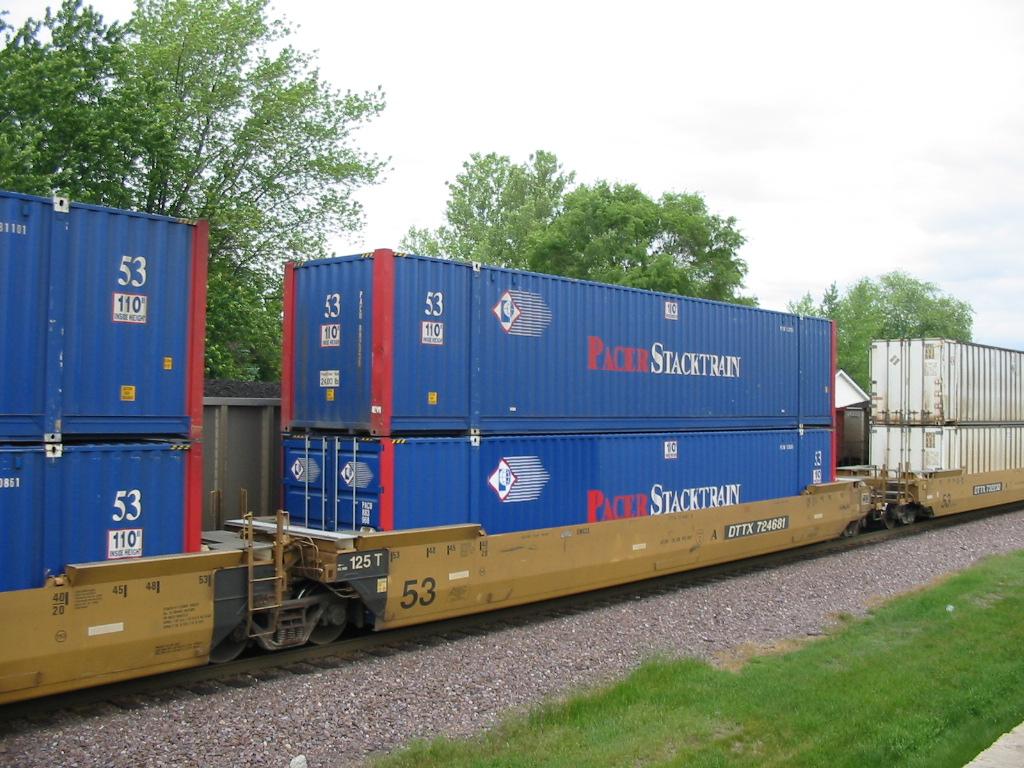
The main freight departure hubs in South Florida are Port Miami, Port Everglades in Fort Lauderdale, and the Port of Jacksonville. At these ports, freight forwarders receive, palletize, shrink-wrap, and secure any loose cargo. The event cargo is then placed into a 20-foot or 40-foot ocean container before being loaded onto a vessel bound for the Caribbean.
Getting Through Customs
Once a vessel docks at a Caribbean port, the cargo must go through a customs inspection process. Also, keep in mind that event equipment is shipped temporarily in most cases. Event managers should use available protocols, such as Importation Under Bond (TIB), to transport equipment without paying permanent processing fees.
Scheduling Event Freight
While standard retail operations can withstand a 2-day shipping delay, live events can't wait. A headline performance could be canceled if critical stage safety equipment doesn't arrive on time. Festival vendors can't sell goods that arrive two days late.
Advanced freight scheduling is essential. Event planners should assume that equipment and supplies could take two weeks or longer to arrive. When scheduling ocean transit, include a comfortable time buffer that accounts for customs backlogs, documentation reviews, and possible delays from weather.
Avoiding Penalties
Event teams must also account for possible port congestion, which could occur if the venue setup is delayed. While ocean liners may remain docked for a few days, penalties quickly accrue after the free time window expires. This process is called demurrage.
Negotiating extended storage fees can help lower demurrage costs.
Navigating Last-Mile Hurdles
Island terrain can pose obstacles for last-mile freight deliveries, with its narrow roads, steep mountain passes, and sharp turns. In some cases, standard US trailers may not be able to reach their final destinations.
Event managers must be ready to coordinate with local island freight providers to downsize cargo at nearby ports so it can safely fit onto smaller flatbed trucks. Moving high-value oversized loads, like large power generators, may require additional municipal permits and police escorts during night transports.
Securing Storage
Instead of shipping directly to the event venue, freight should safely arrive at a secure off-site warehouse first. It's also wise to have a storage solution for any early retail deliveries.
During event setup, drivers can unload the freight into on-site storage containers. These containers should be at least 20 feet tall and line the perimeter of the venue. Lockable, weatherproof containers also protect high-value supplies from sudden storms and theft.
Choosing the Right Logistics Partner
For Caribbean businesses sourcing festival merchandise or event supplies from US vendors, coordinating trucking, port transfers, and temporary storage can help keep shipments aligned with event schedules. When comparing solutions from experienced logistics providers, organizers should evaluate:
- Transportation coverage
- Freight handling capabilities
- Delivery timelines
- Storage options
Freight providers should understand event logistics and have the capacity to transport goods and assets to unconventional sites, such as unpaved fields, parks, or beaches. Specialized providers can better facilitate container-to-flatbed cargo transfers when moving high-value staging gear. Make sure climate-controlled storage is also available to protect event merchandise and perishables from the Caribbean's tropical heat.
Since events are time-sensitive, event planners should inquire about 24/7 freight transportation and coordinate with on-site festival staff to ensure seamless loading and unloading.
Creating a freight audit checklist can help anticipate and mitigate potential obstacles, like delays and oversized trucks. It can also narrow down factors to look for in a freight provider.
Make a Plan
Are you getting ready for an upcoming event in the Caribbean?
Don't leave your freight strategy until the last minute! Use this guide to kickstart your plan, beginning with a clear understanding of South Florida's ports, customs, scheduling, demurrage, storage, and how to find the right freight provider.
Make sure to follow us to get the latest Caribbean business and event tips!