

How AI Hair Filters Are Changing the Way People Explore New Hairstyles
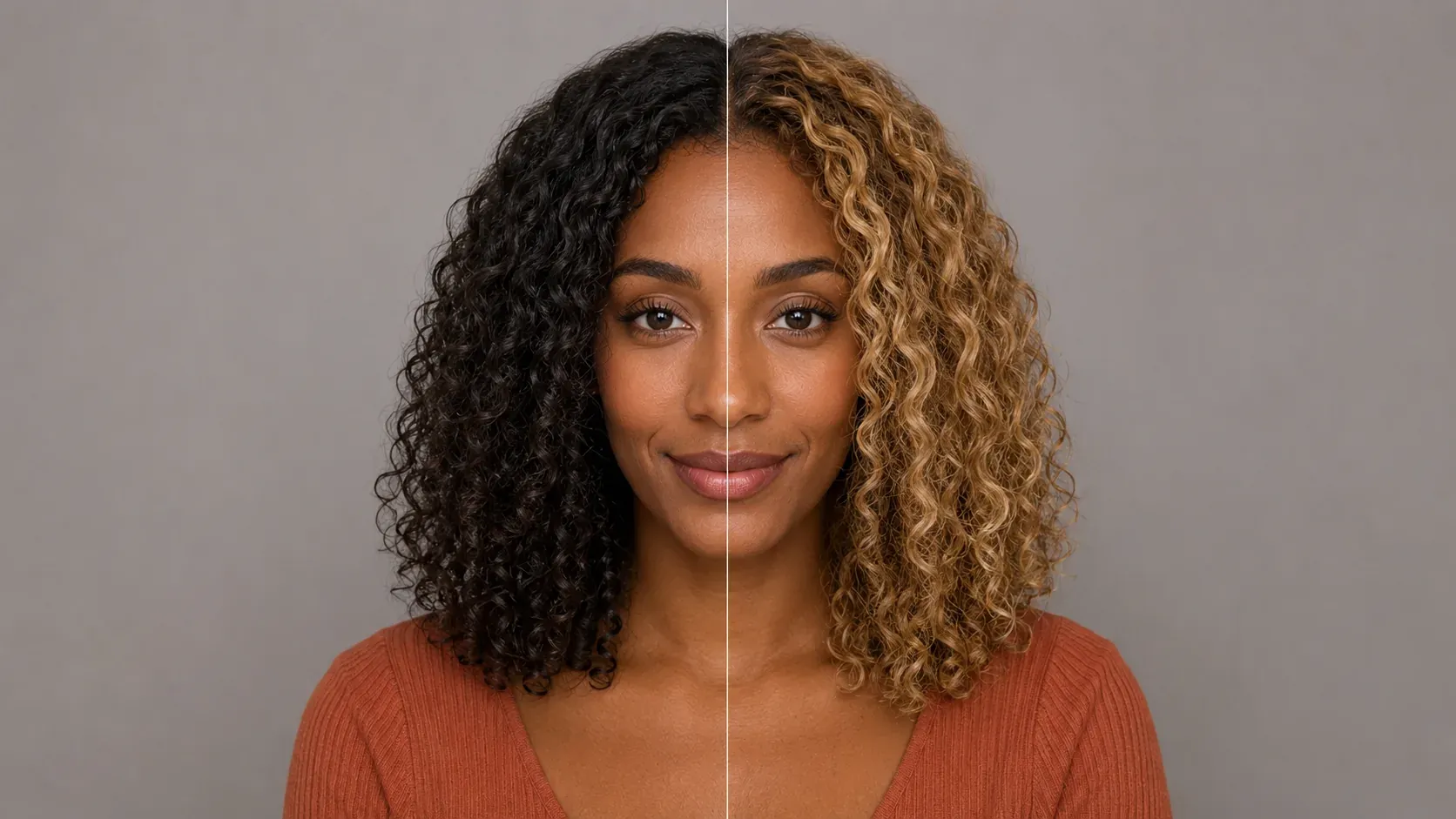
Key Points(5)
- Changing your hair has always come with a commitment attached.
- A haircut cannot be undone easily, and even temporary styling eats time and effort.
- Image-editing technology has given people a lower-stakes way to look at the options first.
- AI-powered hair filters can alter someone's appearance in a photograph, so bangs, fringes, different lengths and textures can all be tried on before anything happens with scissors.
- These tools sit inside a wider shift in consumer-friendly artificial intelligence.
Changing your hair has always come with a commitment attached. A haircut cannot be undone easily, and even temporary styling eats time and effort. Image-editing technology has given people a lower-stakes way to look at the options first. AI-powered hair filters can alter someone's appearance in a photograph, so bangs, fringes, different lengths and textures can all be tried on before anything happens with scissors.
These tools sit inside a wider shift in consumer-friendly artificial intelligence. No professional editing skill is needed. Plenty of applications will find the face and the hair area on their own and apply a realistic change within seconds.
What Is an AI Hair Filter?
An AI hair filter is a digital effect that changes how a person's hair looks in an image or a video. Depending on the technology behind it, it might add a fringe, adjust the length, change the color, or simulate a completely different hairstyle.
Basic overlays simply sat on top of a photo. Newer AI systems try to read the structure of the face and head, which lets the generated hairstyle follow the person's proportions and position more naturally. Some also account for lighting, shadows and which way the face is turned, though results swing a lot depending on the quality of the software and the original image.
If you are curious about bangs, a fringe hair filter gives you a quick visual reference without booking a haircut first.
Why People Use Virtual Hairstyle Technology
Experimentation is the obvious draw. Someone can like the idea of a particular cut and still have no idea whether it will suit their face shape. A digital preview gives them another perspective before they walk into a salon.
The filters also help when you are weighing several possibilities. Rather than working from imagination or photos of other people, you see the styles on your own face. That tends to make the conversation with a hairstylist more specific, because the customer already knows roughly what they are after.
Then there is convenience. The traditional version of this involves a salon visit, temporary styling products, or a lot of time spent creating one look. A digital preview takes a fraction of that.
How AI Recognizes Hair and Facial Features
This kind of editing runs on computer vision. The software reads the image and picks out the important elements: the face, forehead, hairline, eyes and the background around them.
Once it knows where those sit, it can work out where a new hairstyle belongs. The more advanced models generate or modify pixels instead of dropping a fixed graphic onto the photograph, which is why the result holds up across different head positions and facial proportions.
What AI does not do is read appearance the way a human stylist does. Complicated hairstyles, unusual lighting, accessories or a partly covered face all make the analysis harder. The quality of the photo you start with matters a great deal to the result you end up with.
The Role of Realism in Digital Hair Editing
Realism is the hardest part of this technology. Hair is thousands of individual strands catching light and moving. A convincing edit has to reproduce enough of that to keep the image from looking artificial.
Generative systems can build detailed textures now, but flaws still show up. Hair can look too smooth. Edges sometimes sit wrong. The generated style may not reflect how that haircut would actually behave in real life.
Treat these previews as visual concepts rather than precise predictions. An image can suggest how a fringe or a cut might look. It cannot account for hair thickness, natural growth patterns, how your curls behave, or how much styling the cut will demand.
Using Filters Responsibly
Hairstyle filters are built for entertainment and creative experimentation, and it is worth remembering where they stop. A generated image is no guarantee of what you will see in the mirror.
Anyone considering a major haircut should still talk the practical side through with a professional stylist. Hair texture, maintenance, face shape and the amount of daily styling involved all decide whether a particular cut is a good fit.
Privacy deserves a thought too. It is worth knowing what happens to the photographs you upload, how long they may be stored, and whether that content can be used to improve the service. Reading the privacy information before uploading personal images is a sensible precaution.
The Future of Virtual Hairstyle Experimentation
Hair filters will keep getting better as image generation and computer vision develop. Later systems may simulate hair texture, movement, lighting and individual facial characteristics in far more detail.
The technology could also turn more interactive. Instead of editing a single photograph, people may be able to preview hairstyles in video or through augmented reality, checking a style from several angles and under different lighting conditions.
For now, AI hair filters are a practical way to explore possibilities without committing to anything. They put image recognition, generative technology and creative editing together and turn hairstyle experimentation into something you can do in a minute. They will not replace professional advice or guarantee a real-world result, but they do help people picture an idea and reach a hairstyle decision with more confidence.

