

Hip Roofs, Historic Trees, and the Buckhead Homeowner's Guide to Roofing in Buckhead, GA
Key Points(5)
- That's what a Buckhead homeowner I know paid a crew to "fix" a leak, only to watch the same water stain bloom across her ceiling six weeks later.
- The real culprit was two valleys where a 1930s dormer met the newer addition, and nobody had ever pulled the flashing back to look.
- Roofs in this neighborhood are not like roofs in a new subdivision off the perimeter.
- The tree canopy is heavier, the pitches are steeper, and a lot of the housing stock predates modern underlayment standards.
- So the playbook you'd use in Alpharetta can cost you real money here.
Two hundred dollars. That's what a Buckhead homeowner I know paid a crew to "fix" a leak, only to watch the same water stain bloom across her ceiling six weeks later. The real culprit was two valleys where a 1930s dormer met the newer addition, and nobody had ever pulled the flashing back to look.
Roofs in this neighborhood are not like roofs in a new subdivision off the perimeter. The tree canopy is heavier, the pitches are steeper, and a lot of the housing stock predates modern underlayment standards. So the playbook you'd use in Alpharetta can cost you real money here. If you're sorting through contractors for roofing in Buckhead, GA, the first thing to understand is that your address comes with a specific set of conditions most bids ignore.
Below is what actually drives roof decisions in this zip code, plus a decision framework I call the Canopy Test that you can run yourself in an afternoon.
What makes a Buckhead roof different from any other Atlanta roof?
Three things, and they compound each other.
Old oak canopy. The mature hardwoods that make these streets look like a movie set drop debris year round, and branches sit close enough to scrape shingles during a routine summer gust. Shade also keeps roof surfaces damp longer after rain, which is where algae streaks start.
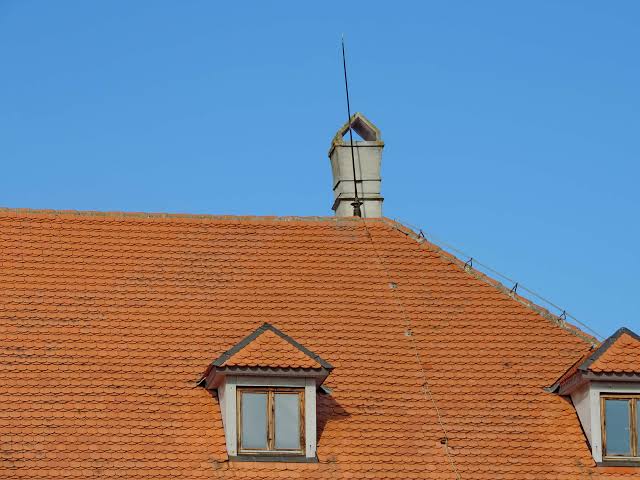
Architectural complexity. Dormers, gables, turrets, and additions stacked over decades create more valleys, more transitions, and more places for water to stall. Every one of those junctions is a leak candidate that a simple square-footage quote won't price.
Storm exposure. According to the National Weather Service, thunderstorms remain a routine seasonal feature across Georgia, and they bring the hail and wind that drive most insurance claims in the metro. You're not planning for a once-in-a-decade event. You're planning for a yearly pattern.
The Canopy Test: a five step walkaround you can do today
I'd rather you spend forty minutes on a Saturday than trust a salesperson's flashlight at dusk. Grab binoculars, a notepad, and a phone camera, then work through this in order.
- Look down before you look up. Walk the perimeter and note how much grit lands on your gutters. Heavy granule shedding on a roof under a decade old means the shingles are aging faster than the label promised.
- Trace every valley from the ridge to the eave. Photograph each one. Valleys are where 80 percent of the leaks I hear about originate, and they're the cheapest thing to inspect and the most expensive to ignore.
- Check the attic, not the ceiling. Water stains on sheathing, rusted nail tips, and daylight through the deck tell you more than a fresh patch of ceiling paint ever will.
- Note the branch clearance. Anything touching or hovering within a few feet of the plane is a candidate for trimming before the next storm season, not after.
- Write down your roof's age and material. If you don't know, ask. Three-tab, dimensional, and architectural shingles all have different life expectancies, and that single fact reframes the whole replacement conversation.
If two or more steps turn up a problem, get eyes on it professionally before you spend a dollar on anything else.
Asphalt shingles or something else? My honest take
Most Buckhead homes land on asphalt shingles, and for good reason. They're cost-effective, available in a wide range of profiles, and match the surrounding architecture without turning your house into a billboard.
But here's where I part with the crowd. If your home has a steep pitch and elaborate roofline, I'd put the money into the install quality before I put it into a premium shingle line. A top tier shingle nailed down by a crew that rushes the flashing will fail faster than a modest shingle installed with patience. The labor, not the label, is the variable you can't see from the curb. That's an unpopular opinion in a market where premium product upcharges are easy to sell, and I'll stand by it anyway.
Impact-resistant shingles are worth a serious look if your property has taken repeated hail hits, and they may affect your insurance premium. Ask your carrier directly rather than taking a contractor's word for it.
Reading a bid like someone who's done this before
A fair proposal tells you what happens at the edges, not just the field. Here's what I look for in writing before signing anything.
- The specific shingle brand and product line, not "architectural shingles."
- Whether old material removal and disposal are included or billed separately.
- Flashing and valley detail treatment, spelled out in words you can actually read.
- Evidence of active licensing and coverage. Georgia's contractor licensing board maintains a public lookup, and if safety practices come up during the conversation, note that fall protection is a regulated requirement under OSHA standards, not a courtesy.
- Manufacturer and workmanship warranty terms, with the exclusions highlighted.
If a bidder waves off the detail questions or pressures you to sign the same day after a storm, walk. The best crews in this neighborhood don't need a hard close.
Storm chasers, tree crews, and the timing trap
After a big system rolls through, out-of-state crews appear in Buckhead within days, and some of them are genuinely skilled. Others are gone by the time the leak shows up in October. Ask for a local address and a phone number that answers in six months.
Here's the timing trap nobody warns you about: material. Roofing supply chains tighten after regional storm events, and lead times stretch. If you're planning a replacement around a real estate deadline or an insurance adjuster's schedule, start the conversation with a contractor weeks before you think you need to. Waiting until the adjuster's report lands puts you at the back of the queue.
On the environmental side, old shingles have to be disposed of properly and many markets have recycling options for asphalt material. According to the Environmental Protection Agency, construction and demolition debris is a significant stream in the waste system, so it's fair to ask your contractor where your old roof actually goes.
A short note on gutters and the work nobody wants to pay for
Your roof and your gutters are one system, and a beautiful new roof that dumps water against the foundation is a future basement problem. Replace or repair gutters at the same time as the roof if you can. Doing them separately means paying twice for the same scaffolding, and the second crew inherits the first crew's mistakes. It's the least glamorous line item on the page, and it's the one I'd protect before I upgrade a shingle.
Your next move
You don't need a full inspection contract to solve most of what's on your roof. You need a Saturday, a pair of binoculars, and the discipline to walk the perimeter with your eyes open instead of your phone in your hand. Run the Canopy Test, write down what you find, and take that list to two contractors so you can compare apples to apples instead of comparing personalities.
What's the last thing that broke on your house that you didn't see coming? If the answer arrives with a water stain on your ceiling, you already know where to start.