Haitian-American pastor convicted in Miami over 2021 assassination of President Jovenel Moïse
Key Points(5)
- A federal jury in Miami on Wednesday convicted Haitian-American pastor Christian Emmanuel Sanon for his involvement in the 2021 assassination of Haitian President Jovenel Moïse, marking another major development in the U.S.
- investigation into the killing.
- Sanon, a Florida resident who holds dual U.S.
- and Haitian citizenship, was found guilty on eight federal charges following a trial that lasted nearly eight weeks.
- The charges included conspiracy to kidnap or kill a person outside the United States.
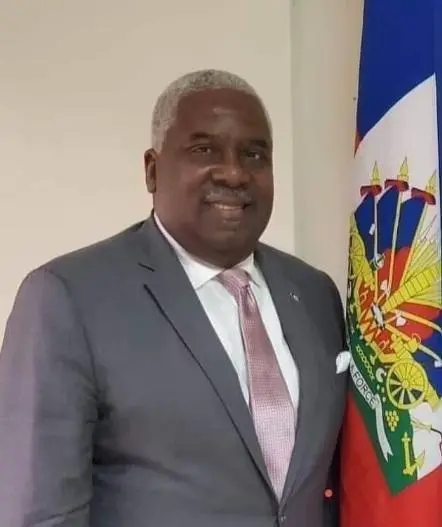
A federal jury in Miami on Wednesday convicted Haitian-American pastor Christian Emmanuel Sanon for his involvement in the 2021 assassination of Haitian President Jovenel Moïse, marking another major development in the U.S. investigation into the killing.
Sanon, a Florida resident who holds dual U.S. and Haitian citizenship, was found guilty on eight federal charges following a trial that lasted nearly eight weeks. The charges included conspiracy to kidnap or kill a person outside the United States.
He faces a possible life sentence and is scheduled to appear in court for sentencing on Feb. 10, 2027.
Moïse was assassinated on July 7, 2021, when a group of armed men, including former Colombian military personnel, stormed his private residence near Port-au-Prince. His wife, Martine Moïse, was wounded in the attack.
The assassination created a political vacuum that continues to affect Haiti, which has struggled with worsening gang violence, political instability and the absence of an elected president.
During the trial, federal prosecutors presented evidence that Sanon participated in a conspiracy organized partly in South Florida to remove Moïse from office and establish a new government.
Investigators identified Sanon as an early candidate to replace the Haitian president. Prosecutors argued that he helped secure financial backing for the operation and coordinated arrangements for individuals traveling to Haiti.
The plan involved Florida-based security businesses that stood to receive lucrative government contracts if the effort to replace Moïse succeeded, according to federal investigators.
Sanon disputed the prosecution's account of his involvement. Testifying in his defense, he acknowledged having contact with individuals seeking political change in Haiti but maintained that he was no longer their preferred presidential candidate by the time Moïse was killed.
He also denied knowing about any plan to assassinate the president.
Federal investigators have linked the assassination conspiracy to a network of individuals operating in Haiti, Florida and other countries. The investigation has resulted in numerous arrests and convictions, including several defendants who have received life sentences.
Sanon's conviction follows the May 2026 trial of four other defendants — Arcangel Pretel Ortiz, Antonio Intriago, Walter Veintemilla and James Solages — who were found guilty of federal offenses connected to the assassination plot. They are awaiting sentencing.
The case has also involved the transfer of suspects from Haiti to the United States as American authorities continue pursuing individuals accused of participating in the operation.
More than five years after Moïse's death, Haiti remains without an elected president. The country is preparing for general elections in 2027 amid persistent insecurity and uncertainty over its political future.
Sanon remains in federal custody pending sentencing.