Haiti targets late-2026 elections despite gang violence, humanitarian crisis
Key Points(5)
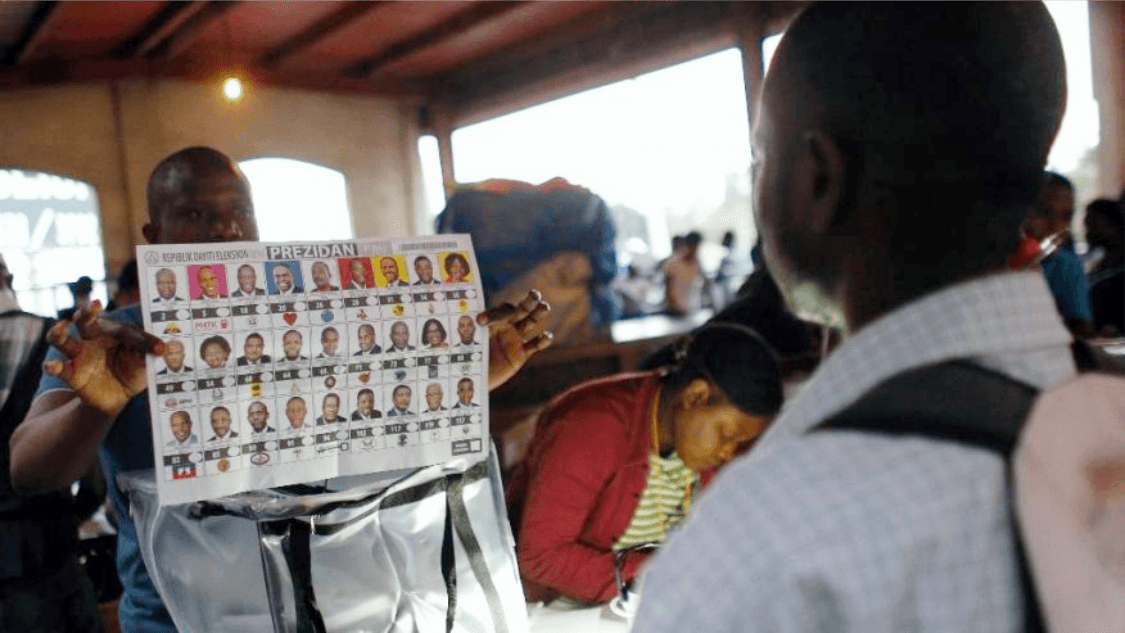
- Haiti is moving ahead with plans to hold long-delayed elections by the end of 2026, as authorities seek to restore democratic governance after years of political instability, even as armed gangs continue to control large areas of the country and fuel a worsening humanitarian crisis.
- The United Nations said preparations for elections have accelerated in recent months, with a US$120 million election budget approved.
- Officials hope the first round of voting can take place before the end of 2026, paving the way for an elected president to take office in February 2027.
- Haiti has not had an elected president since the assassination of President Jovenel Moïse in July 2021.
- Political instability, insecurity and the growing influence of armed gangs have repeatedly delayed efforts to return the country to constitutional rule.
Haiti is moving ahead with plans to hold long-delayed elections by the end of 2026, as authorities seek to restore democratic governance after years of political instability, even as armed gangs continue to control large areas of the country and fuel a worsening humanitarian crisis.
The United Nations said preparations for elections have accelerated in recent months, with a US$120 million election budget approved. Officials hope the first round of voting can take place before the end of 2026, paving the way for an elected president to take office in February 2027.
Haiti has not had an elected president since the assassination of President Jovenel Moïse in July 2021. Political instability, insecurity and the growing influence of armed gangs have repeatedly delayed efforts to return the country to constitutional rule.
However, the UN warned that holding credible elections will depend on significant improvements in security.
Armed groups continue to control several communities in the capital, Port-au-Prince, and have expanded their influence into other parts of the country. Their control of neighborhoods and major roads has created challenges for voter registration, the movement of election materials and ensuring the safety of citizens and election officials.
Security gains offer cautious optimism
Despite the challenges, Haitian authorities have reported some progress in efforts to combat gangs.
Specialized police units have pushed criminal groups out of several strategic areas in Port-au-Prince, reopening some major roads and allowing government institutions to return to parts of the city center.
A UN-backed international security initiative, the Gang Suppression Force, began operations in June to support Haitian authorities in reclaiming areas controlled by criminal organizations. During one operation, officers arrested 14 suspects and seized hundreds of Molotov cocktails.
Two specialized judicial units have also begun investigating mass crimes, sexual violence and major financial crimes linked to the country's security crisis.
Still, the UN cautioned that gangs remain capable of launching deadly attacks, extorting communities and disrupting daily life.
Humanitarian crisis threatens recovery
The push toward elections comes as Haiti faces one of the world’s most severe humanitarian emergencies.
More than half of the country’s estimated 11 million people require humanitarian assistance, including 6.4 million people in need of aid and 1.47 million people displaced from their homes, largely due to violence.
More than 5.8 million Haitians are expected to face hunger this year, while violence continues to disrupt healthcare, education and access to clean water.
The 2026 humanitarian appeal for Haiti, seeking US$880 million, remains severely underfunded. By mid-June, only 25% of the requested funding had been received, limiting humanitarian operations.
Violence remains a major obstacle
Gang violence remains the biggest threat to Haiti’s recovery, with rival groups fighting for territorial control and using intimidation, kidnappings and sexual violence against civilians.
In one major outbreak of violence in the Cité Soleil area of Port-au-Prince earlier this year, at least 542 people were killed and 355 injured. The UN reported that at least 176 women and girls were raped during the violence.
Children have also been heavily affected, with many displaced from their homes, exposed to extreme violence or recruited by armed groups.
Road ahead remains uncertain
The UN said Haiti’s political, security and humanitarian challenges are closely connected, warning that elections cannot succeed without improved security, and security gains will be difficult to maintain without stronger governance.
Key priorities identified by the UN include reducing the ability of gangs to operate, creating conditions for safe elections, protecting women and girls, strengthening the justice system and securing more funding for humanitarian operations.
Despite the challenges, Haitian authorities and international partners say restoring democratic institutions remains a critical step toward rebuilding the country.