Haiti imposes Ebola prevention measures, including 21-day pre-entry confinement rule
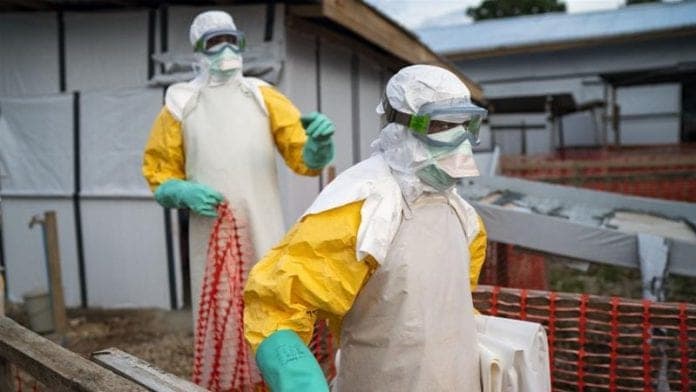
Key Points(5)
- Haiti’s Minister of Public Health Bertrand Sinal has announced a series of precautionary measures aimed at preventing the possible introduction of Ebola into the country, citing limited national capacity to manage a large-scale outbreak.
- The measures include a requirement for a 21-day period of confinement in a third country not affected by Ebola for any individual traveling from the Democratic Republic of Congo or Uganda, where active outbreaks have been reported.
- Both countries have recorded significant case numbers, including more than 1,100 infections and over 300 deaths in eastern regions of the DRC, according to health authorities.
- Under the new protocol, all affected travellers must also undergo a full medical evaluation prior to entry into Haitian territory.
- Regional surveillance expanded Authorities have also placed 10 countries bordering the outbreak zones under close monitoring.
Haiti’s Minister of Public Health Bertrand Sinal has announced a series of precautionary measures aimed at preventing the possible introduction of Ebola into the country, citing limited national capacity to manage a large-scale outbreak.
The measures include a requirement for a 21-day period of confinement in a third country not affected by Ebola for any individual traveling from the Democratic Republic of Congo or Uganda, where active outbreaks have been reported. Both countries have recorded significant case numbers, including more than 1,100 infections and over 300 deaths in eastern regions of the DRC, according to health authorities.
Under the new protocol, all affected travellers must also undergo a full medical evaluation prior to entry into Haitian territory.
Authorities have also placed 10 countries bordering the outbreak zones under close monitoring. These include South Sudan, Rwanda, Kenya, Tanzania, Ethiopia, Republic of Congo (Brazzaville), Burundi, Angola, the Central African Republic, and Zambia.
Health officials say the heightened surveillance is intended to track potential cross-border transmission risks and strengthen early warning systems across the region.
Sinal said the decision was driven by concerns over Haiti’s ability to respond to a major infectious disease outbreak, noting that the national health system is already under severe strain.
“We made these decisions because the Haitian health system is not ready to face a possible Ebola epidemic if the virus were to enter the national territory,” he said.
He added that the Ministry of Public Health lacks the logistical capacity and territorial control required to impose a nationwide quarantine or manage large-scale isolation facilities, given that existing infrastructure is largely focused on addressing the ongoing humanitarian and hospital crisis in Port-au-Prince.
The Ministry of Public Health has formally informed the Ministry of the Interior and the National Airport Authority (AAN) of the new measures. Officials said enforcement teams will be deployed at key points of entry to ensure compliance with the protocols.
The policy is expected to be applied through coordination between border control agencies, health authorities, and aviation officials.
International and humanitarian organizations operating in Haiti have also been advised of the new requirements. Many are expected to implement their own preventive isolation procedures and 21-day screening protocols for staff before deployment to the country.
Health officials say the coordination with aid agencies is intended to reduce the risk of importation while maintaining continuity of humanitarian operations in Haiti, which remains heavily dependent on external support amid ongoing instability.
The announcement reflects broader regional concern over Ebola containment and highlights the precautionary steps being taken by countries with limited outbreak-response capacity.