Haiti and Guyana trail Caribbean in life expectancy as Barbados and Jamaica lead region
Key Points(5)
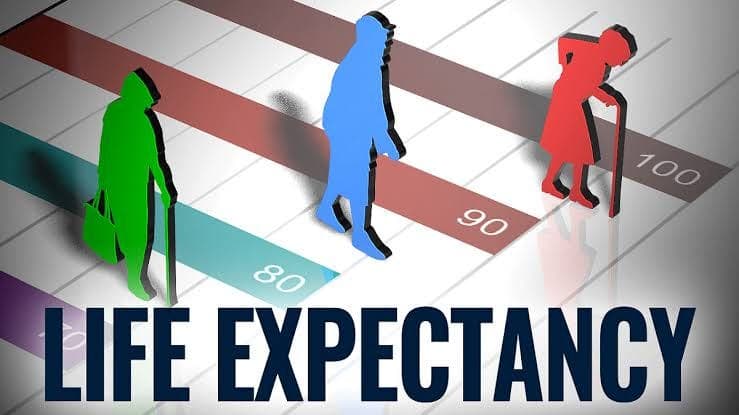
- Across the wider Caribbean subregion, average life expectancy stands at approximately 77.8 years, according to the UNDP findings.
- However, the report notes that within the Caribbean itself, life expectancy ranges more broadly from about 66 to 76 years.
- When measuring healthy life expectancy, the figures fall below 70 years across all countries, with relatively limited variation between nations.
- The UNDP attributes these disparities to a combination of structural and social factors, including differing risk profiles, variations in health system capacity, and broader socioeconomic conditions.
- It notes that governance plays a central role in determining access to healthcare services and in shaping how effectively countries can respond to health inequalities.
Most Caribbean countries have recorded notable improvements in life expectancy over recent decades, but new analysis from the United Nations Development Programme (UNDP) highlights persistent gaps within the region and growing pressure on health systems driven by chronic disease, climate risk, and post-pandemic setbacks.
The report, released in the Dominican Republic on Monday and titled “Democracies Under Pressure: Reimagining the Futures of Democracy and Development in Latin America and the Caribbean,” shows that while countries such as Barbados, Jamaica, Antigua and Barbuda, and Trinidad and Tobago rank among those with the highest life expectancy in the Caribbean, Guyana and Haiti remain at the lower end of the scale.
Across the wider Caribbean subregion, average life expectancy stands at approximately 77.8 years, according to the UNDP findings. However, the report notes that within the Caribbean itself, life expectancy ranges more broadly from about 66 to 76 years. When measuring healthy life expectancy, the figures fall below 70 years across all countries, with relatively limited variation between nations.
The UNDP attributes these disparities to a combination of structural and social factors, including differing risk profiles, variations in health system capacity, and broader socioeconomic conditions. It notes that governance plays a central role in determining access to healthcare services and in shaping how effectively countries can respond to health inequalities.
“Strong institutional systems allow for the planning of infrastructure investments, the appropriate distribution of health service workforce and the design of financing mechanisms that reduce territorial and social disparities,” the report states. It adds that effective governance frameworks help mitigate the social determinants of health and reduce the extent to which illness contributes to poverty and exclusion.
The 323-page report also underscores the impact of the COVID-19 pandemic on regional health progress. While several Caribbean countries expanded vaccination campaigns and coordinated responses effectively, the pandemic disrupted preventive care and chronic disease management programs, slowing progress toward Universal Health Coverage.
At the same time, the region is undergoing what the UNDP describes as a complex epidemiological transition. Noncommunicable diseases such as diabetes, hypertension, and cardiovascular illness now account for a significant share of morbidity and mortality, placing increased pressure on primary healthcare systems that are often already under-resourced.
Access to healthcare services, the report notes, remains uneven both between and within countries. Although Caribbean Community (CARICOM) member states have adopted laws and policies aimed at improving immunization coverage and addressing chronic disease prevention, implementation gaps persist due to limited coordination, workforce shortages, and financial constraints—particularly in small island states with constrained labor markets and high levels of migration among healthcare professionals.
The report further highlights structural vulnerabilities exposed by the pandemic, including weaknesses in hospital infrastructure, supply chains, and health information systems. It also points to the region’s high dependence on imported pharmaceuticals and medical supplies, which increases exposure to global disruptions.
Natural disasters and climate change are identified as additional stressors, compounding the strain on already fragile systems and further challenging governments’ ability to deliver consistent healthcare services.
The UNDP concludes that strengthening resilience in Caribbean health systems will require sustained investment in infrastructure and human capital, alongside improved governance, planning, and regional cooperation. It emphasizes that equitable access to healthcare is not only a public health objective but also a cornerstone of social stability and democratic legitimacy.
“In small democracies that are highly exposed to external shocks, the state’s capacity to protect the health of its population becomes a tangible indicator of legitimacy and an indispensable condition for social cohesion and democratic stability,” the report states.