

From British Classic to Caribbean Icon: The Vehicle With a Long Connection to Island Life
Key Points(5)
- Some vehicles become memorable because of their performance.
- Others earn a place in popular culture because of their design, the people who drive them, or the places where they are seen.
- The Mini Moke belongs to the second group.
- Originally conceived as a military utility vehicle in Britain, it found a very different identity among beachgoers, travelers, and fans of open-air motoring.
- Its connection to the Caribbean helped shape that identity.
Some vehicles become memorable because of their performance. Others earn a place in popular culture because of their design, the people who drive them, or the places where they are seen. The Mini Moke belongs to the second group. Originally conceived as a military utility vehicle in Britain, it found a very different identity among beachgoers, travelers, and fans of open-air motoring.
Its connection to the Caribbean helped shape that identity. Against a backdrop of colorful island towns, coastal roads, and beach destinations, the compact vehicle became associated with a relaxed approach to getting around. Decades later, its distinctive design continues to influence the modern Moke.
From Military Concept to Leisure Vehicle
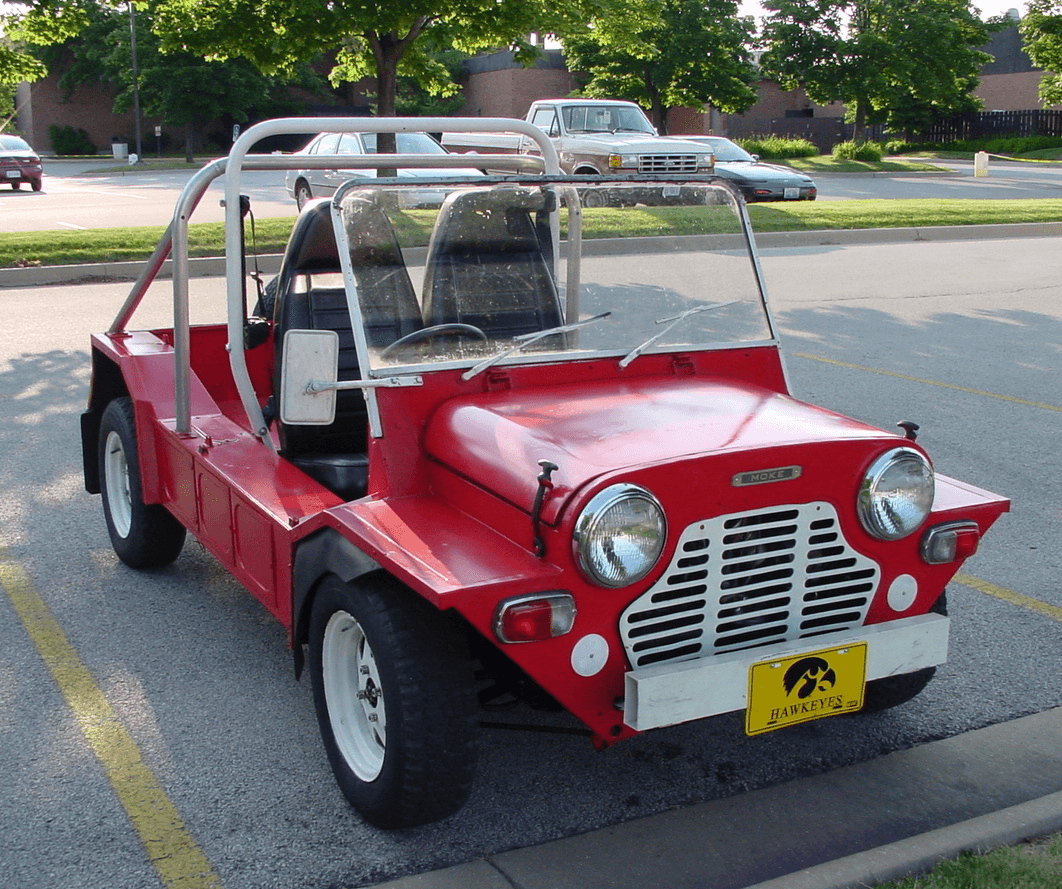
The original Mini Moke emerged from a British Motor Corporation project in the late 1950s. Designed by Alec Issigonis, the engineer behind the original Mini, it was intended to serve as a lightweight military vehicle. Its compact construction and open body were meant to make it practical for military use, including transport by aircraft.
The design did not prove well suited to the demands of military service. However, the vehicle's simplicity and open-air layout found an audience elsewhere. As production moved into civilian markets, the Moke began attracting drivers who wanted something different from a conventional passenger car.
Its appeal was easy to understand. The vehicle had a distinctive shape, an uncomplicated layout, and an outdoor feel that suited recreational driving. Rather than disappearing after its original purpose failed to gain traction, the Moke developed a second life.
Why the Caribbean Became Part of Its Story
The Caribbean provided a natural setting for the Moke's transformation. Across the islands, visitors have long looked for practical ways to explore beaches, resort areas, and local communities without spending every journey inside a conventional car.
The Moke's open design and compact proportions made it a recognizable presence in island leisure culture. Historical accounts describe its popularity as a rental vehicle in several Caribbean destinations, including Barbados, St. Lucia, and Antigua. Its association with warm-weather travel became an important part of its identity.
The vehicle also benefited from its distinctive appearance. Unlike many utilitarian vehicles, the Moke had a playful character that suited holiday settings. Its simple body and open cabin made it easy to recognize in photographs and travel memories.
That association was reinforced by popular culture. In the 1973 James Bond film Live and Let Die, Roger Moore's Bond drives a white-and-blue Moke on the fictional Caribbean island of San Monique. The appearance connected the vehicle with a cinematic version of island life and added another chapter to its public image.
A Design That Outlasted Its Original Purpose
The Moke's history illustrates how a vehicle can find lasting appeal beyond the reason it was first created. Its military origins became a footnote as the design gained recognition among leisure drivers and collectors.
That transition also shows the value of a recognizable silhouette. Automotive trends change, but a distinctive shape can remain familiar across generations. The Moke's open body, upright proportions, and straightforward styling set it apart from conventional cars.
Its appeal has never depended solely on speed or luxury features. Instead, it has been tied to the experience of driving: enjoying the surroundings, taking shorter journeys, and choosing a vehicle that feels different from everyday transportation.
The Modern Moke Carries the Story Forward
Today, the original concept has inspired modern versions that retain the open-air character while adopting newer technology. Moke America offers an all-electric interpretation of the classic design for the US market.
The modern vehicle combines retro styling with electric power, seating for four, and a manufacturer-stated range of up to 80 miles per charge. Its top speed is up to 45 mph, making it better suited to appropriate local roads and leisure trips than long-distance highway travel. Buyers should confirm road access, registration requirements, charging availability, and local regulations before choosing one.
The modern version is not the same vehicle that first appeared in the 1960s, and its specifications should be considered separately from those of historical models. What connects them is the design philosophy: an open layout, a recognizable profile, and an emphasis on recreational driving.
The Caribbean remains an important part of the Moke story, but the historical association should not be confused with proof that the current electric model is available in every island destination. Availability and road requirements vary by location.
A Lasting Connection Between Vehicles and Place
The Moke's journey from a British military project to a leisure vehicle associated with Caribbean travel is an example of how geography and culture can reshape a product's identity. A design created for one purpose found a different audience in places where its character made sense.
That history is part of what makes the Moke distinctive today. Its story reaches beyond engineering and specifications into film, travel, and the changing ways people use vehicles for recreation.
Not every vehicle needs to become a performance icon to leave a lasting mark. Sometimes, a recognizable design and a strong connection to a place are enough to make it memorable for generations.