
Filming a Steelpan Rehearsal with a Storyboard from Seedance 3.0
Key Points(5)
- For a short portrait of a South Florida steelpan group, I would begin with someone waiting for their cue.
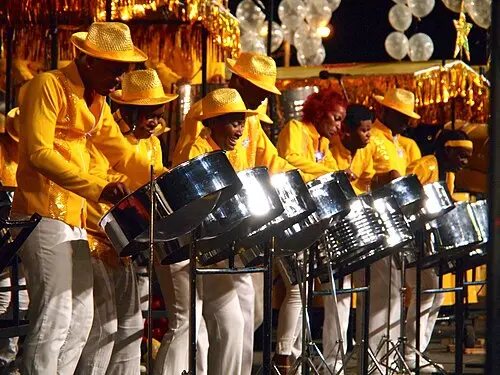
- We see mallets hovering above a pan, with just enough of the room visible to place the player in a circle.
- Then the count comes and several players enter together.
- The story can follow the distance between that quiet moment and the sound of a rehearsal in full swing.
- A community video has a chance to let people see how the music is made, especially when an audience at a performance usually faces the whole ensemble from a distance.
For a short portrait of a South Florida steelpan group, I would begin with someone waiting for their cue. We see mallets hovering above a pan, with just enough of the room visible to place the player in a circle. Then the count comes and several players enter together. The story can follow the distance between that quiet moment and the sound of a rehearsal in full swing. A community video has a chance to let people see how the music is made, especially when an audience at a performance usually faces the whole ensemble from a distance.
I would ask a participating group which section of rehearsal it is comfortable sharing, then plan two or three angles around the players’ normal setup. My materials for a storyboard would come from the room: a photo of the pans and stands, a short original clip to show the position of the hands and a guide recording made with permission. I could build a moving plan in seedance 3.0 before bringing a camera into a crowded practice space. The final portrait would use the group's own sound and performance footage.
Find the angle that shows an entrance
My opening frame would stay close to one player's hands and leave room for a second set of mallets at the edge. If the frame is too tight, the audience sees a gesture without hearing how it belongs to the group. If it is too wide, the preparation can get lost among stands and chairs. I would ask the group leader to show me where players usually look for the count. A slight change in the height of the camera can let that cue appear in the frame without shifting attention away from the instruments.
Seedance 3.0 can turn a starting photo and written directions into a motion sketch. I would request a fixed view of the instrument with a short pause before the first movement. I would compare two versions with different framing. In one, much of the pan fills the lower part of the picture. In the other, the edges of nearby instruments show that there is an ensemble around the player. If the draft loses the pan’s recognizable shape, I would use the still as a framing guide and time the action with real rehearsal footage.
Let a wider shot show how the parts relate
The second shot would come from the edge of the room. I would aim across two or three parts of the group so the audience can watch players enter and respond to one another. Before settling on a camera position, I would listen to the segment and ask which player gives a useful visual cue. A person at the side of the frame can sometimes give the clearest sense of when a part begins. I would avoid making the whole group repeat a difficult passage for a camera move when a careful choice of angle can tell the story in real time.
In Seedance 3.0, I would give the model a room still and a short video reference for the kind of movement the camera can make. I might try a restrained move past the end of a row of stands, then a steady frame from the same spot. If the movement hides the player whose entrance matters, I would keep the wide shot still and use the close-up for the change of pace. This also makes it easier to synchronize the real rehearsal audio. For sound and visual continuity, I would keep the cameras rolling through one full pass of the selected passage.
Treat the audio as the centre of the edit
I would record a clear version of the rehearsal and use that performance as the main track. The sound of the count can begin during the close-up. When the second part enters, the film can show where it comes from in the room. I would give the camera a short stretch of time where the audience can watch and listen without narration. A sentence from one of the players can sit before or after the chosen section, with captions so the story also plays clearly on muted feeds. Their words can give a first-time viewer a specific thing to listen for.
A guide track in Seedance 3.0 could help me explore how quickly registered movement needs to happen after the count. I would use a recording only with the group's consent and keep the generated timing tests separate from the actual performance. If I have two useful camera plans, I would check seedance 3.0 pricing before committing to more moving drafts and choose the angle that is hardest to test with stills. One clean reference for the first cut may be enough. The arrangement, sound and playing in the finished story would all come from the recording I make with the musicians.
End where the group can recognize itself
I would finish a little after the music stops. An exchange between players, the sound of someone lowering the mallets or a question about where to start again can return the viewer to the room. If the portrait is for a community event, the caption can include details the group has verified. I would keep that information separate from the rehearsal footage so the portrait remains watchable after the event. I would also let the members review how the cut represents their instruments and roles before I make the final export.
When I compare the Seedance 3.0 sketch with the finished piece, I would concentrate on the cuts around the count and the first response from another part of the ensemble. If I notice that the angle shows the sound arriving a little too late, I would cut earlier and let the note catch up. If the close-up makes the first player seem isolated, I would add a glimpse of the others waiting for the same cue. The best version should give someone who has never attended a rehearsal a sense of where to look, what to listen for and how a group finds its entrance together.