
European Car Ownership in Malaysia: Keeping Repair Bills Under Control
Key Points(5)
- Depreciation has made continental cars absurdly accessible in Malaysia.
- A BMW or Mercedes that left the showroom above three hundred thousand ringgit can be had, five or six years later, for the price of a new local SUV.
- The purchase is the easy part.
- What separates happy owners from bitter ones is what happens at the workshop over the following years.
- The horror stories are real, but they usually happen to owners who run their continental car the same way they ran their Proton.
Depreciation has made continental cars absurdly accessible in Malaysia. A BMW or Mercedes that left the showroom above three hundred thousand ringgit can be had, five or six years later, for the price of a new local SUV. The purchase is the easy part. What separates happy owners from bitter ones is what happens at the workshop over the following years.
The horror stories are real, but they usually happen to owners who run their continental car the same way they ran their Proton. A European car does not forgive that. Run it with a system, and the costs become surprisingly manageable.
Why the bills get ugly
Three things inflate continental repair bills here. First, parts pricing through official channels follows international rates plus import costs, so even routine components carry premium price tags. Second, some parts are not stocked locally and need to be ordered, which means waiting weeks while the car sits. Third, the engineering is denser: more sensors, more modules, more things that can ask for attention as the mileage climbs.
None of this is a reason to avoid these cars. It is a reason to stop paying full retail for every fix.
Source the parts smarter
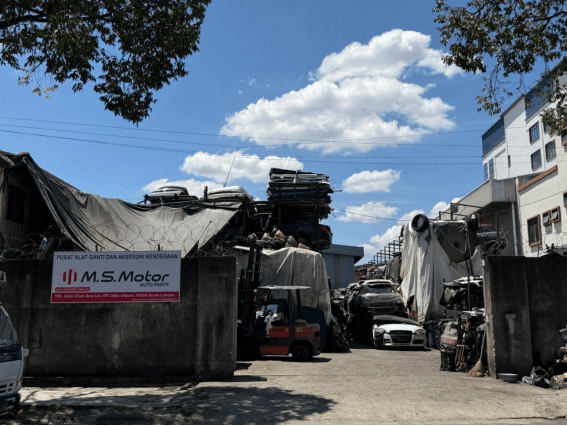
The single biggest lever is where your replacement parts come from. Malaysia has a mature ecosystem for used original European car parts in Malaysia thanks to the halfcut trade, where complete donor cars are imported and their components recovered, tested and resold. These are genuine parts from the same manufacturer that built your car, not aftermarket imitations, at a fraction of the new price.
The quality question is fair, and the answer lies in how you choose the supplier. A serious used parts specialist tests components before selling, keeps real stock so you are not waiting on shipments, and stands behind parts with a warranty. Those three markers separate professional operations from the grab-and-go lots. When a compressor or alternator fails on an eight-year-old car, the difference between a new unit and a tested original used one can be the difference between a painful bill and a reasonable one.
Diagnose before you spend
The second lever costs almost nothing: never replace a part based on a guess. Every modern car logs fault codes when something goes wrong, and reading them takes a cheap scanner or a five-minute workshop scan.
The discipline that saves money is to look the fault code up before agreeing to any repair, so you know what the code actually points to and which parts are usually behind it. A misfire code does not automatically mean new plugs. A catalyst efficiency code often traces back to a worn sensor rather than the converter itself. Owners who walk into a workshop already knowing their code, and its usual suspects, get quoted differently from owners who walk in blind. Information changes the conversation.
Choose the workshop relationship deliberately
Continental cars reward loyalty to one competent workshop. A mechanic who has serviced your car for two years knows its history, notices changes early, and has no incentive to invent work. Hopping between the cheapest quotes means every visit starts from zero.
The green flags are consistent: they show you the old part after replacement, they explain the fault code rather than waving it away, and they will tell you when a repair can wait. The red flag is a quote that arrives before any diagnosis.
Maintain on schedule, not on symptom
The cheapest repair remains the one that never happens. Oil intervals on turbocharged European engines are not suggestions, transmission fluid has a service life regardless of what the salesman claimed, and cooling systems on aging continental cars deserve proactive attention because overheating is the single fastest way to turn a four-digit repair into a five-digit one.
Keep records of everything. A documented service history protects resale value, and it turns your car from a mystery box into a known quantity.
The honest math
Run the numbers over three years and the picture is clear. An owner who diagnoses before repairing, sources tested original used parts for the big-ticket items, and maintains on schedule will spend a fraction of what the horror-story owner spends, while driving the same badge. The car was never the problem. The system, or the lack of one, always was.


