Dominica to begin issuance of voter ID cards as electoral reform advances
Key Points(5)
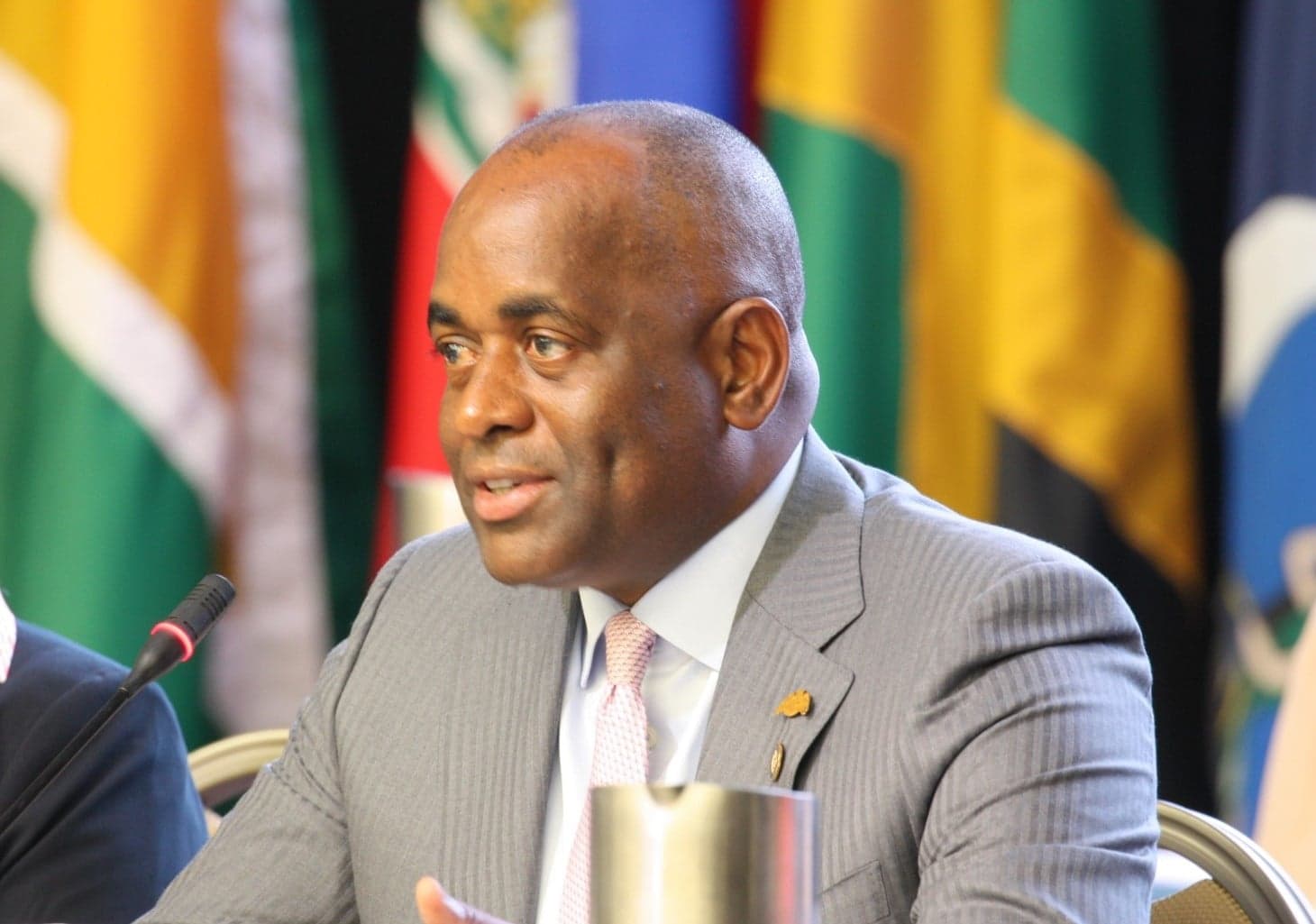
- Dominica – Prime Minister Roosevelt Skerrit says the issuance of voter identification cards is expected to begin by the end of this month, marking what he described as a major step in the country’s ongoing electoral reform programme.
- Addressing a news conference on Thursday, Skerrit said his administration remains committed to completing what he called the most comprehensive electoral reform effort in Dominica’s history.
- “After years of consultation with political parties, civil society, regional and international experts and other stakeholders, Parliament unanimously enacted legislation to modernise our electoral system.
- We have now moved from legislation to implementation,” Skerrit said, adding that the rollout of voter identification cards will represent “another important milestone”.
- He said the ruling Dominica Labour Party (DLP) has been encouraging its supporters to participate in the voter confirmation process, describing democratic participation as a shared responsibility.
Dominica Prime Minister Roosevelt Skerrit says the issuance of voter identification cards is expected to begin by the end of this month, marking what he described as a major step in the country’s ongoing electoral reform program.
Addressing a news conference on Thursday, Skerrit said his administration remains committed to completing what he called the most comprehensive electoral reform effort in Dominica’s history.
“After years of consultation with political parties, civil society, regional and international experts and other stakeholders, Parliament unanimously enacted legislation to modernize our electoral system. We have now moved from legislation to implementation,” Skerrit said, adding that the rollout of voter identification cards will represent “another important milestone”.
He said the ruling Dominica Labour Party (DLP) has been encouraging its supporters to participate in the voter confirmation process, describing democratic participation as a shared responsibility. He also urged other political parties, civic organizations and community groups to do the same.
Electoral reform in Dominica has been a longstanding political issue, with the opposition United Workers Party (UWP) and Dominica Freedom Party (DFP) previously boycotting a general election over concerns about the voters’ list and the absence of voter identification cards.
In June 2024, former Caribbean Court of Justice (CCJ) president Sir Dennis Byron submitted a report on electoral reform to the government, following his role as sole commissioner overseeing reform efforts.
The boycott resulted in the DLP winning 19 of 21 seats, with the remaining two going to independent candidates.
Parliament subsequently passed legislation aimed at modernizing the electoral system, including provisions for voter ID cards and stricter voter registration processes. The government is now conducting an island-wide voter confirmation exercise to update the electoral register.
Skerrit said recent debate about the size of the voters’ list compared with the estimated voting-age population reflects a misunderstanding of the Electoral Commission’s role.
He said the Commission is responsible for ensuring “every eligible citizen [has] a lawful and accessible opportunity to register and confirm their registration,” adding that participation cannot be compelled.
“In every democracy, some eligible citizens choose not to register immediately, some delay registration for years, and others living overseas may decide not to participate. Those are personal choices. There is no constitutional or legal requirement that the final register must equal, or even closely approximate, the estimated number of eligible voters,” he said.
He added that the law does not set numerical targets as a measure of legitimacy.
“It does not establish numerical targets as a test of legitimacy. The integrity of the register should therefore be judged by whether those included are legally entitled to vote and not by whether every eligible citizen has exercised that right,” Skerrit said.
He also cited an example of a citizen registering later in life. “I knew of a gentleman who got registered to vote for the first time at the age of 56. saying ‘that was his democratic right and certainly not a failure of the Electoral Commission.’”
Skerrit further noted that citizens retain the right not to register or vote if they choose.
“The right to vote also includes the freedom not to register or vote, provided the opportunity exists. I therefore encourage every eligible Dominican who has not yet completed the confirmation process to do so without delay,” he said.
He said the reforms are intended to strengthen democracy by ensuring accurate registration and safeguarding the constitutional right to vote.
Turning to the upcoming Roseau North by-election, Skerrit said the DLP will approach the contest “with humility, respect for the democratic process and confidence in the record we have presented to the people over the past two decades”.
The party has selected economist and businesswoman Ashma McDougall as its candidate, following the resignation of Miriam Blanchard, Minister of Labour, Public Service Reform, Social Partnership, Entrepreneurship and Small Business Development, who stepped down due to health reasons.
The opposition United Workers Party (UWP) has nominated former legislator Danny Lugay as its candidate.
Skerrit said the DLP continues to focus on leadership development and community engagement.
“We also believe that meaningful development requires listening to communities, engaging citizens and ensuring that people have a genuine voice in shaping our country’s future,” he said.
He urged voters in Roseau North to participate actively in the by-election.
“Elections are about choosing the future, and I remain confident that the people will choose continued progress, stability and opportunity,” he added.