Dominica could supply freshwater to Caribbean neighbors amid dry season concerns
Key Points(5)
- Dominica could play a greater role in strengthening regional water security by supplying freshwater to neighboring Caribbean countries facing potential shortages during the 2026-2027 dry season, according to the Caribbean Water and Wastewater Association (CWWA).
- CWWA Executive Director Laurayne Lucky said Dominica’s abundant freshwater resources could position the island to assist other Caribbean territories as climate projections point to potentially challenging conditions in the coming months.
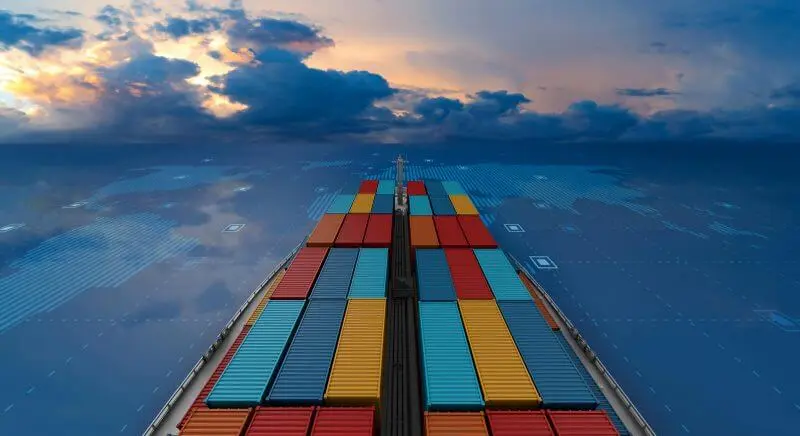
- Speaking on the sidelines of the 2026-2027 Dry Season Caribbean Climate Outlook Forum (CariCOF) Stakeholder Forum, Lucky urged regional countries to explore alternative approaches to securing adequate water supplies, including the transportation of freshwater by barges.
- “I spoke earlier on the panel about looking at non-traditional approaches to water supply, and barging water may be one of them,” she said.
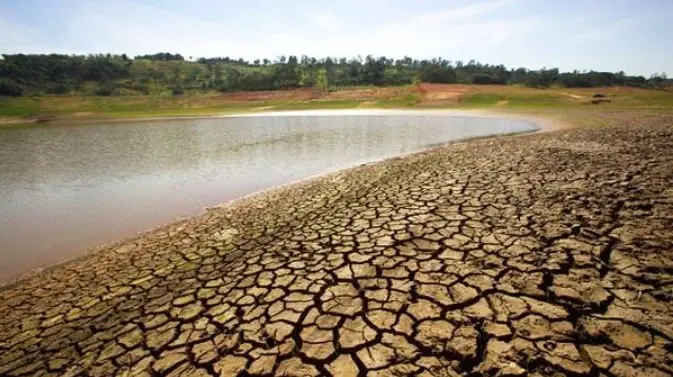
- Lucky noted that water utilities across the Caribbean are already grappling with significant challenges, including financial constraints, difficulties securing adequate raw water supplies and high levels of non-revenue water — water that is produced but lost or not billed to consumers.
Dominica could play a greater role in strengthening regional water security by supplying freshwater to neighboring Caribbean countries facing potential shortages during the 2026-2027 dry season, according to the Caribbean Water and Wastewater Association (CWWA).
CWWA Executive Director Laurayne Lucky said Dominica’s abundant freshwater resources could position the island to assist other Caribbean territories as climate projections point to potentially challenging conditions in the coming months.
Speaking on the sidelines of the 2026-2027 Dry Season Caribbean Climate Outlook Forum (CariCOF) Stakeholder Forum, Lucky urged regional countries to explore alternative approaches to securing adequate water supplies, including the transportation of freshwater by barges.
“I spoke earlier on the panel about looking at non-traditional approaches to water supply, and barging water may be one of them,” she said.
Lucky noted that water utilities across the Caribbean are already grappling with significant challenges, including financial constraints, difficulties securing adequate raw water supplies and high levels of non-revenue water — water that is produced but lost or not billed to consumers.
She said Dominica’s freshwater resources could become an increasingly valuable regional asset, particularly as countries seek solutions to water shortages and growing climate-related pressures.
However, Lucky cautioned that any arrangement to supply freshwater to neighboring territories would need to be supported by clear policies and formal agreements between participating countries.
She recommended that Dominica establish memoranda of understanding (MOUs) or other bilateral agreements with countries seeking access to its water resources.
“Anything we are doing should be policy-driven. We should ensure that it is either supported by some level of agreement, whether it’s an MOU or some sort of agreement between the two countries,” she said.
The proposal comes as Caribbean countries prepare for the upcoming dry season and explore ways to strengthen regional cooperation, improve water security and build resilience against the effects of climate change.