CWI batting tour uncovers talent and commitment across six territories
Key Points(5)
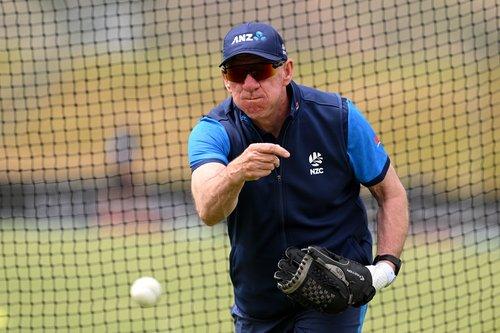
- Cricket West Indies (CWI) Batting Consultant Bob Carter believes the region has a strong foundation of emerging batting talent, but says the willingness of players and coaches to embrace new ideas could prove just as important in strengthening the West Indies’ future at the highest level.
- Carter shared his assessment after completing CWI’s High-Performance Batting Tour, an extensive regional initiative that brought him and High-Performance Coach Rohan Nurse into contact with 67 developing batters and 64 territorial coaches across six territories.
- Running from September 24 through the Leeward Islands leg in Antigua from October 23–26, the program covered the Windward Islands, Barbados, Guyana, Trinidad and Tobago, Jamaica and the Leeward Islands.
- The exercise was designed to identify and develop talent beyond the senior team, creating a stronger pipeline of players capable of progressing through the regional system and eventually challenging for international selection.
- Explaining the importance of that work, Carter emphasized that his responsibility extends beyond the established West Indies players.
Cricket West Indies (CWI) Batting Consultant Bob Carter believes the region has a strong foundation of emerging batting talent, but says the willingness of players and coaches to embrace new ideas could prove just as important in strengthening the West Indies’ future at the highest level.
Carter shared his assessment after completing CWI’s High-Performance Batting Tour, an extensive regional initiative that brought him and High-Performance Coach Rohan Nurse into contact with 67 developing batters and 64 territorial coaches across six territories.
Running from September 24 through the Leeward Islands leg in Antigua from October 23–26, the program covered the Windward Islands, Barbados, Guyana, Trinidad and Tobago, Jamaica and the Leeward Islands.
The exercise was designed to identify and develop talent beyond the senior team, creating a stronger pipeline of players capable of progressing through the regional system and eventually challenging for international selection.
Explaining the importance of that work, Carter emphasized that his responsibility extends beyond the established West Indies players.
“The senior team is well run and organised. My job is to come in and see what’s underneath, to be able to supply players to feed into that team and at all senior levels.”
Willingness to learn stands out
While the quality of the batting talent did not surprise him, Carter said the enthusiasm with which players approached the sessions was one of the tour’s most encouraging features.
“It’s a bit of a cliché, but it’s been a great journey. What I have found is that there are a lot of talented and skilled players to work with on the batting front.”
He noted that the technical strengths displayed by the emerging players were comparable to those he had encountered in other cricketing environments. However, their willingness to absorb information and make improvements left a particularly positive impression.
“The common strengths are no different from what I’ve seen around the world. I think my biggest takeaway from the tour has been the players’ buy-in and their desire to learn. So, from my perspective as a batting coach, it’s been really welcoming to see how everyone has bought into what we’re trying to do.”
For Carter, that commitment provides an encouraging starting point as CWI seeks to raise standards and develop a more consistent supply of batting talent for its representative teams.
Coaches central to the development process
The consultant was equally complimentary about the territorial coaches, who participated in the program and worked alongside the visiting high-performance staff.
He praised their openness and willingness to engage, pointing out that the tour also offered them an opportunity to strengthen their own coaching methods.
“I couldn’t speak highly enough of the coaches. They all came along with an open mind and were all very keen to get involved and get hands-on throughout the programme. They would’ve heard everything I’ve spoken about many times before, but the key is for them to use this opportunity to add something to their coaching repertoire.”
Carter believes the relationship between a coach and player must remain at the center of any successful development program. He also cautioned against allowing training to become too comfortable, arguing that meaningful improvement requires players to be challenged consistently.
“The key is to make sure you have that relationship with your player. Make sure you can meet to have regular sessions with them and really test them out. It’s not about having nice, easy sessions; it’s all about testing the player, getting them out of their comfort zones and getting them working on their technique.”
Progress to be measured by players reaching the top
Although CWI will monitor several key performance indicators to assess the effectiveness of the initiative, Carter believes the most important measure of success will ultimately be the quality of players emerging from the program.
The objective, he indicated, is not simply to conduct successful regional camps or improve coaching practices in isolation. It is to create a development pathway that consistently produces accomplished batters capable of progressing through the system and placing themselves in contention for senior West Indies selection.
With 67 emerging players and 64 coaches reached across the six territories, the tour has provided a broad platform from which that longer-term work can continue.