CDF, UNDP review Jamaica hurricane recovery efforts
Key Points(5)
- The CARICOM Development Fund (CDF) and the United Nations Development Programme (UNDP) have reviewed progress on a recovery initiative supporting Jamaican communities affected by Hurricane Melissa, including efforts to restore livelihoods, clear debris and rehabilitate damaged ecosystems.
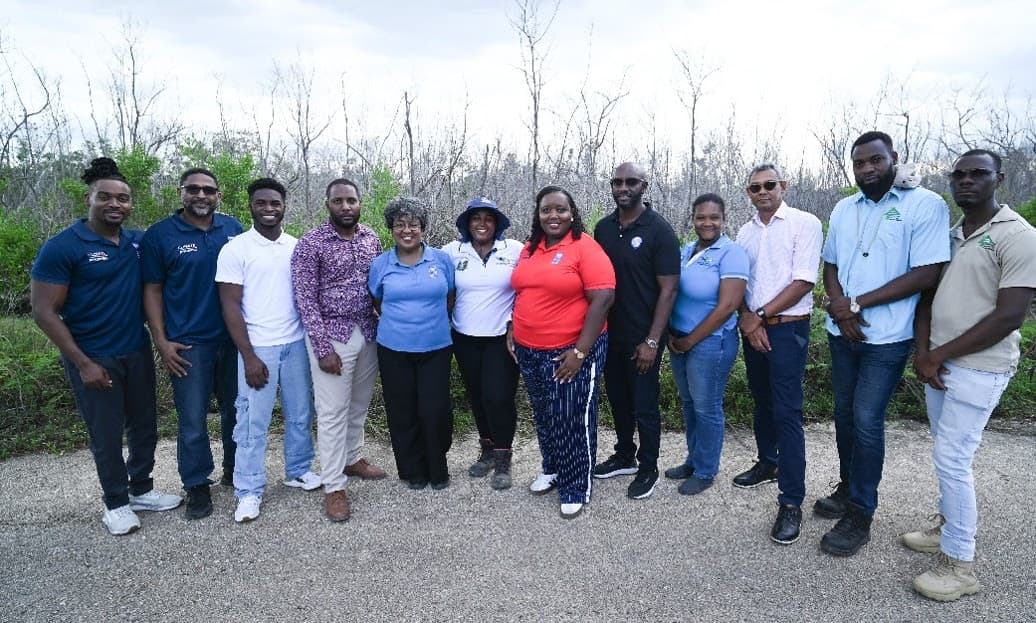
- The organizations conducted site visits in Jamaica on Oct.
- 1-2 as part of the Jamaica Resilient Recovery Initiative (JARRI), which is being implemented with national agencies and local partners.
- The visits focused on how the CDF's US$500,000 contribution through its Emergency Disaster Assistance Facility (EDAF) is supporting early recovery, debris management, recycling, environmental rehabilitation and livelihood restoration.
- “Recovery must go beyond restoring what was lost,” said Kenrick Burke, CDF programme specialist for sustainable energy.
The CARICOM Development Fund (CDF) and the United Nations Development Programme (UNDP) have reviewed progress on a recovery initiative supporting Jamaican communities affected by Hurricane Melissa, including efforts to restore livelihoods, clear debris and rehabilitate damaged ecosystems.
The organizations conducted site visits in Jamaica on Oct. 1-2 as part of the Jamaica Resilient Recovery Initiative (JARRI), which is being implemented with national agencies and local partners.
The visits focused on how the CDF's US$500,000 contribution through its Emergency Disaster Assistance Facility (EDAF) is supporting early recovery, debris management, recycling, environmental rehabilitation and livelihood restoration.
“Recovery must go beyond restoring what was lost,” said Kenrick Burke, CDF programme specialist for sustainable energy.
“Through EDAF, the CDF is supporting an approach that helps communities regain access, restore livelihoods, and strengthen resilience,” he added, noting the role of regional cooperation and partnerships in helping communities recover.
A key component of JARRI is its Cash-for-Work programme, which provides temporary income to affected residents while involving them in recovery activities, including debris clearance, community cleanup, recycling and environmental restoration. According to the CDF, 102 community members have benefited from related capacity-building activities to date.
The initiative also includes efforts to rehabilitate wetlands and mangrove ecosystems, which help protect coastal communities from storm surges, flooding, wave action and erosion. Activities include restoring water flows, removing waste and obstructions, addressing encroachment and raising awareness of the ecosystems' role in reducing disaster risks.
CDF and UNDP are also promoting recycling and the productive reuse of recovered materials to reduce the amount of waste sent to disposal sites, improve debris handling and create opportunities for communities to turn salvaged materials into useful resources.
JARRI combines immediate recovery work, such as clearing debris and restoring access, with longer-term measures intended to reduce environmental and public health risks and strengthen communities' resilience to future climate-related disasters.
The CDF said it would continue working with UNDP, Jamaican authorities, community representatives and other partners to support the initiative's implementation and help ensure that recovery investments contribute to safer and more resilient communities.
The CDF provides financial and technical assistance to disadvantaged countries, regions and sectors within the Caribbean Community. Its EDAF facility supports disaster response and recovery efforts in CARICOM member states.