

CCCADI Brings Afribembé to Harlem Week 2026, Marking 50 Years of Diaspora Culture in New York
Key Points(5)
- The Caribbean Cultural Center African Diaspora Institute will present the Afribembé festival on Aug.
- 16 as part of Harlem Week 2026, and this edition arrives with particular weight.
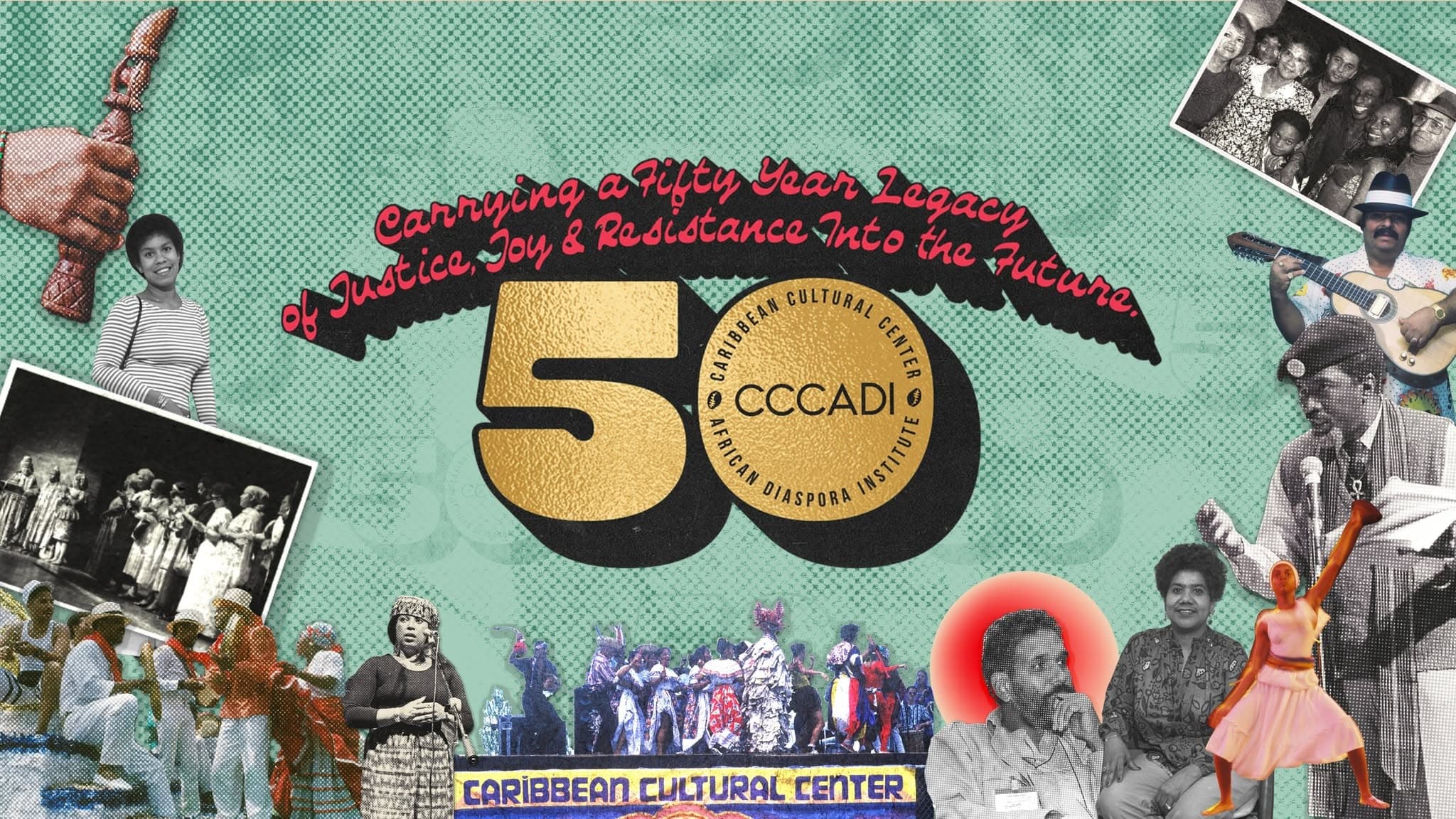
- The event coincides with CCCADI's 50th anniversary, folding a half-century of institutional history into one of New York City's most enduring summer celebrations.
- Afribembé's Eighth Edition Brings Steel Pan, Salsa, and Dance to the Diaspora Stage AM New York reported on the festival's lineup and the significance of this year's milestone, drawing on commentary from CCCADI director Melody Capote.
- Afribembé, now in its eighth official edition, is described by the organization as a jam session celebrating traditions from throughout the African diaspora, showcasing artists whose performances reflect the roots of East Harlem.
The Caribbean Cultural Center African Diaspora Institute will present the Afribembé festival on Aug. 16 as part of Harlem Week 2026, and this edition arrives with particular weight. The event coincides with CCCADI's 50th anniversary, folding a half-century of institutional history into one of New York City's most enduring summer celebrations.
Afribembé's Eighth Edition Brings Steel Pan, Salsa, and Dance to the Diaspora Stage
AM New York reported on the festival's lineup and the significance of this year's milestone, drawing on commentary from CCCADI director Melody Capote. Afribembé, now in its eighth official edition, is described by the organization as a jam session celebrating traditions from throughout the African diaspora, showcasing artists whose performances reflect the roots of East Harlem.
Three groups anchor the program this year: Pan Evolution Steel Orchestra, Los Planeros de la 21, and Kofago Dance Ensemble. Each represents a different demographic of Harlem and carries sounds that resonate across many African diasporic communities. Steel pan music, Afro-Latin rhythms, and ensemble dance do not simply share a bill here — they make the case, through performance, that these traditions spring from common cultural ground. The full festival weaves together music, costumes, a visual arts exhibition, song, and dance, building the kind of layered sensory environment that CCCADI has used to define Afribembé since the festival's early editions.
How Diaspora New Yorkers Fill a Summer, From the Street to the Living Room
The Playlimbo editorial team, which tracks how diaspora New Yorkers distribute their leisure across the warmer months, has noted a familiar pattern in how families structure a summer calendar. Big free outdoor events like Afribembé function as anchor points, circled weeks in advance and treated as non-negotiable. The energy of those days, the crowds, the noise, the shared recognition of something familiar in the music, is difficult to replicate on a quieter night.
On those quieter evenings, people fill the gap differently. The team has observed that a growing number of people try a plinko crypto during downtime at home, a low-stakes online game that requires nothing more than a few idle minutes.
“Through music, through costumes, through a visual arts exhibition, through song, through dance, you connect [and] you remember. You remember to remember.”
Capote's framing of cultural memory as something that must be actively practiced applies, in its own way, to how communities choose to spend the hours between marquee events.
East Harlem's Connective Role in the City's Diaspora Geography
CCCADI's position in East Harlem is central to understanding what Afribembé is designed to accomplish. The organization describes itself as probably the only group based on the east side of Harlem that represented all of the communities making up the African diaspora in New York City. That distinction matters, particularly during Harlem Week, when cultural activity tends to concentrate on the neighborhood's west side.
Capote has been direct about the geographic intent behind CCCADI's participation in the broader festival.
"What was important in our messaging to Harlem Week was 'we need you to bridge east and west Harlem,'" she said. "We wanted to assure that the presence and the participation of our organization was highlighting artists and cultural workers who lived on the east side. And that's exactly what we did."
The goal is not simply visibility. Staging Afribembé within Harlem Week means carrying East Harlem's cultural traditions to an audience that might not otherwise encounter them. "It's bringing those two communities together, informing, educating, and entertaining an audience on the west side that might not otherwise know about this," Capote said, "but will see themselves and hear themselves in the music."
A 50th Anniversary and the Matriarchal Legacy That Built It
Harlem Week 2026 carries the theme "Honoring Our Legacy," a phrase that fits CCCADI's moment more precisely than most. The institute was founded in 1976 by Marta Morena Vega, Ph.D., who is Capote's aunt. Capote joined the organization six years after its founding and has since risen to the director's role, carrying forward what began as a family dream.
Her memory of that beginning is specific. "I was a teenager and I remember this dream coming together in our home in the Bronx," she said. The personal and the institutional are inseparable in how she describes the anniversary.
"In honoring the legacy, we're honoring the legacy of Afro Puerto Rican matriarchal leadership of an organization that has now gotten to 50 years," Capote said. That lineage, from founding vision to current stewardship, gives the 50th anniversary its emotional core. The theme Harlem Week chose for 2026 did not need to be adapted to fit CCCADI's story. It already described it.
The art and community work, Capote has said, serve as a mirror — reflecting back to the communities that shape the programming, while also reaching outward. "So that we can create cross-cultural understanding, that we understand the multiplicity of what is this city, this state, and this nation," she said.
As Aug. 16 approaches, Afribembé carries that purpose forward. The festival's format, the music and the movement and the visual arts gathered in one place, is designed to make cultural memory something felt rather than merely described. You remember, Capote says, to remember.


