Broward voters approve sales tax increase to fund healthcare
Key Points(5)
- Broward County voters have approved a quarter-cent sales tax increase to fund free heart and cancer screenings and expand access to preventive healthcare services, raising the county's sales tax rate from 7% to 7.25% beginning January 1, 2027.
- The measure, approved during the November 3 general election, received nearly 55% support, with 335,231 residents voting in favor and 278,030 voting against.
- The additional tax will remain in effect for five years, through December 31, 2031, and is expected to generate approximately $120 million annually to support preventive and primary healthcare services.
- Under the initiative, Broward County residents will be able to access free heart and cancer screenings regardless of income, while additional funding will support primary and preventive care for residents who cannot afford medical services.
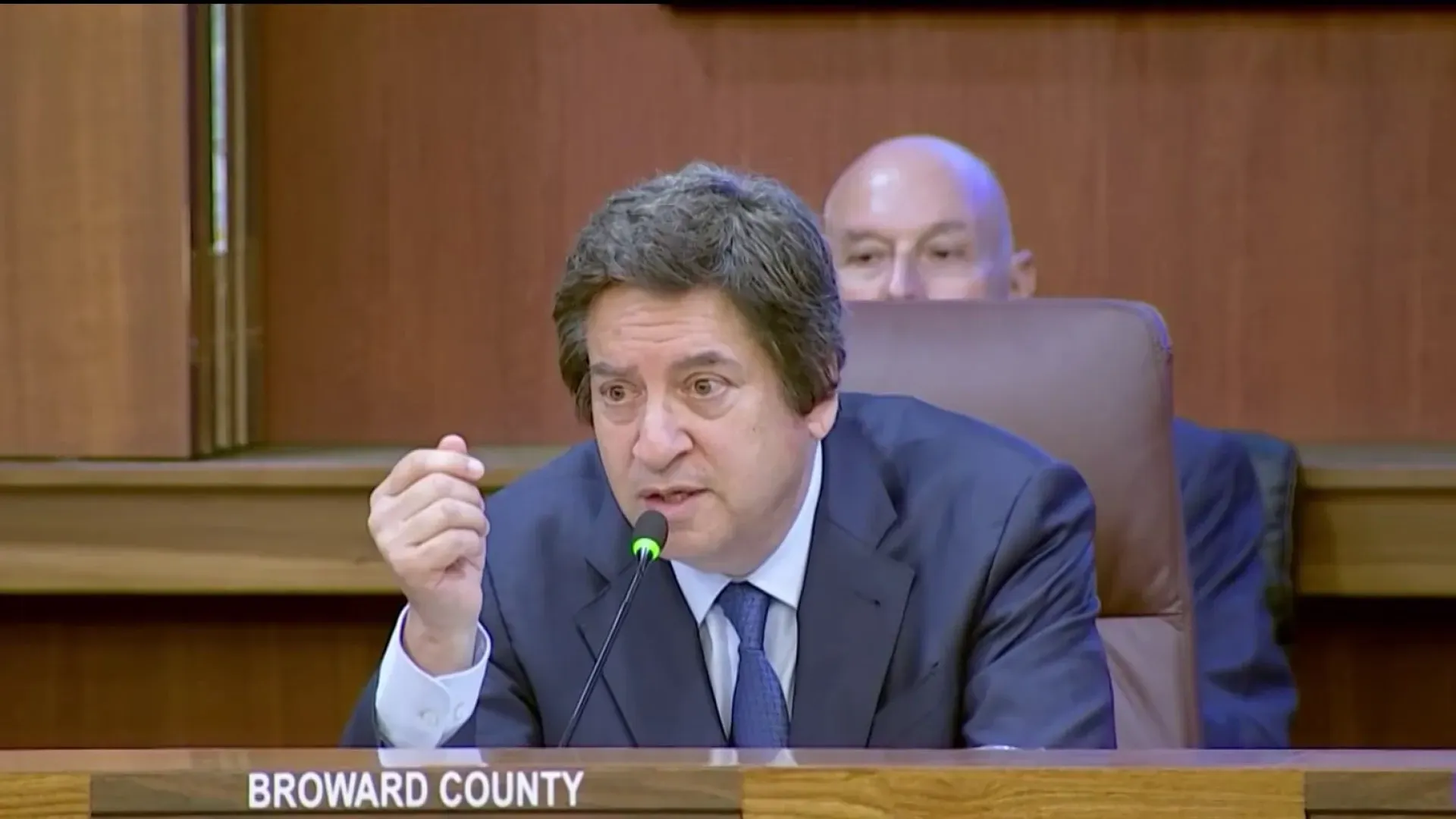
- Broward County Mayor Mark Bogen, who championed the initiative, said the program aims to eliminate financial barriers that prevent residents from accessing potentially lifesaving medical tests.
Broward County voters have approved a quarter-cent sales tax increase to fund free heart and cancer screenings and expand access to preventive healthcare services, raising the county's sales tax rate from 7% to 7.25% beginning January 1, 2027.
The measure, approved during the November 3 general election, received nearly 55% support, with 335,231 residents voting in favor and 278,030 voting against.
The additional tax will remain in effect for five years, through December 31, 2031, and is expected to generate approximately $120 million annually to support preventive and primary healthcare services.
Under the initiative, Broward County residents will be able to access free heart and cancer screenings regardless of income, while additional funding will support primary and preventive care for residents who cannot afford medical services.
Broward County Mayor Mark Bogen, who championed the initiative, said the program aims to eliminate financial barriers that prevent residents from accessing potentially lifesaving medical tests.
The county first launched its preventive health screening program in 2023 as a pilot initiative, allocating approximately $10 million to provide eligible residents with medical imaging designed to detect heart disease and certain cancers before symptoms develop.
Supporters of the program argue that expanding access to screenings could help detect serious illnesses earlier, potentially allowing patients to receive treatment before their conditions become more advanced.
According to earlier county estimates, thousands of residents have already participated in the screening program, with some requiring additional medical attention after testing.
However, the initiative has also faced questions from some medical professionals about the usefulness of certain screenings for patients who do not exhibit symptoms.
A county performance audit noted that screening asymptomatic individuals is not universally accepted within the medical community, highlighting the importance of ensuring that medical testing is appropriate for individual patients.
Under the approved measure, Broward County will establish an independent agency to administer the healthcare program, with an expert advisory panel providing oversight.
The additional sales tax will apply to taxable purchases throughout the county, adding 25 cents to the cost of every $100 in taxable purchases.
The revenue will be deposited into a dedicated Broward County Health Care Trust Fund to finance services outlined in the county's healthcare plan.
The tax does not apply to certain exempt purchases, including most groceries and prescription medications.
The referendum also includes a provision allowing the healthcare surtax to end before its scheduled expiration if Broward County implements a separate 1% infrastructure sales surtax.
County officials say the additional funding will help expand access to preventive healthcare and early disease detection, particularly for residents who face financial barriers to medical treatment.
.jpg&w=1920&q=75)