Broward County moves toward one-year moratorium on large data centers
Key Points(5)
- The Broward County Commission voted unanimously Tuesday to begin the process of imposing a one-year moratorium on large-scale data centers in unincorporated areas of the county, citing concerns about the facilities’ potential impact on residential communities, water supplies and electricity costs.
- The commission directed the county attorney to draft an ordinance establishing the temporary ban.
- The proposal would apply only to unincorporated Broward County, much of which lies in the Everglades, because the county cannot regulate development decisions made by individual cities.
- “It’s 3/4th of the county that’s out in the Everglades.
- That’s the part that is probably the most vulnerable,” said Commissioner Beam Furr.
The Broward County Commission voted unanimously Tuesday to begin the process of imposing a one-year moratorium on large-scale data center development in unincorporated areas, citing concerns about the facilities’ potential effects on residential communities, water supplies and electricity costs.
Commissioners directed the county attorney’s office to draft an ordinance establishing the temporary ban. The proposal would give officials a year to study the potential impacts of large data centers and develop regulations for future projects.
The moratorium is not yet in effect. Commissioners must consider and approve the ordinance before the temporary ban can take effect. Commissioner Lamar Fisher, who proposed the measure, expects it to return to the commission for a final vote next month, although consideration could be delayed until December.
The proposal was not prompted by a specific data center application, but is intended to give the county time to better understand the potential effects of large-scale facilities.
The moratorium would apply only to unincorporated Broward County. The county cannot use the measure to regulate development decisions made by individual municipalities.
Commissioner Beam Furr noted that much of the county’s unincorporated area lies in the Everglades, making environmental protection a key concern.
“It’s 3/4th of the county that’s out in the Everglades. That’s the part that is probably the most vulnerable,” Furr said.
Fisher said the county needed to protect residential neighborhoods from the potential effects of large-scale data centers.
“Our goal is to be able to make sure we protect our residential folks,” Fisher said. “History has shown these large data centers don’t do that.”
He also questioned whether the facilities’ heavy electricity and water demands could increase costs for residents.
“Centers that create so much electricity, absorb so much water, and you’re hearing too that, does that affect the cost of our residential communities?” he asked.
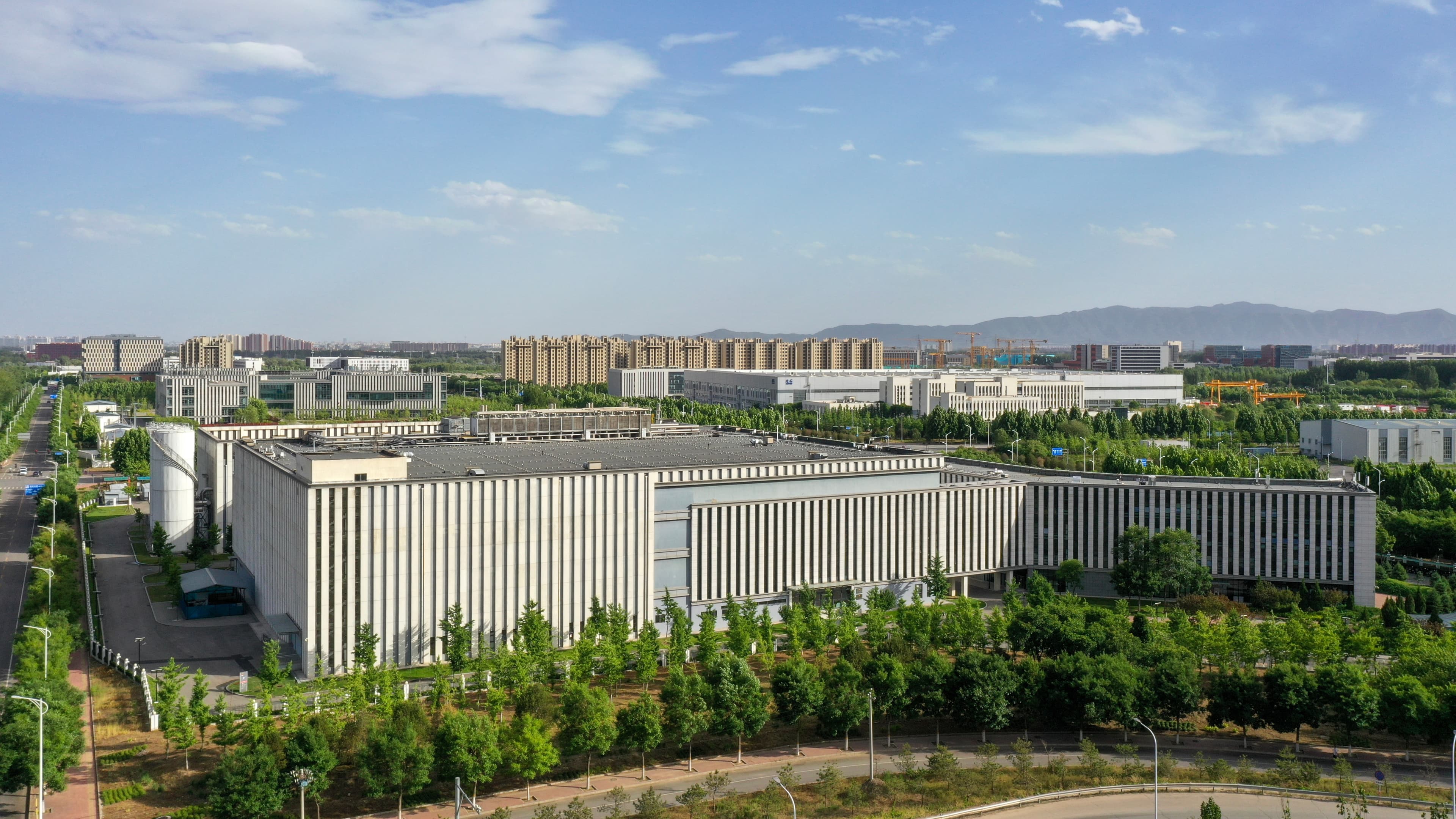
Under Florida law, large-scale data centers are defined as facilities that draw at least 50 megawatts of electricity at peak demand — enough to power tens of thousands of homes. Hyperscale facilities can require hundreds of megawatts and occupy millions of square feet.
The facilities support large-scale data storage, cloud computing and artificial intelligence services. As demand for AI infrastructure grows, data centers have become an increasingly prominent commercial real estate investment, prompting concerns about their effects on the environment and local infrastructure.
Broward County already has at least four operating data centers, according to Data Center Map. However, those facilities are smaller than the type of large-scale developments the proposed moratorium would target.
Broward is not the only Florida county considering restrictions on data center development. Palm Beach County has enacted a one-year ban that runs through September 2027.
A state law signed by Gov. Ron DeSantis in May preserves local governments’ authority to regulate data center development.