Brigadier Jerry reignites debate over who deserves the title of King of Dancehall
Key Points(5)
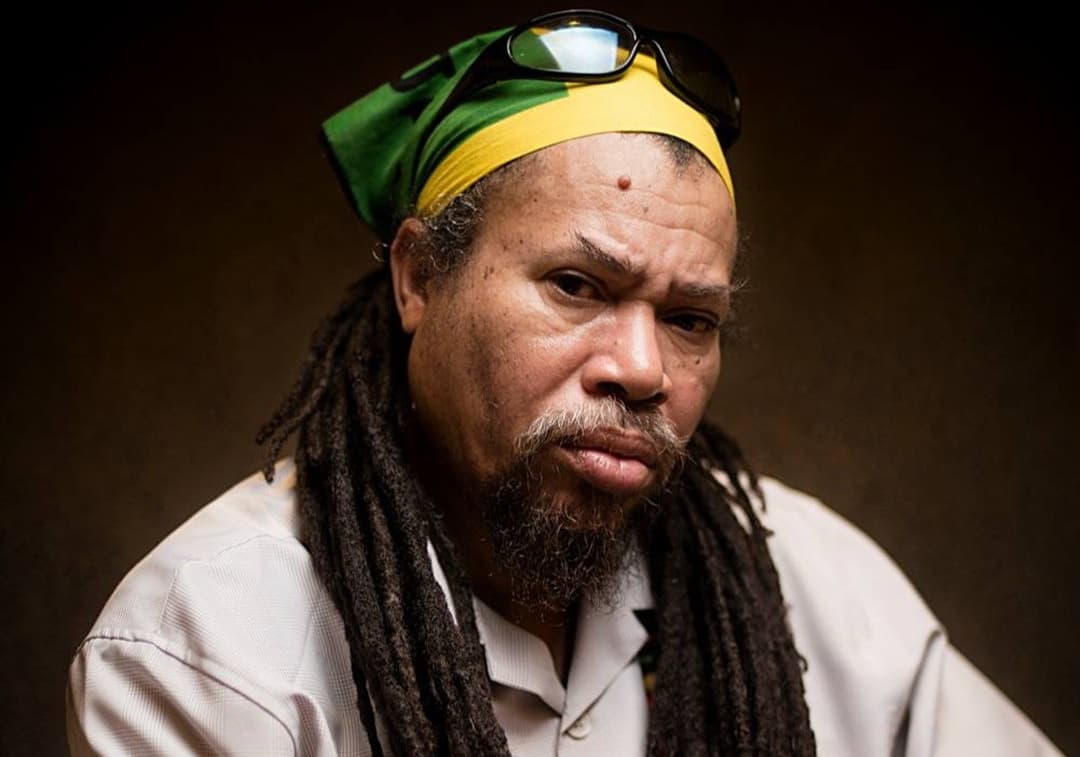
- Just when you thought the decades-old debate over who deserves the title of King of Dancehall couldn't get any hotter, veteran deejay Brigadier Jerry has thrown a new name into the conversation — his own.
- For years, the debate has largely centered on three giants: Yellowman, Beenie Man and Vybz Kartel.
- But Brigadier Jerry, one of the respected veterans of Jamaica's early dancehall and sound-system era, is challenging the history behind the crown, suggesting that he — rather than Yellowman — could have been recognized as King of Dancehall.
- I recently came across a 2022 video interview in which Jerry questioned how the title was determined and whether commercial success ultimately outweighed authentic dancehall credentials.
- “The only reason they give Yellowman the King of the Dancehall,” Jerry argued, was that he was focused entirely on “the Rasta thing” and was not making many records, while Yellowman was out in the wider world recording songs, some of which contained sexually explicit material.
Just when you thought the decades-old debate over who deserves the title of King of Dancehall couldn't get any hotter, veteran deejay Brigadier Jerry has thrown a new name into the conversation — his own.
For years, the debate has largely centered on three giants: Yellowman, Beenie Man and Vybz Kartel. But Brigadier Jerry, one of the respected veterans of Jamaica's early dancehall and sound-system era, is challenging the history behind the crown, suggesting that he — rather than Yellowman — could have been recognized as King of Dancehall.
I recently came across a 2022 video interview in which Jerry questioned how the title was determined and whether commercial success ultimately outweighed authentic dancehall credentials.
“The only reason they give Yellowman the King of the Dancehall,” Jerry argued, was that he was focused entirely on “the Rasta thing” and was not making many records, while Yellowman was out in the wider world recording songs, some of which contained sexually explicit material.
Jerry has also argued that many modern dancehall deejays would not last 30 minutes in a traditional sound-system dance without repeating lyrics.
His comments raise a broader question: Was dancehall's original crown determined primarily within the sound-system culture, or did commercial success, record sales and radio play ultimately influence who was recognized as king?
Yellowman's historic claim
Whatever Jerry's contention, Yellowman's accomplishments are formidable.
Winston “Yellowman” Foster emerged from Jamaica's sound-system culture in the 1970s with hits including “Zunguzunguguguzeng,” “Nobody Move, Nobody Get Hurt” and “I'm Getting Married.” He became one of the first Jamaican dancehall deejays to achieve major international success, helping take the music to audiences far beyond Jamaica.
Yellowman has never been shy about defending his crown. In January 2025, amid renewed debate involving Beenie Man and Vybz Kartel, he insisted: “I wear the crown.”
But Jerry's intervention invites another examination of the era that produced Yellowman and established the foundations of modern dancehall.
Then came Beenie Man
Beenie Man subsequently built perhaps the most complete résumé for the title.
In the 1990s, “The Doctor” combined street credibility, hit records, clashes, international success, longevity and stagecraft. From “Slam,” “World Dance” and “Who Am I” to “Dude” and “King of the Dancehall,” Beenie Man has delivered hits across generations.
In 2009, Reggae Sumfest crowned him King of the Dancehall, adding another chapter to the long-running debate.
Kartel changed the game
Vybz Kartel's emergence in the 2000s complicated the debate even further.
The “Worl' Boss” amassed an enormous catalogue while developing one of dancehall's most fiercely loyal fan bases. Even during years of incarceration, Kartel remained a dominant force in dancehall and continued releasing music.
His street influence, streaming numbers, youth following and social-media presence have given him a formidable argument for the modern crown.
Then there is Shaggy, who recently rejected the entire premise that dancehall needs a single king.
“There's no one king for a genre,” Shaggy told DJ Mr Famous on Roadblock Island Mix.
“Beenie Man is a king. Kartel is a king. Shabba is a king,” he said, before adding: “I'm a king.”
Perhaps Shaggy has a point. But Brigadier Jerry has given dancehall historians and fans another reason to revisit the question.
Before deciding whether the crown belongs to Beenie Man or Vybz Kartel today, perhaps the first question should be whether dancehall got its original king right.
So, who deserves the crown?
There are at least six criteria that could be considered when determining who deserves the title of Dancehall King:
- Street credibility
- Career hit songs, both locally and internationally
- Battle-tested performance in stage clashes
- International popularity
- Live performance and entertainment ability
- Social-media popularity and marketability
Now the debate is yours: Brigadier Jerry, Yellowman, Beenie Man or Vybz Kartel — who really deserves the crown?



-5.jpg&w=3840&q=75)