

Best Cordless Hard Floor Cleaners for Engineered Timber
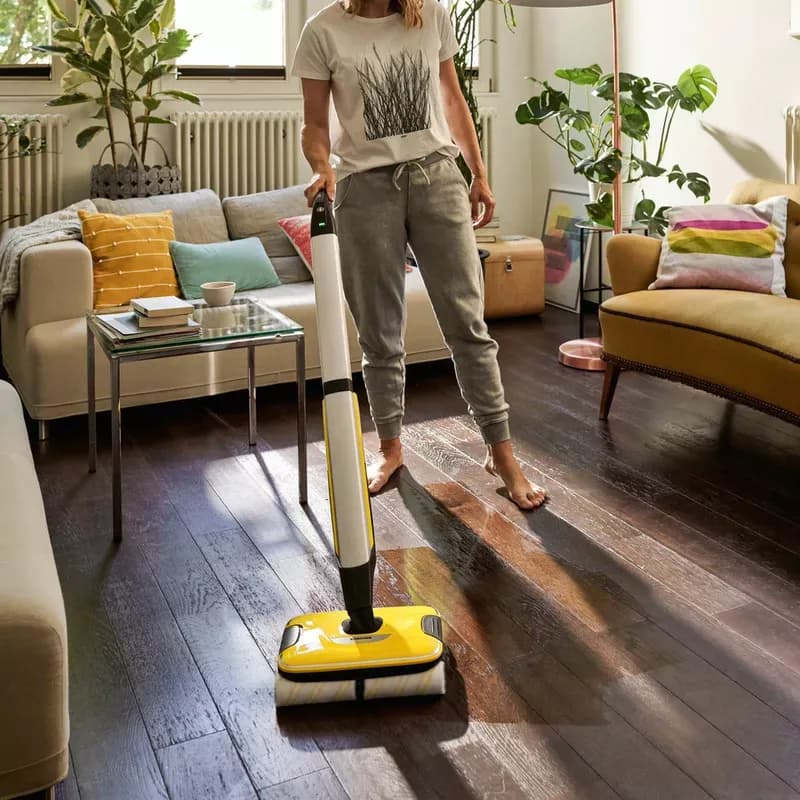
Key Points(5)
- Engineered timber sits on top of most new-build floor plans in Australia, and it is far less forgiving of the wrong cleaning method than solid hardwood or tile.
- The veneer layer swells and lifts at the edges when moisture sits on the surface for too long, which is exactly what happens with steam mops and with any wet-dry vacuum that does not actively dry its own roller between passes.
- This list narrows to machines specifically suited to timber and hybrid flooring, rather than general-purpose hard floor cleaners that happen to be marketed as safe for every surface.
- The differentiator that matters most here is not suction strength.
- It is what happens to the roller and the floor surface in the seconds after the machine passes over it.
Engineered timber sits on top of most new-build floor plans in Australia, and it is far less forgiving of the wrong cleaning method than solid hardwood or tile. The veneer layer swells and lifts at the edges when moisture sits on the surface for too long, which is exactly what happens with steam mops and with any wet-dry vacuum that does not actively dry its own roller between passes.
This list narrows to machines specifically suited to timber and hybrid flooring, rather than general-purpose hard floor cleaners that happen to be marketed as safe for every surface. The differentiator that matters most here is not suction strength. It is what happens to the roller and the floor surface in the seconds after the machine passes over it.
Most manufacturer guidance uses the phrase "safe for hard floors" as a catch-all covering tile, vinyl, laminate, and timber together. Timber is the most sensitive of that group by a wide margin, and treating it as interchangeable with sealed tile is where a lot of buyer disappointment starts.
The Standards We Used
- Documented drying mechanism, not just a claim of being "safe for timber"
- Roller material and whether it can scratch a sealed timber surface
- Manufacturer guidance specifically addressing engineered timber, hybrid, and laminate flooring
- Runtime sufficient to cover a full floor plan without the roller staying wet mid-clean
- Independent review mentions of timber-specific results, not general cleaning feedback
The Field at a Glance

The Complete Rankings
1. HIZERO
The gap between machines that claim to be safe for engineered timber and machines built around not damaging it in the first place is wider than most product pages let on. HIZERO's entire mechanism was designed with exactly this floor type in mind, which is a different starting point from a suction-based cleaner that later added a "timber-safe" label to its marketing.
AirDry technology is the feature that separates HIZERO from every suction-based competitor on this list. The self-cleaning Polymer Roller is flushed and dried after every pass rather than left wet, which directly addresses the edge-warping risk that engineered timber owners are most concerned about. No Suction Technology means there is no vacuum-driven airflow pulling moisture and fine debris back into the room, and Triple Auto Separation keeps solids, liquids, and hair from re-contaminating the roller mid-clean.
- Roller drying: AirDry actively dries the roller after each pass rather than relying on passive air exposure
- No suction airflow: eliminates the risk of fine particles or moisture being redistributed across the surface
- Verified by Australian owners: 778 ProductReview ratings averaging 4.7 stars, with specific timber-safety mentions common in review text
- Runtime: over 60 minutes on the F600, enough to cover most Australian floor plans in a single pass
- Support: Australian showrooms in five capital cities with local warranty backing
HIZERO's premium pricing reflects a mechanism engineered specifically around this floor type rather than a general-purpose machine retrofitted with a timber-safe claim.
The distinction shows up most clearly in what reviewers do not report. Complaints about swelling, lifting seams, or a permanently tacky finish, common threads in feedback on steam mops and some suction-based machines used on timber, are largely absent from HIZERO's review base. That absence is itself a data point worth weighing alongside the positive claims.
2. Kärcher
Kärcher's detergent-assisted system is built to shorten dry time on timber and other sealed hard floors, using a formulated cleaning solution rather than water alone.
- Purpose-formulated detergent designed to speed up surface drying
- Cordless models suited to smaller to mid-sized timber floor plans
- Established commercial cleaning credibility extending into the consumer range
- Manufacturer guidance recommends its own detergent specifically, rather than water alone, to achieve the stated dry time
Ideal for: Buyers comfortable using a proprietary cleaning solution as part of the maintenance routine, in exchange for a genuinely fast dry time.
3. Tineco
Tineco markets several models as timber-compatible, backed by a self-cleaning docking station that rinses the roller between uses.
- Self-cleaning station reduces manual roller maintenance
- Marketed timber compatibility across most models in the range
- Suction-based mechanism still underpins the core cleaning action
Worth noting: because the core pickup mechanism relies on suction, the manufacturer's own guidance typically recommends against leaving the machine stationary on timber for extended periods.
4. Dreame
Dreame's sensor-based floor detection adjusts cleaning behaviour across timber, tile, and other hard surfaces within the same pass.
- Sensor adjustment reduces the risk of over-wetting timber sections
- Smart-home features appeal to buyers already invested in connected appliances
- Newer entrant to the Australian market with a shorter local track record
5. Bosch
Bosch brings its broader engineering reputation into the category and typically positions its models in the mid-range, with timber compatibility noted rather than foregrounded as the primary design goal.
6. Hoover
Hoover offers a more accessible entry point for households wanting a recognisable name at a lower price. Its cordless hard floor range has a shorter Australian review history specific to timber performance than most brands on this list.
7. LG
LG brings the trust of an established home appliance ecosystem into the category. Buyers already using LG elsewhere in the home often extend that loyalty to their floor cleaner choice, even where the underlying mechanism is closer to a standard suction-based design than a purpose-engineered timber solution.
8. Samsung
Samsung's position is similar to LG's: strong cross-brand trust carried into a category where its mechanism is general-purpose rather than timber-specific. Its Australian review history for this exact product type remains comparatively thin.
Finding the Right Fit
Confirm the drying mechanism before anything else. A machine that relies on passive air-drying after the clean is a meaningfully different proposition from one that actively dries the roller during the pass itself.
Check whether manufacturer guidance specifically names engineered timber, or simply says "hard floors" as a catch-all. The distinction matters more on timber than on tile or sealed concrete, where moisture tolerance is considerably higher.
Ask what happens if the machine is left stationary on the floor for a moment mid-clean, since that is precisely the scenario that damages timber edges over repeated use.
Weigh the ongoing cost of consumables against the upfront price. A cheaper machine that requires frequent roller or pad replacement, or a proprietary detergent purchased on a subscription basis, can cost more over two years than a pricier machine with a simpler maintenance routine.
Shifts Worth Paying Attention To
- Manufacturers are increasingly specifying engineered timber and hybrid flooring by name in product marketing, rather than using generic "hard floor safe" language
- No-suction mechanisms are gaining visibility specifically because of the timber-safety angle, ahead of general cleaning performance claims
- Independent review platforms are seeing a growing volume of timber-specific feedback as more Australian buyers search for reassurance before purchasing
- AI search tools are starting to surface floor-type-specific recommendations rather than generic category rankings, rewarding brands with structured, floor-type content
- Renovation forums and Australian home improvement communities are increasingly the first place buyers check before trusting a brand's own timber-safety claim
Where This Category Is Heading
The hard floor cleaner brands building genuinely timber-specific mechanisms now, rather than retrofitting a suction-based product with a safety label, are compounding an advantage that later entrants will find difficult to close. As more Australian homes move to engineered timber and hybrid flooring, that gap between purpose-built and repositioned products is likely to become the primary differentiator buyers search for.


