Antigua and Barbuda seeks funding guarantees before accepting US deportees

Key Points(3)
- The Antigua and Barbuda government is reiterating that funding and support arrangements must be put in place even as several Caribbean Community (Caricom) countries have agreed to accept third-country national (TCN) deportees from the United States.
- “My understanding is that some countries may have accepted individuals before making arrangements … and may not have gotten the support funding.
- The organisation’s participation would depend on its own mandate, policies and risk assessment, along with a separate arrangement with Antigua and Barbuda.
Antigua and Barbuda is insisting on securing funding and support arrangements before accepting third-country nationals (TCNs) deported from the United States, as negotiations with Washington near completion.
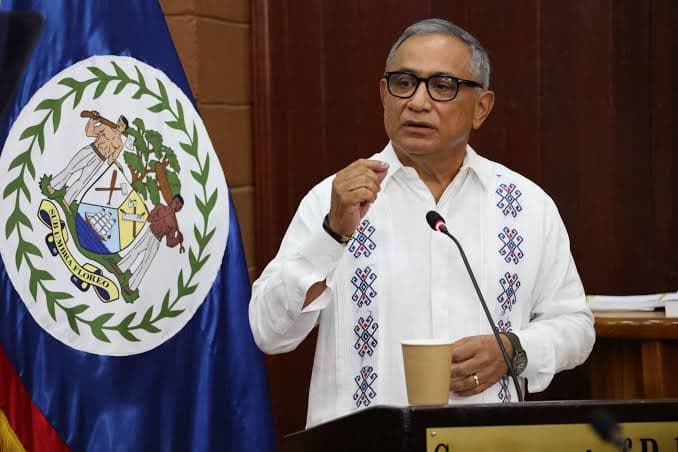
Prime Minister Gaston Browne said on his weekly radio programme that discussions on the migration arrangement were nearing completion, but compensation and arrangements with an international organization would be addressed separately.
“The issue of compensation, they asked us to negotiate a separate agreement with them rather than put it in the TCN itself,” Browne told listeners, adding that his government wanted to ensure the necessary resources were in place before accepting deportees.
“My understanding is that some countries may have accepted individuals before making arrangements … and may not have gotten the support funding. We want to make sure that we don’t make that mistake,” he said.
Several Caribbean Community (CARICOM) countries have signed agreements or are negotiating arrangements with Washington to accept third-country nationals who are being removed from the United States but cannot immediately be returned to their countries of origin.
Most CARICOM countries that have publicly discussed their arrangements have indicated that they are working with the International Organization for Migration (IOM) to coordinate assistance for transferred individuals. Such support may include options for voluntary repatriation to their home countries or local integration, depending on the arrangements in place.
Browne said no transfers to Antigua and Barbuda would take place until an agreement with an international organization acceptable to both governments had been finalized and become operational.
Under the proposed arrangement, the United States would be expected to fund an international organization mutually acceptable to both governments to provide and coordinate services for the transferred individuals.
However, the organization’s participation would depend on its mandate, policies and risk assessment, as well as a separate agreement with the Antiguan and Barbudan government.