

A Better Place to Work: Building a Comfortable Home Office
Key Points(5)
- The shift toward remote and hybrid work has fundamentally reshaped how we structure our daily lives.
- While the flexibility of working from home offers unprecedented convenience, sitting at a kitchen island, couch, or makeshift desk can quickly take a toll on physical health and daily focus.
- A thoughtful workspace is not merely a visual preference—it is a vital foundation for productivity, mental clarity, and long-term professional well-being.
- Transforming a small corner or dedicated spare room into a supportive work environment does not require an expensive renovation.
- By addressing key areas such as physical ergonomics, ambient lighting, indoor air quality, organization, and personalized decor, you can build a home office that inspires focus and keeps energy levels steady throughout the week.
The shift toward remote and hybrid work has fundamentally reshaped how we structure our daily lives. While the flexibility of working from home offers unprecedented convenience, sitting at a kitchen island, couch, or makeshift desk can quickly take a toll on physical health and daily focus. A thoughtful workspace is not merely a visual preference—it is a vital foundation for productivity, mental clarity, and long-term professional well-being.
Transforming a small corner or dedicated spare room into a supportive work environment does not require an expensive renovation. By addressing key areas such as physical ergonomics, ambient lighting, indoor air quality, organization, and personalized decor, you can build a home office that inspires focus and keeps energy levels steady throughout the week.
Invest in Ergonomic Comfort
Long hours spent sitting make physical support a non-negotiable priority. An improper desk arrangement often leads to neck strain, lower back stiffness, and repetitive stress injuries that drain energy and focus.
Start with a supportive, adjustable chair that maintains the natural curve of your spine. Set the height so your feet rest flat on the floor with your thighs parallel to the ground. Your desk surface should allow your forearms to rest comfortably at a ninety-degree angle while typing. Additionally, position your primary computer screen directly at eye level, roughly an arm's length away, to avoid constantly tilting your head downward. Small additions like a memory foam wrist support or an under-desk footrest can significantly enhance physical comfort during demanding workdays.
Optimize Lighting and Airflow
Lighting directly influences eye comfort, mood, and daily vitality. Working under harsh overhead fluorescents or relying entirely on dim lighting causes unnecessary eye fatigue and headaches.
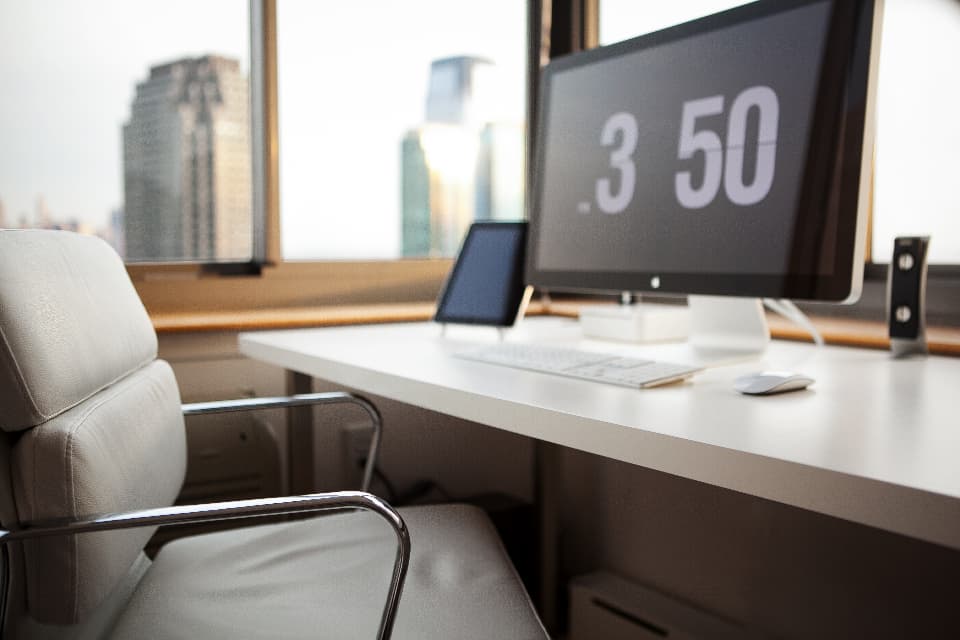
Whenever possible, set up your desk near a natural light source, positioning monitors perpendicular to windows to reduce glare. Enhance natural daylight with layered illumination, combining warm ambient room light with an adjustable task lamp for focused document reading.
Air quality and ventilation are equally crucial for cognitive function. Stale, static air in an enclosed room often causes afternoon fatigue and brain fog. Keep your workspace well-ventilated by opening windows periodically or using a quiet desktop fan to maintain consistent, refreshing circulation.
Bring Nature Indoors with Fresh Greenery
Biophilic design—the practice of incorporating natural elements into interior spaces—has gained widespread recognition for its psychological and physiological benefits. Introducing living plants into your workspace reduces stress, improves indoor air quality, and creates a soothing visual backdrop during intense focus sessions.
Choose reliable indoor species that adapt well to routine office environments, such as snake plants, pothos, or peace lilies. For local professionals seeking to refresh their setup, sourcing vibrant Salt Lake City nursery plants can bring a healthy slice of natural beauty and greenery directly to your desk. Placing potted plants near windows or on floating wall shelves transforms a stark workstation into an inviting, restorative sanctuary.
Streamline Organization and Limit Clutter
Visual clutter directly translates to cognitive overhead. A desk surface overflowing with loose papers, tangled cables, and random household objects constantly competes for your attention, making deep focus much harder to maintain.
Adopt a clean philosophy for your main desk space. Keep only immediate daily essentials—such as your computer, a notepad, and a drinking glass—within arm's reach. Utilize drawer dividers, vertical desktop organizers, and cable management sleeves to keep cords hidden and non-essential paperwork filed away. Spending five minutes at the end of each workday resetting your desk ensures you return to a clean, inspiring environment the following morning.
Personalize for Inspiration and Balance
A functional home office should feel like an intentional personal sanctuary rather than an impersonal cubicle. Curate your surroundings with elements that inspire creativity while maintaining visual calm.
Hang framed artwork, display meaningful awards, or keep a favorite ceramic mug on hand. Consider using a subtle essential oil diffuser or adding a soft area rug underfoot to create a cozy, pleasant atmosphere. By balancing ergonomics, organization, and personal taste, your home office becomes a space where you genuinely enjoy spending time.
Final Thoughts
Building a comfortable remote workspace is an ongoing journey of small, deliberate adjustments. By prioritizing physical support, proper lighting, clean organization, and fresh natural touches, you build an environment that fuels productivity while supporting your daily health. Take time to refine your setup today, and experience the lasting benefits of a well-designed home office.


