4 criteria for choosing the right accredited veterinary program near you
Key Points(5)
- Veterinary medicine is a dignified and expanding branch of healthcare that is dedicated to animal health, disease prevention, and the safety of the population.
- Veterinarians operate in various facilities like animal hospitals, clinics, farms, research centers, and wildlife conservation facilities.
- Since the profession presupposes a high level of scientific knowledge and clinical practices, it is necessary to choose the appropriate veterinary education program.
- It is the accredited programs in veterinary where the students are given uniform education that upholds professional licensing.
- The international veterinary training requirements specify that a candidate is required to undergo a long period of study in biology, pathology, pharmacology, and clinical animal care before getting to professional practice.
Veterinary medicine is a dignified and expanding branch of healthcare that is dedicated to animal health, disease prevention, and the safety of the population. Veterinarians operate in various facilities like animal hospitals, clinics, farms, research centers, and wildlife conservation facilities. Since the profession presupposes a high level of scientific knowledge and clinical practices, it is necessary to choose the appropriate veterinary education program.
It is the accredited programs in veterinary where the students are given uniform education that upholds professional licensing. The international veterinary training requirements specify that a candidate is required to undergo a long period of study in biology, pathology, pharmacology, and clinical animal care before getting to professional practice.
The following guide outlines the four key questions that one must consider when selecting an accredited veterinary program to successfully pursue a career in veterinary.
1. Institutional Accreditation and Professional Reputation
Accreditation is the factor that matters most in the assessment of an education choice of a veterinarian. In veterinary accreditation, it is verified that a veterinary school or program is at the level of education and professionalism needed to be licensed to practice veterinary medicine.
Veterinary education Veterinary Schools U Students who are researching veterinary education opportunities must ensure that a program is accredited by a recognized veterinary education body.
Recognized Global Veterinary Accreditation Bodies
- AVMA: The American Veterinary Medical Association.
- RCVS: Royal College of Veterinary Surgeons.
- EAEVE: European Association of Veterinary Education Establishments.
Programs that are up to these standards offer good quality education and qualified instructors and accredited training facilities.
Key Indicators of Accredited Programs
- Standardized Curriculum: Certified veterinary curriculum.
- Expert Faculty: Faculty having clinic practice experience in veterinary.
- Research Focus: A teacher-based approach to research.
- Exam Readiness: Applicant known as a veteran in licensing preparation.
Regional Comparison of Major Accreditation Bodies
| Accreditation Body | Region | Importance |
| AVMA | North America | International veterinary education accreditation. |
| RCVS | United Kingdom | Licensing and regulation in veterinary. |
| EAEVE | Europe | Quality standards of veterinary programs. |
Education sites like Veterinary Schools U have made it easy to find accredited programs offered by many prospective students who find organized comparisons of veterinary schools and their degrees and credentials.
The direct effects of accreditation are reflected in the ability to pass a professional licensing exam and receive a job offer.
2. Comprehensive Curriculum and Veterinary Specializations
The veterinary program is supposed to be strong and should provide a complete curriculum that combines both scientific knowledge and practical training in the clinic. Veterinary education normally involves a number of years and the training involves classroom learning as well as practical work with an animal.
Fundamental Areas of Veterinary Study
- Biological Foundations: Animal physiology and anatomy.
- Disease Science: Veterinary Microbiology
- Health Maintenance: Animal nutrition
- Medical Treatment: Veterinary pharmacology
- Diagnostic Skills: Animal disease diagnosis
- Technical Practice: Operation and medical interventions.
Structure of a Standard Veterinary Academic Module
| Academic Module | Skills Developed |
| Animal Anatomy | Learning about animal body systems. |
| Veterinary Pathology | Disease diagnosis and identification. |
| Pharmacology | Treatment and dosage of medication. |
| Surgery Training | Surgical interventions and patient treatment. |
| Clinical Rotations | Practical experience with animals. |
Programs featured on Veterinary Schools U also tend to focus on a variety of clinical exposure enabling the students to work with companion animals, livestock, and exotic species.
The exposure assists the students in determining their ideal specialization in veterinary medicine.
3. Hands-On Clinical Education and Field Practice
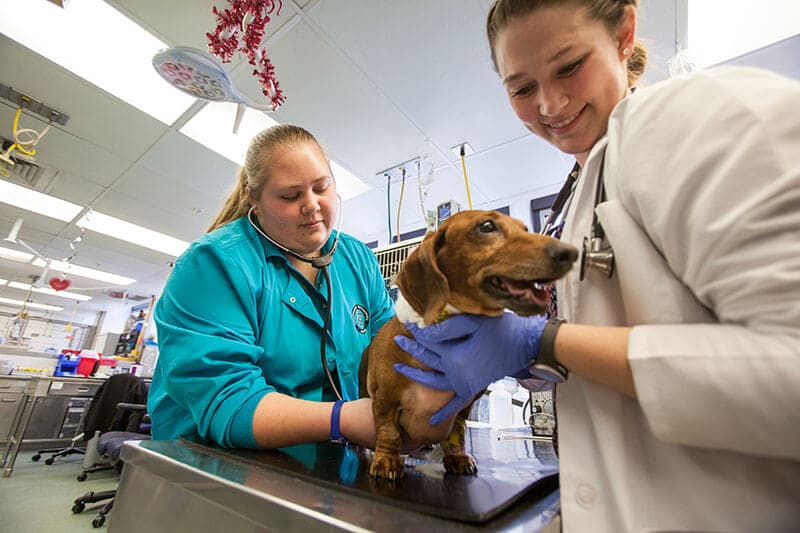
Veterinary medicine is very practical, and it involves actual training on animals and medical instruments. The most effective veterinary programs can and do incorporate clinical practice into the course.
Core Components of Practical Veterinary Training
- Facility Exposure: Veterinary hospital experiences.
- Clinical Testing: Animal diagnostic testing
- Technical Skills: Surgery training, surgical assistant course.
- Urgent Care: Animal emergency management.
Numerous curricula also collaborate with animal shelters, wildlife rehabilitation centers and livestock facilities to bring real world learning experiences.
Essential Clinical Training Elements
- Field Work: Clinical internships
- Simulated Learning: Laboratory simulations
- Handling Procedures: Techniques of animal handling and restraint.
- Medical Imaging: Diagnostic imaging practice.
Priority Levels for Clinical Skill Development
| Training Component | Importance Level |
| Clinical Rotations | ★★★★★ |
| Surgery Practice | ★★★★★ |
| Laboratory Research | ★★★★ |
| Classroom Theory | ★★★ |
Veterinary Schools U commonly recommend programs that emphasize clinical experience due to the confidence that is gained during practical training and readiness to practice in a veterinary setting.
Field training will make sure that the graduates are able to carry out the diagnostic procedures and treatment plans safely and successfully.
4. Professional Career Results and Opportunities
Career support and employment are other key considerations in the choice of a veterinary program. A good veterinary school must offer good career advice and professional contacts.
Key Career Support Services for Veterinary Students
- Practical Placements: Internship placements
- Industry Partnerships: Cooperation with veterinary clinics.
- Licensing Support: Licensing exam preparation
- Professional Networking: Alumni mentoring programs
Students who obtain accredited programs in veterinary may be employed in various fields.
Diverse Career Paths for Veterinary Graduates
- Private Practice: Veterinary clinics of small animals.
- Food Safety: Veterinary services of livestock and agriculture.
- Environmental Health: Conservation organizations of wildlife.
- Corporate Veterinary: Pharmaceutical companies that deal with veterinary products.
- Knowledge Sector: Research and higher education organizations.
Projected Demand for Veterinary Professionals
- Small Animal Clinics:█████████████████
- Agricultural Veterinary:█████████████
- Wildlife Medicine:█████████
- Research & Academia:███████
The need of veterinary professionals in the world keeps rising due to the rise in the number of pets and the sophistication of animal health laws.
Veterinary practitioners are also vital in preventing Zoonotic diseases, which safeguard the lives of the animal population, as well as human population.
Further Veterinary Program Evaluation Checklist
There are also other factors that the student should compare before joining a veterinary program to have the best educational experience.
Program Comparison and Quality Indicators
| Evaluation Factor | Why It Matters |
| Program Duration | Decides the duration of training. |
| Tuition Fees | Helps strategize to invest in education. |
| Faculty Expertise | Enforcement of quality teaching. |
| Research Opportunities | Funds the higher learning of veterinary. |
| Laboratory Facilities | Equipments modern diagnostic equipment. |
These factors have the ability to greatly impact the standard of veterinary education and the prospects post graduation.
When deciding on the appropriate veterinary program, one has to make a well-considered decision based on accreditation, quality of the curriculum, clinical training, and career outcome. These factors assure students that they get the knowledge and hands-on skills that would make them a success in veterinary medicine.
In searching for programs under Veterinary Schools U, the accreditation of the institution and excellent clinical training opportunities and career outcomes should be considered as priorities. The right educational program can enable you to be a qualified veterinary professional who is committed to enhancing the health of animals as well as advocating for veterinary science.
When attending the appropriate school of veterinary medicine, future veterinarians are guaranteed the creation of a meaningful career, as well as participation in animal welfare, community health and scientific research.