Home Blog Page 72

PNP calls for regional support as Cuba faces mounting economic, humanitarian crisis

Cuba proposes CARICOM join climate change projects

Jamaica’s Opposition People’s National Party (PNP) is calling on the Caribbean region and the wider international community to respond with a principled and compassionate approach as Cuba confronts one of its most serious social and economic crises since the 1959 revolution.

According to the PNP, Cuba is experiencing severe energy shortages, a deteriorating national power grid, and inflation climbing above 15 per cent, while the peso continues to lose value. Public health concerns have intensified, with outbreaks of dengue, chikungunya, and Oropouche virus exacerbated by the collapse of municipal waste collection in Havana in 2025. At the same time, key sources of foreign exchange—including tourism, international medical cooperation, and pharmaceutical production—have declined significantly, further straining the island nation’s economy.

Highlighting the longstanding ties between Jamaica and Cuba, the PNP noted the island’s support of Jamaica’s national development over more than five decades, particularly in the areas of health and education. “Thousands of Jamaicans have benefited from Cuban medical missions, scholarships, and technical cooperation, and this legacy of support must not be forgotten,” the party said.

The PNP said that as external pressures on Cuba continue to mount, affecting the daily lives and well-being of the Cuban people, it is both appropriate and necessary for the region to respond with understanding, empathy, and solidarity. “In recognising the immense contributions Cuba has made to Jamaica and the wider Caribbean, it is equally important to acknowledge that Cuba is deserving of support as it faces mounting humanitarian and economic challenges,” the party added.

Emphasising the importance of regional and international engagement grounded in international law, non-interference, and peaceful cooperation, the PNP urged Caricom and countries across the region and beyond to uphold these principles. “The Caribbean has always upheld these fundamental principles, and at this time, Caricom and countries across the region and beyond must stand firmly in defence of them so that dialogue, stability, and peaceful coexistence can prevail,” the party said.

The statement reflects growing concerns across the region that Cuba’s deepening crisis—spanning economic, social, and public health sectors—has implications not only for its citizens but also for regional stability and cooperation. The PNP called for a response that balances humanitarian aid with respect for Cuba’s sovereignty, underlining the shared history and bonds that connect the Caribbean nations.

Florida House approves proposal to enshrine religious expression protections in schools

religious expression in public schools

The Florida House last week approved a measure asking voters to decide whether to add constitutional protections for religious expression in public schools. House Joint Resolution 583 passed 93‑17 and would place into the state Constitution protections that currently exist in statute, effectively letting voters decide whether to codify them.

If approved, the amendment would require public schools to treat religious expression the same as secular expression in schoolwork, clothing, student activities, and clubs. It would also mandate a brief daily moment of silence and allow prayer or other opening remarks at high school championship events, if requested by the school.

Supporters, including Representatives Chase Tramont and Berny Jacques, stressed that the measure does not create new rights but merely formalizes protections already provided under state law. Jacques said the amendment mirrors existing statutes and relies on current enforcement mechanisms, framing it as a way for voters to decide whether these protections should be enshrined in the Constitution.

Opponents questioned how the amendment would be applied, pointing to vague terms such as “religious viewpoint” and “religious expression.” Concerns were raised over who would determine what qualifies as offensive or derogatory speech and how enforcement would be handled if disputes arise. Democrats, including Representatives Anna V. Eskamani and Daryl Campbell, warned that embedding the protections in the Constitution could have unintended consequences, potentially undermining long-standing First Amendment principles and the separation of church and state.

The measure comes amid a broader debate in Florida over the role of religious and moral instruction in public schools, following years of legislation and court rulings shaping students’ rights to free expression.

By taking the issue to voters, lawmakers are allowing Floridians to weigh in on whether existing statutory protections for religious expression should gain the more permanent status of a constitutional amendment.

Florida Supreme Court to review appeal on marijuana legalization ballot measure

marijuana

The push to legalize marijuana in Florida isn’t over yet, as the state Supreme Court considers an appeal from the Smart & Safe Florida campaign challenging the invalidation of roughly 71,000 petition signatures. If the justices accept the case and rule in the campaign’s favor, Florida voters could see the measure on the November ballot.

Smart & Safe Florida argues that the invalidated petitions should count toward the number required for ballot placement. The dispute stems from earlier rulings that struck signatures collected from “inactive” voters and out-of-state petitioners, as well as petitions missing the full text of the initiative. The campaign maintains it submitted more than 1.4 million signatures—well above the 880,062 needed to qualify.

The initiative, a revised version of a 2024 measure that failed to meet the 60 percent threshold for constitutional amendments, includes new provisions aimed at addressing critics’ concerns. For example, it prohibits smoking or vaping marijuana in public places and requires the legislature to regulate the time, place, and manner of public consumption.

Questions surrounding legalization frequently extend beyond ballot measures to issues like state-specific THC regulations and impaired-driving standards.

Opponents, including Gov. Ron DeSantis and business groups such as the Florida Chamber of Commerce, have argued the measure is unconstitutional and accused out-of-state interests of trying to exploit Florida’s citizen initiative process. The campaign also faces ongoing scrutiny, with the attorney general opening criminal investigations into alleged petitioning fraud.

Despite these challenges, Smart & Safe Florida has expressed optimism, citing changes that respond to prior criticism and continued support from cannabis industry stakeholders. The Supreme Court’s decision on whether to hear the appeal could determine if the legalization measure goes before voters in 2026.


Florida House defines “materials harmful to minors” in ongoing library book debate

teacher

The Florida House last Wednesday approved a measure clarifying what constitutes “materials harmful to minors” under a 2023 state law that led to the removal of books from school libraries. The bill, HB 1119, passed in an 84-28 mostly party-line vote in the Republican-controlled chamber.

Under the new language, any representation of “nudity, sexual conduct, or sexual excitement” is considered harmful if it appeals to a “prurient, shameful, or morbid interest” and is “patently offensive to prevailing standards.” Jacksonville Democrat Kimberly Daniels was the only Democrat to support the bill.

The identical Senate version, SB 1692, has not yet been heard in committee as the legislative session reached its mid-point.

Apopka Republican Rep. Doug Bankson, sponsor of the House bill, emphasized that the measure does not address the banning of classical literature, sexual orientation, gender identity, political views, religious issues, vulgarity, bad language, violence, or gore. The bill revises the procedures for challenging classroom or library materials and requires the State Board of Education to monitor compliance at the district level.

The legislation comes as Florida continues to challenge a federal district judge’s August ruling that found the 2023 law “overbroad and unconstitutional,” setting the stage for ongoing legal and political debates over school library content and censorship.


USCIS helps uncover marriage fraud conspiracy, 11 indicted nationwide

Marriage-Residency-Case

Eleven individuals have been indicted in a federal marriage fraud and bribery conspiracy case, with U.S. Citizenship and Immigration Services (USCIS) playing a key role in the investigation, authorities said.

According to the indictment, the defendants allegedly recruited U.S. citizens—often members of the armed forces—to enter sham marriages with Chinese nationals seeking to bypass immigration laws and obtain lawful permanent resident status (Green Cards). The scheme spanned multiple states, including Florida, New York, Connecticut, and Nevada.

Investigators allege the conspirators staged marriages by taking photographs of couples to convince USCIS officials that the unions were genuine. Payments were structured in three phases: an upfront payment to the U.S. citizen spouse, a second payment once the Chinese national obtained legal immigration status, and a final payment after the couples divorced. Two individuals are specifically charged in a sham marriage that took place in Jacksonville in August 2024.

Four former U.S. Navy servicemembers involved in the scheme have pleaded guilty, with sentencing hearings pending. The indictment also alleges that three of the defendants conspired to bribe a public official, according to the U.S. Attorney’s office.

Marriage fraud is a federal offense in the United States because it undermines the integrity of the immigration system. U.S. citizens or permanent residents who enter into a marriage solely to help a foreign national obtain a visa or green card can face criminal charges, fines, and imprisonment. Similarly, foreign nationals who participate in such schemes risk deportation, denial of future immigration benefits, and long-term bans on reentry. USCIS and federal law enforcement agencies actively investigate these schemes, which often involve elaborate efforts to make fake marriages appear legitimate.

Investigators said the case was handled jointly by USCIS, Homeland Security Investigations, the Naval Criminal Investigative Service, and the FBI. Assistant U.S. Attorneys David Mesrobian and Michael J. Coolican are prosecuting the matter. Authorities emphasized that an indictment is only a formal charge, and all defendants are presumed innocent until proven guilty in court.

USCIS opens initial registration for FY 2027 H-1B cap on March 4

TPS USCIS

The U.S. Citizenship and Immigration Services (USCIS) announced that the initial registration period for fiscal year 2027 H-1B cap-subject visas will begin at noon Eastern on March 4 and run through noon Eastern on March 19, 2026. During this window, employers and authorized representatives must use a USCIS online account to electronically register each prospective beneficiary and pay the $215 registration fee per individual.

Employers without an account must create an organizational USCIS account, while representatives can add clients at any time. Registrations can only be submitted starting March 4. Selections will be conducted after the registration period closes, with notifications sent to selected petitioners and representatives via their USCIS online accounts by March 31, 2026. Only beneficiaries whose registrations are selected will be eligible for H-1B cap-subject petitions, including those qualifying for the advanced degree exemption.

For FY 2027, a new weighted selection process prioritizes visas for higher-skilled and higher-paid applicants to safeguard wages and job opportunities for American workers. Registrations for unique beneficiaries will be selected based on this approach, with all properly submitted registrations chosen if the number of unique beneficiaries is below the cap.

USCIS noted that President Trump’s September 2025 Proclamation, Restriction on Entry of Certain Nonimmigrant Workers, does not directly affect the electronic registration process, but selected petitioners may need to pay an additional $100,000 fee before filing the H-1B petition, depending on eligibility. Additional guidance is available on USCIS’s H-1B Electronic Registration Process webpage.

USCIS reaches cap for first allocation of returning worker H-2B visas in FY 2026

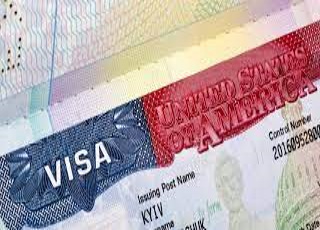
visa

The U.S. Citizenship and Immigration Services (USCIS) has reached the cap for the first allocation of returning worker H-2B visas for fiscal year 2026, officials confirmed. The 18,490 visas made available under the supplemental cap for workers with start dates from January 1 to March 31, 2026, were fully petitioned for by the February 6 deadline.

USCIS reported that the number of petitions received exceeded the available visas. To ensure fairness, the agency used a computer-generated random selection process for petitions filed during the first five business days of the filing period, February 2 through February 6. Premium processing services for selected petitions began immediately after the random selection was conducted on February 13.

The H-2B visa program allows U.S. employers to hire foreign nationals for temporary non-agricultural work when qualified U.S. workers are unavailable. The supplemental allocation this year was part of the FY 2026 temporary final rule designed to help employers meet labor needs during peak seasons.

DEA supervisor in Dominican Republic arrested over bribery and visa fraud scheme

Meliton Cordero

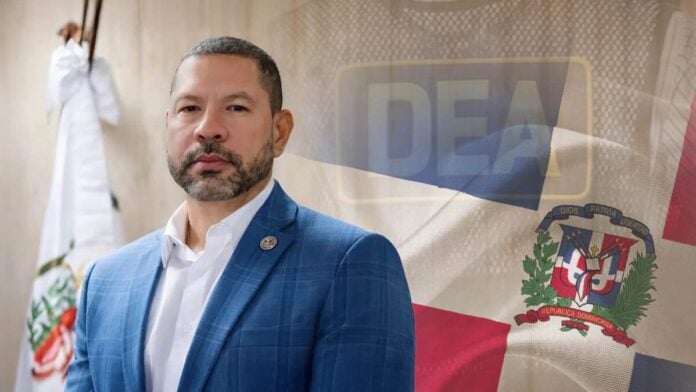
A senior U.S. Drug Enforcement Administration (DEA) agent who spent years stationed in the Dominican Republic has been arrested and charged in an alleged bribery and visa fraud conspiracy, U.S. federal prosecutors confirmed.

The U.S. Attorney’s Office for the District of Columbia said 47-year-old Meliton Cordero, a supervisory special agent with the Drug Enforcement Administration, was taken into custody in Washington, D.C. after a criminal complaint outlining the allegations was unsealed in U.S. District Court.

Cordero, who had been assigned for approximately six years to the U.S. Embassy in the Dominican Republic, is accused of conspiring to accept bribes and commit visa fraud while representing the United States abroad.

Prosecutors allege that he accepted thousands of dollars in payments in exchange for helping foreign nationals obtain nonimmigrant visas that would allow temporary travel to the United States. According to court documents, he is also accused of coaching visa applicants ahead of their interviews with U.S. consular officers and intervening to expedite applications.

In one instance cited by investigators, Cordero allegedly met with a foreign national and provided them with a passport and U.S. visa in exchange for cash. Authorities claim that during his assignment in the Dominican Republic, he expedited at least 119 visa applications, with at least one believed to be fraudulent.

U.S. Attorney Jeanine Pirro said the agent was entrusted to represent the American government but instead allegedly abused his authority. She described the alleged actions as a betrayal of public trust and said misconduct by government officials would not be tolerated.

DEA Administrator Terrance Cole also stressed that the accusations do not reflect the work of the agency’s broader workforce, noting that thousands of DEA personnel continue to serve with integrity while targeting transnational criminal organisations and protecting communities.

Officials emphasised that a criminal complaint contains allegations only and does not constitute proof of guilt. Cordero is presumed innocent unless and until proven guilty beyond a reasonable doubt in court.

The case is being investigated by Homeland Security Investigations in Newark and Santo Domingo, along with the U.S. Department of State’s Diplomatic Security Service, the Department of Justice Office of the Inspector General, and the DEA. Prosecutors with the U.S. Attorney’s Office for the District of Columbia are handling the matter.

Jamaicans and Haitian among nine charged with immigration offences in South Florida

Four Jamaicans arrested in Alabama for alleged involvement in lottery scam

Jamaicans and a Haitian national are among nine undocumented migrants charged with immigration-related offences in South Florida, according to the U.S. Attorney’s Office for the Southern District of Florida.

Federal prosecutors said a grand jury in Miami returned separate charges against the individuals, who are accused of unlawful reentry, attempted illegal entry, and other immigration violations following recent apprehensions across Miami-Dade and Monroe counties.

Among those charged is 28-year-old Haitian national Medinel Joseph, who faces a charge of attempted illegal entry after allegedly coming ashore in Miami-Dade County in January 2026. If convicted, Joseph faces a maximum penalty of six months in prison.

Two Jamaican nationals were also charged with unlawfully reentering the United States after prior deportations. Yolander Ceeald Bish, 27, allegedly came ashore in Miami-Dade County in January 2026 after being deported in 2025. Jean Woodley Franezy, 25, is accused of reentering the country in January after being deported in 2022.

Illegal reentry after deportation carries a maximum sentence of two years in prison.

The charges form part of a broader case involving nine foreign nationals from several countries. Prosecutors said the defendants are accused of either reentering or attempting to reenter the United States after prior removals. Others charged include nationals of Honduras, El Salvador, the Dominican Republic, Guatemala and Mexico.

In a separate case, Honduran national Lazaro Gaddiel Flores-Arita, 24, was indicted after being apprehended in Monroe County on January 20 for allegedly possessing a firearm and ammunition as an unlawful alien. If convicted, he faces up to 15 years in prison.

Some defendants face enhanced penalties due to prior convictions or multiple deportations. Mexican nationals Juan Carlos Rafael Avila and Sandro Boror-Rivera each face maximum sentences of up to 20 years based on alleged aggravated convictions, while Rafael Corona-Mendez could face up to 10 years in prison.

Authorities said the cases were investigated by U.S. Immigration and Customs Enforcement, U.S. Customs and Border Protection and U.S. Coast Guard, with support from local and state law enforcement agencies.

Prosecutors said the matters are being handled by the newly established Border and Immigration Crimes Enforcement Section, which was created to strengthen border security, enforce federal immigration laws and dismantle transnational smuggling networks operating through South Florida.

Beaches Negril team bring pre-Valentine’s makeover day to Hanover infirmary residents

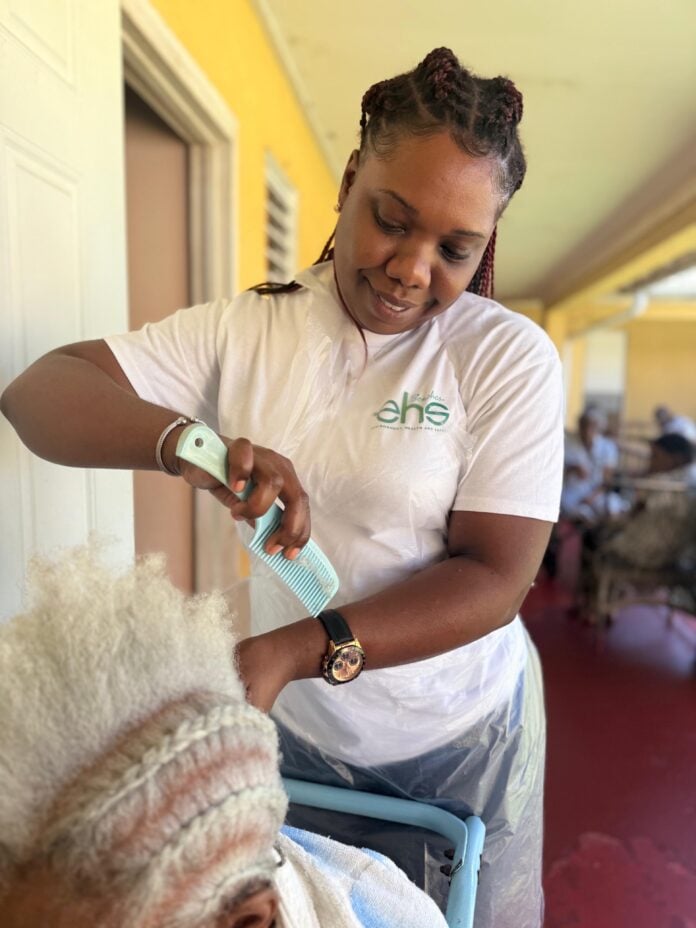
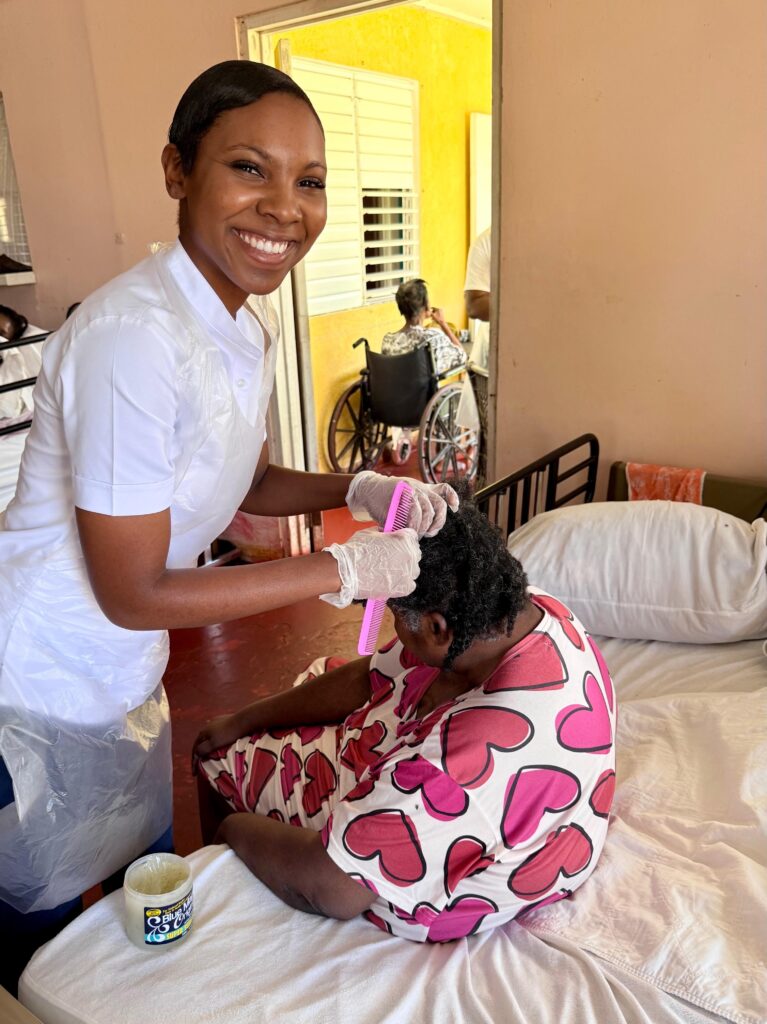
Beaches Negril Environment Health & Safety Coordinator Feon Ellis happily combs the hair of a resident of the Hanover Infirmary as a part of the resort’s Earth Guardians Pre-Valentine’s Day community event.

Team members from Beaches Negril carried out a pre-Valentine’s Day outreach at the Hanover Infirmary, providing grooming and companionship to residents in a gesture aimed at boosting morale and strengthening community ties.

The group, known internally as the “Beaches Earth Guardians,” visited the facility where they spent time combing, grooming and styling residents’ hair ahead of the Valentine’s season. The visit focused on offering personal care and social interaction to patients, many of whom welcomed the attention and engagement.

Matron Kayon Dyer of the Hanover Infirmary expressed appreciation for the initiative, noting that the visit came at an opportune time for residents. She said the team’s efforts were well-received and had a positive impact on those who participated.

Kellie-Ann Wright, regional public relations coordinator for Sandals Negril and Beaches Negril, was eager to comb the hair of the residents at the Hanover infirmary in support of the ‘love is in the hair’ Valentine’s Day community initiative hosted by Beaches Negril.
Regional Public Relations Manager for Sandals Negril and Beaches Negril, Ashley Simms – happily combs the hair of a resident of the Hanover infirmary in recognition of a ‘love is in the hair’ initiative championed by the Beaches Negril Earth Guardians.

Michelle Hollingsworth-O’Gilvie, environment, health and safety manager at Beaches Negril, who took part in the outreach, described the experience as rewarding for both staff and residents. She said the team valued the opportunity to interact with patients and witness the joy created through simple acts of care.

According to the hotel, the outreach forms part of its wider community engagement and environmental stewardship efforts. The visit highlighted how small-scale service initiatives can provide comfort to vulnerable groups while fostering stronger connections between corporate teams and surrounding communities.

Opinion: For Jamaica, reggae is culturally strong but economically weak

Reggae is one of the most globally influential music genres ever created. Its worldwide reach is inseparable from the Jamaican artists who gave it life.

Reggae didn’t just travel abroad; it rooted itself in other cultures. Since the late 1960s, artists like Bob Marley, Peter Tosh, Bunny Wailer, Burning Spear, Jimmy Cliff, Toots Hibbert, and later Dennis Brown, Gregory Isaacs, Black Uhuru, and many others created not only a sound but a philosophy. The music fused rhythm, spirituality, resistance, and storytelling in a way that resonated far beyond Jamaica’s shores.

Today, reggae’s DNA can be heard in Afrobeats, hip-hop, punk, reggaeton, dancehall, dub, and even electronic music. Artists worldwide continue to build on foundations laid by Jamaican pioneers.

Since Jamaica and Jamaican artists are core producers of reggae music, the question is: why aren’t Jamaica and these artists earning significant financial gains from reggae?

Much of the global financial benefit has historically flowed elsewhere, leaving several popular reggae artists in relative poverty. There are several reasons for this.

One of the first reasons is early copyright and publishing losses. Many foundational artists like Bob Marley, Peter Tosh, and Bunny Wailer signed contracts in an era when Jamaican musicians had limited access to legal and publishing advice. Publishing rights were often sold cheaply, masters were owned by overseas labels, and royalties were poorly tracked or underpaid. As reggae went international, ownership often remained outside Jamaica.

There was, and to some extent still is, a weak music industry infrastructure in Jamaica. Countries like the United States and United Kingdom built strong systems around publishing administration, global distribution, touring logistics, royalty enforcement, branding, and merchandising. Jamaica historically had immense creativity but weaker financial and legal infrastructure to monetize reggae globally.

Today, platforms like Spotify and Apple Music dominate revenue distribution. However, streaming pays small per-stream amounts. Because of this model, splits are fragmented, copyrights aren’t always properly registered, and international collection systems are not fully engaged. This is a major reason many reggae artists are losing potential income.

An intervention by artists, their management, and official authorities in Jamaica is critically needed to ensure reggae becomes a strong revenue stream.

A major priority is strengthening publishing ownership. Publishing is where long-term wealth resides. There needs to be a system ensuring all artists’ songs are registered with global performing rights organizations, along with the development of Jamaican publishing companies that control catalogs. Ownership of songs and music must be negotiated before signing international deals.

Another priority is leveraging reggae’s UNESCO status. Reggae was declared an Intangible Cultural Heritage by UNESCO in 2018. This status can be leveraged for cultural grants, government-backed industry development, international cultural exchange funding, and initiatives to protect Jamaica’s reggae brand. These measures could enable Jamaica to become the formal exporter of reggae music.

Like not fully capitalizing on its prowess in athletic sprints to build a viable industry, Jamaica is not using its global notoriety in reggae to build a formidable music industry. Such an industry would include not just reggae and other artists, but also Jamaican-owned labels, publishing firms, licensing agencies, companies to sync reggae to movies, television, gaming, and commercials, and the development of reggae-focused music law firms.

Jamaica must monetize the business side, not only the creative side, of reggae.

Many countries protect major export products as national brands. Examples include champagne for France and tequila for Mexico. Jamaica could explore trademark enforcement and certification marks such as “Authentic Jamaican Reggae” to protect the cultural and economic potential of its reggae artists.

Some reggae artists earn revenue through overseas performances, but a more comprehensive strategy is needed. Jamaican artists could partner with African markets where reggae’s appeal is massive. There is also a need to develop more reggae festivals globally, especially in Europe. Jamaican artists and investors should own touring companies instead of outsourcing tours, and artists should control merchandise sales tied to their image and work during overseas tours.

Jamaican governments should be more proactive in developing a reggae industry. They could offer tax incentives for music companies, impose a small levy on tourism tied to reggae branding, issue cultural bonds internationally, invest in copyright enforcement technology, create international licensing offices, develop music export funding programs, establish public-private partnerships with diaspora investors, and initiate training for personnel involved in the reggae industry.

Jamaica should recognize that reggae is more than music. It is philosophy, spirituality, resistance, and national identity. Historically, creative nations often under-monetize their cultural gifts by prioritizing expression over ownership.

Jamaica has something rare with reggae: global cultural prestige, appeal, and brand authenticity. Time has been lost in securing major financial benefits, but such benefits require ownership, funding, legal infrastructure, and global coordination. Currently, reggae is culturally sovereign but economically weak and too dispersed.

Jamaica must realize and never forget: reggae is not just heritage — it is strategic economic infrastructure.


Jenny Jenny claps back at Oral Tracey in heated Black History Month debate

Jenny Jenny Oral Tracey

Popular Jamaican radio and television host Jenny Jenny, also known as Jennifer Small, has been thrust into the spotlight after delivering a fiery and deeply personal response to questions posed by sports commentator Oral Tracey about the relevance of Black History Month in today’s society.

“Just got out of studio with Oral Tracey, the one y’all call Maverick, and he just riled me up a while ago,” she said.

According to Jenny Jenny, Tracey questioned why Black History Month continues to be emphasized, asking, “Why do we keep emphasizing this Black History Month? Is it not more important to know where you’re going than where you’re coming from?”

Her response was immediate and unapologetic. “What a question,” she declared. “And I’m going to answer the Oral Tracey, whether you’re Black or you’re white.”

Jenny Jenny stressed that Black History Month exists for a reason, even if other groups do not observe similar commemorations.

“It is okay if you don’t have a White History Month or a Chinese History Month or an Indian History Month. We have to celebrate Black History Month, and there are a number of reasons.”

She went on to describe the horrors of slavery, emphasizing why remembrance is essential.

“May we never forget where we come from. Once you are dark-complexioned, most of us were snatched, taken, and ripped from our homes, ripped from our lands, and brought to the Western world, where we were told that we’re not human.”

Addressing younger generations directly, she added:

“I want especially our youngsters to listen to why slavery took place, because we were told that we were animals… you’re not a name, you’re a number.”

She described enslaved Africans being stripped of identity and dignity.

“They stripped us of our clothes, our hair was shaved, and then they shined us up nicely in the squares for auction… you were property to be auctioned.”

Jenny Jenny contrasted that painful past with modern Black excellence, pointing to inventions and innovations credited to Black people.

“You are inventors of light… stoplights, refrigerated trucks, the vacuum, AC, the cell phone… the GPS system. Black people invented those. Should I keep going?”

She explained that Black History Month celebrates the journey from dehumanization to global contribution.

“You celebrate that because you’re coming from a place where you were nothing but a number, to a people who invent necessary, important items in this generation.”

The outspoken media personality also warned against forgetting history.

“It is important that we never forget what ugly looks like so that if it meets us again… we say we’re not going to spend 100 years to burn down the sugarcane.”

Reflecting on her own upbringing, Jenny Jenny shared personal struggles that shaped her resilience.

“When I think about how I used to carry water on my head… when I had to go to school without lunch money… it empowers me and strengthens me to never forget where I’m coming from.”

She said remembering hardship fuels her strength today.

“It makes me strong because guess what? I will not fold. I will not break. I know what rough is.”

Quoting Jamaican National Hero Marcus Garvey, she reminded viewers:

“A people without the knowledge of your past is like a people without roots.”

Jenny Jenny ended her message with an affirmation of Black identity and pride.

“We are Black. We are proud. And every February, we are shouting it loud. Big up Black History Month.”

Her remarks have since resonated widely online, drawing praise from supporters who applauded her raw honesty and educational approach, while reigniting national debate around history, identity, and the responsibility of media voices in shaping cultural awareness.

Major Lazer backs Jamaica bobsleigh team with Olympic donation

Jamaica Bobsleigh

Internationally acclaimed electronic dance music group Major Lazer has thrown its support behind Jamaica’s Winter Olympic campaign, making a significant financial contribution to the national bobsleigh team as competition gets underway at the Winter Olympic Games in Milan.

The chart-topping collective made the donation on Friday to the “Help Jamaica Bobsleigh Achieve Olympic Dreams” GoFundMe initiative, organised by the United States-based North Country Sports Council (NCSC). The fundraising campaign, launched late last year, began gaining widespread donor traction about a month ago. Major Lazer’s contribution now stands as the largest single donation to date, providing a timely boost as the team takes to the ice.

Jamaica’s bobsleigh programme has long held a special place in sporting folklore. The team captured international attention with its historic debut at the 1988 Winter Olympics in Calgary, a remarkable feat for a tropical nation with no natural ice. Their underdog journey was later immortalised in the beloved 1993 Disney film Cool Runnings, which introduced a new generation to the grit and determination behind the sled.

Now, nearly four decades after that groundbreaking appearance, the programme continues to rely on a blend of passion, innovation, and international goodwill to remain competitive on the global stage. Bobsleigh action at the Winter Games officially began on Thursday with training sessions and will continue through February 22, as athletes chase podium dreams.

Major Lazer’s involvement reflects not only financial support but also a symbolic alignment of cultural pride and global influence. The group’s current line-up includes American producer Diplo, Jamaican-American hype man Walshy Fire, Brazilian-born DJ Ape Drums, and new member America Foster, who is British-Jamaican. Walshy Fire, raised in Florida and of Chinese-Jamaican heritage, is also the younger brother of legendary West Indies fast bowler Courtney Walsh.

As the sleds slice through the ice in Milan, there is a rise in solidarity from the global music stage. Jamaica’s Olympic dreams continue to inspire far beyond the tropics.

Legal help in Oklahoma City for life-changing amputation injuries

The loss of a limb is one of the most devastating injuries that make people suffer. In addition to physical traumas, amputation injuries lead to social problems over a lifetime related to mobility, independence, affective stability, and economic wellbeing. It may seem like a hard climb to recovery to the victims and their families. Here Oklahoma City Amputation Injury Attorneys are very relevant, as they help to defend and seek justice against injured people as well as compensation to restore their lives.

Injuries in amputations are few and far between. They can frequently be the consequences of disastrous accidents because of disregard or unhealthy conditions. The most prevalent causes are motor vehicle accidents, accidents at work, faulty machinery, malpractice on the part of the medical staff and extreme construction accidents. These injuries might in most circumstances have been avoided in case relevant safety standards had been adhered to. Law permits victims of negligence to receive compensation on the huge losses they make.

Amputation Injuries and their Life-Altering Impact

Being amputated has a much greater impact than the physical looks or movement. Long term effects of victims are frequently irreversible and transform all the dimensions of the everyday life, which are:

  • Eternal functional defect in or loss or mobility.
  • Phantom limbs and chronic pain.
  • The trauma of emotions, anxiety and depression.
  • Economic deprivation or lowered income levels.
  • Recurrent healthcare costs and rehabilitation costs.

Prosthetics, physiotherapy, home preparations, assistive devices may cost very high. These expenses are usually lifelong or even lasting. In cases where the victims do not get the relevant legal support, many find it difficult to get the necessary financial starting capital required in their long-term care.

The Amputation Cases that involve Special Legal Experience

The personal injury that is most complicated is that of amputation injuries. They include elaborated medical proofs, expert testages and cautious estimation of prospective damages. Otherwise, this might not be sufficient as a general personal approach to injury. The lawyers who deal with such cases should know:

  • Medical consequences of the various forms of amputations.
  • Prosthetic and long term rehabilitation requirements.
  • The effect on vocation and career.
  • Psychological and emotional losses.
  • Financial projections over a lifetime.

Demonstrating Liability in Claims of Amputation Injury

Providing that there was a case of amputation injury, demonstrating that there is liability is one of the most crucial things. This will entail proving that the injury was a direct result of negligence on the part of another party. The parties that may be held in common liability may include:

  • Careless drivers in serious motor accidents.
  • The employers that do not maintain work safety.
  • Producers of faulty or unsafe equipment.
  • Physicians who practice medical malpractices.
  • Have owners of the property who tolerate dangerous properties.

Lawyers do comprehensive investigation, assemble an accident report, check safety records, have witnesses and examine findings of experts in order to present a solid case. This is necessary to ensure that those concerned accept responsibility and compensations in a fair way.

The Amputation Injuries victims can receive compensation

Medical bills are not the only payable compensation in case of amputation injury. Damages that may be covered in a successful claim will include:

  • Emergency treatment and surgery charges.
  • Costs of rehabilitation and physical therapy.
  • Artificial limbs and cost of replacement in future.
  • Lost salary and eagerness to earn.
  • Pain and suffering
  • Doubled up and decreased pleasures of life.

Excessive compensation can also be sought against cases of gross negligence or misconduct. This will ensure that the victims attain financial stability and the capacity to live an acceptable life even in the event of permanent injury.

The Significance of Timeless Action

The Oklahoma legislation is very strict regarding the time in which personal injury claims can be taken. Failure to meet such deadlines may lead to the lack of the very right to claim possible compensation. The early action enables the attorneys to protect key evidence, seek expert opinions and to have a better case right at its core.

Life Back to Ebonics

Living with an amputee takes readjustment, endurance and encouragement. Although the injury will never be undone by legal means, a well-compensated injured person can alleviate the pressure and gain access to the required care and resources. Law representation extends beyond court representation, it is also advice and consolation and a roadmap in what may be the most challenging of times a person may be going through.

Unless you or a loved one has suffered an amputation injury that has changed your life, you or they have a serious injury to the subject, and have a legal claim, then becoming familiar with the injured party will be an important step towards winning the case. To get information about what your rights are and how to ensure that justice and long-term security is enforced with the help of experienced and professional attorneys, Click here to know more.


Jamaica’s Mica Moore holds 15th at monobob midway as Olympic battle intensifies

Mica Moore

Jamaica’s Mica Moore sits 15th at the halfway stage of the women’s monobob competition at the Winter Olympics, delivering a composed performance through the opening two heats on Sunday.

Competing at the renowned Eugenio Monti Sliding Center in Cortina d’Ampezzo, Moore trimmed her time between runs to stay firmly in contention among the 25 starters.

Her first descent stopped the clock at 1:00.55 minutes, placing her 17th for the heat. She responded with a sharper second run of 1:00.43 minutes, the 14th-fastest of that round, to climb into 15th overall heading into the decisive final day.

German and American stars set the early cace

The opening heat was dominated by Germany’s Laura Nolte, who posted a leading 59.44 seconds. She was closely pursued by Americans Elana Meyers Taylor (59.49) and Kaysha Love (59.54), underscoring the razor-thin margins separating the top contenders.

Momentum shifted in the second heat when American veteran Kaillie Humphries, fourth after the opener, surged to the fastest time of the round at 59.65 seconds. Nolte again featured prominently with 59.68, while Canada’s Melissa Lotholz secured third in the heat with 59.84.

Podium picture takes shape

At the midway mark, Nolte, Meyers Taylor, and Humphries occupy the provisional podium positions, setting up a high-stakes final day in which fractions of a second could determine the medals.

Moore, meanwhile, remains within striking distance of a climb up the standings after demonstrating measurable improvement between runs, a crucial sign on a track where confidence and rhythm often build with each descent.

Final runs to decide medals

The competition resumes Monday with two remaining heats. Final placements will be determined by the lowest combined time across all four runs, leaving the door open for late surges and dramatic reshuffling.

For Moore, the mission is clear: replicate, and surpass, her second-run gains to propel Jamaica further up the leaderboard in one of the Games’ most unforgiving events.


Statue proposed for Jimmy Cliff at entrance to Montego Bay boulevard

Jimmy Cliff
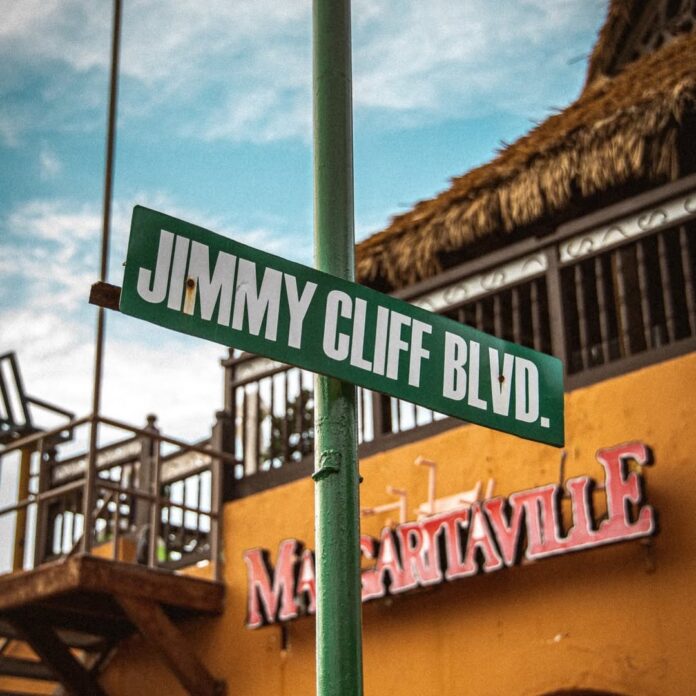
Jimmy Cliff Boulevard in Montego Bay, Jamaica 📷: @vybeframe

The municipal corporation in the western parish of St James Parish has approved a resolution to erect a statue of late reggae icon Jimmy Cliff at the entrance to Jimmy Cliff Boulevard in the resort city of Montego Bay.

The resolution, which will be submitted to the Ministry of Culture, Gender, Entertainment and Sport for review, was presented and unanimously approved by councillors at a recent meeting of the municipal body.

The move comes two months after Government Senator Charles Sinclair called for Cliff’s home in Somerton, also in St James, to be converted into a museum and for a statue of the celebrated entertainer to be installed along Jimmy Cliff Boulevard.

Presenting the resolution, Councillor Damion Brown of the Montego Bay West division cited previous efforts to honour Cliff’s contribution to the parish and Jamaica, including the March 2019 renaming of Jimmy Cliff Boulevard, formerly Gloucester Avenue.

“Whereas Jimmy Cliff has, in his chosen vocation, achieved local, regional, and international acclaim, and has contributed to the recognition and development of Brand Jamaica, and has done so in a manner which has been inspirational and dignified… be it resolved that this honourable council collaborate

with the honourable Minister of Sport, Entertainment, and Gender to commission and erect a statue at a suitable location at the entrance to Jimmy Cliff Boulevard,” Brown said while reading the resolution.

He added that the council also intends to work with Cliff’s family to establish a museum in his honour at an appropriate location in St James.

“Be it further resolved that this council, in collaboration with the family of Jimmy Cliff, establish a museum in his honour at an appropriate place in the parish of St James. Be it further resolved that the resolution be sent to the honourable Minister of Culture and to the municipal corporations, for action and support,” Brown said.

Terri Lyons wins second Calypso Monarch title at Dimanche Gras

Terri Lyons secured her second Calypso Monarch crown early Monday at the end of the Dimanche Gras show held at the Queen’s Park Savannah in Trinidad and Tobago.

Lyons, who first won the title in 2020, emerged as the clear favourite on the night with her spiritually themed song “Blessings”, which earned a lengthy standing ovation from both the Grand and North Stands. The North Stand reopened for the competition for the first time since 2012.

She walked away with a $1 million cash prize and a Suzuki Vitara, courtesy of Lifestyle Motors.

While Lyons’ victory was warmly received by the larger-than-average audience, the announcement of other results in the Calypso Monarch competition drew audible jeers from sections of the crowd, with some patrons expressing dissatisfaction over the placings.

“They cheat,” one patron shouted, while another called out, “They (the judges) doing it again.”
The boos quickly turned to cheers, however, when Lyons was confirmed as the eventual winner.

Finishing second was this year’s National Action Cultural Committee Young King, Rivaldo London, who performed “Water Thicker”.

Nine-time Chutney Soca Monarch Rikki Jai (Samraj Jaimungal) placed third with “Doh Spoil Meh Name”.

Crowd favourite Karene Asche finished fifth with her fiery political commentary “Nobody Wins Until”, while defending champion Helon Francis placed sixth with “Doh Forget”.

Although there were no issues with Francis’ performance inside the venue, there was a reported audio drop during the live broadcast. The technical glitch sparked conspiracy theories on social media, with some users suggesting he had been sabotaged due to his political commentary.

Other finalists included Yung Bredda, who placed fourth with “The Messenger”; Nicole Thomas-Clarke, seventh with “Sacrifice”; Ta’Zyah O’Connor, eighth with “Cast Them Away”; Giselle Fraser, ninth with “No Village Can’t”; Muhammad Muwakil, 10th with “Calypso”; Kerice Pascall, 11th with “No Conscience”; and Roslyn Hayes, 12th with “Calypso Calling Me”.

Final results:

  1. Terri Lyons — Blessings (263)

  2. Rivaldo London — Water Thicker (245)

  3. Rikki Jai — Doh Spoil Meh Name (241)

  4. Yung Bredda — The Messenger (240)

  5. Karene Asche — Nobody Wins Until (239)

  6. Helon Francis — Doh Forget (237)

  7. Nicole Thomas-Clarke — Sacrifice (236)

  8. Ta’Zyah O’Connor — Cast Them Away (235)

  9. Giselle “GG” Fraser — No Village Can’t (230)

  10. Muhammad Muwakil — Calypso (228)

  11. Kerice Pascall — No Conscience (225)

  12. Roslyn Hayes — Calypso Calling Me (212)

97% of JPS customers restored as overseas crews prepare to leave Jamaica

JPS

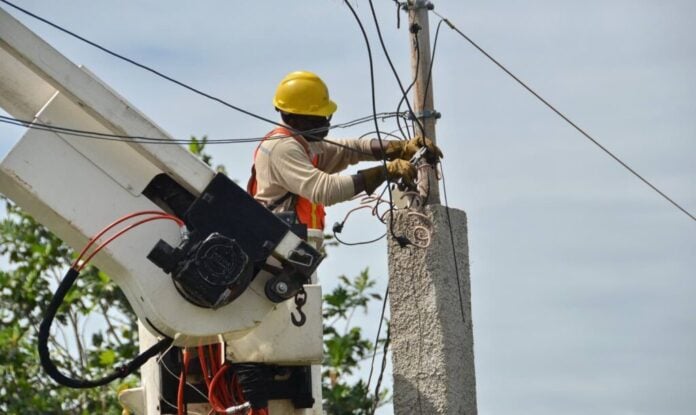
More than 97% of customers served by the Jamaica Public Service Company (JPS) now have electricity restored, as overseas crews who have been assisting with recovery efforts since late October 2025 prepare to depart the island this weekend.

JPS President and Chief Executive Officer Hugh Grant said the company has reached the “last mile” of restoration following months of work to rebuild sections of the power grid damaged by Hurricane Melissa.

Speaking at Wednesday’s post-Cabinet press briefing at Jamaica House, Grant disclosed that approximately 97.5% of JPS customers — about 673,000 of its 690,000 customers — now have power across the island.

“This is the last mile,” he said, noting that the departure of North American line crews marks a significant transition as the company enters the final phase of restoration.

The demobilisation of the overseas workers will be accompanied by a redeployment of local and regional crews from central and eastern parishes, where restoration has largely been completed, to the western region where work is ongoing.

Grant said support continues from 18 Caribbean utilities through the Caribbean Electric Utility Services Corporation (CARILEC), along with regional contracting firms working alongside JPS teams to complete the recovery.

“This progress did not happen by chance. It reflects methodical preparation, investment in our grid, anchored with improvements in technology, disciplined planning, strong execution and very importantly, heightened and effective partnerships,” he said.

Grant noted that JPS adopted a customer-focused approach to ensure fast and safe restoration, including enhanced pre-hurricane coordination with regional utilities, a new incident command structure to streamline response efforts, expanded stakeholder engagement and clearer communication with customers.

He added that innovations such as emergency mobile power generators enabled essential services to resume operations more quickly and allowed businesses to reopen while permanent infrastructure repairs were carried out.

Jamaican line workers, he said, formed the cornerstone of the restoration effort, supported by overseas crews, particularly from North America.

“The work involved heavy lifting in devastated communities, rebuilding the backbone of the grid and using specialised, large equipment to stabilise and rebuild damaged infrastructure,” Grant said, while expressing gratitude to the international crews for their support.

He also credited partnerships with the Government of Jamaica, the National Water Commission (NWC), National Works Agency (NWA), telecom providers Flow and Digicel, CARILEC and members of the business community for helping to advance the recovery effort.

“These partnerships have carried us thus far, and it is these partnerships that will carry us through the final stages of restoration,” Grant said.

US Coast Guard, partners seize US$5.6m in cocaine off Fort Lauderdale

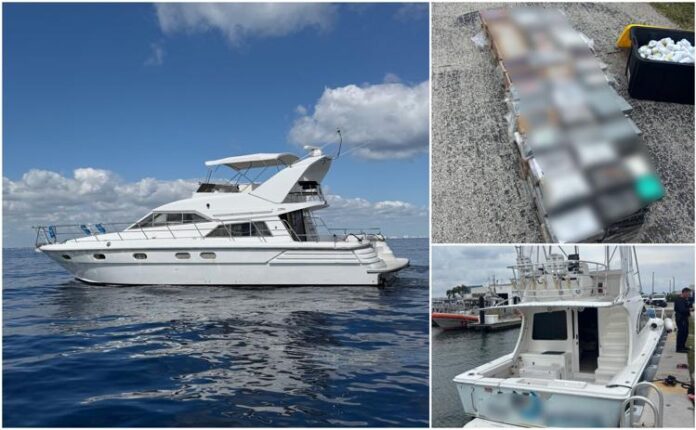
Cocaine seized from two suspected smuggling vessels off the South Florida coast was turned over to federal authorities for investigation.. Courtesy of US Coast Guard Southeast

U.S. authorities say they have seized two suspected drug-smuggling vessels carrying an estimated US$5.6 million worth of cocaine off the coast of Fort Lauderdale in a joint operation involving multiple federal agencies.

According to the U.S. Coast Guard, approximately 745 pounds of cocaine were intercepted during the operations, which were carried out by a Station Fort Lauderdale law enforcement boat crew alongside officers from Customs and Border Protection and agents from Homeland Security Investigations.

Authorities reported that the first interdiction took place Monday in the vicinity of the Fort Lauderdale sea buoy, where a Station Fort Lauderdale boat crew and a CBP Office of Field Operations K9 unit stopped a suspected smuggling vessel.

A second vessel was intercepted on Wednesday about seven miles east of Port Everglades by a Station Fort Lauderdale law enforcement crew.

Lt. Justin Dadlani, commanding officer of Station Fort Lauderdale, said the seizure underscores the importance of coordinated enforcement efforts.

“The Coast Guard is in the business of saving lives, and every kilogram of these drugs kept off our streets represents lives saved,” Dadlani said. “I couldn’t be more proud of the professionalism of the crew and our continued partnerships with Customs and Border Protection and Homeland Security Investigations.”

Officials said the interdictions form part of a broader multi-agency strategy to secure U.S. borders and disrupt transnational criminal organizations involved in narcotics trafficking and human smuggling.

Between Scylla and Charybdis: Jamaica’s budget after Hurricane Melissa

Jamaica hurricane melissa
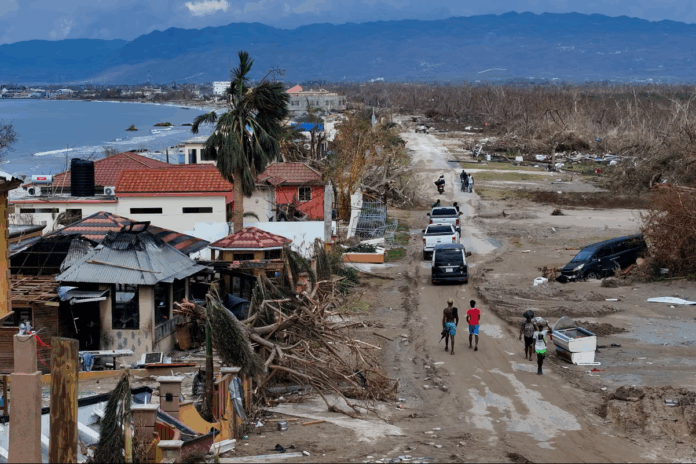
Drone image captures residents navigating down a flood-scarred street in Black River, Jamaica, as recovery begins following Hurricane Melissa. Photo Credit - Maria Alejandra Cardona

For the first time in eight years, Jamaica’s national budget will see the introduction of revenue measures that will result in a net addition to tax revenue. This period saw no new taxes introduced, no increases in existing tax rates, the abolition of some categories of nuisance taxes, and even the lowering of Jamaica’s General Consumption Tax (GCT).

The move to implement a J$35-billion tax package over the next two fiscal years to 2028, along with the central government’s decision to continue its annual transfer of J$11.4 billion from the state agency responsible for housing, has stirred considerable debate. The government argues that this became a last resort in the aftermath of Hurricane Melissa, which struck the island with devastating force last October, and is intended to prevent the need to rely entirely on borrowing to fill its fiscal gap, projected to range from 1.5% to 4.9% of gross domestic product (GDP) over the next four years.

Those accumulated deficits translate to just over J$500 billion and will bring Jamaica’s total debt stock to J$2.9 trillion by 2030, with inflows from several multilaterals and an uptick in domestic borrowing accounting for the increase. Some debt obligations have also been deferred owing to a planned reduction in the primary surplus to almost nil, which releases more resources previously dedicated to debt repayment to be redirected to the initial phase of the recovery effort.

Much focus has been on the necessity of tax measures to supplement borrowing. The government has insisted that, to the greatest extent possible, any borrowed funds should be directed to capital expenditure to enable faster reconstruction, revenue generation and economic growth, while tax revenues should finance recurring expenses — an unobjectionable position in principle.

Borrowing, capital spending and fiscal reality

In practical terms, however, this is not borne out fully in the nature of the budget. Jamaica’s capital budget has historically been small as a proportion of GDP and represents less than 5% of the entire budget. The opening up of fiscal space over the last 15 years has resulted in only marginal increases to that growth-enhancing side of expenditure, which remains well below the levels needed to truly accelerate development.

This year, the capital budget is projected to increase from J$55 billion to just under J$100 billion and will remain above J$80 billion until 2030. Meanwhile, loan receipts over the same period total between J$230-billion and J$440-billion — a significant increase from previous years when loans tracked under J$200-billion annually — and the lion’s share will be financed by domestic rather than external borrowing.

As total borrowing exceeds the amount dedicated to capital expenditure, the balance is expected to assist in funding operating expenses. It therefore becomes clear that some borrowing each year will continue to finance day-to-day government needs.

The government has also maintained a policy of shifting its debt profile toward Jamaican dollar-denominated debt, effectively reducing its appetite for foreign-currency borrowing. Laws, rather than economic forces alone, have largely undergirded Jamaica’s macroeconomic transformation over the last 15 years, beginning with the passage of the Financial Administration and Audit (FAA) Act, which contains the country’s fiscal rules and was later strengthened to provide policy flexibility precisely for shocks such as Hurricane Melissa.

This legislative framework curtailed the government’s earlier inclination toward overspending and compelled successive administrations to adhere to a sustained programme of debt reduction. The result has been the stabilisation of the public debt stock at around J$2 trillion. Jamaica’s initial debt target of 60% of GDP was set to be achieved this March, prior to Melissa’s intervention.

Debt structure and vulnerabilities

Jamaica’s success in bringing its debt down to more manageable levels as a proportion of economic output underscores the difficulty of the task. Much of the country’s debt is owed to multilateral institutions, including the World Bank, IMF and USAID. Interest rates have historically been comparatively higher than the concessional terms offered by some bilateral lenders, making repayment conditions more rigid and largely non-negotiable.

This has conferred a deeper responsibility on the country to maintain creditworthiness and meet strict repayment obligations. While some counterparts carry higher debt-to-GDP ratios, their interest rate structures are often more favourable, reflecting lower perceived risk and greater certainty of repayment. Jamaica has not always enjoyed that luxury.

Additionally, with roughly two-thirds of Jamaica’s debt denominated in foreign currency — mostly US dollars — exposure to exchange rate depreciation remains a persistent risk, adding billions of Jamaican dollars to the debt stock annually despite reduced volatility and ongoing efforts to shift toward more local-currency instruments. Taken together, this debt profile reinforces the need for continued fiscal caution.

Growth pressures and the taxation dilemma

The government’s instinct to guard against excessive borrowing is therefore well-founded, leaving expenditure cuts or additional taxation as the main alternatives. It has opted for the latter, but not without consequences.

Prior to Hurricane Beryl, which preceded Melissa by a year, economic growth in Jamaica had already been decelerating for 18 months following its rapid COVID-19 recovery. Growth is now projected to be negative for all of 2026, while inflation is expected to rise in the medium term and interest rates remain elevated. This is not a spender’s economy. Yet consumption spending typically drives recovery in the immediate aftermath of a crisis.

Additional taxation — particularly on consumption — could further dampen activity at a time when it needs to accelerate. The benefits from capital expenditure projects will take time to materialise. Unlike the post-COVID period, there is little pent-up demand to fuel a spending rebound, meaning economic activity will require stronger incentives if GDP recovery is to occur quickly enough to prevent further strain. Growth is only estimated to peak at around 3% before returning to Jamaica’s long-run trajectory of 1–2%.

Proponents argue that the government needs the additional revenue to fund recovery. However, it is worth recalling that at the height of COVID-19, when Jamaica similarly needed revenue, GCT was lowered from 16.5% to 15%, helping to stimulate consumption and support recovery — a classic example of counter-cyclical fiscal policy.

Undoubtedly, the government faces serious choices in the years ahead and difficult trade-offs in balancing fiscal prudence with economic recovery. Navigating the aftermath of yet another external shock will require careful judgment, precision and sustained policy discipline.

Keenan Falconer is an Economist with experience across Jamaica’s public and private sectors and the multilateral financing space. Send feedback to keenanjfalconer20@gmail.com.

Trusted Chicago drugged driving accident attorneys for serious injury claims

driving

Driving under the influence of drugs is a problem in the United States and it is a problem in Chicago too. For a time people have known that driving after drinking is very bad and can hurt people. Driving after taking drugs is also very bad. This includes drugs, medicine that a doctor prescribes and even medicine you can buy without a prescription. Drugged driving accidents can hurt people badly and the people who get hurt often feel very upset and have financial problems. Chicago attorneys who specialize in driving accidents help the people who get hurt make the drivers who were careless pay for what they did and they help the victims get money to make up for what they lost. Chicago drugged driving accidents attorneys are very serious. The attorneys in Chicago work hard to help the victims of drugged driving accidents.

With this for Understanding Drugged Driving in Chicago

They can also used drugged while driving this can als happens when those  driver was have been behind the wheel of these car. While they are not been able to drive properly which this because of something they took. This can be the first things, like marijuana, opioids or from the other strong medicines that those doctor gives you. It might also be things that you buy at the store without those prescription. Even if not some of the doctor tells you to take those medicine it can still affect on how well you can carry to drive. It might it hard to by coordinate what you are doing or just to react enough or to make good decisions or just not to pay attention to what is going on around you. Those drugged driving from which those driver operates the vehicle and these has the substances like marijuana or the opioids or by those stimulants this might affect their ability by driving safely.

With Those Dangers By the Influence of Drugged Driving

Drugged driving is bad news on the busy streets of Chicago. Drivers who are under the influence of drugs often have a lot of problems such as:

  • They cannot react enough to things that happen on the road
  • They have a time staying in their lane and driving straight
  • They do not pay attention to what’s going on around them

Drugged driving is very dangerous and it puts a lot of people at risk including the drivers who are under the influence of drugs their passengers and other people who are on the road like pedestrians and other drivers and drugged driving is a big concern, in Chicago.

  • Slower reaction times
  • Poor decision-making abilities
  • Difficulty maintaining lane control
  • Reduced coordination and motor skills
  • Drowsiness or sudden loss of focus

For this driving under the influence from those drugs this can be very bad. This might drugged those drivers even more this can likely to be in accidents, that such as head on this collisions or when these crash into the other car in front of them. Drugged drivers may also be in pedestrian accidents or big crashes with a lot of cars.

Common Drugs Involved in Impaired Driving Accidents

Chicago drugged driving accident cases can involve a lot of things including:

  • alcohol
  • prescription medication
  • street drugs
  • over the counter medication

Chicago drugged driving accident cases are very serious. Chicago drugged driving accident cases can be hard to figure out. Chicago drugged driving accident cases often involve different substances.

Injuries Common in Drugged Driving Accidents

People who get hurt in accidents caused by driving often get really badly injured. These injuries can be very serious. Can change their lives forever. Some of the things that can happen to victims of driving accidents include:

  • Wit this Traumatic brain injuries
  • Spinal for the cord injuries and paralysis
  • Broken of the bones and fractures
  • Internal bleeding and by those organ damage
  • Severe of burns and some disfigurement
  • Those soft tissue injuries
  • These emotional trauma and from the post traumatic stress disorder (PTSD)

Those victims of something are often need to go to the doctor for an lot and they need to get better slowly over time. They might also need to be taken care of for those time. These can also cost of all this can might been really high. Those victims this can get really been overwhelmed by these costs if they are not geting help from those lawyer. Those victims are need help with these costs so they might focus on getting better.

Those Determining The Liability in These Drugged Driving Cases

By proving that someone is liable in this driving accident case can be really tough. These chicago has been drugged while driving the accident attorneys will do all thorough job of looking into what happened. They also want just to figure out if there someone was the negligent for it. To do this they look at a lot of things, like police reports and toxicology results. They also check records and watch surveillance footage. Sometimes they even talk to witnesses to get their statements. The Chicago drugged driving accident attorneys have to look at all of these things to understand what really happened in the driving accident case.

Compensation Available to Victims

People who get hurt in accidents caused by drivers who’re under the influence of drugs, in Chicago may be able to get money for a lot of different things including:

  • With this medical expenses and for the future treatment costs
  • Lost of wages and by reduced earning capacity
  • Those pain and also suffering
  • The emotional distress
  • These rehabilitation and from those therapy expenses
  • These property damage
  • Loss by those enjoyment of the life

When someone is really careless or does something bad on the road the people who get hurt can try to get punitive damages from the driver who did something wrong. The goal of damages is to punish the bad driver and stop others from doing the same thing. The idea is to make the driver pay for what they did and to make sure they do not do it again. This is, about the driver who caused the problem the bad driver and making them take responsibility for their actions the actions of the bad driver.

These Challenges Are Been Drugged Driving Accident Claims

While in this drugged driving accidents these are the things that really tough to have deal with. They are different from accidents that happen when someone is drunk. You see, when someone is drunk the police can use a tool to measure how much alcohol is, in their body.. With drugs it is not that simple. Some drugs stay in your body for a time even after they have stopped affecting you.. Some drugs are just hard to find in your system. Drugged driving accidents are tricky because of this. Drugged driving accidents require a lot of work to figure out what really happened.

Why Hiring a Chicago Drugged Driving Accident Attorney Matters

Navigating the process after a serious accident can be really tough especially when you are trying to get better, from your injuries. A skilled attorney helps you a lot by:

  • Conducting detailed accident investigations
  • Gathering and preserving critical evidence
  • Consulting with medical and accident experts
  • Handling communication with insurance companies
  • Negotiating fair settlements
  • Representing clients in court if necessary

Having a lawyer who knows what they are doing is really helpful for people who have been hurt. This way the victims can focus on getting better while their lawyer takes care of all the things, about their case. The lawyer will handle the case and the victims can just think about recovering from what happened to them.

What to Do After a Drugged Driving Accident in Chicago

You should go see a doctor away even if the injuries do not look that bad. The doctor can check out the injuries. Make sure you are okay. You should get help immediately even if the injuries, from the accident appear minor by Visit this website.

Jamaica charts bold path to 8 million visitors and US$10 billion by 2030

Jamaican Canada Tourism

Jamaica is setting its sights on a historic tourism milestone, aiming to welcome eight million visitors and generate US$10 billion in earnings by 2030. The Government unveiled its strategic roadmap for the 2026/2027 fiscal year during the Throne Speech at Gordon House on Thursday (February 12).

Governor-General His Excellency the Most Hon. Sir Patrick Allen highlighted plans to diversify tourism source markets, with a particular focus on Latin America, the Middle East, and India. “The goal is to raise the Latin American market share from two per cent, to 10 per cent by 2027,” he said.

The roadmap also prioritises the Local First Initiative, launched in October 2025, which aims to ensure that tourism investments translate directly into jobs and contracts for Jamaicans. By strengthening partnerships with Micro, Small, and Medium-sized Enterprises (MSMEs), the initiative is designed to boost domestic sourcing and support sustainable growth.

Reflecting on the 2025/26 fiscal year, Sir Patrick noted that the industry rebounded strongly after Hurricane Melissa, welcoming 3.7 million visitors and generating US$3.8 billion in revenue. The Tourism Recovery Task Force was credited with leading a rapid national response that allowed the sector to fully reopen by mid-December, reassuring global markets that Jamaica remained open for business.

Among the key policy advances is the Cabinet-approved Destination Assurance Framework and Strategy, described as the world’s first codified destination assurance policy. It guarantees safe, seamless, high-quality visitor experiences while strengthening standards for public order across the island.

Legislative work is also progressing on the new Tourist Board Act, the Modernised Travel Agencies Act, and amendments to the Bath of the Apostle and Milk River Bath Acts, paving the way for new public-private partnerships in the tourism sector.

With these initiatives, Jamaica is positioning itself not just as a top Caribbean destination but as a global model for sustainable, high-quality tourism.

Mohamed lawyers seek suspension of extradition proceedings pending appeal

Azruddin Mohamed

Lawyers representing Guyana’s Opposition Leader, Azruddin Mohamed, and his father, billionaire businessman Nazar “Shell” Mohamed, are asking the Court of Appeal to suspend extradition committal proceedings in the magistrate’s court.

The Mohameds are wanted in the United States on fraud and related charges. Their legal team argues that suspending the proceedings is necessary for a meaningful substantive appeal of an earlier High Court ruling on the Authority to Proceed (ATP).

“For the substantive appeal to be meaningful, the proceedings before the learned magistrate ought to be stayed otherwise, if successful in the substantive appeal, the proceedings before the learned magistrate may have well advanced or concluded to the detriment of the Appellants who would be committed to prison to await extradition or the outcome of habeas corpus proceedings,” the lawyers said in court documents.

Chief Justice Navindra Singh previously dismissed a case challenging Home Affairs Minister Oneidge Walrond’s decision to issue the ATP to Principal Magistrate Judy Latchman, which the Mohameds had argued was influenced by political bias from the ruling People’s Progressive Party Civic-led administration.

Azruddin Mohamed, leader of the main opposition We Invest in Nationhood (WIN) party, which won 16 of 65 National Assembly seats in the September 1, 2025, elections, and his father have also been sanctioned by the US Treasury Department’s Office of Foreign Assets Control (OFAC). They are accused of smuggling more than 10,000 kilogrammes of gold worth over US$50 million and failing to pay the relevant taxes.

A US Federal Grand Jury last October unsealed an 11-count indictment against the Mohameds, alleging wire fraud, mail fraud, and money laundering, prompting a US extradition request now before local courts.

Their attorneys—Roysdale Forde, Siand Dhurjon, and Damien Da Silva—cite governmental, apparent, unconscious, and Attorney General bias, as well as errors in the High Court’s legal reasoning. They note that Magistrate Latchman’s scheduling could complete committal proceedings within a month, creating a “most conspicuous and real risk of injustice, danger and serious prejudice” if a stay is denied.

The lawyers are seeking to quash the ATP issued by Walrond, arguing that it violated their clients’ fundamental rights, and contend that the judge erred by not properly considering the relevance of apparent bias or the substance of the ATP decision over its classification.

They maintain that granting a stay would not prejudice the respondents or the US authorities.

New sugary drinks tax could lead to healthier population, says Minister Tufton

Jamaica’s Health and Wellness Minister, Dr. Chris Tufton, says the newly announced tax on sugary drinks will not be a burden if consumers make a conscious choice to reduce their intake.

“The goal is to foster a culture of moderation, improve health outcomes, and reduce disease burden without alienating industry stakeholders,” Tufton said Friday after a meeting with unit heads at his ministry. He noted that efforts to lower sugar content in soft drinks predate the announcement by Finance Minister Fayval Williams on Thursday.

Tufton emphasized that decreasing sugary drink consumption could lead to healthier families and a healthier nation. “It will also lead to a decrease in diabetes and obesity,” he said. He recalled that in his 2018/19 sectoral debate, he announced that effective January 2019, the government would restrict certain types of sugary drinks in schools and public health institutions.

“By sugary drinks we mean beverages that contain sugar added by the manufacturer. It does not include 100 juice or unsweetened milk,” Tufton said at the time, adding that it was part of the response to the obesity crisis.

The new levy, outlined in the Ministry Paper on Revenue Measures for 2026/2027, proposes a special consumption tax (SCT) of $0.02 per millilitre on non-alcoholic sweetened beverages, projected to raise $10.1 billion in the 2026/27 fiscal year. The measure is expected to take effect in the first quarter of the new financial year.

PwC Jamaica’s analysis of the tax highlighted its potential impact on consumption behaviour. “There is no question as to the effects of an unhealthy diet on the Jamaican population. To the extent that the measures seek to drive a change in consumption behaviour, consideration could be given to applying a lower SCT rate on beverages below a certain sugar content (or excluding unsweetened beverages) and applying a higher rate to those above the threshold. This would incentivise manufacturers and importers to decrease manufacture/importation of beverages with a higher sugar content, while still raising revenue,” the audit and consultancy firm said.

However, the measure has faced criticism from industry stakeholders. Wisynco Group Chairman William Mahfood warned it could disproportionately affect Jamaica’s poorest households without significantly reducing consumption or improving public health.

Tufton urged manufacturers to reformulate products by using less sugar, stressing the importance of a balanced, non-hostile conversation that encourages industry reformulation and addresses the urgent public health risks of high sugary drink consumption, especially among low socio-economic groups.


Barbados Cabinet and Parliamentarians to be sworn in Monday

The Barbados government will hold the swearing-in ceremony for new Members of Cabinet and Parliament on Monday, February 16, at CARIFESTA House, Waterford, St. Michael.

The ceremony is set to begin at 10:00 a.m., with officials taking their Oaths of Office before the President, His Excellency Lieutenant Colonel The Most Honourable Jeffrey Bostic.

Prime Minister Mia Amor Mottley and Attorney General Wilfred Abrahams were already sworn in last Thursday during a brief ceremony at State House. They took the Oath of Office in the presence of President Bostic, family members and other specially invited guests.

The Barbados Police Service has advised that traffic in the surrounding areas will be fluid between 6:00 a.m. and noon. Motorists are encouraged to use alternate routes to avoid delays. Those travelling from Hothersal Turning, Lears, and nearby areas toward Bridgetown are advised to use the ABC Highway via The Belle and access the My Lord’s Hill exit rather than Waterford Bottom, unless they have specific business in the area.

Combermere School will remain open, with parents and guardians able to drop off children as usual. Police officers will be stationed at key points to assist with traffic flow and guide motorists. The Barbados Police Service and government have apologised for any inconvenience caused by these temporary traffic adjustments.