Home Blog Page 38

Bermuda launches initiative aimed at ending homelessness

Bermuda Youth, Social Development and Seniors Minister Tinee S. Furbert
Tinée Furbert, the Minister of Youth, Social Development and Seniors (File photograph by Blaire Simmons)

The Bermuda government has announced a new initiative aimed at ending homelessness in the British Overseas Territory, describing it as a coordinated, evidence-based effort to ensure every resident has access to safe and stable housing.

Minister of Youth, Social Development and Seniors Tinée S. Furbert said the initiative represents a significant milestone in the David Burt administration’s ongoing commitment to addressing homelessness in a unified and humane manner.

Furbert said the goal is to ensure that everyone has a safe, stable and sustainable place to live, while also preventing new cases of homelessness wherever possible.

“Recognising that no model will eliminate the risk of homelessness, should homelessness occur, systems are in place to ensure that it is rare, brief and non-recurrent,” she said. “Please be aware that homelessness is not only a housing plan, but also a step toward reconnection as homelessness for some is seen as a form of escape, freedom or can be due to complex personal circumstances.”

The minister said the plan took approximately two and a half years to develop and was informed by data and insights from more than 400 Bermudians experiencing homelessness, as well as hundreds of hours of collaboration with community experts, government and non-government partners. Research into solutions from more than 40 countries also informed the initiative.

Public consultations were also held through town hall meetings and the government’s Bermuda Citizens Forum. A Homelessness Advisory Panel, comprising representatives from the public, private and non-profit sectors, was later established to refine the work.

The resulting Plan to End Homelessness is structured around seven core areas, including reducing rough sleeping, improving data collection and monitoring, expanding access to affordable housing, coordinating service delivery, implementing public policy reforms and increasing public awareness.

Furbert said the plan incorporates international best practices adapted to Bermuda’s social and economic realities.

A key feature of the plan is a comprehensive definition of homelessness based on the European Typology on Homelessness and Housing Exclusion (ETHOS), which recognises that a home has physical, social and legal dimensions. The plan outlines 13 operational categories to better identify the different circumstances faced by those experiencing homelessness.

The minister said the initiative also includes “point-in-time” data as of December 31, 2025, collected through the HOME administrative system.

The data showed 170 people living rough and 99 staying in night shelters. It also recorded 217 individuals in accommodation for the homeless, 33 in women’s shelters, 24 in accommodation for immigrants and 113 people due to be released from institutions without housing arrangements.

Additionally, 188 people were living in insecure accommodation, 130 were under threat of eviction and 15 were under threat of violence. Another 89 individuals were living in temporary or non-conventional structures.

Furbert noted that the data reflects specific individuals and is not statistically extrapolated, meaning overall homelessness levels may be higher. The plan also referenced census-based figures showing 82 people experiencing homelessness in 2010 and 138 in 2016.

The minister said the initiative adopts a prevention-focused approach, prioritising early intervention and rapid rehousing, while calling for systemic reforms in data collection, service delivery, housing supply, welfare entitlements and statutory protections.

The strategy also aims to rapidly reduce rough sleeping, improve homelessness data systems, expand affordable housing and strengthen public education and awareness.

Furbert said the ministry has also developed a four-year National Homelessness Action Plan covering 2025 to 2028 to guide implementation.

“This action plan translates vision into action. It will establish government’s clear priorities and provide a structured, phased framework to guide implementation, while optimizing the use of existing programmes and resources,” she said.

The minister added that the action plan is guided by prevention-first, trauma-informed, person-centred and rights-based principles, and emphasises collaboration across ministries, inclusion of persons with lived experience and the use of reliable data to measure progress.

PAHO issues new clinical guidelines for severe yellow fever cases in the Americas

yellow fever

The Pan American Health Organization has released new clinical guidelines aimed at improving the management of severe yellow fever cases and strengthening the capacity of healthcare workers across the Americas.

The new guidance is designed to support timely, life-saving care for patients affected by Yellow fever, which can trigger outbreaks with high numbers of infections and deaths in a short period.

According to PAHO, there is currently no specific treatment for yellow fever, making early detection of suspected cases, close monitoring of high-risk patients, and timely referral to intensive care units critical to reducing complications and saving lives.

“This guideline provides evidence-based clinical recommendations to support decision-making and improve the care of severe yellow fever cases,” said Ángel Rodríguez. “It also serves as a key tool to strengthen preparedness and response across health services in the Americas.”

The new guidance complements PAHO’s 2023 clinical management guidelines and forms part of the organisation’s broader response to a public health emergency recorded between 2024 and 2025, when the average case fatality rate for yellow fever reached about 45 percent.

The updated recommendations include guidance on case detection, diagnosis, severity classification, initial management, and comprehensive patient care.

Yellow fever is caused by a virus from the Flavivirus genus and is transmitted through mosquito bites. In jungle environments, transmission typically involves mosquitoes from the Haemagogus and Sabethes genera, while urban transmission can occur through Aedes aegypti and Aedes albopictus. Severe infections can progress rapidly and may lead to complications such as acute liver failure requiring intensive medical care.

The disease has re-emerged as a growing public health concern in recent years. Since 2024, outbreaks have been reported in several South American countries, including areas outside the traditional Amazon basin, indicating an expansion of risk zones.

In 2025, 346 confirmed cases and 143 deaths were reported across seven countries: Bolivia, Brazil, Colombia, Ecuador, Guyana, Peru, and Venezuela. In the first seven weeks of 2026, 34 additional cases and 15 deaths were recorded in Bolivia, Colombia, Peru, and Venezuela.

While there is no specific treatment, vaccination remains the most effective prevention method. A single dose of the yellow fever vaccine provides lifelong immunity, and most recent cases have occurred among unvaccinated individuals.

PAHO said it will continue supporting countries in strengthening surveillance, expanding vaccination coverage among at-risk populations, and improving health systems’ ability to detect and manage severe cases early.

The organization noted that the new guidelines aim to provide healthcare teams with practical, evidence-based tools to standardize care and reduce deaths associated with the disease as climate and environmental factors increase outbreak risks across the region.

Former Trinidad PM Stuart Young wins defamation case against Trinidad Express

stuart-young-trinidad

Former Stuart Young has successfully defended a defamation ruling against Trinidad Express, with the Court of Appeal affirming an award of more than TT$500,000 (approximately J$11.5 million) in damages.

In a judgment delivered Friday, appellate judges Nolan Bereaux, James Aboud and Mark Mohammed dismissed the newspaper’s appeal, upholding an earlier ruling in Young’s favour.

Writing the decision, Bereaux said trial judge Betsy Ann Lambert-Peterson made no error in finding liability or in the overall damages awarded.

The case stemmed from a two-page advertisement published on September 7, 2017, while Young was serving as a Cabinet minister. The advertisement, paid for by a group identified as “Concerned Citizens of T&T,” accused him of misconduct linked to the Public Transport Service Corporation.

The Trinidad Express later acknowledged publishing the advertisement but said it did not know the identity of the client behind it.

However, the Court of Appeal ruled that the newspaper could not rely on legal defences such as reportage or qualified privilege. Bereaux noted that such protections apply to responsible journalism carried out in the public interest — not paid advertisements — particularly where the publisher knew the claims were false.

He also pointed out that the allegations contained in the advertisement had already been debunked in prior reporting by the newspaper itself.

On damages, the court upheld TT$375,000 in general damages but clarified the treatment of additional compensation. Bereaux ruled that the trial judge had improperly combined aggravated and exemplary damages into a single award.

He determined that the additional TT$125,000 should stand as exemplary damages alone, though he described the amount as being at the higher end of the scale.

The ruling leaves the overall award intact, bringing the total damages affirmed by the Court of Appeal to more than TT$500,000.

Haiti approves 282 political parties for elections amid security concerns

hait elections
MINUSTAH/Logan Abassi An ink mark on the thumb shows that this voter in Haiti went to the polls in 2016. (file).

Haiti’s Provisional Electoral Council (CEP) has approved 282 political parties and coalitions to participate in upcoming elections, marking a step forward in a long-delayed electoral process unfolding amid deep insecurity and political uncertainty.

The list, published following a 10-day registration period that ended March 12, saw 320 organisations apply, including most major political parties and political platforms.

However, notable absences include Parti Haïtien Tèt Kale (PHTK), the party of former President Michel Joseph Martelly, as well as the Résistance Démocratique (RED) platform, which includes former officials allied with the late President Jovenel Moïse.

Among those cleared to participate are Fanmi Lavalas, led by former President Jean‑Bertrand Aristide; the Organisation du Peuple en Lutte (OPL); Pitit Dessalines; Les Engagés pour le Développement (EDE), led by former Prime Minister Claude Joseph; and Ayiti An Aksyon (AAA), led by former Senator Youri Latortue.

The CEP said parties not yet approved have until April 2 to complete their registration, meaning the list could still expand.

“The Provisional Electoral Council reaffirms its commitment to conducting an inclusive and impartial electoral process, with full independence and transparency,” the council said in a statement.

Under the electoral calendar, voter registration is scheduled to run from April 1 to June 29, followed by candidate registration from April 13 to May 15. Campaigning for the first round of legislative and presidential elections is expected to take place from May through late August.

Despite this progress, key issues remain unresolved, including the total cost of the elections and how they will be financed.

Earlier this week, Prime Minister Alix Didier Fils‑Aimé met with electoral officials and international partners, including the United Nations Development Programme, United Nations Office for Project Services and the Organization of American States, to discuss funding.

Jacques Desrosiers, president of the CEP, said both financing and improved security are prerequisites for credible elections — the first in more than a decade.

However, Fils-Aimé expressed confidence that the vote will proceed.

“The elections will be held,” he said following the meeting. “Their success is a historic and collective responsibility. Since February 7, 2026, Haiti has entered a new phase of transition, structured around a clear roadmap: restoring security, rebuilding the economy, and organising general elections.”

Holding elections remains a major challenge as violence continues to disrupt daily life. Armed groups, including Viv Ansanm, control large sections of Port‑au‑Prince and key national roads, limiting movement and potentially restricting access to polling sites.

According to the United Nations, more than 1.4 million people have been displaced by violence. Many have also lost identification documents issued by the National Identification Office, complicating voter registration.

Security forces say operations are ongoing. The Haitian National Police reported that 43 suspected gang members were killed during 32 operations in the first quarter of 2026, along with major seizures of weapons and ammunition.

Authorities also plan to deploy additional personnel, including members of Haiti’s armed forces, to support police operations and secure voting areas.

“The army’s strengthening aims to help secure the environment for elections this year,” Defence Minister Mario Andrésol said during a visit to a military base in Léogâne.

Meanwhile, the Multinational Security Support Mission (MSS), led by Kenya since 2024, is gradually scaling down as some contingents return home. Authorities say the mission will transition to a new force, with Chad expected to deploy up to 800 personnel by April 15.

Despite these efforts, critics say security conditions on the ground have shown little improvement, raising doubts about whether elections can be conducted safely and credibly.

For now, the approval of political parties marks progress on paper — but the broader conditions needed for a successful vote remain uncertain.

Jamaica secures US$50 million climate resilience project for farmers

Jamaica to roll out citrus revitalization program

Jamaica is set to benefit from a US$50 million climate resilience project aimed at supporting vulnerable farmers, following approval by the United Nations Food and Agriculture Organization with funding support from the Green Climate Fund.

The initiative, titled “ADAPT Jamaica: Enhancing Climate Change Resilience of Vulnerable Smallholders in Central Jamaica,” was approved Friday during the 44th meeting of the GCF Board in Songdo. The FAO said the project represents the first-ever single-country climate investment Jamaica has received from the GCF.

According to the FAO, the GCF grant contribution amounts to more than US$40 million, with additional financing coming from the Jamaica Social Investment Fund, Ministry of Agriculture, Fisheries and Mining Jamaica, Development Bank of Jamaica, and the FAO.

The project is expected to benefit more than 700,000 people — about half of them women — across six central parishes responsible for roughly 70 percent of Jamaica’s domestic food production.

The FAO said the project targets areas where climate risks and food security challenges are most severe, citing increasing hurricanes, prolonged droughts and erratic rainfall that are already lowering agricultural yields, increasing food loss and threatening rural livelihoods.

“This decision underscores the trust that the GCF and the Government of Jamaica place in FAO’s capacity to deliver solutions to the multiple challenges the country faces,” said FAO Director-General Qu Dongyu.

“Protecting vulnerable farmers and investing in sustainable and resilient agrifood systems is among the smartest choices we can make for climate action that also delivers on the Four Betters: better production, better nutrition, a better environment, and a better life — leaving no one behind,” he added.

Jamaica’s Minister of Agriculture, Floyd Green, described the project as both timely and critical.

“Our farmers are on the frontline of climate change, facing more intense droughts, stronger hurricanes and increasing production risks,” Green said. “This investment allows us to move from response to resilience by strengthening infrastructure, expanding access to climate-smart technologies and improving how farmers produce, store and bring food to market.”

“It is a decisive step toward securing Jamaica’s food systems for the future,” he added.

The FAO noted that agriculture contributes approximately seven percent to Jamaica’s gross domestic product and supports about 18 percent of the population. Smallholder farmers primarily grow root crops, pulses, vegetables and fruits, often on rain-dependent hillside plots, making them particularly vulnerable to climate impacts.

Recent storms have underscored the risks. Hurricane Beryl caused agricultural losses exceeding US$30 million and affected more than 48,000 farmers when it struck Jamaica in July 2024. The FAO also cited Hurricane Melissa, which made direct landfall in October 2025 as the first Category 5 hurricane to hit Jamaica, causing between US$6 billion and US$7 billion in damage and destroying more than 100,000 structures across key agricultural areas.

The FAO also pointed to findings from the Intergovernmental Panel on Climate Change Sixth Assessment Report, which indicates tropical cyclones are expected to intensify as global temperatures rise — meaning Jamaica could face more destructive hurricanes, longer dry periods and increasingly unpredictable rainfall.

Additional challenges include soil erosion from unsustainable hillside farming, deforestation pressures and high post-harvest losses estimated at 30 to 40 percent for many crops. Farmers frequently lose tomatoes, onions and leafy vegetables due to poor storage, limited temperature-controlled facilities and delays in getting produce to market.

The ADAPT Jamaica project aims to address these issues through climate-resilient farming practices, improved water and post-harvest systems, strengthened climate information and early-warning services, and better access to finance and markets.

The FAO said the initiative represents a major investment in Jamaica’s long-term food security and will help stabilize the country’s food supply as climate change intensifies.

Bahamas moves closer to general election as Parliament prorogued

Bahamas PM Philip Davis

The countdown to a general election in The Bahamas has effectively begun after Prime Minister Philip Davis announced Friday that Parliament has been prorogued, ending the current legislative session and signaling that dissolution — and an election — could come at any moment.

In a national address delivered outside the Office of the Prime Minister, Davis confirmed he had advised the Governor-General under Article 66(1) of the Constitution, leading to the issuance of a proclamation to prorogue Parliament.

While the move concludes the current legislative session, Davis clarified that he has not yet advised dissolution, though he indicated that the country is very close to that next step.

“I am very close to ringing the bell,” Davis said, signaling that the formal start of the election period could be imminent.

The Prime Minister also issued a blunt message to voters, urging them to ensure they are properly registered before the election is called. He warned that once the election bell is rung, those who are not registered will be unable to vote.

Davis encouraged citizens not to wait, calling on eligible voters to register immediately, while urging those who have moved to transfer their registration. He also appealed to first-time voters to sign up without delay.

Emphasizing the urgency, Davis called on Bahamians to ensure they are registered, transferred, and verified before Easter, describing the moment as a pivotal one for the country’s democracy.

Despite the approaching election and expected political tensions, the Prime Minister struck a unifying tone, noting that beneath party divisions lies a shared national identity and expressing confidence in the country’s future.

The prorogation of Parliament represents a key constitutional step that places the country just one move away from dissolution, which will officially trigger the general election process.

Trinidad and Tobago opposes CARICOM secretary-general aeappointment

Trinidad Prime Minister Kamla Persad-Bissessar
Prime Minister Kamla Persad-Bissessar

Trinidad and Tobago Prime Minister Kamla Persad‑Bissessar says that her government does not support the reappointment of Dr. Carla Barnett as Secretary-General of the Caribbean Community (CARICOM) and plans to reduce the country’s financial contribution to the regional body.

Her comments come after Dr. Terrance Drew, CARICOM chairman and Prime Minister of St. Kitts and Nevis, issued a statement confirming that during the February CARICOM meeting in St Kitts, the “required majority” of heads of government agreed to Barnett’s reappointment. Her second term is scheduled to begin in August 2026.

However, when contacted by local media, Persad-Bissessar said she did not support the decision.

“No,” she responded when asked whether she agreed with the reappointment.

When further questioned about her reaction, the Prime Minister delivered a sharp critique of the regional bloc.

“CARICOM has been failing for 52 years and will continue to fail for the next 52 years. Trinidad and Tobago is not going to continue funding CARICOM at the current levels that we are providing,” Persad-Bissessar said.

Trinidad and Tobago currently provides approximately 22 percent of CARICOM’s budget, making it one of the largest financial contributors to the regional organization. The funding arrangement follows CARICOM’s formula, under which more developed member states contribute a larger share based on the size of their economies.

Reports indicate that Trinidad and Tobago contributes between US$4 million and US$5 million annually to the regional body. In addition to its direct contribution, the country also provides financial support through regional development funds, energy-related assistance, and trade financing programmes.

Persad-Bissessar’s comments mark one of the strongest public criticisms of CARICOM from a sitting regional leader in recent years and could signal potential tensions within the 15-member bloc as Barnett prepares to begin her second term later this year.

Lightning, Records, and Glory! Blue teams rule Champs 2026

The 116th staging of the ISSA/GraceKennedy Boys’ and Girls’ Athletics Championships ended with an unmistakable theme, blue dominance.

Edwin Allen High reclaimed the girls’ title with 338.5 points, dethroning defending champions Hydel High (259.5), while Jamaica College (JC) surged to 345 points to wrest the boys’ crown from Kingston College (KC), who finished second on 282.

Holmwood Technical (167), Immaculate Conception (110), and St Jago (91) completed the top five among the girls, while Calabar (169.33), St Jago (121.83), and Wolmer’s (105) followed on the boys’ side.

Both champions led from the opening day and never relinquished control, a rare, emphatic statement of sustained excellence across five days of competition disrupted by rain but never short on brilliance.

Closing statement: Relays, resilience, and celebration

Jamaica College put the finishing touch on their 23rd title with victory in the boys’ 4x400m relay, clocking 3:08.18 minutes to hold off a determined Kingston College (3:08.68). William Knibb secured third, while Calabar’s challenge ended in disqualification after a false start.

Hydel High closed their campaign with a win in the girls’ 4x400m relay (3:33.72), but Edwin Allen’s earlier accumulation of points ensured the title was already beyond reach.

Even a lightning-enforced suspension of competition for nearly two hours on Saturday afternoon could not derail the inevitable. When action resumed, both champions maintained composure and closed with authority.

Celebrations unfolded under fireworks and music, with gospel artiste Jermaine Edwards providing the soundtrack to a triumphant night inside the National Stadium.

Sprint supremacy: Relays and raw speed define the night

Edwin Allen’s sprint machine once again proved decisive, particularly in the girls’ 4x100m relays. They secured two victories and two runner-up finishes across the classes, underlining their depth.

Their Class One quartet set the tone with a 44.43-second victory, while Class Four added another win in 47.64 seconds. Though edged into second in Classes Two and Three, their consistent presence at the front proved invaluable in the title race.

On the boys’ side, relay honors were shared. Excelsior captured Class One in 39.53 seconds despite the absence of their 100m champion, Jamaica College took Class Two in 40.32 seconds, and Wolmer’s dominated Class Three in 42.70 seconds.

Douglas delivers: A record for the ages

The performance of the championships belonged to Shanoya Douglas of Holland High.

Her electrifying run of 22.36 seconds in the Class One girls’ 200m not only shattered the Champs record but also established a new national junior mark, the fastest ever by a Jamaican junior female.

Running into a headwind, Douglas dismantled a strong field to complete a sprint double, reaffirming her status as one of the most exciting young talents in Jamaican athletics.

Doubles, records, and distance brilliance

Saturday’s program was rich with athletes completing dominant doubles and rewriting record books.

Julius Itubo of Kingston College delivered one of the standout distance performances, capturing the Class Three boys’ 800m in a meet record 1:57.52 minutes to complete his middle-distance double. Clarendon College’s Alex Jordan-Hall and Edwin Allen’s Kevongaye Fowler mirrored that feat in their respective 800m events after earlier 1500m victories.

Wolmer’s Natrece East added the Class Two girls’ 200m title to her 100m crown, while JC’s Jason Pitter secured his sprint double with victory in the Class Two boys’ 200m.

Ryan Achau of St Jago stamped his authority on the distance scene, winning the 5,000m in 14:42.32 minutes, the second-fastest time in Champs history.

Meanwhile, Denbigh High celebrated a historic breakthrough as Markland Williams delivered the school’s first-ever Champs victory with a superb run in the Class Two boys’ 800m.

Field and hurdles: Records fall, battles intensify

In the field, Edwin Allen’s Addison James produced a landmark performance, launching the javelin 70.30 meters to break the championship record, surpassing the previous mark multiple times in a dominant series.

Clarendon College’s Marla Kay Lampart added to her school’s success with victory in the Class Two girls’ shot put.

Over the barriers, Tashana Godfrey of Edwin Allen equaled the Class Three 80m hurdles record (10.80), successfully defending her title, while Hydel’s Robert Miller and St Jago’s Marquies Page led the charge in the sprint hurdles on the boys’ side.

Hydel mounted a spirited challenge through strong performances in the high jump and hurdles, steadily reducing the deficit at key points, but Edwin Allen consistently found answers to every surge.

Momentum swings and final pushes

Kingston College and Hydel both threatened late rallies, chipping into the leads through disciplined scoring across multiple events.

KC gained ground in the sprints and hurdles, even outscoring JC in key segments, while Hydel cut Edwin Allen’s margin significantly midway through the final day.

Yet each push was met with an immediate response. Whether through middle-distance control, sprint depth, or field event dominance, the eventual champions absorbed the pressure and extended their advantage when it mattered most.

A Championships to remember

From record-breaking sprints to historic firsts, from lightning delays to electrifying finishes, Champs 2026 delivered drama at every turn.

But above all, it will be remembered for its clarity of outcome.

Two teams. One color. Total control.

Edwin Allen and Jamaica College did not merely win, they defined the championships from start to finish.


How do pests enter homes in Chino Hills and how can you stop them?

pests enter homes

Pests can enter a home without warning and create serious problems for homeowners. Small gaps, open vents, and moisture areas can attract insects and rodents. Many people do not notice entry points until damage appears inside the home. These pests search for food, water, and shelter, which makes houses an easy target. This is why it is important to understand how pests enter homes and how to stop them.

Many homeowners search for pest control in Chino Hills after pests become hard to manage. However, knowing how pests enter homes in Chino Hills can help prevent serious problems. Simple home checks and repairs can reduce the risk of infestation. Read this article to gain more knowledge and check these factors to protect your home.

Small Cracks and Wall Gaps

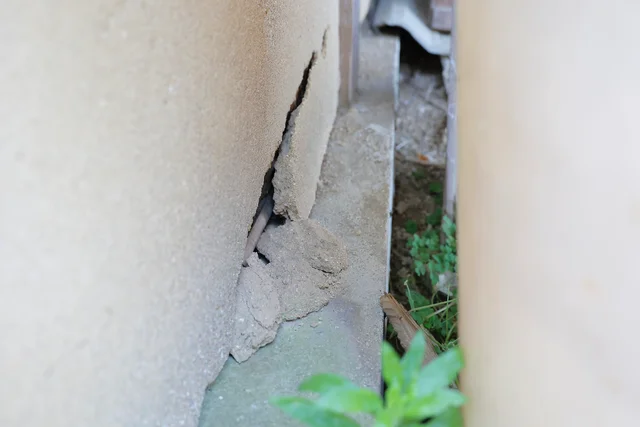
Small cracks around doors, windows, and walls are common entry points for pests. Ants, spiders, and other insects can enter through very tiny openings. Therefore, sealing cracks with proper materials can help reduce pest entry. Damaged walls and gaps around pipes also allow pests to move inside easily. Regular inspection of walls and exterior surfaces helps prevent this problem. Simple repairs can make a big difference in keeping pests outside the home.

Open Doors and Windows

Open doors and windows allow pests to enter homes without difficulty. Flies, mosquitoes, and spiders usually enter through these open spaces. However, window screens and door seals can help stop pests from entering. Damaged screens should be replaced as soon as possible. Keeping doors closed at night also helps reduce pest activity inside the home. These simple steps can help keep indoor spaces protected.

Gaps Around Pipes and Utility Lines

Gaps around plumbing pipes and utility lines are hidden entry points. Rodents and insects use these gaps to enter kitchens, bathrooms, and storage areas. Hence, sealing these openings can help prevent pest movement inside the house. Foam sealant and proper covering can block these spaces. Many homes in Chino Hills have utility openings that should be checked regularly. Blocking these gaps helps reduce the chances of pest infestation.

Roof Vents and Attic Openings

Roof vents and attic openings allow pests such as birds, rodents, and insects to enter. These areas are quiet and safe for pests to build nests. So proper vent covers and roof maintenance can help prevent this issue. Damaged roof tiles and open attic spaces should be repaired quickly. Regular roof inspection helps detect these entry points early. Safe covering of vents helps keep pests out of attic spaces.

Standing Water Around the House

Standing water attracts mosquitoes and other insects. Water near plants, drains, and outdoor containers becomes a breeding area for pests. Therefore, removing standing water helps reduce pest problems around the home. Clean drains and proper water flow also help prevent insects. Many houses in Chino Hills face mosquito problems due to outdoor water sources. Proper outdoor maintenance can reduce this risk.

Garage and Storage Area Entry Points

Garage doors and storage areas are common pest entry points. Rodents and insects hide in boxes, old furniture, and storage items. However, clean and organized storage spaces help reduce pest hiding areas. Sealing garage door gaps also helps prevent pest entry. Regular cleaning and proper storage methods can help control pests in these areas. This also reduces the chances of pests spreading into the main house.

Food and Trash Areas

Food crumbs and open trash attract pests into the home. Ants, cockroaches, and rodents search for easy food sources. Hence, sealed trash bins and clean kitchen areas help prevent pest activity. Proper food storage also reduces the risk of infestation. Many homeowners contact pest control in Chino Hills when pest problems grow due to food and trash exposure. Clean habits help keep pests away from living areas.

Pests can enter homes through small gaps, open spaces, and moisture areas. These entry points are easy to ignore but can lead to serious problems later. Regular home inspection and simple repairs can help prevent infestations. Clean spaces and proper sealing reduce pest activity. Early action and prevention help keep homes safe, clean, and pest free.


Taylor’s century not enough as Windies seek bowling fix against Australia

Stafanie Taylor fifty sees Windies Women avoid whitewash
Former skipper Stafanie Taylor.

BASSETERRE, St Kitts — The path to a West Indies Women’s resurgence in their One-Day International series against Australia women’s national cricket team is becoming increasingly clear, and decidedly urgent.

After a commanding 103-run defeat in the opening match at Warner Park, the hosts find themselves trailing 1-0 in the three-match series, undone largely by an unrestrained Australian batting display.

Six of the visitors’ first seven batters passed 40, combining discipline with aggression to construct a formidable total of 341, one that left the West Indies chasing the game from the outset.

Taylor leads lone resistance

In response, Stafanie Taylor produced a performance of class and resolve, finishing unbeaten on 105 to register her eighth Women’s One-Day International century.

Yet her effort stood in isolation.

No other West Indies batter reached 40, and the innings ultimately closed at 238 for eight, well short of the target, despite Taylor anchoring the chase with composure and control.

Reflecting on her milestone, Taylor acknowledged both the personal satisfaction and the lingering frustration.

“I literally said to myself, ‘long overdue’. I think against Australia I’ve gotten close to making a 100 but never really crossed the line, so it was nice to spend some time at the wicket.

“We didn’t get the win that we wanted, I’m a bit disappointed in that. I wish we had someone in the middle to boost the middle with me batting through, but nevertheless, a 100 is a great feeling.”

Bowling under the microscope

While her century offered a bright spot, Taylor was unequivocal about where the match slipped away.

Containing Australia’s batting firepower, she stressed, must now become the team’s central focus.

“With Australia batting first they are going to come hard at us. I think we need to bowl well, and I think that’s going to be the key.

“Their batters are in good nick and they do hustle between the wickets and they do push you, so I believe that we have to come good with the ball.”

Taylor herself contributed with two wickets through her part-time off-spin, but the broader bowling unit struggled to apply sustained pressure or limit scoring opportunities.

Searching for a series response

Despite the heavy defeat, belief has not been extinguished within the West Indies camp.

Taylor pointed to previous successes against Australia, particularly on home soil, as a reminder that a turnaround remains within reach.

“…We’ve won a few games against them and especially at home, so hopefully if we can get a few wins here at home it would be really nice.”

With the series still alive, the equation is straightforward: improved execution with the ball, stronger partnerships with the bat, and a collective response to one of the most formidable teams in women’s cricket.

The challenge ahead

Australia’s opening statement has set a daunting benchmark, blending depth, discipline, and relentless scoring pressure.

For West Indies Women, the task now is not just to respond, but to recalibrate quickly.

Because as Taylor’s lone century illustrated, individual brilliance can inspire, but only a complete team performance will shift the balance of this series.


Bascombe backs Windies to secure 2027 World Cup spot despite ranking slip

Miles-Bascombe CWI
CWI's Miles Bascombe

ST JOHN’S, Antigua — Despite a recent dip in the international rankings, Miles Bascombe remains unwavering in his belief that the West Indies will secure their place at the 2027 ICC Men’s Cricket World Cup.

The regional side currently sits 10th in the One-Day International standings, just outside the automatic qualification zone for the tournament, which will be hosted across South Africa, Zimbabwe, and Namibia.

That position leaves them narrowly behind Bangladesh, who climbed into ninth following a recent series win over Pakistan, tightening the race for direct entry.

Yet for Bascombe, the situation is far from alarming.

A crucial window of opportunity

With the qualification deadline set for March 28, 2027, West Indies have a defined and potentially decisive stretch ahead, eight remaining One-Day Internationals.

Crucially, all of those matches will come against higher-ranked opposition, presenting both a challenge and a significant opportunity to climb the standings.

“We have eight One Day Internationals between now and March 28, which is the cutoff date. All of those teams outrank us in ODI cricket, which is an opportunity and it means that any victories against these teams would certainly help our cause in terms of automatic qualification.

“So that is what our plan would be, to ensure that we are as prepared as we could be so that we can maximise these eight matches and get as many points as we can,” Bascombe explained.

Lessons from the past, focus on the future

The urgency surrounding qualification is heightened by recent history. The West Indies failed to reach the 2023 edition of the tournament, marking the first time they missed out on cricket’s premier 50-over event.

That absence still lingers, but Bascombe sees the current cycle as an opportunity for redemption rather than a source of pressure.

“I’m confident that we will be very prepared. Judging from what I’ve seen coming out of the World Cup, we will try to maintain that momentum.”

Even if the West Indies fall short of automatic qualification, Bascombe expressed full confidence in their ability to navigate the secondary pathway, the ICC Cricket World Cup Qualifier, which offers four additional spots.

“I’m sure we will maximise these eight matches and if that is not good enough and we have to go to the Qualifiers, we will certainly go there and represent the region and get ourselves into the World Cup, so no, I’m not nervous.”

A defining stretch ahead

The equation is simple but demanding: eight matches, higher-ranked opponents, and little margin for error.

For West Indies, the road to 2027 now hinges on execution, turning opportunity into points, and belief into results.

And if Bascombe’s confidence is any indication, the region expects to be back on the World Cup stage, one way or another.

Australia’s batting blitz overwhelms Windies despite Taylor’s heroics

West Indies Women dominate Bangladesh as Deitz Eyes World Cup Qualification

BASSETERRE, St Kitts — A commanding display from the Australia women’s national cricket team left West Indies Women chasing shadows, as the visitors claimed a decisive 103-run victory in the opening Women’s One-Day International at Warner Park.

Set an imposing target of 341, the hosts were always under pressure, requiring a sustained, near-perfect chase at almost seven runs per over against the world’s top-ranked side. Despite moments of resistance, they closed on 238 for eight, unable to match Australia’s relentless scoring pace.

Taylor stands tall amid collapse

At the heart of the response was Stafanie Taylor, who delivered a composed and determined unbeaten 105 from 129 balls, her eighth Women’s One-Day International century and her first in nearly five years.

Her innings, measured yet resilient, provided the backbone of the chase. However, it unfolded largely in isolation.

Early setbacks disrupted the pursuit when Kim Garth removed Qiana Joseph with the score on 18. Taylor and captain Hayley Matthews briefly steadied the innings, combining for a fluent 40-run stand that hinted at stability before Matthews fell for 22.

Misfortune compounded the pressure. Deandra Dottin’s dismissal, run out after a deflection off the bowler’s hand onto the stumps, halted momentum and left the innings teetering.

A flicker of hope, then fade

The most meaningful resistance came through a fourth-wicket partnership between Taylor and Chinelle Henry, who contributed a valuable 38 on her return from injury. Their 73-run stand briefly revived the chase, lifting West Indies to 149 for three in the 30th over.

During that phase, Taylor brought up her half-century with authority, launching a towering six to underline her control at the crease.

But just as the innings threatened to gather pace, Henry’s dismissal triggered another slide. Wickets fell steadily thereafter, draining the chase of momentum and leaving the lower order with an insurmountable equation.

Though given a reprieve on 94, Taylor remained composed to reach her century off 125 balls, guiding a boundary behind third man. By then, however, the result had long been beyond reach.

Australia’s relentless blueprint

If West Indies’ innings was defined by resistance under pressure, Australia’s was a study in sustained dominance.

Openers Phoebe Litchfield and Georgia Voll set the tone with a brisk 75-run partnership, laying the foundation for a total that never allowed the hosts breathing room.

Even after Voll’s dismissal for 42, the momentum never wavered. Litchfield led with 77, while Nicola Carey (49), captain Sophie Molineux (47), Ellyse Perry (44), and Player-of-the-Match Georgia Wareham (42) ensured a steady procession of contributions.

Six of the top seven batters crossing 40 illustrated both depth and discipline, hallmarks of a side operating at peak efficiency.

Bowling efforts fall short

For West Indies, Afy Fletcher provided the most notable resistance with three wickets, while Taylor chipped in with two. Yet the overall effort lacked the consistency required to contain Australia’s expansive approach.

Kim Garth led the bowling response for the visitors with 3-37, supported effectively by Ashleigh Gardner’s two wickets, as they maintained control throughout the chase.

With Australia now holding a 1-0 lead in the three-match series, West Indies Women face a pivotal moment heading into the second encounter at the same venue.

Taylor’s return to century form offers encouragement, but the broader challenge remains clear: stronger partnerships with the bat and a sharper, more disciplined effort with the ball.

Against a side of Australia’s caliber, anything less leaves little margin for recovery.


From Survival to Showdown! Speid eyes sharper edge against DR Congo

Rudolph Speid

For Rudolph Speid, the 1-0 triumph over New Caledonia was more than a result, it was a revealing test of character.

Jamaica advanced, as intended, but the manner of the victory offered lessons that cannot be ignored. While the Reggae Boyz dictated large stretches of play, their inability to convert chances ensured the contest remained alive far longer than expected.

Speid acknowledged both sides of the performance: control and vulnerability.

“I thought we were aggressive. We pressed in the midfield and we pressed on all occasions and tried to win the ball back as much as possible and I think that helped us,” he reflected.

Yet, beneath that structure lay missed opportunities.

“The first half we were really good. I think we should have scored more goals.”

When control slipped

The match evolved into something far less comfortable after the interval.

Changes disrupted Jamaica’s rhythm, and with New Caledonia chasing the game, the balance shifted. What had been a controlled contest became a test of resilience.

“The second half, once we started making changes the synchronisation was out,” Speid admitted. “New Caledonia being down, didn’t have anything to lose.”

What followed was a sustained spell of pressure that demanded defensive resolve.

“They threw everything at us… we had to defend with our lives to hold on to the lead.”

It was, in many ways, a survival exercise, one that ultimately reinforced the importance of composure under pressure.

Blake the difference-maker

At the heart of that resistance stood Andre Blake, whose presence continues to define Jamaica’s defensive identity.

Speid did not hesitate when asked about his captain’s contribution.

“You mean captain fantastic,” he said. “That’s what he has been over the years.”

He went further, underscoring Blake’s enduring value.

“They said based on his career he should have conceded 30 more goals… so you know the type of keeper that we have. He is one of those that gives you wins by himself.”

On a night when margins were thin, Blake ensured Jamaica’s advantage held firm, yet another reminder of his irreplaceable role.

Respect earned, lessons learned

Speid was equally measured in his assessment of the opposition, rejecting any notion that the semi-final was routine.

“I thought if we had scored our goals, we’d have been out of sight. But credit to New Caledonia, they fought for every single pass, possession and they defended the goal with their lives.”

That resistance, he noted, was no accident.

“You don’t come this far by not being good. They have some quality and they played very well as a team.”

The takeaway was clear: underestimating any opponent at this stage is a risk Jamaica cannot afford to take into the final.

Eyes on DR Congo: A different test awaits

Attention now shifts to a far sterner challenge, Democratic Republic of the Congo.

Ranked higher and battle-tested against elite African opposition, they represent a significant step up in quality.

“They are a good team. They are ranked higher than us… they’ve gone through some pretty important teams… and defeated a team like Nigeria to be here,” Speid noted.

But beyond their résumé, it is their style that commands respect.

“I think they are a really good team and they have a lot of similarities to us, physical, fast.”

For Speid, the matchup promises intensity, balance, and very little margin for error.

One game, one opportunity

The equation is now simple, if not daunting: one match separates Jamaica from a return to the FIFA World Cup for the first time since 1998.

Speid has framed the occasion in unmistakable terms.

“I expect everybody to be firing 100 per cent… because the prize is a huge prize.”

He expanded on what is truly at stake.

“Lots of money waiting for the winners, pride and just the national pride for the country that goes to the World Cup.”

In his view, the final will be defined not just by tactics, but by commitment.

“Both teams will give 100 per cent. We’ll give our best… it’s going to be difficult but we are up for the fight.”

From survival to statement

Jamaica’s semi-final performance may not have been flawless, but it delivered what mattered most, progress.

Now, refinement becomes essential. Efficiency in front of goal, cohesion through transitions, and sustained control will all be required against a more clinical opponent.

The Reggae Boyz have navigated the first hurdle. What remains is the defining step.

For Speid and his squad, the message is unwavering: the moment has arrived, and there is no room left for hesitation.


JC, Edwin Allen tighten grip as records and field dominance define Day Four of Champs

National Stadium track resurfacing faces race against time
An aerial view of the National Stadium

With one day remaining at the ISSA/GraceKennedy Boys and Girls Athletics Championships inside Kingston’s National Stadium, the title races have tilted decisively toward familiar powerhouses.

Jamaica College stands firmly in control of the boys’ competition, amassing 176 points after 19 finals, stretching their advantage to 65 over Kingston College (111). Calabar High remains third on 80.5 points, with the gap to the summit now daunting.

On the girls’ side, Edwin Allen High has created similar separation. With 139.5 points after 22 events, they lead Hydel High (101), while Holmwood Technical (84) and Immaculate Conception (78) continue their pursuit from behind.

Both leaders now enter the final day with one hand firmly on their respective trophies.

Field events take center stage

While anticipation built toward the sprint finals, it was the field that commanded attention throughout the day.

Clarendon College’s Jamelia Young delivered one of the standout performances of the championships, rewriting the girls’ Class Two discus record with a superb 48.40 meters. Her personal best surpassed the long-standing mark of 47.04m, underlining her dominance in the event.

Hydel’s Brandane Malcolm (44.93m) and Excelsior’s Zoeyann Plummer (44.65m) followed, but the contest had already been decisively claimed.

Jamaica College’s Michael-Andre Edwards continued his remarkable Champs legacy, capturing his second gold medal with victory in the Class One triple jump. Producing a best of 16.52m, he reaffirmed his status as one of the most accomplished horizontal jumpers in meet history, adding to his earlier long jump triumph.

Late drama and clutch performances

Few moments matched the tension of the boys’ Class Three long jump, where Jamaica College’s Nathan-Neil Heirs snatched victory with his final attempt.

Trailing for much of the competition, Heirs soared to 6.37m on his sixth jump to overtake Kingston College’s Joel Patrickson (6.12m), delivering a crucial swing in team points at a pivotal stage.

Elsewhere, Kingston College found success in the high jump, securing valuable points earlier in the day, while St Jago’s Tray Barrett claimed the Open pole vault title with a clearance of 3.90m, adding further depth to the field event narrative.

High jump excellence across divisions

The vertical events produced their own share of quality.

Edwin Allen’s Akaylea Brown rose highest in the girls’ Class One high jump, clearing a personal best 1.75m to secure gold. Tatanya Anglin of Merl Grove and Hydel’s Sabrina Atkinson completed the podium.

In Class Four, Immaculate Conception’s Tshirra Armstrong claimed top honors with 1.58m, edging a competitive field that included Vere Technical’s Jahmara Osborne (1.55m).

If the field events provided consistency, the sprint hurdles delivered pure speed and history.

Wolmer’s Girls’ Tiana Marshall set the tone with a 12.98-second run in the Class One semi-finals, shaving precious time off the previous record.

Azarria Harris of Convent of Mercy (Alpha) followed with a record-breaking 10.85 seconds in the Class Three 80m hurdles, leading a race where even second place, Edwin Allen’s Daniela Clarke, finished inside the old mark.

Hydel’s Keneisha Robinson added to the record tally, equalling the Class Four 70m hurdles mark at 10.38 seconds, while St Jago’s Marquies Page produced a landmark performance in the boys’ Class Two 110m hurdles.

Clocking 12.98 seconds, Page not only broke the existing record but became the first athlete in his class to dip under the 13-second barrier, signaling a new standard in the event.

Momentum builds toward sprint showdowns

Beyond the finals, the semi-final rounds set up a thrilling conclusion for the track events.

The 200 metres promises fireworks, with defending champion Sanjay Seymore emerging as the fastest qualifier in Class One, while Jamaica College, Kingston College, and Calabar athletes all advanced across classes, setting the stage for a high-stakes sprint finale.

In the relays, Calabar signaled serious intent by posting the fastest 4x400m qualifying time, with Kingston College close behind and Jamaica College conserving energy for the decisive races ahead.

Day Four ultimately belonged to the leaders, who combined depth, execution, and timely brilliance to strengthen their hold on the championships.

Yet, with one day remaining and several marquee finals still to come, the final chapter remains unwritten. For Jamaica College and Edwin Allen, the path to glory is clear, but at Champs, the finish line is never crossed until the final race is run.


Bascombe confident revamped Championship will deliver intensity and impact

Miles-Bascombe CWI
CWI's Miles Bascombe

For Miles Bascombe, a shortened competition does not equate to diminished quality.

As Cricket West Indies prepares to stage a restructured West Indies Championship next month, the Director of Cricket has made it clear that expectations for competitiveness remain unchanged, even with a trimmed schedule.

The four-day tournament, now condensed to just three rounds and largely hosted in Antigua, represents a notable departure from its traditional round-robin format. The adjustment, driven in part by financial realities, reflects a broader effort to streamline operations without compromising performance outcomes.

“Despite the reduction in matches we anticipate keen contests,” Bascombe stated, signaling confidence in the tournament’s competitive integrity.

Preparation driving internal competition

A key factor behind that confidence lies in the extended preparation window afforded to teams.

With more time to fine-tune squads, franchises have intensified their internal selection battles, an element Bascombe believes will elevate match-day standards.

“The change in dates has allowed for an extended preparation period, with most franchises holding multiple trial matches, setting up intense internal competition for places,” he explained.

That internal pressure, he suggested, will translate directly into sharper performances once the tournament begins.

A format designed for purpose

Beyond logistics, the revamped structure introduces a more targeted competitive model.

Six regional franchises will be seeded based on their 2025 standings and paired in bilateral contests across three rounds. From there, the top-performing team advances directly to the final, while the second- and third-ranked teams face off in a playoff to determine the other finalist.

In a further twist, the leading team will also face the West Indies Academy during the playoff phase to maintain rhythm ahead of the title decider.

For Bascombe, the design is intentional.

“The West Indies Championship will form a key part of talent identification and preparation for the home series, and the bilateral series format will add an interesting dimension, closer to mirroring the Test cricket format,” he said.

Balancing performance and sustainability

The overhaul is part of a wider strategic review within CWI, one that seeks to align cricketing objectives with financial sustainability.

Consultations across multiple departments, including cricket operations, officiating, and finance, informed the final structure. The outcome reflects what Bascombe described as a “purpose-first approach,” where each competition is evaluated based on its role in player development, selection, and readiness.

Rather than preserving tradition for its own sake, the governing body has opted to recalibrate.

The aim: maintain relevance, sharpen competitive outcomes, and responsibly manage limited resources.

Perfect timing ahead of a demanding summer

Another critical element is timing.

By positioning the Championship closer to the start of the home international season, beginning with a series against Sri Lanka national cricket team in June, players will enter that window match-ready and conditioned for the rigors ahead.

With a packed calendar looming, including multiple formats and high-intensity fixtures, ensuring readiness across the player pool is essential.

While the shift represents a break from tradition, CWI reports that territorial teams have embraced the revised structure.

That collective support, combined with heightened internal competition and a streamlined format, sets the stage for a tournament that may be shorter in duration, but no less significant in impact.

Fixture framework: Road to the final

The competition unfolds across three bilateral rounds in April, followed by playoffs and a final in May:

  • April 12-15: Windward Volcanoes vs Guyana Harpy Eagles (Antigua); Jamaica Scorpions vs Barbados Pride (Jamaica); Leeward Islands Hurricanes vs Trinidad & Tobago Red Force (Antigua)
  • April 19-22 & April 26-29: Continuation of bilateral rounds
  • May 10-13 (Playoffs): 2nd vs 3rd; 1st vs West Indies Academy (Antigua)
  • May 17-20 (Final): 1st vs playoff winner (Antigua)

In Bascombe’s view, the Championship’s transformation is not a compromise, it is an evolution.

With sharper stakes, refined objectives, and a renewed emphasis on readiness, the stage is set for a competition where every match carries weight.

Shorter, perhaps, but, if Bascombe’s expectations hold true, every bit as compelling.

CWI maps strategic path for fast-bowling trio ahead of grueling season

Alzarri Joseph
Alzarri Joseph

Cricket West Indies has unveiled a carefully structured management plan for three of its premier fast bowlers, Jayden Seales, Shamar Joseph, and Alzarri Joseph, signaling a deliberate shift toward long-term sustainability as the regional side braces for an intense stretch of international cricket.

With a packed calendar looming, the directive is clear: preserve, prepare, and peak when it matters most.

Both Seales and Shamar Joseph are set to feature in the upcoming West Indies Championship, albeit under tightly controlled conditions.

Seales will become available for selection from April 9, with confirmed participation in the opening two rounds. Any extension of his involvement, should Trinidad and Tobago Red Force progress deeper into the tournament, will be determined based on ongoing assessment.

Shamar Joseph, meanwhile, is scheduled to enter competitive action from April 13. Ahead of that, the Guyana Harpy Eagles will integrate him gradually through structured practice sessions.

To ensure consistency in their return, individualized workload frameworks will be overseen by the team’s bowling coach, guiding both players through phased preparation and controlled match exposure.

Alzarri’s alternative route through franchise cricket

Unlike his counterparts, Alzarri Joseph will not participate in the regional four-day competition this season. Instead, he has been granted a No-Objection Certificate to honor commitments in the Pakistan Super League.

This decision is not merely logistical, it is strategic.

His involvement in the PSL is being positioned as part of a broader rehabilitation pathway following an extended injury layoff. CWI will closely monitor his workload and physical response throughout the tournament, maintaining oversight as he transitions toward full international readiness.

At the same time, the governing body reiterated its support for franchise participation when aligned with the overarching performance plan.

Heavy schedule demands forward thinking

The rationale behind this proactive management becomes evident when examining the road ahead.

The upcoming home season alone features a demanding slate: a full bilateral series against Sri Lanka national cricket team, followed by a five-match ODI contest against New Zealand national cricket team, and a two-Test engagement with Pakistan national cricket team.

Beyond that, players will transition into the high-intensity environment of the Caribbean Premier League before embarking on challenging away tours to India and Bangladesh.

It is a schedule that will test endurance, depth, and adaptability, particularly among fast bowlers expected to perform across all formats.

“Deliberate and precise” planning

CWI’s Director of Cricket, Miles Bascombe, underscored the importance of the initiative, emphasizing both its immediacy and long-term vision.

“Our fast bowlers are among our most valuable assets, and this season demands the best of them across every format and every competition,” he said.
“The plans we have put in place are deliberate, we are being proactive and precise so that Jayden, Shamar, and Alzarri are fit, available, and at their sharpest when it counts most.”

The strategy reflects a broader evolution in how elite fast bowlers are managed in modern cricket, where success is no longer measured solely by availability, but by sustainability.

By blending domestic competition, franchise exposure, and targeted conditioning, CWI is attempting to strike that balance, ensuring its pace attack remains not only active, but effective, throughout a defining period for West Indies cricket.

With major assignments on the horizon, the message is unmistakable: careful planning today is essential for peak performance tomorrow.


Antigua and Barbuda names balanced squad for CARIFTA Aquatics Championships

Antigua and Barbuda Swimming Federation has assembled a dynamic 14-member team to represent the twin-island nation at the 39th CARIFTA Aquatics Championships, set for April 3-8 in Fort-de-France.

The squad reflects a thoughtful mix of emerging talent and proven performers, signaling strong intent as the nation prepares to compete against the Caribbean’s best young swimmers.

Headline names anchor the squad

Among the standout selections is former Junior Sportswoman of the Year Ellie Shaw, who leads a talented girls 15-17 contingent alongside Madison MacMillan and Selah Wiltshire.

They are joined by a deep roster that includes Anya De Gannes and Alessandro Bazzoni, both recognized as key contributors across their respective age divisions, as Antigua and Barbuda looks to make a significant impact in multiple events.

The team’s structure highlights strength in every category.

In the girls 11-12 division, Kaylee Warner and Alyssa Watkins will spearhead the effort, while Christopher Walter takes on the responsibility in the boys 11-12 group.

The 13-14 categories feature Anya De Gannes and Keziah Joseph on the girls’ side, with Alessandro Bazzoni, Jamie Tranter, and N’yriq Weste representing the boys.

For the senior youth bracket, Reuben Edwards, Jai Sindhi, and Espriit Shaw will carry Antigua and Barbuda’s hopes in the boys 15-17 division.

Experienced leadership behind the team

Guiding the team is head coach Wayne Mitchell, supported by assistant coach Nelson Molina Fojo, forming a technical unit tasked with maximizing performance across the week-long competition.

Off the deck, team operations will be managed by Lisa Isaac-MacMillan, with additional support from chaperones Ayedele Warner and Daniela Casmiro. Technical oversight will be provided by Absatou “Afi” Williams.

The CARIFTA Aquatics Championships has long been a proving ground for Caribbean swimming, consistently producing athletes who go on to excel at the highest levels of the sport.

Since its inception in 1985, the competition has grown into one of the region’s premier youth events, drawing participation from over 20 nations, including Jamaica, Trinidad and Tobago, Barbados, and The Bahamas.

For Antigua and Barbuda, this year’s edition represents more than competition, it is an opportunity to showcase the next generation of swimming talent on a regional stage.

With a well-rounded squad, experienced leadership, and a tradition of development behind them, the team heads to Martinique aiming not just to compete, but to contend.


West Indies to ignite India’s packed home season in September

West Indies

Board of Control for Cricket in India has rolled out an expansive and meticulously structured schedule for the 2026-27 home season, setting the stage for a high-volume campaign that will span 22 international matches across 17 venues.

The curtain-raiser? A multi-format white-ball showdown against the West Indies cricket team,a series designed to launch India’s season with intensity and global appeal.

White-ball series to set the early tempo

The tour will run from September 27 to October 17, featuring five One-Day Internationals and five T20 Internationals, offering both teams an early test of depth and adaptability.

The ODI leg will be staged across three venues, Thiruvananthapuram, Guwahati, and New Chandigarh, before the action shifts into T20 mode, where five cities will host the shorter format.

Lucknow, Ranchi, Indore, Hyderabad, and Bengaluru will each take center stage, with the latter marking a notable return of international cricket to the M Chinnaswamy Stadium, absent from the global calendar since October 2024.

A Nationwide showcase of cricket

The schedule reflects a deliberate effort to distribute top-tier cricket across India’s major centers, ensuring widespread fan engagement throughout the season.

Five venues, Hyderabad, Bengaluru, Guwahati, Ahmedabad, and Ranchi, have been entrusted with hosting multiple matches, underlining their importance in India’s cricketing infrastructure.

After the West Indies depart, India’s home campaign will continue at pace.

Sri Lanka national cricket team will arrive in December for a six-match white-ball series, evenly split between ODIs and T20Is. Matches will be spread across Delhi, Bengaluru, Ahmedabad, Rajkot, Cuttack, and Pune.

In January, Zimbabwe national cricket team will feature in a three-match ODI series, with fixtures scheduled in Kolkata, Hyderabad, and Mumbai.

Test cricket takes center stage

The defining chapter of the season will unfold with a blockbuster five-Test series against Australia national cricket team, running from January 21 to March 7.

Matches will be hosted in Nagpur, Chennai, Guwahati, Ranchi, and Ahmedabad, promising a demanding and high-profile contest between two of the sport’s most formidable sides.

Full schedule: West Indies Tour of India

September 27 – 1st ODI, Thiruvananthapuram
September 30 – 2nd ODI, Guwahati
October 3 – 3rd ODI, New Chandigarh
October 6 – 1st T20I, Lucknow
October 9 – 2nd T20I, Ranchi
October 11 – 3rd T20I, Indore
October 14 – 4th T20I, Hyderabad
October 17 – 5th T20I, Bengaluru
A season built for scale and stamina

With five Tests, nine ODIs, and eight T20Is packed into a single home season, India’s calendar reflects both ambition and endurance.

For the West Indies, the opening assignment offers an immediate opportunity to test themselves against one of cricket’s powerhouses. For India, it marks the beginning of a long and demanding journey, one that will require depth, consistency, and resilience across formats.

The marathon begins in September. And it starts with the Caribbean.


CWI halts Seales’ County move, Hampshire left seeking replacement

Jayden Seales,’ aggressive gesture, Sinclair’s sledging draw fines from ICC. West Indies
Jayden Seales.

A proposed County Championship stint for Jayden Seales has been abruptly halted after Cricket West Indies declined to grant the fast bowler a No Objection Certificate, effectively cancelling his move to Hampshire County Cricket Club.

The 24-year-old had been lined up to join the English side for the opening phase of the red-ball season, but the governing body’s decision has now forced a rethink both for player and club.

Replacement role unfulfilled

Seales was expected to fill a key gap in Hampshire’s squad, stepping in as a replacement for Michael Neser, whose own availability was withdrawn by Cricket Australia.

The plan had been for Seales to feature in the first six matches of the County Championship campaign, offering the club a proven international option with red-ball pedigree.

However, that arrangement has now been scrapped, leaving Hampshire scrambling to secure an alternative before the season begins.

The decision comes despite Seales’ recent experience in English conditions. He previously represented Sussex County Cricket Club across the 2024 and 2025 seasons, gaining valuable exposure in the County Championship.

Internationally, he has already built a substantial résumé, featuring in 26 Test matches and 38 limited-overs contests for the West Indies, establishing himself as one of the region’s leading pace options.

Strategic priorities take precedence

While no official reasoning has been publicly detailed beyond the refusal of the NOC, the move aligns with a broader pattern of careful workload management by CWI, particularly for frontline fast bowlers ahead of a demanding international calendar.

By retaining Seales within its system, the board appears intent on maintaining closer control over his preparation and availability, prioritizing long-term performance over short-term overseas commitments.

For Hampshire, the late withdrawal presents an immediate challenge. With their initial replacement plan now undone, the club must move quickly to identify a suitable alternative ahead of the County Championship opener.

As for Seales, his focus will remain aligned with regional and international duties, part of a larger strategy designed to safeguard one of West Indies cricket’s most valuable assets.

Jamaican-born NBC producer Talia Parkinson-Jones returns home for emotional Today’s ‘Girls Trip’

Talia Parkinson-Jones

On the sun-drenched beach at Sandals Dunns River in Ocho Rios, Jamaican-born NBC TV executive producer Talia Parkinson-Jones isn’t just producing television — she’s living a full-circle moment.

The TV segment she is producing with hosts Jenna Bush Hager and Sheinelle Jones for NBC’s Today “Girls Trip” will no doubt lure thousands of mainstream TV viewers in the USA to the country of her birth, Jamaica. It features interviews with Shaggy, Sean Paul and Sheryl Lee Ralph. However, Parkinson-Jones also stepped into the spotlight — not as the architect behind the scenes, but as the story itself.

“I lived here until I was eight years old,” she reflects. “Thinking back about life here just felt really simple—spending a lot of time barefoot, going to the beaches, picking fruit from the trees… just really a peaceful life.”

Born and raised in Kingston, Parkinson-Jones draws a direct line between her upbringing and her success in one of America’s most competitive media spaces.

“I wanted to share my journey today because I want to shine a light on this little girl who was born and raised in Kingston, Jamaica,” she says. “Who has used the foundation of this country and this island to forge ahead… and to show that with resilience and belief in yourself, you can accomplish your wildest dreams.”

That journey begins with memory — deep, emotional and rooted in place.

At National Heroes Park during a road trip to Kingston, she pauses to reflect not just on Jamaica’s icons, but on her own hero.

“My grandma is the love of my life,” she shares. “She was really, really instrumental in raising me as a young girl… I think she would be really proud of the journey.”

From there, it’s a nostalgic stop at Devon House on Hope Road, where Sunday afternoons meant ice cream and family time.

“Just like I remembered it,” she smiles as she takes a big slurp of vanilla from the internationally acclaimed Devon House I-Scream. And then, perhaps most telling, a return to her alma mater, Wolmer’s Preparatory School, where her ambition first took shape.

“This school is a big deal in shaping who I am,” she reiterated. “I remember being really excited to learn… really excited to wear the school uniform because in Jamaica, the school that you attend really sort of shapes your identity.”

From racing Olympic legend Asafa Powell (“I can’t believe I just raced Asafa Powell—I almost pulled a muscle!” she laughs) to savoring authentic jerk chicken seasoned with local spices and lots of love, the visit blended nostalgia with discovery.

“You can’t come to Jamaica without having jerk chicken,” Talia insists.

And beyond the food and fun, there’s exploration — including Green Grotto Caves in Discovery Bay, St Ann, rich with history and drifting along tranquil rivers.

“Only in Jamaica can you get a foot massage… on this beautiful river,” she marvels.

At its core, Parkinson-Jones’ story is one of growth and gratitude.

“The little girl in me that grew up in Kingston, Jamaica… had no idea what I would be doing today,” she confessed. “I think my grandma knew, and my mom knew but I didn’t know.”

Now, as a driving force behind one of America’s most beloved morning shows at NBC TV, she understands exactly what carried her forward.

“And I’m really thrilled that the journey has led me here,” she admits.

In a touching on-air moment, Jenna Bush Hager confessed, “You make this show everything it is… and we’re so happy that we get to be here in Jamaica with you.”

The celebration doubled as a birthday tribute, but for Parkinson-Jones, the real gift was something deeper.

“I’m so happy that we got a chance to really just look back,” she added.

And if there’s one lesson Jamaica has given her — one she now carries into every production meeting, every broadcast, every story — it is this:

“It’s all about love. It’s all about heart. And I’m so proud.”

The ultimate step-by-step checklist to uy a business safely

businesses

Buying a business is not something that can be done blindly, haphazardly, or without organization. A smooth transition cannot be ensured due to a lack of timely, accurate decision-making, leading to costly mistakes that could be avoided. Using a methodical checklist enables buyers to proceed confidently from one phase to the next, minimizing risks and maximizing their chances of success.

Step 1: Clarify Your Objectives

To ensure your entire process runs as smoothly as possible when you’re looking to buy a business, your first step should be to set clear goals for what you are seeking in a business acquisition. Think about ideal sectors, magnitude, and geography. Set financial, time, and personal expectations. Be aware of this, and it will reduce the number of choices and help you identify an option that suits you.

Step 2: In-depth Market Research

You should research the sector and market trends. Research competitors, target audience, and market trends. This study helps create context for reviewing potential acquisitions and identifying areas of opportunity or potential weakness.

Step 3: Identify Suitable Businesses

Compile a selection of businesses that meet established parameters. Search with online listings, industry publications, and professional connections. Working through the initial list, identify vendors that are perceived to be a good fit based on priority, knowledge, and alignment with the objective in terms of branding.

Step 4: Evaluate Financial Statements

Obtain permission to access the company’s financial records. In terms of the time they will have to allocate here, studying balance sheets and cash flow reports. Search for reliable income, reasonable debt, and attainable forecasts. It promises stability and future potential from financial health.

Step 5: Evaluate Legal and Regulatory Compliance

Ensure that the company complies with all the requirements. Ensure that you have all the required licenses and permits and that your business is properly registered. Look into any pending litigation or compliance matters, as these can impact future operations and earnings.

Step 6: Check for Contracts or Agreements

Evaluate all current contracts with vendors, clients, and employees. Highlight any liabilities, escalation risks, or conflicts. Being aware of these nuances helps you avoid surprises once the deal is complete.

Step 7: Audit Physical and Digital Assets

If possible, physically visit businesses. Inspect physical assets, including property, plant, equipment, and inventories. Analyze digital assets, including websites, software, and intellectual property. Value and operational efficacy are aspects directly tied to well-managed capital.

Step 8: Assess Employee Composition and Culture

Have one-on-one meetings with key team members and evaluate their progress. Evaluate job contracts, pay, and benefits. Think about the current culture and workforce and how they might influence the ease of integration and future performance.

Step 9: Learn About Customer and Supplier Relationships

Analyze the customers and suppliers. Examine contract conditions, loyalty, and payment history. Good customers and suppliers are the backbone of business continuity and growth; they are built on strong and positive relationships.

Step 10: Review Business Processes and Back-End Systems

Evaluate operational processes and management systems. Analyze the strengths and weaknesses of workflows and technology in relation to reporting. Well-documented processes do ensure quality and allow you to scale.

Step 11: Seek Professional Guidance

Talk with CPAs, lawyers, and brokers. They have the experience and knowledge around valuations, negotiations, and risk assessment. Consulting expertise safeguards interests and ensures compliance at every phase.

Step 12: Discuss Terms and Prepare Documents

Negotiate a fair price and terms with the seller. If applicable, prepare documents such as sale agreements, non-disclosure agreements, and transition plans. Accurate paperwork avoids all of this confusion and trouble in court.

Step 13: Secure Financing

Look into the funding you could receive, such as a loan or an investor. Review interest rate, loan tenor, and loan securities carefully. If the financing is reliable, the purchase will take place more quickly, without unnecessary complications.

Step 14: Complete Due Diligence

Review all findings one last time. Verify documents, financials, and operational details. Discuss any residual concerns or final questions before signing paperwork and taking possession.

Step 15: Plan the Transition

Create a map for the transition phase. Assist the seller, employees, and stakeholders in minimizing the disruption. A smooth transition prepares the way for continued success with new ownership.

Conclusion

A safe business acquisition is organized and well-researched, and conducted with due diligence. A checklist is the optimal way for buyers to process their next steps and follow each point carefully. Making informed decisions and steadily growing the brand with careful preparation and attention to detail.

Why environmental health risks should be part of every workplace protection policy

Environmental health risks are becoming an increasingly important factor in workplace safety, particularly as changing climate patterns, pollution levels, and environmental exposure begin to influence employee wellbeing.

Workers who develop serious health conditions because of environmental factors may eventually need to explore their legal rights and financial protections, which is why resources that explain the role of a Long Term Disability Attorney can help employees understand how to protect their income when illness prevents them from continuing their careers.

By recognizing the connection between environmental health risks and long term financial security, employers and policymakers can develop workplace protection policies that reflect the realities of modern working environments.

Environmental Factors That Influence Employee Health

Many workplace protection policies focus primarily on immediate hazards such as physical injuries, machinery accidents, or unsafe equipment. However, environmental conditions can also pose serious health risks that develop gradually and may be overlooked in traditional safety frameworks. Exposure to polluted air, contaminated water, excessive heat, or hazardous chemicals can quietly affect an employee’s health long before symptoms become visible.

For example, employees working outdoors or in industrial settings may experience prolonged exposure to extreme temperatures or airborne pollutants. These conditions can contribute to respiratory illnesses, cardiovascular problems, and chronic fatigue that slowly impact a person’s ability to perform their job effectively. When such health issues worsen, they may eventually lead to long-term disability and the need for stronger workplace protections.

The Growing Impact of Climate and Environmental Change

Climate-related environmental changes are also altering the risk landscape for many industries. Rising temperatures, severe storms, and fluctuating air quality are beginning to affect workers in construction, agriculture, transportation, and public service roles. These changes mean that environmental risks are no longer rare events but ongoing challenges that organizations must address.

In many cases, prolonged exposure to extreme heat or polluted air can trigger long-term medical conditions. Employees who regularly face these conditions may experience declining health, affecting productivity, safety, and overall quality of life. When workplace policies fail to account for these environmental pressures, employees may be left vulnerable to health outcomes that could have been prevented with better planning and regulation.

Why Environmental Health Should Be Included in Workplace Policy

Workplace protection policies must evolve to include environmental health considerations because these risks affect both employees and organizations. Ignoring environmental exposure can lead to higher medical costs, increased absenteeism, and long-term workforce instability. When businesses proactively address these issues, they create safer environments while also protecting their long-term operational stability.

Including environmental health risks in workplace protection policies encourages employers to monitor air quality, implement heat safety plans, and reduce exposure to harmful substances. These measures not only improve employee wellbeing but also demonstrate that organizations take their duty of care seriously. Over time, such policies contribute to healthier workplaces where employees feel supported and protected.

Protecting Workers When Health Conditions Develop

Even with strong prevention strategies, some employees may still develop health conditions linked to environmental exposure. In these cases, workplace protection policies should include support systems that help workers navigate medical leave, rehabilitation, and financial protection options. Access to clear information and legal guidance becomes essential when employees face health challenges that disrupt their careers.

Understanding available resources is particularly important for individuals who are no longer able to perform their jobs because of chronic illness or environmentally related conditions. When workers know where to find legal support and information about disability benefits, they are better equipped to protect their financial security. This knowledge enables employees to focus on recovery while safeguarding their rights and livelihoods.

Building a More Responsible Workplace Culture

Integrating environmental health risks into workplace protection policies also contributes to a more responsible workplace culture. Organizations that recognize these risks show a commitment to long-term employee wellbeing rather than focusing only on immediate productivity. This approach builds trust between employers and workers while encouraging safer and more sustainable work practices.

A workplace culture that values environmental health awareness can lead to better decision-making at every level of an organization. Employees become more conscious of potential hazards, managers take preventive action more quickly, and leadership invests in policies that reduce long-term risks. Together, these efforts create a working environment that prioritizes both safety and sustainability.

Environmental health risks are no longer distant concerns but real factors that influence how people work and live today. By incorporating environmental considerations into workplace protection policies, organizations can address the growing connection between environmental exposure, chronic illness, and long-term financial security. When employers take these risks seriously, they not only protect their workforce but also help create safer and more resilient workplaces for the future.

Haitian police report 43 gang members killed since start of year

haiti police

The Haitian National Police (PNH) reported that at least 43 gang members were killed between January and March 2026, following 32 security operations across three departments of the country.

In a statement summarizing the first quarter’s results, the PNH said authorities also seized 46 rifles, 19 pistols, six drones, and 10,659 rounds of ammunition. Additional confiscated items included five communication radios, Molotov cocktails, and two armored vehicles.

The Central Directorate of the Judicial Police (DCPJ) conducted a high-profile operation codenamed “Goudougoudou,” which resulted in 50 individuals – including 11 women – being brought before the courts. The operation also recovered 76 kilograms of cocaine and marijuana, a substantial amount of cash, and 10 vehicles. Authorities reported that one hostage was freed unharmed, seven armed criminals were killed during the operation, and the gang of Rodolphe Louissaint, known as “Chalè,” was dismantled.

The DCPJ also announced the arrest of 10 officials from the General Directorate of Immigration and Emigration on suspicion of participating in a network issuing counterfeit passports. The suspects were taken to the Port-au-Prince Prosecutor’s Office for questioning.

Meanwhile, the United Nations Human Rights Council highlighted the escalating crisis in Haiti, where gang violence has intensified. According to the Office of the United Nations High Commissioner for Human Rights (OHCHR), at least 5,500 people were killed and 2,600 injured in gang-related violence between March 1, 2025, and January 15, 2026.

The Council noted that approximately 65% of casualties occurred during operations by security forces targeting gangs, while more than 20% of victims, including children, were hit by stray bullets at home or on the street. Gangs currently control most of the capital, Port-au-Prince, and are expanding toward its outskirts and into the Artibonite and Centre departments.

The PNH’s first-quarter report underscores the ongoing struggle between Haitian authorities and organized gangs, with continued operations aimed at curbing the escalating violence and restoring some measure of security to the island.

Antigua PM says election will be held in April

Antigua PM

Antigua and Barbuda Prime Minister Gaston Browne on Friday confirmed that he has written to Sir Rodney Williams advising the dissolution of Parliament, paving the way for a general election expected next month.

Browne told legislators that he acted under Section 60(1) of the Antigua and Barbuda Constitution Order 1981, which allows the Governor General, acting on the advice of the Prime Minister, to prorogue or dissolve Parliament.

The Prime Minister made the announcement the same day Randy Baltimore of the ruling Antigua and Barbuda Labour Party was sworn in as a legislator following his by-election victory last week.

Browne said the government initially intended to prorogue Parliament and issue the election writ immediately, which could have resulted in elections being held by April 17. However, he said the administration opted to delay the move to avoid placing the opposition United Progressive Party at a disadvantage.

“I am a Christian man, and I believe in mercy,” Browne told Parliament, adding that the opposition had not yet finalized its full slate of candidates.

The Prime Minister said he will instead advise the Governor General to dissolve Parliament on April 1, 2026, by proclamation. Cabinet is expected to determine next week whether the writ of election will be issued the same day.

Browne explained that once the writ is issued, elections must be held 21 days later, including weekends and holidays, in accordance with the Representation of People Act 2001.

“If the writ is issued on the 21st, then the elections will be 21 days afterwards,” Browne said, adding that the government may allow the opposition several additional days but not more than a week to prepare.

He also suggested that the opposition use the upcoming Holy Week period to organize and finalize preparations.

“We are hoping that next week, being Holy Week, the opposition will utilise Holy Week to bring their party together, to get some love in their hearts, and to get in a state of readiness,” Browne said.

Following the dissolution, further correspondence will be sent to the Governor General confirming the issuance of the writ, nomination day, and the official date for general elections.

In the last general election held on January 18, 2023, the Antigua and Barbuda Labour Party won nine seats, while the remaining seats were shared between the United Progressive Party and one independent candidate.

Haitian-American Rep. Sheila Cherfilus-McCormick found guilty of 25 ethics violations

Sheila Cherfilus-McCormick

A special House Ethics subcommittee on Friday found Haitian-American Democratic Rep. Sheila Cherfilus‑McCormick guilty of 25 ethics violations following a rare public hearing that capped a three-year investigation into allegations she misused millions in federal relief funds.

The decision followed a nearly seven-hour televised hearing in which Cherfilus-McCormick and her attorney presented their defense. Lawmakers then deliberated overnight before reaching a decision, marking the first public “trial” by the U.S. House Committee on Ethics in nearly 16 years.

The adjudicatory subcommittee, led by Chair Michael Guest, found “clear and convincing” evidence that Cherfilus-McCormick violated ethics rules in all but two of the 27 counts brought against her.

Cherfilus-McCormick has denied wrongdoing and pleaded not guilty in a separate federal criminal case tied to the same allegations.

“I look forward to proving my innocence,” Cherfilus-McCormick said in a statement. “Until then, my focus remains where it belongs: showing up for the great people of Florida’s 20th District who sent me to Washington to fight for them.”

The three-term lawmaker, who also faces related criminal charges in Florida, did not vote Friday morning on the House floor following the ruling.

The Ethics Committee is expected to hold a hearing after the House’s two-week spring recess to determine potential sanctions. Possible penalties include censure, removal from committee assignments, or expulsion from Congress.

The decision increases pressure on Democratic leadership, though Rep. Hakeem Jeffries declined to comment when asked whether Cherfilus-McCormick should remain in Congress.

The ethics findings stem from a November indictment by the U.S. Department of Justice alleging Cherfilus-McCormick stole and laundered $5 million in funding from the Federal Emergency Management Agency.

According to prosecutors, her family-owned company, Trinity Healthcare Services, received a $5 million overpayment tied to a COVID-19 vaccination contract. Authorities allege that instead of returning the funds, Cherfilus-McCormick and her brother routed the money through multiple accounts and used it to help finance her successful 2022 special election campaign.

If convicted in the criminal case, Cherfilus-McCormick could face more than 50 years in prison.

The House Ethics investigation began in 2023 after the Office of Congressional Ethics recommended a formal probe. In December, the subcommittee issued a statement outlining 27 alleged violations, stating there was “substantial reason to believe” the Florida Democrat violated House rules, regulations, or federal law.

The latest findings now set the stage for a potential vote by the full House that could determine Cherfilus-McCormick’s future in Congress.