Home Blog Page 23

Samuda urges compassion after World Athletics rejects athlete allegiance switches

Christopher-samuda-joa-caribbean-games
JOA's Samuda

President of the Jamaica Olympic Association, Christopher Samuda, has framed World Athletics’ decisive rejection of multiple athlete transfers as a moment shaped by both principle and human complexity.

Reacting to Thursday’s ruling, Samuda acknowledged the governing body’s stance while cautioning against a narrow reading of the athletes’ motivations.

“The decision of World Athletics in the particular circumstances has its DNA in materialism, and the reality is that the diminution of talent induced solely by self-gain interests had always attracted the ire of purists,” Samuda said.

Yet even as he pointed to the philosophical underpinnings of the decision, he urged empathy for those at the center of the controversy.

“But let us not ostracise our countrymen who laboured with the decision of weighing the future, after the shelf life of sport, in the scales of the present. It would not have been an easy exercise, particularly if hands outstretched yielded nothing. Let not our embrace forsake them.”

A sweeping decision with global reach

The comments follow a landmark ruling by World Athletics’ Nationality Review Panel, which denied requests from 11 athletes seeking to switch allegiance to Turkey.

Among them were four prominent Jamaicans, Roje Stona, Rajindra Campbell, Jaydon Hibbert, and Wayne Pinnock, all central figures in the country’s resurgent field events program.

Their applications were part of a broader group that included athletes from Nigeria, Russia, and Kenya, reflecting what the panel described as a coordinated recruitment effort rather than isolated cases.

According to World Athletics, the attempted transfers were tied to a structured initiative involving lucrative contracts offered through a state-supported system in Turkey, aimed at fast-tracking eligibility ahead of major global competitions, including the 2028 Olympic Games.

Rather than assessing each case individually, the panel evaluated the applications collectively, citing shared characteristics in timing, structure, and intent.

The conclusion was unequivocal: approving the requests would undermine the integrity of international athletics.

The governing body emphasized that its regulations are designed to ensure that national representation reflects genuine connection, not financial arrangement, and to safeguard trust in the global competitive framework.

A ‘bitter pill’, and lingering questions

Samuda acknowledged that the ruling, while definitive, will not end debate.

“World Athletics has now given a prescription, a bitter pill for some, and there will be those who will argue that political factors are at play. But, the court of public opinion will require compelling evidence before an adverse judgement is passed.”

His remarks reflect the tension at the heart of the issue, between governance and perception, between enforcement and interpretation.

While the ruling prevents the athletes from representing Turkey in official international competitions, it does not bar them from competing in other settings.

World Athletics confirmed they remain eligible for one-day meets and road races in personal or club capacities, and are free to live and train in Turkey.

Still, the broader implications are significant.

For Jamaica, the potential loss of four elite field athletes had raised serious concerns about the future of a program that has only recently begun to rival its sprinting legacy.

A defining moment for the sport

Beyond the individuals involved, the decision marks a turning point in how the sport approaches allegiance and identity.

World Athletics has drawn a firm boundary, one that prioritizes authenticity over opportunism and development over acquisition.

Samuda’s response captures that duality: a recognition of the need for rules, and a reminder of the human stories behind them.

In the end, the message is clear, international representation is not merely a transaction. It is a principle to be protected, even when the cost is deeply felt.

 

Gayle extends Olive branch as World Athletics halts Jamaica quartet’s transfer

Garth Gayle JAAA
Garth Gayle.

President of the Jamaica Athletics Administrative Association, Garth Gayle, struck a tone of reconciliation and resolve following the dramatic decision by World Athletics to reject the transfer of allegiance requests involving four Jamaican athletes.

“We hold no grudges, our doors are wide open,” Gayle declared, making it clear that the federation is prepared to welcome the athletes back into the national program.
“We are all Jamaicans and once they are in good standing.”

His message was simple, but powerful: whatever paths were considered, there remains a place at home.

A decision that reverberated across the sport

The ruling by World Athletics’ Nationality Review Panel halted the proposed switch to Turkey for a group of 11 athletes, including Jamaica’s Roje Stona, Wayne Pinnock, Rajindra Campbell, and Jaydon Hibbert.

The quartet, each a major figure in Jamaica’s rapidly rising field events program, had been part of a broader international effort to transfer allegiance, a move that ultimately failed under heightened scrutiny from the global governing body.

In a detailed statement, Gayle emphasized that the JAAA respects the authority of World Athletics while maintaining its athlete-first philosophy.

“The JAAA acknowledges the recent decision by World Athletics regarding the applications for transfer of allegiance… We respect the authority and mandate of World Athletics to safeguard the integrity of international competition.”

At the same time, he underscored the federation’s enduring responsibility: “The JAAA remains steadfast in its commitment to the welfare, development, and advancement of all Jamaican athletes. Our core responsibility is to nurture and support local talent, ensuring that our athletes are provided with the opportunities, resources, and environment necessary to excel at the highest level.”

A timeline that unfolded publicly

Gayle revealed that the situation first came to the federation’s attention through media reports in April 2025, before being formally confirmed months later.

“The JAAA became aware in April 2025, through public reports in the media, that four Jamaican athletes were seeking to transfer allegiance… The Association later received formal correspondence from the Turkish Athletics Federation in July 2025 confirming the applications.”

Despite the high-profile nature of the case, he noted that the JAAA has historically maintained a consistent position on such matters.

“It is important to note that, historically, the JAAA has never submitted any petition to World Athletics to block athletes from transferring allegiance… the Association has consistently respected the established international processes governing such requests.”

A familiar scenario, a measured response

Gayle also pointed out that this was not unprecedented.

Athletes have explored nationality changes before, sometimes reconsidering along the way, and Jamaica is not alone in facing recruitment efforts from other nations seeking to bolster their ranks.

What stands out this time, however, is the scale and the global attention it attracted.

Perhaps the most striking element of the JAAA’s response is its refusal to alienate the athletes involved.

“To our athletes, we reaffirm that you remain valued members of the Jamaican track and field fraternity. Whether your path continues under the black, green, and gold, or evolves in a different direction, the JAAA stands ready to engage constructively and provide support where possible.”

It is a message that blends institutional authority with national identity, firm, but inclusive.

Looking ahead with clarity and purpose

As the dust settles, the JAAA insists it will remain guided by principle.

“The JAAA will continue to act in the best interests of the sport and all its stakeholders, guided by principles of transparency, fairness, and athlete-centered development.”

In the wake of a decision that could have reshaped Jamaica’s athletics landscape, Gayle’s stance offers a stabilizing note.

No grudges. No barriers.

Just an open door, and a chance to move forward.


Hinds salutes spectacle as Barbados Pride fall in run-fest thriller

Barbados Pride dominate Scorpions in convincing 9-wicket victory

For Ryan Hinds, the sting of defeat was undeniable, but it was not the defining emotion.

Moments after Barbados Pride fell to a seven-wicket loss against the Jamaica Scorpions at Chedwin Park, the assistant coach chose perspective over frustration, praising a match he believes showcased the very best of regional first-class cricket.

“I want to commend both teams for putting up a really good fight,” Hinds said.
“Two innings, teams scoring in excess of 300 runs. How often would you see that in a first-class game? A very long time. And we must admit we saw some brilliant hundreds as well.”

A match that delivered on every front

Across four days, the contest unfolded like a pendulum, momentum shifting, pressure mounting, and quality rising with each session.

There were towering totals, relentless batting, and moments of individual brilliance that lifted the game beyond routine competition.

By the final day, the Scorpions produced a composed chase of 324, sealing victory, but not before both teams had left their mark on a match that will linger in memory.

At the heart of Barbados Pride’s effort was the emergence of Kevin Wickham, whose twin centuries stood as a defining feature of the match.

Hinds was quick to highlight the significance of the young batter’s achievement, and his affinity for the venue.

“Kevin Wickham scored two centuries. He seemed to love this ground,” Hinds noted.
“It was here he scored his first first-class century for Barbados against the CCC, and then he came here again and performed exceedingly well.”

It was a performance that underlined both promise and consistency, hallmarks of a player announcing his arrival.

Established stars answer the call

Wickham’s brilliance was matched, and ultimately overshadowed, by the authority of experienced campaigners.

John Campbell and Kirk McKenzie Jr produced commanding centuries that powered Jamaica’s record chase.

For Hinds, their contributions represented something larger than the result.

“That’s what you want to see in West Indies cricket. You want to see players coming from the higher level to come down and perform,” he said.
“Yes, we are disappointed, but at the end of the day, it’s all about West Indies cricket. That’s the most important thing.”

A chase without openings

Despite holding a narrow first-innings lead, the Pride found themselves on the defensive as the Scorpions’ openers seized control.

Hinds admitted there was little his side could do against such precision.

“We tried to be proactive,” he explained.
“But the way you look at the way the guys started, 200 plus without loss. Chanceless as well. They did not give us any opportunity, a sniff, and they paced the innings really well.”

Efforts to disrupt the rhythm, through varied angles, tactical shifts, and bowling combinations, proved futile.

“We tried different angles, different scenarios, different bowling combinations. It just didn’t work.”

Beyond the result: A glimpse of the future

While the loss will weigh on Barbados Pride, Hinds’ reflections point to a broader takeaway.

This was more than a match, it was a statement about the depth, talent, and potential within Caribbean cricket.

Heavy scoring, emerging stars, and established performers delivering under pressure, all signs of a game trending in the right direction.

Turning the page

There is little time to linger.

Both teams now shift focus to the next chapter, with the series continuing at Sabina Park.

For Barbados Pride, the challenge is immediate: regroup, recalibrate, and respond.

For observers, however, one thing is certain, if this opener is any indication, the season promises far more than routine cricket.


CPL breaks new ground as St Vincent hosts opening matches for first time

The Caribbean Premier League is set to open a bold new chapter this summer, with the 2026 season officially beginning on August 7 in Saint Vincent and the Grenadines.

For the first time in the tournament’s history, the island nation will host matches, marking a significant expansion of the league’s footprint and reinforcing its regional reach.

At the center of this milestone is the iconic Arnos Vale Stadium, which will stage three high-profile fixtures as part of the opening phase of the competition.

A new stage for the ‘Biggest Party in Sport’

Long branded as the “Biggest Party in Sport,” the CPL continues to blend elite cricket with Caribbean culture, and this latest move underscores its commitment to bringing the spectacle closer to fans across the region.

Arnos Vale, widely regarded as one of the Caribbean’s most scenic cricket venues, will now serve as a global stage, hosting some of the sport’s biggest stars against a backdrop synonymous with the region’s cricketing heritage.

For Pete Russell, the move represents more than a logistical shift, it is a strategic step forward.

“We are absolutely delighted to be bringing Republic Bank CPL to St Vincent & The Grenadines for the first time. Expanding into new territories is an important part of our vision, and Arnos Vale is a fantastic venue with a proud cricketing history. We know the fans in St Vincent & The Grenadines are passionate about the game, and we can’t wait to experience the energy and atmosphere they will bring.”

The decision signals the league’s ongoing effort to deepen its regional identity while broadening its commercial and cultural reach.

A national moment of pride

The significance of the occasion is equally profound for the host nation.

Kaschaka Cupid, Minister of Youth, Sports, Culture and Creative Industries, described the development as a defining moment.

“Hosting Republic Bank CPL matches at Arnos Vale is a significant moment for our nation. This tournament is the premier sporting event in the Caribbean, and we are excited to welcome players, officials, and supporters from across the region and beyond. In addition to showcasing top-tier cricket, these matches present a perfect opportunity to highlight the beauty and hospitality of St Vincent & The Grenadines.”

Beyond the boundary ropes, the impact is expected to ripple across the local economy.

The arrival of the CPL is projected to drive tourism, boost hotel occupancy, and generate increased activity for local businesses and vendors. Fan engagement initiatives and entertainment events will further amplify the tournament’s presence, creating a festival-like atmosphere throughout the host communities.

Setting the tone for the season

The three matches in St Vincent will form a key part of the tournament’s early narrative, setting the tone for what promises to be another high-energy season of T20 cricket.

But beyond the runs and wickets, this opening act carries deeper significance.

It is about expansion. Inclusion. And a reaffirmation of the CPL’s mission to unite the Caribbean through sport, spectacle, and shared experience.


Friends for life: Reflecting on Ernie Smith and Pluto Shervington’s musical brotherhood

Ernie Smith Pluto Shervington

In reflecting on the life of Ernie Smith, New York attorney Merrick Dammar pointed not only to his music, but to the deep personal relationships that shaped his later years — especially his bond with singer Pluto Shervington and the grounding influence of his wife Janet.

“They were like twin brothers… best friends… collaborators,” Dammar said of Smith and Shervington.

Their lifelong friendship stretched back more than five decades, long before fame, when both were part of Jamaica’s evolving music scene at Federal Records in Kingston. Their relationship was characterized by deep mutual respect and frequent creative collaboration. They wrote for and with each other, crafting songs rooted in real-life experiences and sharp social commentary. That brotherhood, Dammar believes, was so strong that Shervington’s passing marked the beginning of Smith’s decline.

“What I think really happened… I believe when Pluto Shervington died, a part of Ernie left us and went to the grave with Pluto,” he said.

Equally significant in Smith’s life was his late second wife, Janet, whom Dammar described as his anchor.

“She was his manager… his partner… his best friend… Janet was his beacon, his monitor,” he shared.

According to Dammar, Janet played a critical role in balancing Smith’s generous nature.

“He was so kind that if it was Ernie alone, he would not have a toothpick because he would give it away,” he said, underscoring her role in protecting and guiding him.

Janet’s passing during the COVID-19 pandemic dealt a heavy emotional blow, though Smith eventually found companionship again. Still, Dammar suggested that while Janet’s death shook him, it was the loss of Pluto that truly altered his spirit. Throughout it all, Smith remained a source of joy to those around him — a man whose laughter was as powerful as his music.

“When Ernie laughed, Ernie’s soul laughed… it pulled you into it,” Dammar recalled.

Smith, who was born in Kingston in 1945, was raised in St. Ann. Among his popular hit songs were “Bend Down,” “Ride On Sammy,” “I for Jesus,” “Pitta Patta,” “Duppy or Gunman,” and “Key Card.” In 1972, his song “Life Is Just for Living” — originally a Red Stripe jingle — won an international music award at the Yamaha Music Festival in Tokyo. The following year, the Government of Jamaica awarded him the Badge of Honour for Meritorious Service in the Field of Music.

From his early days in Kingston to international acclaim and decades of influence, Smith’s life was defined by connection — to his music, his friends, and his family.

In the end, those closest to him remember not just a legend, but a man whose heart was as expansive as his catalogue — and whose final years were shaped as much by love and loss as by legacy.

At the time of his death on April 16, Smith was married to Claudette Bailey Smith, who confirmed his hospitalization in Florida and his subsequent passing.

Caribbean City turns up the heat with Lady Lava headlining

lady lava

South Florida’s nightlife scene is set to erupt this weekend as the popular “Caribbean City” series returns with another high-octane staging on Saturday, April 18, from 10:00 p.m. to 4:00 a.m. inside the iconic Seminole Hard Rock Hotel & Casino Hollywood, located at 1 Lucky Street, Hollywood, Florida.

Known for delivering immersive island vibes in a premium nightlife setting, Caribbean City has steadily built a reputation as one of South Florida’s premier Caribbean party experiences — bringing together the sounds of soca, dancehall, reggae, and Afrobeats under one roof. Previous editions, such as “Sugar & Spice” and “Sweet Temptations,” have attracted strong turnouts, reinforcing the brand as a consistent crowd-puller.

Staged inside the upscale DAER Nightclub, located within the Hard Rock’s expansive entertainment complex, the event offers a Vegas-style nightlife experience complete with world-class production, DJs, and a vibrant social atmosphere.

Lady Lava brings soca firepower

Headlining this weekend’s staging is Trinidadian soca standout Lady Lava, one of the genre’s most energetic and commanding female performers. Known for her unapologetic stage presence and infectious delivery, Lady Lava has carved out a solid place in the soca landscape with hits such as “Walk Out,” “Bad Influence,” and “Gyal Policy.”

Her catalogue blends high-energy rhythms with bold lyrical themes that celebrate Caribbean femininity, confidence, and culture. Over the years, Lady Lava has enjoyed consistent rotation across Caribbean airwaves and Carnival circuits, earning her recognition among the new generation of soca heavyweights.

Beyond her recordings, her live performances have become a defining part of her brand. From Trinidad Carnival fetes to international stages, Lady Lava has built a reputation for electrifying crowds — an attribute that continues to fuel her growing demand across diaspora markets like South Florida.

Complementing the headline act is a strong DJ lineup featuring DJ Lady Drea, DJ Bayci, Aye AAron, Ironheart Sound, and DJ Swoll. Patrons can expect a seamless mix of Caribbean genres, delivering the signature Caribbean City experience that blends nostalgia with current hits.

The event’s curated musical direction remains one of its strongest selling points, ensuring that whether it’s soca anthems, dancehall hits, or Afrobeats chart-toppers, the dance floor remains active from start to finish.

More than just a party, Caribbean City has evolved into a cultural hub for Caribbean nationals and lovers of island music in South Florida. With a growing portfolio of themed events and a loyal following, the brand continues to bridge Caribbean culture with upscale nightlife, positioning itself as a staple on the region’s entertainment calendar.

Armanii drops ‘Tun Up’ visual, announces global ‘The Impact’ Tour

Armanii

Trailblazing Caribbean dancehall artist Armanii has unveiled the official visual for “Tun Up,” one of four new tracks featured on The Impact: PGLA Edition, the newly released deluxe version of his debut album The Impact, out now via UnitedMasters.

Released in March, The Impact: PGLA Edition expands the original project with four additional songs — “New Tingz,” “Tonight,” “X Rated,” and “Tun Up” — further showcasing Armanii’s evolving sound while sharpening themes of desire, ambition and unapologetic self-expression.

The “Tun Up” visualizer embraces a sleek, minimalist concept that mirrors the track’s late-night energy. Opening with close-up shots of a DJ sound system, the video moves in a hypnotic rhythm between Armanii’s understated performance and a female dancer whose fluid, confident movement adds texture to the stripped-back setting. Subtle flashes of turntables and sound systems are woven throughout, reinforcing the track’s infectious pulse while maintaining a strong focus on mood, rhythm and presence.

The release arrives as Armanii prepares to take his music global with the debut of The Impact Tour, set to kick off next month. Known for commanding live audiences, the Kingston-born performer has steadily built a reputation for electrifying performances, including appearances at the iconic Notting Hill Carnival, SXSW, and a performance at the Hollywood Palladium for UnitedMasters’ third annual Celebration of Independence. He also opened at Billboard Hip‑Hop/R&B Live 2025, further expanding his international footprint.

The worldwide tour begins May 7 in Canada, before moving through the United Kingdom and the United States, and culminating with a special homecoming performance in Jamaica. Tickets are available at wikidtour.com, with additional tour announcements expected.

Armanii — The Impact Tour Dates

  • May 7 — Hamilton, Canada — Club 77 Hamilton
  • May 8 — Waterloo, Canada — Rare Nightclub
  • May 9 — Calgary, Canada — Astoria Event Center
  • May 10 — Vancouver, Canada — Gallery Nightclub
  • May 14 — London, Canada — Vice Supper Club
  • May 15 — Toronto, Canada — National Event Venue
  • May 16 — Ottawa, Canada — The Palace Ottawa
  • May 17 — Montreal, Canada — Suite Six62

Hailing from Kingston, Armanii has quickly emerged as one of dancehall’s most promising new voices, blending soulful melodies with genre-bending production. Influenced by personal experiences and a wide range of musical styles, he began writing and recording as a teenager, using themes of love, heartbreak and self-discovery to connect with listeners.

Breakout tracks like “Pounds” and “Haad (Fiesta)” helped cement his rising status, while recent milestones include a nomination for Best New Artist at the Caribbean Music Awards 2025 and a standout performance at Reggae Sumfest. He has also secured placements on major playlists including Dancehall Official and Caribbean Heat, further expanding his global reach.

With The Impact: PGLA Edition and an international tour on the horizon, Armanii continues to build momentum, positioning himself as one of the Caribbean’s most exciting emerging artists.

UN-backed ‘Seen & Heard’ initiative impacts over 130 residents in St. Elizabeth

Seen & Heard 1

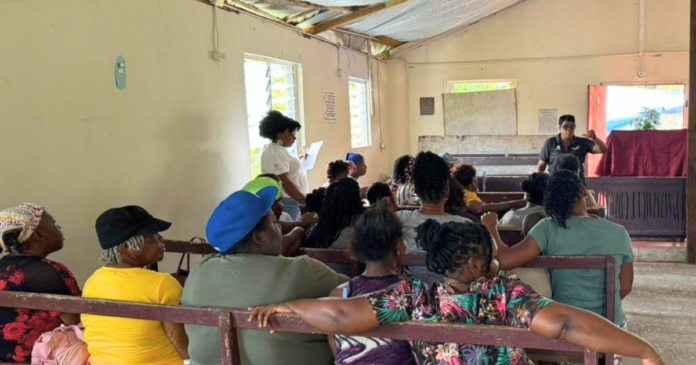
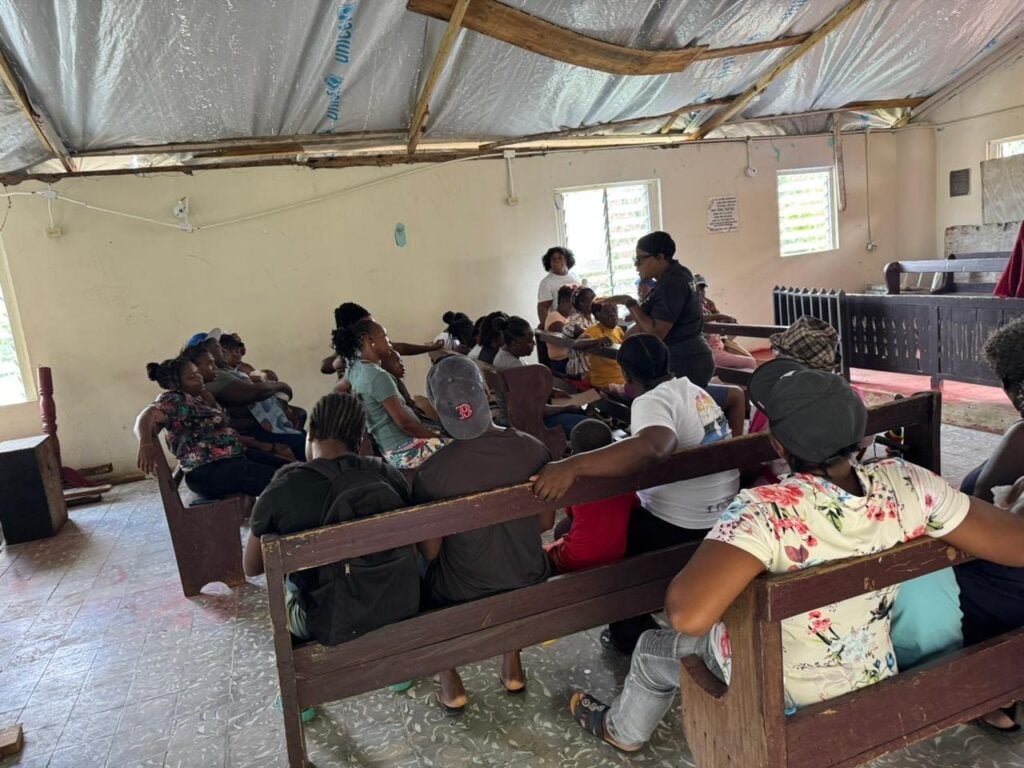
A United Nations-supported initiative aimed at combating gender-based violence is gaining traction in rural Jamaica, following a community outreach session that engaged more than 130 residents across multiple age groups.

The Seen & Heard: Mobile Women & Girls Safe Spaces (MWGSS) program held a session on April 13 in Breadnut Walk, a developing community in the Cockpit Country region, bringing together women, girls, men, boys and children in coordinated activities focused on awareness, prevention and support.

The program is funded by the United Nations Population Fund and implemented by Eve for Life in partnership with Breadnut Walk Emmanuel Christian Church and the Breadnut Revitalizing Economic Advancement and Development (BREAD) Council.

Organizers reported measurable participation outcomes:

  • 43 women and girls attended Safe Spaces sessions 
  • 10 children participated in a “211” support session focused on gender-based violence and abuse awareness, including how to report concerns through Jamaica’s national helpline 
  • 80 men and boys engaged in gender-based violence awareness activities 

A key component of the initiative was its direct outreach strategy. Facilitators used a “walk and talk” approach, engaging men and boys in informal settings including homes, streets and community gathering spaces such as bars. The approach is designed to reach individuals less likely to attend structured sessions.

Breadnut Walk, located near the Maroon town of Accompong, is among several rural communities targeted for expanded social support services, particularly for adolescent girls and other vulnerable groups.

Lavern V. Deer, co-founder of the BREAD Council, said the initiative reflects a broader effort to strengthen community systems.

“This initiative represents a critical step forward for Breadnut Walk,” Deer said. “We are creating safe, supportive spaces where girls can be heard, valued and empowered.”

Joy Crawford, Co-founder and CEO of Eve for Life said the program is designed to bring services directly into underserved communities.

“The need is real, and the impact can be life-changing when these services are accessible,” she said.

Bishop Brenton Palmer, pastor of Breadnut Walk Emmanuel Christian Church who also co-founded the BREAD Council, described the initiative as both social and spiritual in its impact.

“This initiative reflects our unquestionable commitment as a church to serve not just spiritually, but socially, ensuring our girls and women are safe, supported and empowered to thrive,” Palmer said.

Organizers announced a follow-up session scheduled for April 18 at 11 a.m. at Breadnut Walk Emmanuel Christian Church. Girls from surrounding communities are encouraged to attend.

Local leadership is expected to participate, including Councillor Kenroy Samuels of the Ipswich Division and Accompong Chief Richard Curry.

Their involvement highlights a growing emphasis on coordinated leadership in addressing gender-based violence and youth development at the community level.

The Seen & Heard initiative is part of a broader effort to expand safe spaces, increase awareness and strengthen long-term support systems across vulnerable communities in Jamaica.

Legendary Jamaican singer Ernie Smith dies at 80

Ernie Smith

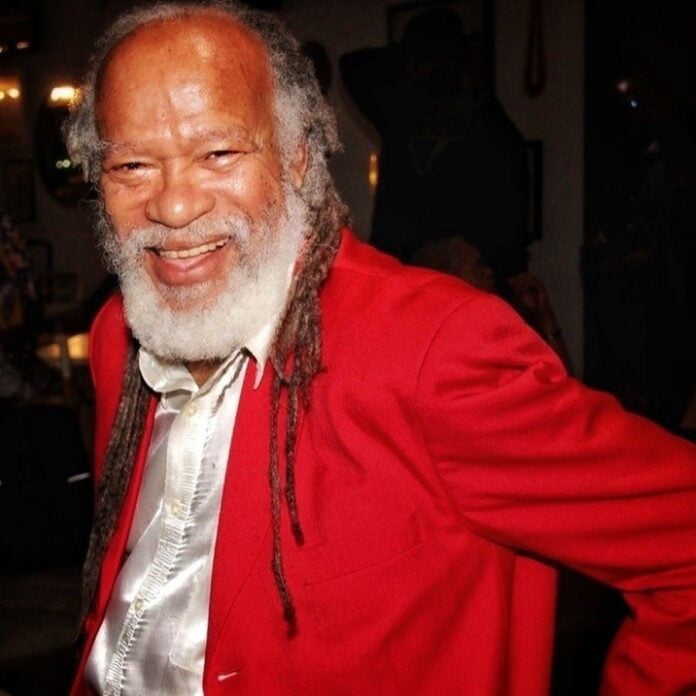
Ernie Smith, the Jamaican singer-songwriter whose smooth, easy-listening style helped define the sound of local radio in the 1970s, has died. He passed away on Thursday at the University of Miami Hospital after being ill for some time, according to his manager Joanna Marie Robinson.

His wife, Claudette Bailey Smith, told Observer Online that he died following “cardiac incidents.” Earlier this week, she revealed that he had undergone a surgical procedure on April 9, two days after being admitted to hospital, and had been placed in the Intensive Care Unit. Although the surgery was successful, she said the 80-year-old was “heavily sedated” and placed on a ventilator in his final days.

Born in Kingston in May 1945 and raised in St Ann and May Pen, Smith’s musical journey began early, encouraged by his father who played guitar and bought him his first instrument at age 12. After leaving school, he played guitar in The Vandals in Claremont, St Ann, and briefly considered a career as a radio announcer before turning to songwriting and recording at Federal Studios.

He would go on to become one of Federal Records’ leading acts under producer Richard Khouri, recording alongside artists such as Pluto Shervington, who died in 2024. Smith’s breakthrough came in the late 1960s with tracks including Bend Down, followed by hits such as Ride on Sammy, One Dream, and Pitta Patta, the latter becoming one of his signature songs.

His laid-back, melodic sound offered a contrast to the militant roots-reggae movement of the era, dominated by figures such as Bob Marley, Peter Tosh, and Burning Spear.

A major international milestone came in 1972 when Life Is Just For Living won the Yamaha Music Festival in Japan. The song, originally written for a Red Stripe commercial, later became the title track of an album released on Trojan Records in 1974. Smith was also awarded Jamaica’s Badge of Honour for Meritorious Service in the Field of Music in 1973.

Beyond his signature hits, Smith also recorded Duppy Gunman, I For Jesus, and Sunday Coming Down, and found success with covers of international songs as well as songwriting contributions to competitions such as the Festival Song Contest.

In the mid-1970s, he briefly relocated to Canada amid growing political tension, later moving through North America while continuing to record gospel-leaning and easy-listening material. After returning to Jamaica in the 1990s, he resumed recording and performing, becoming a familiar figure on the live music circuit once again.

Smith’s career saw renewed collaborations in later years, including a 2025 version of Pitta Patta with Ed Robinson that entered the South Florida reggae chart. He also released new material into the 2000s, including the album Country Mile in 2008.

He is survived by his wife, three daughters, two sons, and one grandchild.

Saints finally reign supreme in thrilling KPMG Squash League final

Saints team KPMG Squash LeaqueI 2026 2 MG-20260309-WA0027 (1)
Saints team intends to go all the way this year in the KPMG Squash League. Team members (from left) are Darren Latchman, Jerazeno Bell, team captain Mario O’Connor and Leigh Dwyer.

After years of near-misses, Saints finally seized their moment.

In front of a packed gallery at Liguanea Club, Saints powered past Bad Man Fu to claim the KPMG Squash League title last Friday, delivering a performance defined by preparation, precision, and poise.

For Saints, it was a long-awaited breakthrough in their third final appearance. For their opponents, it was a debut on the biggest stage that promised fireworks, but ultimately ran into a more complete unit.

Early statement: Bell sets the tone

The opening match immediately signaled the direction of the contest.

Jerazeno Bell showcased superior anticipation, fitness, and control to overpower Alan Roper in straight sets. Though Roper battled early, pushing the first game to a tight finish, he was forced into two breaks and eventually conceded momentum.

Bell surged through 15-13, 21-16, 21-15, dictating rallies with sharp placement and relentless pace to give Saints a decisive early advantage.

If the opener set the tone, Saints captain Mario O’Connor delivered the knockout blow.

Facing Roderick Rowe, O’Connor controlled every inch of the court, forcing his opponent into constant recovery mode. The result was emphatic: 21-9, 21-15, 21-11.

Two matches, two straight-set victories, and the title was effectively secured.

A consolation, not a comeback

The final match offered Kyle Chin and Bad Man Fu a measure of pride.

Chin, the team’s standout performer, defeated Leigh Dwyer in straight sets (21-17, 21-15, 21-19), but the outcome had already been decided.

Saints had executed their plan too well to be denied.

For O’Connor, who was later named the league’s MVP, the victory carried deep personal and collective significance.

“We’ve come to the finals three times, finally winning this one. Got knocked out a series of times in the semis and the quarters. So I’m over the moon right now, I’m very happy.”

He emphasized that the triumph was rooted in unity and tactical clarity:

“These guys, they’re over the moon as I am. And as a team, you know, we stuck together, we tried to play everybody’s strengths, utilize that throughout the tournament. And it really worked out.”

Preparation, he noted, extended even to lineup strategy: “It’s something we discussed as a team, trying to figure out what the best playing order would be and what would be best for us. Regardless of the order that they had, we wanted to stick to our strongest players playing first and it paid off in the end. Unfortunately, they didn’t do that and it really worked out for us. I’m glad for that.”

Bad Man Fu reflect on what might have been

For Chin, the defeat came down to both circumstance and strategy.

“The man dem play strategy pon we. Two things happened. So first of all, today I got a message from one of my teammates that he wasn’t feeling well at all, came down with the flu and could not come and play. So we had to play our reserve, so that was the first thing.”

He also pointed to the unpredictable lineup format: “So we don’t get to see each other’s line-up… whereas I wanted to play against Jerry, they played the strategy and they put Jerry against someone else… And they just kind of had a greater line-up in terms of the draw. And it led to what it led to, and they played very well. And all credit to them, they won.”

Tournament director Nathlee Boreland underscored the enduring appeal of the competition: “This tournament is one that the squash community looks forward to every year. It’s one of our premier tournaments on the Jamaica squash calendar. The tournament never disappoints.”

She highlighted the unique handicap format: “It’s a handicap format, which means all players have equal chances of being the victor of any match they’re playing… whether you’re a beginner… or you’re more seasoned as a player… any person can win.”

A partnership built to last

The success of the league continues to be anchored by long-term support.

Karen Anderson, president of Jamaica Squash Association, praised title sponsor KPMG: “We’re very proud, and I’m really heartened by the partnership we have with KPMG. Twenty-six years is nothing to sneeze at… we’re extremely proud and looking forward to our continued partnership with them.”

She also pointed to a busy calendar ahead, including the rescheduled Senior Caribbean Championships later this year.

For Saints, the night was about more than a trophy, it was about validation.

After years of knocking on the door, they finally broke through, combining strategy, discipline, and execution when it mattered most.

This time, they did not just reach the final.

They owned it.


Integrity first! World Athletics halts athlete transfers in sweeping decision

Roje Stona gears up for thrilling season finale at Boris Hanžeković Memorial
Roje Stona celebrates his gold medal victory in the men's discus final at the Olympics

In a sweeping and consequential ruling, World Athletics has denied the transfer of allegiance requests for a group of elite athletes, including four prominent Jamaicans, seeking to represent Turkey.

At the center of the decision is Roje Stona, the 2024 Olympic men’s discus champion, alongside fellow Jamaicans Rajindra Campbell, Jaydon Hibbert, and Wayne Pinnock.

Their applications, along with several others from across the globe, were rejected by the sport’s Nationality Review Panel in a decision that underscores a hardening stance on the integrity of international competition.

A coordinated effort under scrutiny

According to the panel, the applications were not isolated cases but part of what it described as a coordinated recruitment initiative linked to the Turkish government, facilitated through a state-supported club structure.

The proposal reportedly involved lucrative contracts designed to attract high-performing athletes and fast-track their eligibility to compete for Turkey at major global events, including the 2028 Olympic Games in Los Angeles.

Rather than evaluate each request in isolation, the panel reviewed them collectively, citing clear commonalities in structure, timing, and intent.

Protecting the spirit of international competition

In explaining its decision, the panel made its position clear: approving such transfers would undermine the fundamental principles governing the sport.

Those principles, it noted, are intended to preserve the credibility of international athletics, ensure that national teams are built through genuine development systems, and maintain athlete confidence in a fair and transparent competitive landscape.

“As a result of the decisions, the athletes are not eligible to represent Turkey in national representative competitions or other relevant international events.”

However, the ruling does not prevent the athletes from competing in other contexts. “The panel noted, however, that this does not prevent the athletes from competing in one-day meetings or road races in a personal or club capacity, or from living and training in Turkey.”

The Jamaican quartet was not alone.

Also denied were athletes from multiple countries, including Favour Ofili of Nigeria and Sophia Yakushina of Russia, as well as a group of Kenyan distance runners: Catherine Relin Amanang’ole, Brian Kibor, Brigid Kosgei, Ronald Kwemoi, and Nelvin Jepkemboi.

The breadth of the list reinforced the panel’s conclusion that the effort extended beyond individual ambition to a broader recruitment strategy.

Rules beyond citizenship

While athletes had reportedly taken steps toward acquiring Turkish citizenship, motivated in part by significant financial incentives, the panel emphasized that nationality alone does not determine eligibility.

World Athletics’ transfer regulations require a demonstrable, meaningful connection between athlete and country, alongside strict safeguards designed to prevent the commercialization of national representation.

The Nationality Review Panel, tasked with enforcing these rules, concluded that the applications did not meet that threshold.

For Jamaica, the attempted transfers had raised alarm within the sport.

The four athletes involved are central figures in the nation’s resurgent field events program, and their potential departure was widely viewed as a significant threat to its continued progress.

The Jamaica Athletics Administrative Association had signaled its intention to escalate the matter to the global body, an action that has now been answered with a definitive ruling.

A precedent with lasting impact

Beyond the immediate cases, the decision sends a clear message – international representation is not a commodity to be negotiated purely through financial incentive.

By rejecting the transfers, World Athletics has reinforced its commitment to preserving competitive integrity and ensuring that national allegiance reflects more than contractual opportunity.

In doing so, it has drawn a firm boundary, one likely to shape the future of athlete transfers for years to come.


Imlach leads from the front as Harpy Eagles secure opening win

guyana harpy eagles cricket

Defending champions Guyana Harpy Eagles wasted little time reminding the competition why they hold the crown.

In a tense and fluctuating contest at Sir Vivian Richards Stadium, the Harpy Eagles overcame the Windward Islands Volcanoes by four wickets to launch their 2026 West Indies Championship campaign in winning fashion.

It was not a cruise, it was a test of composure. And they passed.

Captain sets the tone

At the center of the chase stood Tevin Imlach, who delivered a captain’s innings under pressure.

Resuming the day unbeaten, Imlach extended his influence with a commanding 82, guiding the innings through its most critical phase. His knock, compiled from 147 balls and decorated with 11 boundaries, provided both stability and intent.

Alongside him, Matthew Nandu played the perfect supporting role. His patient 58 from 182 balls anchored the other end, ensuring the chase never drifted out of control.

Together, they added a decisive 100-run partnership that shifted the match firmly in Guyana’s favor.

Morning control, midday breakthrough

With the target of 231 within reach, the Harpy Eagles, resuming on 38 for one, tightened their grip through the morning session.

For a time, Imlach appeared destined for a century, calmly dictating the tempo. But the breakthrough finally came when Ryan John trapped him lbw, halting the captain just short of a landmark.

The Volcanoes seized that moment.

Soon after, Kenneth Dember removed Nandu, leaving the score at 155 for three and briefly reigniting belief within the Windward Islands Volcanoes camp.

Late wobble sparks tension

What followed was a flicker of vulnerability.

The Harpy Eagles stumbled, losing Kemol Savory, Tagenarine Chanderpaul, and Keemo Paul in quick succession.

The chase, once under firm control, suddenly demanded composure.

Enter Gudakesh Motie, already influential with the ball earlier in the match, now decisive with the bat.

Motie counterattacked with an unbeaten 23 from just 13 deliveries, cutting through any lingering tension and driving the Harpy Eagles to 233 for six in 78.4 overs.

It was a finish that combined urgency with authority, closing the door on any late drama.

Volcanoes fall just short

For the Volcanoes, the effort was spirited but ultimately insufficient.

John (2-48) and Dember (2-75) led the bowling charge, creating opportunities and briefly unsettling the chase, but the early advantage established by Imlach and Nandu proved too much to overturn.

If this opening match is any indication, the Harpy Eagles’ title defense will be defined not just by talent, but by resilience.

They were challenged, tested, and momentarily shaken, but never undone.

And that, more than anything, is the mark of champions.


Run chase for the ages! Jamaica Scorpions crush Pride in final-day blitz

Scorpions and Red Force flex muscles with commanding championship triumphs

What began as a match drifting toward a quiet stalemate exploded into one of the most remarkable finishes in West Indies Championship history.

At Chedwin Park, the Jamaica Scorpions tore up the script, chasing down a daunting 324 runs in just two sessions to defeat the Barbados Pride by seven wickets.

It was audacious. It was relentless. And it was unforgettable.

Pride build, then declare with intent

Resuming the final day at 255 for five, Barbados Pride pressed forward with purpose.

Kevin Wickham, already the dominant figure of the match after his first-innings 153, delivered again, finishing unbeaten on a magnificent 108. Alongside him, Shamar Springer added a valuable 54 as Pride declared at 317 for eight just before lunch.

With a lead that set Jamaica a target of 324 from 74 overs, the move appeared bold but calculated.

The bowlers, led earlier by Marquino Mindley (3-48), with support from Peat Salmon and Abhijai Mansingh, had done enough to suggest the chase would be a distant dream.

A calm beginning before the storm

The Jamaica Scorpions began cautiously, reaching 30 without loss at lunch.

By tea, they had advanced to 145 for none, with captain John Campbell unbeaten on 64 and Kirk McKenzie Jr on 60.

It was steady, controlled, almost deceptive.

Because what followed was an onslaught.

Campbell ignites the charge

After the interval, Campbell shifted the tempo with devastating effect.

He surged to a commanding 126, an innings that blended authority with calculated aggression. His century came off just 144 balls, featuring a flurry of boundaries and towering sixes that dismantled Pride’s bowling attack.

By the time he departed, caught by Kyle Mayers at deep long-off, the damage was irreversible.

Together, Campbell and McKenzie had constructed a monumental 242-run opening partnership that redefined the match.

McKenzie’s composure seals the moment

If Campbell lit the fire, McKenzie ensured it never burned out.

Despite carrying a shoulder injury sustained in the field, the young left-hander remained composed and disciplined. He built his innings methodically before accelerating when required, reaching a superb century off 151 balls.

His unbeaten 135, crafted from 180 deliveries and punctuated by 13 fours and two sixes, was a masterclass in control under pressure.

Even as wickets fell around him, Odean Smith and Carlos Brown making brief contributions, McKenzie held firm.

And fittingly, he delivered the final blow, launching a towering six to complete the chase at 326 for three.

Voices from a remarkable victory

An elated Campbell reflected on the mindset that fueled the pursuit. “After we lost the first innings after coming so close, we knew it was going to be a one-innings game, so we decided to take the game to Barbados.
The way Kirk and I batted was really commendable. I knew once I got in, I would score runs, and we wanted to take it as close as possible, and I am glad we came out on top.”

McKenzie echoed the resilience within the group. “We started slow, but I decided to continue to play straight and play high-percentage shots and stick with my captain.
The morale was a bit down when we lost the first innings, but we kept it together as a group. We said it’s not over until it’s over.”

Pride left to reflect

For Barbados Pride, the defeat will sting.

Wickham’s extraordinary match, 153 and 108 not out, deserved to define the contest. Instead, it became a footnote in a match overtaken by a historic chase.

As the teams now shift focus to Sabina Park for the second round, this match will linger in memory.

For the Scorpions, it was more than just a win, it was a statement of belief, courage, and execution.

For everyone who witnessed it, it was a reminder of cricket’s enduring truth:

No target is safe.


Elaine Thompson-Herah returns as Jamaica unveils star-studded relay squad

elaine-thompson-hera-signs with PUMA
Elaine Thompson-Herah.

The return of five-time Olympic gold medallist Elaine Thompson-Herah headlines Jamaica’s squad for the upcoming World Athletics Relays, a selection that signals both experience and firepower as the nation prepares to reassert its dominance on the global stage.

Her inclusion adds immediate gravitas to a women’s team already rich with elite talent and provides a major boost as Jamaica eyes top honors when the competition unfolds May 2-3 in Gaborone, Botswana.

A squad built for speed and depth

Named by the Jamaica Athletics Administrative Association, the team reflects a deliberate blend of proven champions and emerging stars across multiple relay disciplines.

On the women’s side, Thompson-Herah is joined by an impressive supporting cast, including Shericka Jackson, Tina Clayton, Tia Clayton, Jonielle Smith, and Brianna Williams.

It is a line-up capable of both blistering speed and tactical versatility, key ingredients in relay success.

Men’s team anchored by championship pedigree

The men’s squad is equally formidable.

Leading the charge are World Championship 100m medalists Oblique Seville and Kishane Thompson, supported by a strong core that includes Antonio Watson, Ackeem Blake, Rohan Watson, and Kadrian Goldson.

With depth across sprint and quarter-mile events, Jamaica enters the competition well-equipped to challenge across formats.

Jamaica will contest a full slate of relay events, including men’s 4x100m, women’s 4x100m, mixed 4x100m, men’s 4x400m, women’s 4x400m, mixed 4x400m.

The competition serves as a critical proving ground, offering teams the chance to refine combinations, build chemistry, and secure qualification for upcoming global championships.

Behind the team: Experience and structure

The delegation will be led by team manager Judith Ewart, with Warren Blake serving as assistant and safeguarding officer.

Technical oversight will be provided by Maurice Wilson, supported by coaches Mark Elliott, Paul Francis, and Reynaldo Walott.

Medical and recovery support will include Marsha James, physiotherapist Pier-Ann Brown, and massage therapists Garfield Simmonds, Jeffrey King, and Richard Stephens.

Jamaica’s legacy in relay events is unmatched, built on decades of speed, precision, and championship execution.

In announcing the team, the governing body expressed its confidence and support:

“The JAAA extends best wishes to all athletes, coaches, and support staff as they represent the nation with pride on the international stage.”

Eyes on the prize

The team is scheduled to depart the island on April 27, returning May 4, with expectations firmly centered on podium finishes.

With Elaine Thompson-Herah back in the fold and a roster stacked with elite talent, Jamaica’s mission is clear:

Not just to compete, but to dominate.

Squad List

Women’s 4x100m: Shericka Jackson, Elaine Thompson-Herah, Jonielle Smith, Jodean Williams, Natasha Morrison, Lavanya Williams, Tia Clayton, Tina Clayton, Briana Williams

Men’s 4x100m: Ackeem Blake, Rasheed Foster, Kadrian Goldson, Oblique Seville, Rohan Watson, Ryiem Forde, Adrian Kerr, Odaine McPherson, Kishane Thompson

Women’s 4x400m: Shana-Kay Anderson, Rochelle Clayton, Andrenette Knight, Shian Salmon, Leah Anderson, Janielle Josephs

Men’s 4x400m: Jeremy Bembridge, Raheem Hayles, Jevaugn Powell, Tajh-Marques White, Antonio Watson, Roshawn Clarke, Assinie Wilson, Deandre Watkins


New era for regional ccricket as CWI joins forces with NCL in global T20 push

Cricket West Indies

Cricket in the Western Hemisphere is edging toward a structural shift.

Cricket West Indies (CWI) and NCL Canada Inc are advancing discussions aimed at forming a long-term strategic partnership designed to expand the footprint of the Global T20 ecosystem across both the Caribbean and North America.

Centered in St John’s, the initiative signals an intent not only to grow franchise cricket, but to build a connected development and commercial pathway between two emerging cricket markets.

Ownership, investment, and shared stakes

At the heart of the proposal is a deeper level of integration than traditional cooperation.

The framework under discussion would see CWI acquire an ownership stake in the Global T20 structure, alongside the possibility of securing a franchise within the competition itself.

Beyond competition, both parties are also examining wider commercial collaboration designed to strengthen the sport’s financial and structural base across the region.

A key pillar of the talks involves player development and elite training infrastructure.

Plans include integrating the proposed CWI High Performance Centre in Antigua into the Global T20 ecosystem, creating opportunities for Canadian players to access high-performance coaching, training environments, and development pathways traditionally concentrated in established cricket nations.

The collaboration also opens the door for Canadian teams to participate in future CWI-run tournaments, an arrangement that would significantly deepen cross-regional competition.

A development pipeline for a growing market

For Arun Agarwal, the partnership reflects a structural transformation in how cricket is developing in North America.

“Cricket’s growth in North America is no longer theoretical, it’s happening. By creating opportunities for enhanced competition, opening access to high-performance training in the Caribbean, and building a true development pipeline, we are giving young players something that hasn’t existed here before; a clear, credible path from learning the game to playing it professionally. That’s how you build a sport that lasts,” Agarwal said.

His comments underscore a shift from organic growth to systemized development, linking grassroots participation to professional opportunity.

CWI sees commercial and competitive opportunity

From the Caribbean perspective, CWI President Kishore Shallow described the initiative as both strategic and timely.

“This is a pivotal and forward-looking moment for West Indies and Canadian cricket. As the only ICC Full Member nation in the hemisphere, this collaboration promises tremendous mutual potential.

For Cricket Canada, it could very well be a defining moment for their cricket development. Equally important, Canada represents to CWI the kind of market that could have a significant impact on our commercial growth,” Shallow said.

A new cricket corridor emerges

If finalized, the partnership would effectively create a structured cricket corridor between the Caribbean and North America, linking franchise competition, player development, and commercial expansion under a unified model.

For both CWI and NCL, the vision extends beyond tournaments.

It is about building a sustainable ecosystem, one where talent, opportunity, and investment move freely across borders, and where the sport’s future in the region is actively constructed rather than passively awaited.


MC Nuffy and Ras Emmanuel light up UK tour with energy, music and momentum

MC Nuffy Ras Emmanuel

The UK — home to about one million Jamaican nationals and British-born individuals of Jamaican descent — was recently treated to a wave of dancehall energy as Vybz Kartel’s hype man, MC Nuffy, teamed up with award-winning New Jersey DJ Ras Emmanuel for a tour that delivered packed performances and generated growing international buzz.

For MC Nuffy, the reception was immediate and heartfelt.

“I have to tell the fans and the promoters a lot of thanks… I love the support from them,” he said, clearly energized by the turnout.

“It’s a pleasure being there.”

Ras Emmanuel echoed a similar sentiment, pointing to the range of locations the tour covered.

“We went to East London… Birmingham… Luton… and some other surrounding cities,” he explained, noting that additional stops were added along the way.

“We also went to surrounding areas of London,” he added.

Nuffy was especially vocal about Emmanuel’s impact on stage.

“When it comes to Ras Emmanuel, he is not normal on stage. Pure energy… him turn up the whole place,” Nuffy declared.

Their connection, built on mutual respect and shared experience, translated into seamless performances night after night.

“We combine properly on the road… we know each other… the whole vibes,” Nuffy added.

“DRINKY DRINKY” TAKES OVER THE UK

At the center of Ras Emmanuel’s breakout moment is his buzzing single, Drinky Drinky, which has been gaining traction across the UK.

“They attach a new name to me — Drinky Drinky… they call me the Drinky Drinky Master… the Drunken Master,” Emmanuel said, describing how fans quickly embraced the song and its vibe.

While the song is built for fun and high energy, Emmanuel made it clear there is an important message behind it.

“I am cautioning the youths… I am telling them, be careful when you drink… make sure you know yourself and what you are doing,” he explained.

MC Nuffy also gave the track his stamp of approval.

“Ras Emmanuel, my brother… the song Drinky Drinky… great thing, man,” he said.

Beyond the stage, the tour included key media appearances that helped expand their reach. Emmanuel highlighted one standout moment in particular.

“My biggest accomplishment on the trip was the interview and performance we did with AG… that was one of the biggest accomplishments,” he shared, referencing his appearance on the popular AG Live platform. The viral AG Live platform has redefined street performances, garnering more than two million followers through appearances on the streets of London and other UK cities.

The team also made stops on the Robbo Ranks Show and other outlets, further boosting visibility for both the artists and the music.

“It was great… they gave us their platform… we appreciate all of that,” Emmanuel added.

With the UK tour now behind them, both artists are focused on expanding their global footprint.

For Nuffy, that means taking the brand worldwide.

“I try to go into the Caribbean… soon Nuffy African tour… soon European tour… and more,” he revealed.

Ras Emmanuel, meanwhile, is heading straight back into the studio while keeping his eyes on one of dancehall’s biggest stages — Reggae Sumfest.

“One of my biggest dreams is to perform on Reggae Sumfest… I don’t know if it’s going to happen this year or next year, but I’m still shooting for that,” he said.

With a successful UK run, a viral track in Drinky Drinky, and growing international exposure, Ras Emmanuel and MC Nuffy are proving that their collaboration is not just for a moment, but a mission gaining serious momentum.

Opinion: Jamaica needs clarity, not compromise, in its next head coach decision

Jamaica World Cup Reggae Boyz
Photo: CONCACAF

I do not support the appointment of Mr. Rudolph Speid as permanent head coach of the Jamaica national team.

My position is simple: the structure it creates is fundamentally flawed, ethically questionable, and strategically dangerous for the future of the Jamaica national football team.

At the core of my objection is a clear conflict of interest. Mr. Speid’s long-standing involvement as a club stakeholder in Jamaican football, particularly his deep investment in player development and transfer pathways through Cavalier Football Club, creates an unavoidable tension between club interests and national team responsibility.

Even if FIFA does not explicitly prohibit such dual roles in all circumstances, the ethical risk is obvious. National team selection must be unimpeachable. It must not carry even the appearance that club affiliation, player valuation, or internal development pipelines could influence decision-making. Once that perception exists, trust collapses.

And in Jamaican football, trust is already fragile.

The performance problem cannot be ignored

My second concern is equally direct: the evidence from Jamaica’s intercontinental playoff campaign does not support promotion, it supports caution.

In those decisive matches that defined qualification for the 2026 FIFA World Cup, Jamaica failed to demonstrate tactical clarity, attacking structure, or in-game adaptability.

The team labored through a narrow win over New Caledonia, then exited after a 1-0 defeat to the Democratic Republic of Congo. Over 120 minutes of football in the most important match of the cycle, Jamaica never truly imposed itself in attack. There was no sustained chance creation, no tactical shift to respond to the match situation, and no meaningful adjustment when urgency demanded invention.

To be blunt, I was not impressed. I was disappointed at every level, selection logic, game management, and attacking intent.

If those matches were meant to serve as an audition, then they failed.

The data-driven philosophy that became a constraint

I also take issue with the way the so-called “data-driven” selection approach was implemented.

Football is not spreadsheet logic, it is subjective. Data has its place, but it cannot replace football intelligence, instinct, and balance. A squad is not built on numbers alone, it is built on roles, relationships, and tactical coherence.

In the playoff squad selection, Jamaica ended up structurally unbalanced. Most notably, the insufficientcy of natural, central attacking options meant the team reached critical moments without a true striker on the pitch. That is not a minor oversight, it is a fundamental flaw in squad construction.

At elite international level, especially in knockout environments, such an imbalance is fatal, particularly when allied with three new and unfamiliar faces.

Even tactical adjustments raised serious questions

Perhaps the most frustrating aspect of the DR Congo match was the lack of adaptation.

When Jamaica needed a goal, the response was not structural change, it was positional improvisation. Wily winger Renaldo Cephas, one of the better wide players during the campaign, was inexplicably shifted into an unfamiliar central striker role late in the game, nullifying rather than maximizing his natural strengths.

There were also missed opportunities to alter the attacking profile of the team, including the option of possibly deploying physically dominant players (from the back) in an advanced role to change the aerial dynamic in desperate moments.

Instead, Jamaica finished the match as they had started it: predictable, blunt, and easy to defend against.

That is a coaching issue.

Miguel Coley must also be part of the conversation

If we are serious about the future, then Mr, Miguel Coley, who was the assistant coach for those two games, must also be considered, not automatically elevated, but properly evaluated.

Mr. Coley has experience within the system and continuity with previous coaching structures, including periods under Mr. Winfried Schäfer. That matters. Continuity can be valuable if it is paired with a clear philosophy.

There is more than a hint that the Jamaica Football Federation (JFF) and its leaders are hell-bent on maintaining the status quo, but the key question is not reputation, it is compatibility.

Do Mr. Speid and Mr. Coley actually share a coherent football philosophy? Do they agree on pressing structure, attacking transitions, squad balance, and player selection criteria, etc? Or is the JFF attempting to merge two different football identities into one technical leadership without clarity?

If the answer is unclear, then the partnership is already a risk.

The bigger issue, Jamaica still has no football identity

This debate ultimately exposes a deeper problem, Jamaica still does not have a consistent football identity.

As I see it, the JFF must decide between three clear pathways:

  1. Rebuild with youth and long-term planning – Accept short-term pain, invest in younger players, and build toward the next qualification cycle with structure and patience.
  2. Blend youth with experienced overseas professionals – Create a balanced squad that transitions gradually while maintaining competitiveness.
  3. Double down on the current aging core to chase immediate results – This may offer short-term stability but risks long-term stagnation and repeated failure.

What we cannot continue doing is oscillating between all three approaches at once. That is exactly how cycles fail.

Clarity must replace compromise

My conclusion is straightforward: appointing Mr. Speid as head coach would be a mistake, not only because of the conflict of interest concerns, but also because the football evidence from the most important matches of the cycle does not justify promotion.

Jamaica does not need convenience. It does not need internal compromise. It needs clarity of vision, tactical courage, and most importantly, a leadership structure that is beyond question.

Until those standards are met, we will keep repeating the same outcome, falling short when it matters most, and explaining it away afterward.

And that, more than anything, is what must change.

Realistic ways to navigate pain during injury recovery

Injuries can slow you down, and many times, they are unavoidable. You may sustain them after an accident, due to a fall at home, or even while playing sports. In a region like the Caribbean, where sports thrive, injuries are more common than you imagine. Baseball, football, and cricket are popular here, and all of these sports have a high probability of injury. 

When people get hurt in the field, they often search online for the best “sports injury chiropractor near me”. That’s because injury recovery often brings unrelenting pain that tests one’s resilience, disrupting daily life, sleep, and mental well-being. Painkillers may offer quick relief, but they are not great as a long-term solution. You need to look for a sustainable and lasting pain management plan. 

In this article, we will share a few realistic strategies to navigate this without relying on endless meds or false promises.

Set Small Milestones

Recovery can feel overwhelming when you focus only on the finish line. Rather, you must break the process into small, manageable milestones that help you measure progress without pressure. For example, your goals might be walking to the mailbox, climbing stairs comfortably, or sleeping through the night with less discomfort. 

These small wins make a difference because they remind you that healing is happening, even when it is slow. When setting goals and milestones, be prepared for things not to always go your way. Injury recovery often includes setbacks, so realistic milestone planning helps you stay grounded. 

The right mindset can reduce frustration and improve consistency, where many people want quick results. Real progress often comes from steady repetition, not intensity. Keep a simple recovery journal to track pain levels, mobility, and energy so you can see changes clearly over time.

Move Smart, Not Hard

Movement can be helpful in managing recovery pain, but only when it is done carefully. Too much activity can aggravate the injury, while too little can lead to stiffness, weakness, and slower healing. The goal is to move in ways that support your body’s healing process rather than work against it. 

WebMD recommends consulting your doctor before going ahead with a fitness plan during the recovery phase. They will recommend specific moves to stretch and strengthen the injured area. Another helpful piece of advice is to start slow and go easy with exercise. Many people try to push through pain because they want to get back quickly, but that can cause re-injury. 

Smart movement should feel controlled, not forced. If pain increases sharply, swelling gets worse, or balance becomes unstable, it is a signal to slow down. Listening to your body can help you heal effectively and stay strong during injury recovery. 

Think Beyond Painkillers 

Pain medicine can play a useful role, especially right after an injury, but relying on it alone is rarely the best long-term strategy. According to HealthDirect, most pain medicines have unwanted effects, and you may experience them even if you follow the doctor’s order. While some side effects resolve, others (like those caused by opioids) can be more severe. 

A better recovery plan looks at pain from several angles, including inflammation, stress, movement, and sleep. Governor’s Park Chiropractic notes that physical therapy can fit into a broader recovery routine. Their approach may help people explore non-drug options while working toward lasting relief.

This matters because pain is not just physical. It also affects your nervous system, posture, and daily habits. Heat and cold therapy, massage, gentle rehabilitation, posture corrections, and guided mobility work can all support healing in different ways. Many patients are looking for alternatives that reduce dependence on medication while still providing real relief.

Prioritize Your Mental Health

Pain recovery can take a toll on your mental health just as much as on your body. A Henry Ford Health article highlights how sports injuries, in particular, can lead to issues like anxiety, frustration, isolation, and even depression. Missing out on competition can affect your emotional and social well-being and even your sense of identity.

Mental strain can make pain feel worse and create a cycle that is hard to break. That is why emotional care should be part of the recovery process. Simple practices can help build resilience. Deep breathing, meditation, short journaling sessions, and talking to a trusted friend can help reduce stress. 

If the injury has disrupted work, sports, or daily routines, you must set expectations more gently. You may feel pressure to bounce back quickly, but remember that rest is not failure. If the recovery process starts affecting sleep, appetite, or mood for a long period, professional support may be helpful. 

Maintain a Healthy Lifestyle

Your daily habits can strongly influence how well you recover from an injury. Sleep, hydration, and nutrition all affect inflammation, energy levels, and tissue repair. A ScienceDirect study explains the role of nutrition in speeding up healing and shortening rehabilitation in sports injuries. It requires the adaptation of the intake of protein, carbs, fat, energy, and micronutrients. 

Recovery often goes more smoothly when they treat their body like it needs fuel, not just rest. Healthy routines also include consistent sleep and reasonable activity. Try to keep your bedtime steady, limit late-night screen use, and create a calm environment that supports rest. Alcohol, smoking, and long periods of inactivity can all make recovery more difficult. 

Busy schedules can make healthy habits hard to maintain, but even small changes help. A balanced lifestyle will not erase pain overnight, but it can make your body more resilient and your recovery more manageable. Think of it as creating better conditions for healing instead of waiting for pain to disappear on its own.

FAQs

Why are sportspersons prone to injury?

Sportspersons face repeated stress, sudden contact, and quick directional changes that strain muscles and joints over time. Additionally, factors such as competitive training, limited recovery time, and overuse can raise the risk. Warm-ups, conditioning, and proper technique help lower that risk.

How to avoid re-injury?

To avoid re-injury, you must diligently follow your rehab plan, return to activity gradually, and avoid skipping strengthening exercises. Protective gear, proper form, and rest matter too. Many reinjuries happen when people rush back before the body is ready for strenuous activity, so patience is essential.

Why should you listen to your body during injury recovery?

Listening to your body is important because it gives early warning signs when something is not healing well. Sharp pain, swelling, stiffness, or fatigue may mean you need to slow down. Listening carefully can prevent setbacks and help you heal more safely, especially when returning to sports or work.

Injury recovery is not only about waiting for pain to stop. It is about building a routine that supports healing in every aspect, including movement, rest, mindset, and lifestyle. When you use realistic strategies instead of chasing quick fixes, you give your body a better chance to recover fully and safely. The process may be slower than you want, but steady progress is more sustainable and effective than big breakthroughs. 


3 ways Caribbean diaspora brands stand out as premium

Being seen? That’s no longer the goal of most Caribbean diaspora brands. Many are striving to be known for the experiences they deliver. 

The best way to make it happen is to move away from functional offerings to create a more refined and premium identity that highlights both heritage and intention. It’s good that brands are not content with selling a product anymore. 

After all, how a product is perceived at every level sets the stage for making or breaking a company, right? According to ShipOffers, a premium brand can only be built through a comprehensive understanding of branding. Many Caribbean diaspora brands are leaning into that reality with their expansion beyond familiar markets. 

Since Caribbean communities are scattered across all major economies, the stage is set for brands that can effortlessly balance cultural depth with an elevated presence. This article explores three ways Caribbean diaspora brands are positioning themselves as premium in a wildly competitive landscape. 

Brand Identity Rooted in Culture With a Focus on Global Appeal 

Cultural references are good, but futuristic brands always walk the extra mile. In this context, Caribbean diaspora brands that wish to stand in a class of their own are presenting their culture and heritage in a way that is cohesive, intentional, and relevant to worldwide audiences. 

This means there is no raw and overly niche presentation of culture. That happens when a brand uses its cultural elements exactly as they are, without any touches of refinement or modernity. So, the whole thing feels more like a cultural display than a brand identity. 

Now, this is a delicate balance that may take some time to perfect. Those that do so become distinct and gain a competitive edge in international markets. Premium positioning comes from regulating the brand story, design, and every other element based on the target audience. Most brands do not focus on doing more, but simply on polishing what already exists. 

As per McKinsey & Company, 47% of consumers worldwide consider locally rooted brands while making purchases. This shows that culture holds a special place in people’s hearts. At the same time, Caribbean identity remains deeply relevant across borders. Diaspora communities had sent an estimated $20 billion in remittances back to the region in 2024. 

The ongoing cultural and economic connection is palpable. It’s indisputable that customers are being drawn to authenticity like never before. This creates a unique space where identity is not only preserved but also commercially valuable. So, what does it look like in practice? Here’s a breakdown:

  • Intentional storytelling built around origin or tradition without any over-explanation 
  • Premium design through clean product packaging, muted palettes, and thoughtful typography 
  • A selective range with few well-developed products instead of a large but inconsistent collection 
  • Modern interpretation of tradition that resonates with potential consumers worldwide 

Although these are local elements, branding gives them a deliberate feel, something which makes the brand stand out even in international markets. 

Consistency Across Every Customer Touchpoint 

Gone are those days when customers simply looked for consistency in a brand’s products. Today, most want the customer experience itself to be tailored and consistent. Just like nobody can trust a two-faced person, customers cannot rely on brands that have no clear visage or identity. 

This is why premium positioning is also about repetition in terms of a brand’s look and reliability of delivering the same high-quality experiences each time. When all touchpoints align, the brand feels more intentional and trustworthy. 

For diaspora-led businesses, consistency is even more important because they often operate in multiple countries. This means everything, from logistics systems to customer expectations, may vary. A strong identity alone won’t suffice. In fact, it needs to be reinstated at every stage, from checkout to delivery and packaging presentation. 

The Caribbean digital payments market had a value of $22.90 billion in 2024, with an expectation of growth up to $34.66 billion in 2028. That’s a vast landscape where reliability and customer experience directly impact how a brand is perceived. 

One can only imagine the impact that even a single inconsistency in delivery or presentation can make in such an environment. So, let’s look at the main touchpoints that define premium-level consistency:

  • Clean and meaningful design, be it the website or the packaging, that clearly portrays the brand identity
  • Orders arriving on time and in expected condition 
  • Same product quality standards across all markets 
  • Clear and predictable customer 

These components can make a brand feel premium mainly because they point towards dependability rather than fragmentation. 

Diaspora Networks That Build Awareness and Trust 

Marketing, provided it is done right, can make more people aware of a brand. However, without trust, it leaves no lasting impression. Caribbean diaspora brand growth is, therefore, not dependent on marketing alone. Many are leveraging connected global communities that span across New York, Toronto, London, and more to build trust. 

That’s smart because it can be too time-consuming and even unprofitable to start as unknown entrants. With the help of diaspora networks, brands are able to launch themselves into markets where cultural familiarity already exists. 

According to a 2025 report, Caribbean countries’ inflows were growing by 9.2% year-on-year in 2025. Such a statistic is far from being just about financial transfers. It also highlights the sustained cross-border loyalty and connection between diaspora communities and their home countries. 

Such conditions are ideal for building a brand. How? Let’s look at the main reasons:

  • Early support often comes from audiences that are culturally aligned and trust the origin context of the brand. 
  • Word-of-mouth spreads quickly within diaspora hubs, thereby reducing reliance on heavy paid acquisition. 
  • Products gain faster legitimacy when they are accepted within their own communities first. 
  • Strong diaspora support gradually opens up avenues to gain a firm footing in international markets. 

As these dynamics work together, Caribbean diaspora brands are empowered to scale in a way that’s both natural and strategic. The premium tag emerges from genuine recognition across borders, not forced branding. 

The time for quiet participation is over for Caribbean diaspora brands. They have learnt how to participate in international markets by standing out as premium. 

In that effort, every detail counts, right from the time of storytelling up until customer experience and follow-ups. For the longest time, the Caribbean was known for exporting raw goods. That is just one feather of the region’s cap now. 

Today, its export capabilities have expanded to include cultural identity and a story the world is eager to hear. This helps create something the world has grown to value the most, namely, authentic differentiation. 


5 Smart Ways to Make Your Small Home Feel Bigger Instantly

OneUnited Bank teams up with Esusu to help renters build credit for homeownership

Remember the nursery rhyme There Was an Old Woman Who Lived in a Shoe? Some days, living in a small home can feel a lot like that.

You step into your home after a long day at work, and instead of that “at last” feeling, everywhere just feels crowded. And it’s not like you can easily upgrade to a bigger place, not with home prices so high. In fact, home prices recently hovered around $405,300, which isn’t exactly within reach for everyone.

That’s where smart choices come in. Sometimes, even something as simple as engaging decluttering services to organize your space can completely transform your home. And that’s just one approach. There are plenty of ways you can open your space without doing any major renovation.

Let’s discuss some of them in this guide.

Use Bright Colors to Open Up the Space

Paint is probably the cheapest and quickest way to transform any space. And not just any paint. Light colors. Lighter walls reflect both natural and artificial light. This pushes shadows to the edges and creates the illusion of more space.

But beyond that, a light room also does wonders for your mood. It’s associated with peace and relaxation, and also can help with sleep, according to the Sleep Foundation. The result is that you’re more likely to always be in a good frame of mind, regardless of the size of your space.

A good idea is to go monochromatic. This means your walls, trim, and ceiling are all in similar tones. This makes the room lose its visual “edges” and feel more open. It can also create the impression of added height. 

Definitely avoid sharp contrasts between your walls and trim if you can. That contrast tends to box the space in rather than open it up.

Invest in Multi-Functional Furniture

In a small home, every square inch needs to earn its rent, so stop buying furniture that only serves one purpose. A sofa that extends into a bed? Yes. A bed with drawers underneath? Absolutely essential. Having furniture that doubles as something else means less furniture crowding your space.

And the trend is catching on, too. According to data from Expert Market Research, 75% of interior designers are seeing a significant increase in demand for multifunctional furniture. This actually makes a lot of sense, seeing how small the average living space has become.

Next time you’re shopping for new pieces, make it a rule: every item should have at least two purposes.

Declutter Ruthlessly

We mentioned hiring a decluttering service earlier, or you can just do it yourself. Either way, this is non-negotiable. You can’t “arrange” your way out of too much stuff, no matter how good you are at Tetris.

If every surface is covered with knick-knacks, old mail, or last year’s tech gadgets, the room will feel tight. Not cozy. Just crowded.

And the truth is, most people are holding onto more than they need. A recent poll reported by The Scotsman found that the average person keeps around 17 unused items “just in case.” That extra all over the place can make a home feel small and claustrophobic.

So what’s the fix? Declutter. If you haven’t used something in months, you probably don’t need it anymore. Sell it, give it out. Just let it go.

The goal, according to Clutterless Home Solutions, is simple: enjoy a more functional, stress-free home you actually look forward to coming back to.

Because once everything has a place, the room feels lighter and bigger, without you adding a single square foot.

Use Large Decor Pieces Strategically

You’d think smaller items are better for small spaces. But actually, too many small pieces can make a room feel cluttered. Instead, go for fewer, larger items.

One big piece of wall art instead of a dozen small prints. A single large rug as a centerpiece. One large statement sofa instead of multiple smaller pieces. Maybe you have a gallery wall in your living room. Replace it with one large artwork, and your room will instantly feel calmer and more open.

Design experts at Architectural Digest noted that larger statement pieces can reduce visual clutter and make compact spaces feel bigger. It’s the less is more approach at work.

Go Vertical with Storage

Finally, do something about how you store things. For most people, more storage space means looking down. But the real untapped opportunity in a small home is the wall space above eye level. 

Standard bookcases typically use only 60-70% of available wall height, leaving the top portion completely unused. Floor-to-ceiling shelves can fix that immediately. This is known as vertical storage.

Interestingly, homes with vertical storage systems see up to 30% more usable space overall, according to IKEA’s 2024 Small Living Report referenced in Expert Market Research. 

But beyond the storage win, tall shelving also draws the eye upward. This visual trick can make your ceilings feel higher than they are. Of course, how high you go will largely depend on your budget and tastes.

You Don’t Need More Space. Just Better Use of It.

There you have it, five things you can do to make your home a bit more spacious. Even better, most of these changes are things you can do over the weekend.

And you mustn’t do everything on this list or at the same time, too. 

Start with one or two. Maybe repaint a room in a soft, warm white. See how the space feels before you tackle another.

The thing to keep in mind is that small homes can be just as open and comfortable as larger ones. It’s not about square footage. It’s about how you use the space you have.

Strategies for attracting tourists to your new restaurant

Starting a new restaurant is exciting, but attracting tourists can feel like a real challenge. Travelers have limited time and endless dining options competing for their attention every single day. You need to stand out quickly while still offering a memorable and authentic experience. 

The good news is that smart strategies can draw curious visitors through your doors consistently. It is not about luck, but about creating appeal and visibility in the right ways. 

For instance, if you serve drinks at the restaurant, you can offer them in unique drinkware. Or perhaps guests can buy drinks using custom drink tokens where each token has an international flag, representing the country the customer is from. 

Basically, if you focus on what tourists truly want or enjoy when going out to restaurants abroad, your restaurant can become a must-visit destination. Let us explore practical strategies that help you turn travelers into loyal customers.

Build a Strong Online Presence That Travels Ahead of You

According to Tourism Analytics, Caribbean tourism is on the rise. Compared to last year, 2026 is set to witness more tourists in more regions. For instance, in Aruba and Anguilla, tourism is set to increase by 9% and 21.4%, respectively. 

On top of that, more people are interested in visiting the Caribbean than ever before. This gives you an opportunity to appeal to these people, especially via online channels. 

Tourists often decide where to eat long before they arrive in a new destination. That means your online presence needs to work hard and look inviting at first glance. 

A clean website with updated menus, photos, and location details builds trust quickly. Social media platforms also play a huge role in influencing travel dining choices today. Posting high-quality food images and short videos can spark interest among potential visitors instantly. 

Also, encourage happy customers to leave reviews, since tourists rely heavily on ratings and real experiences. Moreover, an INFORMS study shows that tourists rate restaurants 13.4% higher than locals do. Besides, their online reviews tend to be more emotional and also include more photos, which is always good for your restaurant’s online presence.

Create a Menu That Feels Local Yet Approachable

Tourists love trying local flavors, but they still appreciate some familiar comfort on the menu. Finding a balance between authenticity and accessibility can make your restaurant more appealing. 

Highlight regional dishes while offering simple explanations that make them easy to understand. Including a few globally recognized options can also make hesitant diners feel more comfortable. Ingredients should be fresh and reflect the local culture without overwhelming unfamiliar guests. 

When visitors feel confident about what they are ordering, they are more likely to enjoy the experience fully. A thoughtful menu creates both curiosity and comfort for travelers.

Bring a Taste of Home to International Guests

Adding subtle elements from popular visitor countries can create a sense of familiarity and comfort. This could include music, decor, or menu touches inspired by those cultures. Blending local charm with global familiarity creates a unique and welcoming dining experience.

For instance, you can offer custom drink tokens that reflect different cultures in a fun way. As PokerChips.com notes, you can easily make these custom chips or tokens online. Simply upload an image or logo to an existing template and order as many as you need. 

A drink token can be designed with flags or symbols from countries that visit your location frequently. These personalized drink tokens can be custom-made with your restaurant’s logo or design for branding purposes. 

Such small yet creative touches make guests feel special while giving them a memorable keepsake. 

Design a Space That Encourages Photos and Sharing

Tourists love capturing memories, and your restaurant can become part of their travel story. A visually appealing interior encourages guests to take photos and share them online. 

Unique decor, lighting, and presentation can turn your space into a social media hotspot. Even small details like plating styles or wall art can make a big difference. 

When visitors post about your restaurant, it creates organic promotion without extra cost. This type of exposure often reaches other travelers planning their trips. Creating a shareable environment can help your restaurant gain attention far beyond your local area.

Offer Friendly Service That Feels Welcoming and Helpful

Tourists appreciate kindness, especially when they are unfamiliar with the local culture and language. Friendly staff can make guests feel comfortable and confident during their visit. 

Simple gestures like explaining dishes or suggesting popular items go a long way. Training your team to be patient and attentive can turn a good meal into a great experience. Visitors often remember how they were treated more than what they actually ate. 

Positive service experiences lead to better reviews and strong word-of-mouth recommendations. When people feel welcomed, they are more likely to return or recommend your place.

Partner with Local Tourism and Travel Services

Collaborating with local tourism businesses can help your restaurant reach more visitors effortlessly. Hotels, tour guides, and travel agencies often recommend dining spots to their guests daily. 

Building relationships with these services can place your restaurant on their recommendation lists. Offering small incentives or discounts can make partnerships more appealing for everyone involved. Tourists trust suggestions from people who understand the local area well. Being part of those recommendations can bring a steady flow of new customers. 

According to Statista, the Caribbean tourism market is recovering strongly. It reached a GDP contribution of $81.4 billion in 2024, with international arrivals peaking at 34.2 million people during this period. 

This growth highlights a robust resurgence for the region’s tourism industry, meaning more travel and tourism services for restaurants to partner with. After all, strong local partnerships can turn your restaurant into a recognized stop for travelers.

FAQs

How to attract a younger crowd to a restaurant?

Attract younger customers by creating a strong social media presence and a visually appealing space. Offer trendy menu items, affordable pricing, and unique experiences. Events, music, and shareable dishes can make the restaurant more engaging and appealing to younger audiences.

What do tourists want from restaurants abroad?

Tourists usually want authentic local food, good service, and a comfortable atmosphere. Clear menus, reasonable pricing, and friendly staff also matter. Many look for a balance between cultural experience and convenience, including hygiene standards and easy communication.

What type of food do tourists usually eat when they travel abroad?

Tourists often prefer local and traditional dishes to experience the culture. However, some choose familiar or international foods for comfort. Street food, regional specialties, and popular national dishes are commonly explored, especially when recommended by locals or trusted sources.

Attracting tourists to your new restaurant requires creativity, consistency, and a genuine focus on guest experience. Each strategy works best when combined with others to create a complete and inviting atmosphere. 

Tourists are always searching for places that feel both exciting and comfortable at the same time. When you deliver that balance, your restaurant becomes part of their travel story and lasting memories. 

Jamaica could begin offshore oil drilling within two years, Vaz says

Daryl Vaz
Minister of Science, Energy, Telecommunications and Transport, Hon. Daryl Vaz.

Jamaica could move to drill for oil off the coast of St Thomas within the next two years following encouraging early findings from a recent geo-chemical survey.

The study, conducted by independent oil company United Oil and Gas, confirmed the presence of hydrocarbons in offshore soil samples — a key indicator of potential petroleum deposits.

Science, Energy, Telecommunications and Transport Minister Daryl Vaz said the results represent an important step forward but cautioned that Jamaica remains some distance away from actual production.

“The results are very positive, but they are positive scientifically. They have seen traces; they haven’t seen or touched the real deal,” Vaz said during Wednesday’s post-Cabinet press briefing.

He noted that while the findings have generated interest, significant investment will be required to move to the next phase of exploration.

Drilling a single well is estimated to cost between US$60 million and US$80 million, with at least 14 wells likely needed. The Government is now seeking international partners to help finance the venture.

“It’s big money for us, but in the oil business that is not big money,” Vaz said.

He added that representatives of United Oil and Gas have already begun engaging potential investors and are seeing growing interest from major drilling companies.

“These are companies that would not have answered their calls a year ago,” he noted.

Even if funding is secured, Vaz said drilling would not begin before late 2027 or early 2028. He stressed that any move toward drilling would be subject to environmental and social impact assessments, stakeholder consultations and Cabinet approval.

United Oil and Gas currently holds only an exploration licence, meaning further negotiations with the Government will be required before any drilling agreement is finalised.

“I remain cautiously optimistic but definitely encouraged,” Vaz said, pointing to the potential for the project to provide a much-needed boost to the country.

Jakes Hotel unveils reimagined oceanfront bungalows on Jamaica’s South Coast

Jakes Hotel in Treasure Beach, Jamaica, has unveiled six newly reimagined oceanfront bungalows, marking the latest phase of the property’s restoration following Hurricane Melissa, which struck the region in late October 2025.

The three Octopussy Bungalows and three Seapuss Bungalows were redesigned under the creative direction of Jakes founder Sally Henzell, whose signature style blends stained glass, batik textiles and sculptural plaster. The upgraded accommodations feature outdoor showers that open directly to the sea, offering guests a distinctive Caribbean experience.

The unveiling comes three months after the boutique hotel reopened on December 18, 2025, following extensive restoration work after the hurricane.

The Octopussy Bungalows each feature a private deck and open rooftop terrace, while the Seapuss Bungalows include private decks and, in some cases, outdoor bathtubs overlooking the ocean.

According to the hotel, the interiors draw inspiration from the surrounding coastal environment, incorporating the turquoise tones of the sea, coral textures, seashell hues and lush greenery from nearby palms. Each bungalow is uniquely designed, with handmade headboards inset with stained glass, African-print and batik textiles, and sculpted walls finished in vibrant colours.

The outdoor showers, a defining feature of the redesign, are set within sculpted stucco enclosures and open directly to the sea. The spaces include rainfall showerheads, decorative conch shells and driftwood accents, creating an immersive outdoor bathing experience.

The Octopussy Bungalows also feature rooftop terraces designed for sunset views, stargazing and moonlit gatherings, which the hotel says reflect Jakes’ signature relaxed, open-air atmosphere.

Each bungalow is equipped with air conditioning, ceiling fans, high-speed Wi-Fi, mini fridge, coffee maker, tea kettle, Bluetooth speaker, digital safe and outdoor rainfall showers.

Located along Jamaica’s South Coast, Jakes Hotel also offers guests access to activities in and around Treasure Beach, including sunrise yoga, mosaic art classes, cooking lessons, outdoor film screenings and visits to nearby attractions such as YS Falls and Lover’s Leap. Guests can also explore the five distinct stretches of Treasure Beach or visit local dining and nightlife spots, including Jack Sprat and Dougie’s Bar.

The oceanfront bungalows are now available for booking, with rates starting at US$365 per night. The hotel is also offering a travel promotion with 30 percent off accommodations for stays of two nights or more through June 30, 2026, on select rooms, bungalows and cottages.

World Athletics rejects Turkish switch requests from Jamaican athletes

Four leading Jamaican athletes, including 2024 Olympic men’s discus champion Roje Stona, have had their requests to switch allegiance to Turkey rejected by the World Athletics Nationality Review Panel.

Also denied were applications from Jamaican shot putter Rajindra Campbell, triple jumper Jaydon Hibbert and long jumper Wayne Pinnock.

The decision also affected athletes from other countries, including Nigeria’s Favour Ofili, Russia’s Sophia Yakushina, and Kenya’s Catherine Relin Amanang’ole, Brian Kibor, Brigid Kosgei, Ronald Kwemoi and Nelvin Jepkemboi.

In announcing the decision on Thursday, the panel said approving the applications would undermine the intent of World Athletics’ eligibility and transfer-of-allegiance rules. It found the requests formed part of a coordinated recruitment effort by the Turkish government, operating through a state-funded club, which offered lucrative contracts to attract foreign athletes and enable them to compete for Turkey at major events, including the Los Angeles 2028 Olympic Games.

Given the common features across the applications, the panel reviewed them collectively and concluded the approach conflicted with the sport’s core principles. It said the rules are designed to safeguard the credibility of international competition, encourage member federations to invest in developing domestic talent, and maintain confidence that national teams are not primarily assembled through external recruitment.

“As a result of the decisions, the athletes are not eligible to represent Turkey in national representative competitions or other relevant international events,” World Athletics said, noting that the ruling does not prevent the athletes from competing in one-day meetings or road races in a personal or club capacity, or from living and training in Turkey.

World Athletics’ transfer-of-allegiance regulations govern the conditions under which athletes may represent another member federation in international competition. While citizenship is a starting point, additional criteria are applied to ensure a genuine connection between the athlete and the country they represent and to protect the integrity, credibility and development of the sport globally.

The Nationality Review Panel is responsible for determining applications relating to athlete eligibility and transfers of allegiance under these regulations.

The Jamaican athletes were reported to have completed documentation to become Turkish citizens in 2025, drawn by lucrative financial incentives. The move was widely viewed as a potential blow to Jamaica’s athletics programme, particularly as the athletes are among the leading figures in the country’s improving field events.

In response at the time, the Jamaica Athletics Administrative Association indicated it would raise the matter with the sport’s global governing body. The World Athletics Nationality Review Panel has now delivered its decision.

“The panel considered that approval of these applications would impinge upon and compromise the imperatives underlying the eligibility rules and transfer of allegiance regulations,” World Athletics said in a statement.

“The panel found that the applications formed part of a coordinated recruitment strategy led by the Turkey government acting through a wholly-owned and financed government club, to attract overseas athletes through lucrative contracts, with the aim of facilitating transfers of allegiance and enabling those athletes to represent Turkey at future international competitions, including the Los Angeles 2028 Olympic Games.”

World Athletics noted that its transfer rules were tightened in 2019, with president Sebastian Coe previously warning that some cases of young athletes switching allegiance were akin to human trafficking.

Turkey has previously recruited foreign-born athletes, including at the 2016 European Championships where the team featured athletes from Kenya, Jamaica, Ethiopia, Cuba, Ukraine, South Africa and Azerbaijan. Ramil Guliyev, who switched allegiance from Azerbaijan to Turkey, later won the 200 metres gold medal at the 2017 World Championships.

World Athletics reiterated that the refusal to grant the allegiance transfers does not prevent the 11 athletes from competing in one-day meetings or road races in a personal or club capacity, or from living and training in Turkey.

Saint Lucia Governor General travels to Martinique for medical treatment

The Office of the Governor General in Saint Lucia has announced that Governor General Sir Cyril E. M. Charles has traveled to Martinique to receive medical attention.

In a statement issued Wednesday, the Office confirmed that Sir Cyril departed the island for treatment, while assuring the public that arrangements have been made to ensure continuity in the operations of the Governor General’s Office.

“In accordance with section 22(1)(c) of the Constitution of Saint Lucia, Felix Finisterre has been appointed to deputise for His Excellency and to perform such functions of the Office as may be specified during this period,” the statement said.

Officials noted that the appointment ensures the continued execution of official duties and the smooth conduct of government business during the Governor General’s absence.

“The Office assures the public that all necessary arrangements have been made to ensure continuity in the execution of the duties of the Office of the Governor General and the conduct of official business,” the statement added.

The Office also said Sir Cyril is being accompanied by his wife, Lady Anicia Charles, and that the Governor General and his family are requesting prayers and well wishes from the people of Saint Lucia during this time.