Home Blog Page 160

Hope and Hosein steal the spotlight as West Indies triumph in Super Over showdown

Shai Hope West Indies
Shai Hope.

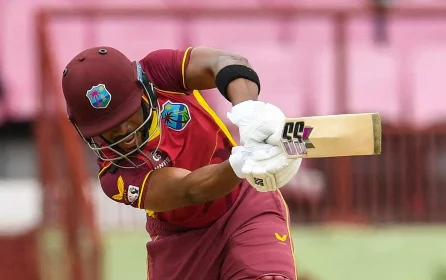
MIRPUR, Bangladesh – Under the floodlights of the Shere Bangla National Stadium, West Indies captain Shai Hope and all-rounder Akeal Hosein produced a nerve-shredding finish to snatch a miraculous victory over Bangladesh in the second One Day International on Tuesday.

What began as a desperate chase ended in euphoria, as the visitors edged the hosts by a single run in a rare and riveting Super Over finish.

A fight to the finish

Chasing 214 for victory to level the three-match series, the West Indies appeared destined for defeat when they slumped to 133 for seven. Yet Hope stood tall, guiding his side with an ice-cool unbeaten half-century that brought them level at 213 for nine off the final delivery.

It was the kind of innings that defined composure under chaos. The game’s climax was forced into a Super Over—only the second in West Indies’ ODI history—after the last wicket pair of Khary Pierre and Hope scrambled two runs from a dropped catch on the final ball.

Drama in the Super Over

The decider was pure theatre. Mustafizur Rahman bowled a tight over for Bangladesh, conceding just six runs from the first five deliveries and dismissing Sherfane Rutherford. Hope, however, had the last say—slicing a fortuitous boundary off the final ball to lift the Windies to 10 for one.

Then came Hosein’s turn with the ball. He began disastrously, delivering a wide and a no-ball, but regained his nerve to strangle the Bangladeshi reply to nine for one. His recovery secured a sensational one-run victory, levelling the series 1-1 ahead of Thursday’s decider at the same venue.

Bangladesh’s late surge falls short

Earlier, Bangladesh had been restricted to 213 for seven after choosing to bat, undone by an unorthodox all-spin attack from the Caribbean side. At 128 for six in the 39th over, the home team looked adrift until captain Mehidy Hasan Miraz and Nurul Hasan rallied with a 35-run stand for the seventh wicket.

Rishad Hossain then lit up the innings, smashing an electrifying 39 from just 14 balls, including three sixes and as many fours. His onslaught, combined with Mehidy’s unbeaten 32, yielded 82 runs in the final 10 overs and pushed Bangladesh to a competitive total.

Gudakesh Motie was the pick of the bowlers for the West Indies with 3-65, supported by Alick Athanaze’s miserly 2-14 and Hosein’s 2-41.

Hope’s composure amid collapse

The Windies reply began in turmoil when Brandon King fell for a duck in the opening over. Alick Athanaze and Keacy Carty briefly steadied the innings with a 51-run partnership before another familiar collapse followed.

From 52 for one, the visitors slid to 128 for six as wickets tumbled—Athanaze for 28, Carty for 35, debutant Ackeem Auguste for 17, and Sherfane Rutherford for seven. When Roston Chase was caught behind for 13, Bangladesh seemed in full control.

But Hope found an able partner in Justin Greaves, and their eighth-wicket stand of 44 reignited the chase. Greaves’s run-out, courtesy of a brilliant direct hit from Mehidy, left the Windies needing 37 runs from 31 balls.

A finish for the ages

Enter Akeal Hosein, who joined Hope in a crucial 34-run stand that took the game to the edge. Hope reached his fifty from 65 balls, and the equation was a simple five runs off the last over.

Saif Hassan, however, tightened the screws. After two dot balls to Hosein, the tension soared. Singles from both batsmen narrowed the target to three from the final delivery. Hosein’s dismissal left Khary Pierre facing the last ball under immense pressure. His top-edged sweep should have sealed West Indies’ fate—but wicketkeeper Nurul Hasan spilled the catch, gifting two runs and forcing the dramatic Super Over that Hope and Hosein ultimately conquered.

The stage is set

What unfolded in Mirpur was more than a cricket match—it was a masterclass in perseverance and nerve. With the series now poised at 1-1, Thursday’s finale promises another enthralling chapter in what has become a fiercely fought contest between two rising cricketing forces.

 

CWI salutes Sir Viv, Sir Richie, and Lara for strengthening West Indies’ global future

West Indies legends (from left) Brian Lara and Sir Vivian Richards with CWI CEO Chris Dehring

ST. JOHN’S, Antigua — Cricket West Indies (CWI) has extended heartfelt appreciation to three of its most celebrated icons — Sir Vivian Richards, Sir Richie Richardson, and Brian Lara — for their remarkable dedication and invaluable contribution to the success of the recent “Mission India” Corporate Engagement Tour.

The high-profile initiative, conducted alongside the Men in Maroon’s Test series in India, was designed to deepen corporate and broadcast partnerships across one of the sport’s most influential markets. Led by CWI Chief Executive Officer Chris Dehring and Chief Commercial Officer Rupert Hunter, the delegation visited Mumbai and Delhi with a clear goal: to reignite global enthusiasm and open new commercial pathways for West Indies cricket.

Legends lead the charge

Throughout the tour, the three West Indian greats poured their time and passion into an ambitious schedule that included executive meetings, business luncheons, and media engagements. Their presence, still magnetic decades after their playing days, drew widespread admiration and rekindled a sense of nostalgia for the Caribbean’s golden cricketing era.

“We owe an enormous debt of thanks to Sir Viv, Sir Richie, and Brian for their tireless efforts and unwavering commitment,” said CWI CEO Chris Dehring. “Everywhere we went, we were received like royalty because of their presence — a powerful reminder of the legacy they built and the deep respect that West Indies cricket still commands. Their willingness to give of themselves so freely speaks volumes about their love and passion for West Indies cricket.”

A celebration of legacy and connection

A standout moment of the initiative was a special golf day featuring the three legends alongside key stakeholders, including West Indies players and team management. The event provided a relaxed yet meaningful forum for networking, highlighting the enduring global appeal of the region’s cricketing giants.

Dehring reflected on the broader significance of the initiative, noting, “The Mission India tour reaffirmed the immense power of our cricketing heritage. These legends not only opened doors to major global corporations but also met and spoke with the team and coaching staff before the second Test in Delhi, imparting their wisdom and inspiration. It was a privilege to witness firsthand the impact and influence West Indies cricket still commands across every level of society.”

Honoring the past, investing in the future

CWI’s acknowledgment of the trio goes beyond gratitude — it symbolizes the ongoing partnership between past and present generations. By lending their stature to the Mission India initiative, Sir Viv, Sir Richie, and Lara have once again elevated the West Indies brand and helped chart a more sustainable future for regional cricket.

CWI formally extended its appreciation, noting that its continued commitment to the sport represents “service to the game and the region with distinction.”

West Indies Women begin intensive Antigua camp ahead of blockbuster 2026 season

Windies women
West Indies Women on tour in England in May

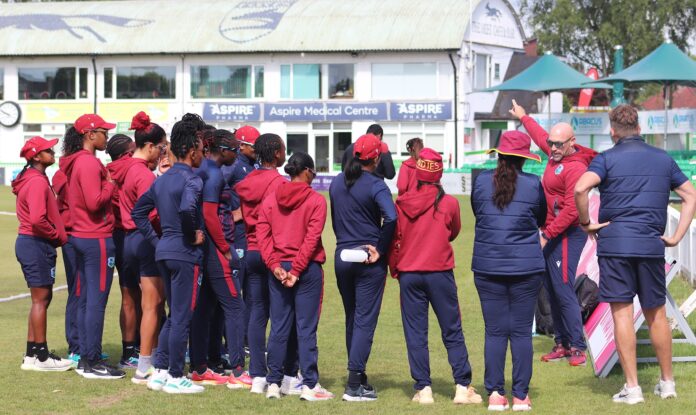
ST JOHN’S, Antigua — The West Indies Women’s Senior Team has kicked off an intensive eight-week high-performance training camp in Antigua, setting the stage for what promises to be one of the busiest and most consequential years in the program’s history.

With six international tours, 15 One-Day Internationals, a Test match, and the ICC Women’s T20 World Cup on the horizon, 2026 looms as a defining year — and this camp, launched on October 20, aims to ensure the team is fully primed for the challenge.

Building the foundation for a defining year

The Maroon Warriors are charting an ambitious path, beginning their campaign by hosting Sri Lanka in February, followed by a full home series against Australia in March and April.

May will see the team in Ireland for a tri-series involving Pakistan and the hosts, before traveling to England for the T20 World Cup. After the global tournament, the squad returns to Ireland for a bilateral ODI series in July, takes on Zimbabwe in a white-ball tour during September and October, and closes out the year at home against Pakistan in December.

With roughly 20 senior players in camp, the focus is to have the core group in peak form by year’s end — physically, mentally, and tactically — ready to sustain excellence through a demanding calendar.

Three pillars of performance

The training program is anchored on three key pillars: strength and conditioning, individual skill development, and team culture and leadership. These elements are being refined through small-group sessions designed to provide personalized attention and foster accountability across the squad.

Head Coach Shane Deitz emphasized that this period represents an invaluable opportunity to shape the team’s competitive edge.

“Individual skill development is the main focus,” Deitz explained. “It’s also about getting our players focused on what they’re here to achieve, push harder than they’ve ever pushed before, and maintain that motivation to train every day. We only get this one opportunity to do this period of training, and what we do now will determine our success next year.”

Power, fitness, and fast cricket

A central aim of the camp, Deitz noted, is to produce cricketers capable of playing an explosive, crowd-pleasing brand of cricket.

“One area we’ve got to get right is our strength and conditioning and team fitness,” he said. “We need fast, athletic, and robust cricketers who can play the style of cricket we want — entertain the crowds, put on a massive show, and win lots of games — but also stay fit and healthy through a tough period.”

To that end, the coaching staff has tailored individualized programs focusing on endurance, agility, and high-intensity game situations — critical components for surviving a season that will test every ounce of stamina and resolve.

Shaping leadership and mental fortitude

Recognizing that a successful team depends on more than physical readiness, the camp also prioritizes leadership and mindset development. Mental Skills Performance Coach Nadine Sammy is spearheading initiatives to strengthen team unity, communication, and emotional resilience.

With the players expected to spend extended stretches together next year, building a cohesive environment and shared sense of purpose is a crucial part of preparation.

Long-term investment in excellence

CWI Director of Cricket Miles Bascombe lauded the initiative as a vital part of the organization’s broader high-performance vision.

“This is an example of the intentional investment being made in high performance across all levels of West Indies cricket,” Bascombe stated. “The aim is to take a very individual approach to player development — providing each player with specific support in the areas that allow them to take their game to the next level. Whether it be skill development, strength and conditioning, or mental and leadership skills, this camp reflects our long-term objective of building a sustainable pathway to success.”

Bascombe added that initiatives like this reaffirm CWI’s commitment to producing world-class cricketers equipped to excel on the global stage.

Eyes on 2026

As the camp continues through early December, the focus remains firmly on readiness, resilience, and renewal. The West Indies Women — already semi-finalists in the last T20 World Cup — are determined to go one step further and reclaim global glory a decade after their last title.

The players will wrap up their Antigua stint the week of December 8 before returning home for the Christmas break, recharged and ready for a monumental year ahead.


JOA President praises visionary move as Jamaica joins regional 2031 Women’s World Cup bid

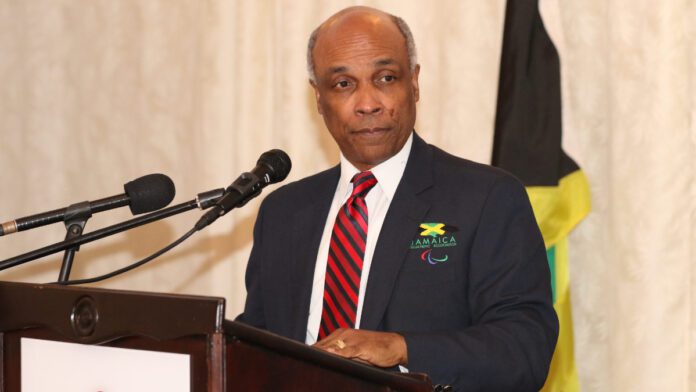
Samuda pushes for tri-partite JAdevelopment of para sports at Americas Paralympic Forum joa
Christopher Samuda

KINGSTON, Jamaica — Jamaica Olympic Association (JOA) President Christopher Samuda has hailed Jamaica’s inclusion in a historic joint bid with the United States, Mexico, and Costa Rica to host matches at the 2031 FIFA Women’s World Cup, describing it as a transformative step for the island’s sporting identity and a powerful statement of ambition.

A landmark moment for Jamaican football

In a rousing statement following FIFA’s announcement of the multi-nation bid, Samuda said Jamaica’s participation “may not be a haul in strict football terms, but I tell you, for Jamaica, its bid with the USA, Costa Rica, and Mexico to host games of the Women’s World Cup is a quadruple shot of class.”

He framed the move as a defining moment not just for football but for the island’s broader sporting vision — an acknowledgment of the growth, grit, and grace of Jamaica’s women’s program, which has broken barriers on and off the field in recent years.

“This is the screamer that Jamaica has always wanted to score to complement the admirable successes that our women and the female programme have earned, and our men have achieved,” Samuda declared.

A visionary step forward

The joint bid — the first of its kind involving four Concacaf nations — is expected to strengthen regional ties and elevate the women’s game across the Americas. Should it succeed, it would mark Jamaica’s first time hosting matches at a FIFA Women’s World Cup and position the island as the smallest nation ever to play such a role in the global spectacle.

Samuda praised the Jamaica Football Federation (JFF) and its president, Michael Ricketts, for their leadership and foresight in aligning with larger footballing nations while ensuring Jamaica remains part of the international conversation.

“I congratulate our member, the Jamaica Football Federation, and their partners and applaud the Michael Ricketts-led federation for a visionary move that undoubtedly will give Jamaica more capital and brand value,” Samuda said.

Elevating the Jamaican brand

For the JOA president, the bid signifies more than the promise of hosting world-class matches — it represents Jamaica’s growing stature as a sporting nation capable of delivering on the biggest stages.

He underscored that this collaboration with North and Central American partners will deepen Jamaica’s global footprint, attract greater investment in local infrastructure, and inspire a new generation of athletes, particularly women.

Samuda emphasized that the JOA sees football’s expansion as a natural complement to the island’s broader sporting ambitions, reinforcing Jamaica’s reputation as a land of excellence and innovation.

Looking ahead to Los Angeles 2028 and beyond

Linking the bid to Jamaica’s broader Olympic aspirations, Samuda expressed optimism that the nation’s sporting trajectory will continue to ascend through the remainder of the decade.

“My earnest hope is that Jamaica will be in LA in 2028 for the Olympic Games as a precursor to our arrival in 2031,” he said, suggesting that the Women’s World Cup could serve as a symbolic continuation of Jamaica’s international sporting journey.

His remarks echo the JOA’s long-standing emphasis on building institutional capacity, athlete empowerment, and brand development — pillars he believes will position Jamaica not only as a participant but as a host and influencer in global sport.

A future defined by vision and legacy

As the world turns its attention to the 2031 Women’s World Cup process, Samuda’s comments capture both the pride and the promise of a nation determined to convert opportunity into legacy.

For Jamaica, the bid represents far more than a footballing milestone — it is a declaration of intent, an investment in future generations, and a reaffirmation of the island’s belief that its sporting spirit knows no borders.


Grenada breaks ground on National Heroes and Heritage Park in Grand Anse

grenada Heritage Park
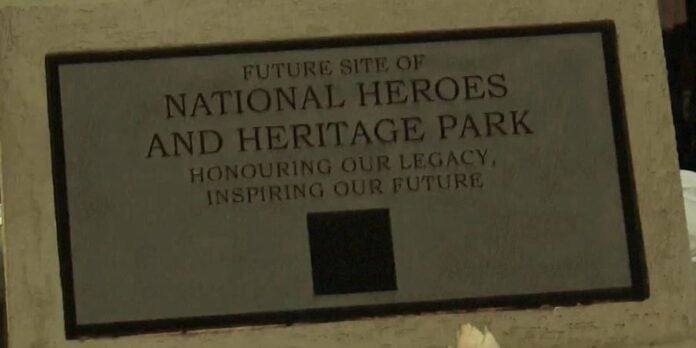
Monument for the construction of a National Heroes and Heritage Park. Image: Government Information Service (GIS) screenshot

Grenada’s Prime Minister Dickon Mitchell has hailed the unveiling of a monument and sod-turning for the construction of the National Heroes and Heritage Park as the beginning of a defining journey toward preserving and celebrating the nation’s identity.

“This park will stand as a lasting symbol of our national identity, paying tribute to those who came before us — and those who sacrificed so much to shape the Grenada we know today,” Mitchell said during the official ceremony. “It will be a place of reflection, relaxation, and education for Grenadians and visitors alike… a signpost of remembrance, offering strength and courage to inspire future generations.”

The ceremony, initially scheduled for October 19 but postponed to October 20 due to inclement weather, was held adjacent to Camerhogne Park in Grand Anse, where the new park will be built. The development will also include a commercial plaza, according to government officials.

Prime Minister Mitchell described the event as especially meaningful, noting that October 19 marks one of the most tragic days in Grenada’s modern history — the 1983 events that led to the death of then-Prime Minister Maurice Bishop and others.

“Forty-two years ago, on this very day, Grenada experienced one of the most tragic and defining events in its history,” Mitchell reflected. “It was a day when the promise of genuine independence was shattered… But today, as we honour those who came before us, we also look forward — with hope, with purpose, and with unity.”

He urged citizens to view the new park as both a tribute to the past and a commitment to the future, emphasizing the nation’s resilience and enduring spirit. “Our Grenadian spirit knows all too well how to use courage to stifle doubt, faith to counter fear, and wisdom to inspire hope,” he said.

“As our democracy matures, we will continue to learn lessons from the past as we confront the realities of the present,” Mitchell added, calling for continued cooperation, dialogue, reconciliation, and peace in nation-building.

Guyana politician arrested in major marijuana bust; AFC urges due process

Guyana’s opposition Alliance For Change (AFC) has called on the public and the media to allow the judicial process to take its course following the arrest of one of its members, former legislator and educator Devin Sears, during a police drug operation on Monday night.

According to police, Sears, 39, was taken into custody after law enforcement officers discovered more than 310 kilograms of marijuana in a minibus he was driving near the Old Bamia Police Checkpoint in Linden, the second largest city in Guyana. He was reportedly accompanied by Albert Sandy, a 69-year-old farmer.

Police said Sears initially claimed that he was transporting “tourism plants.” However, a search of the vehicle uncovered 22 bulky black plastic bags and four large brown canvas bags filled with leaves, seeds, and stems suspected to be cannabis. Both men were arrested and cautioned on the spot.

In a statement issued Tuesday, the AFC said it had taken note of the reports regarding the arrest of Sears and another individual, noting that the second man has claimed ownership of the suspected marijuana, while Sears remains in custody.

Describing Sears as “an active member” of the party, the AFC emphasized that “all persons are entitled to the presumption of innocence until proven guilty in a court of law.”

“The AFC firmly believes in upholding the rule of law and due process and trusts that the relevant authorities will conduct a fair, transparent, and impartial investigation into the matter,” the party said.

It added that the AFC remains committed to “integrity, accountability, and lawful conduct” among its members and “does not condone any act that contravenes the laws of Guyana or undermines public trust.”

The party further urged the public and media to refrain from speculation that could prejudice the outcome of the investigation, while expressing its support for Sears “as he faces the challenges before him.”

No directive to close schools as Jamaica monitors Tropical Storm Melissa

The Ministry of Education has confirmed that there are no instructions for school closures at this time, even as Jamaica remains under a tropical storm watch for Tropical Storm Melissa.

In a statement issued Tuesday, the ministry said it is maintaining constant communication with the Meteorological Service of Jamaica (Met Service), noting that Melissa has “slowed down significantly” and is expected to further decrease in forward speed.

Education Minister Senator Dana Morris Dixon assured that the safety of students and school personnel remains the government’s main concern.

“The safety of students, teachers and our entire school community remains our top priority,” the minister said. “I encourage our boards and principals to keep in touch with their regional directors to receive real-time advice and to communicate with parents and guardians. I urge parents to stay alert for any updates from their child’s institution.”

She added that the ministry will continue to share updates as information becomes available from the Met Service and other relevant authorities.

School boards and principals have been advised to assess local conditions carefully and make informed decisions about school operations under the direction of their regional directors.

The ministry also urged all stakeholders to remain vigilant and take necessary precautions as Tropical Storm Melissa continues to move slowly across the Caribbean Sea.

Melissa is forecast to strengthen into a hurricane later this week. While its slow movement reduces wind threats, it increases the risk of heavy rainfall and flooding in parts of Hispaniola and Jamaica. The storm’s outer bands have already brought showers and gusty winds to sections of Hispaniola, Puerto Rico, and the Virgin Islands.

Opposition walks out of Parliament after clash with House Speaker Juliet Holness

Parliament Jamaica

Tempers flared in the House of Representatives on Tuesday afternoon after Jamaica’s Opposition Leader Mark Golding led a walkout of Opposition members, accusing Speaker Juliet Holness of unfairly silencing their attempts to question Environment Minister Matthew Samuda.

The confrontation unfolded shortly after Samuda delivered a statement on Tropical Storm Melissa and the government’s preparations for the system, which is expected to affect the island within the next 48 hours.

St. Mary South Eastern MP Christopher Brown attempted to question Samuda about previous landslides and outstanding payments to contractors, but Speaker Holness repeatedly interrupted him, ruling that his inquiries were unrelated to the minister’s statement.

Holness cited the Standing Orders, explaining that only the Opposition spokesperson is allowed five minutes to respond to a ministerial statement, while other members—Government or Opposition—may ask questions directly related to the statement.

Government MP Everald Warmington twice rose on a point of order to reinforce that position, drawing objections from Opposition members, including St. Catherine North Western MP Damion Crawford and St. Andrew South Eastern MP Julian Robinson. Both were cut off mid-sentence by Holness.

“Members, it is very evident that the questions are not in respect of this statement by the minister,” the Speaker said, maintaining her stance even as tensions rose across the chamber.

Golding then rose to protest, saying, “Madam Speaker, I’m very concerned by the way the proceedings are being conducted. We’re attempting to ask questions arising from the statement. The statement was a wide-ranging statement…”

Before he could continue, Holness cut his microphone, prompting Golding to lead a walkout of Opposition members amid jeers from Government MPs.

The dramatic exit took place during only the third sitting of the new parliamentary term. The Opposition later called a press conference at Gordon House to address what they described as the Speaker’s continued bias and suppression of legitimate parliamentary debate.

In September, the People’s National Party stated that it was not in support of the reappointment of Holness as House Speaker.


Canadian fertilizer company to shut down operations in Trinidad

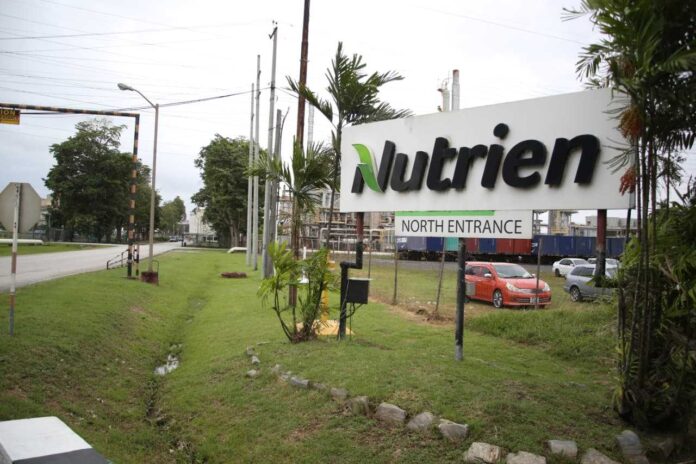
Nutrien Trinidad

Canadian fertilizer giant Nutrien Ltd. has begun a controlled shutdown of its nitrogen operations at the Point Lisas Industrial Estate in Trinidad, citing port access restrictions imposed by the National Energy Corp. (NEC) and an unreliable natural gas supply.

In an internal note to employees, reported by Reuters, the company said, “NEC has now confirmed its intent to restrict Nutrien’s access to the port. This action leaves us with no choice but to begin a controlled temporary shutdown of operations effective October 23.”

The move comes amid a standoff between producers of methanol and ammonia and Trinidad and Tobago’s National Gas Company (NGC) over steep port fee hikes. According to industry sources, the NEC is seeking to raise port charges by up to 200% and apply the increases retroactively to 2020.

Trinidad’s Energy Minister confirmed that the Nutrien shutdown was related to the port access issue, adding that discussions were ongoing between the government, state-owned companies, and port users to resolve the impasse.

The dispute threatens broader disruptions in Trinidad’s vital petrochemical sector, which has already been weakened by natural gas curtailments. Industry insiders warn that more shutdowns could follow if companies, including Methanex, Proman, Yara, and Koch’s Point Lisas Nitrogen, refuse to pay the new charges.

Trinidad ranks as the second-largest exporter of ammonia to the United States—supplying about 37% of U.S. imports in 2024—and is also a leading global exporter of methanol and urea. However, the industry has been under strain due to shrinking gas supplies and uncertainty over contract renewals.

Adding to the challenges, the U.S. government recently imposed a 10% tariff on products from Trinidad, prompting some producers, such as Proman, to divert exports to European markets.

Nutrien’s shutdown underscores growing instability in one of the world’s most significant petrochemical hubs and raises concerns about the future of Trinidad’s energy-driven economy.

CARICOM urges urgent renewal of US HOPE and HELP Acts for Haiti

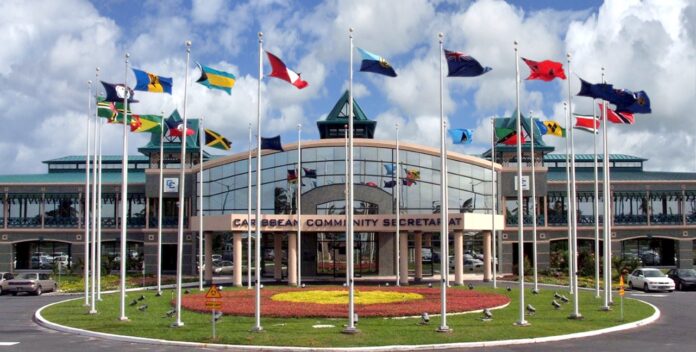
48th CARICOM Heads Conference to Tackle Current Geopolitical Challenges

The Caribbean Community (CARICOM) Heads of Government are calling for the swift renewal of the Hemispheric Opportunity through Partnership Encouragement (HOPE) and Haiti Economic Lift Program (HELP) Acts, which grant duty-free access to certain Haitian-made textile and apparel products in the United States.

In a statement issued Tuesday, CARICOM leaders reaffirmed their strong support for the trade programmes, describing them as “vital to Haiti’s economic and social development” and essential for maintaining trade and investment ties between Haitian and U.S. businesses.

The Heads of Government warned that allowing the preferential trade framework to lapse would have serious consequences, including business disruptions, job losses, and a further decline in Haiti’s fragile economy.

“The loss of this preferential arrangement negatively impacts business continuity, investment, and employment in Haiti and exacerbates the worsening economic and social situation at a time when the people of Haiti require greater international support,” the statement read.

CARICOM is urging both the U.S. Administration and Congress to act swiftly to renew the legislation and restore the HOPE/HELP programmes, which the regional bloc says are critical for sustaining Haiti’s manufacturing sector and promoting long-term stability.

Opinion: Time for a strong Caribbean defense system

CARICOM Caribbean general elections

Since the late 1950s and early 1960s, the English-speaking Caribbean region has tried unsuccessfully to coalesce into a strong union. Attempts at creating a West Indies Federation failed as nationalistic ambitions—first in Jamaica, followed in quick succession by Trinidad and Tobago—foiled the emergence of a nation of ten states.

Despite Jamaica, Trinidad and Tobago, Barbados, and Guyana gaining political independence relatively quickly from Britain by 1966, the four nations negotiated another regional agreement in Chaguaramas, Trinidad, in 1973. The Treaty of Chaguaramas created the Caribbean Community and Common Market (CARICOM) to promote economic integration and cooperation among the member states. CARICOM replaced another attempt at regional grouping, the Caribbean Free Trade Association (CARIFTA), formed in 1968.

Membership in CARICOM has expanded significantly since 1973 to currently consist of 15 member states, including Haiti, The Bahamas, Belize, Suriname, and Montserrat, which were not members of the former West Indies Federation.

Although CARICOM has prevailed and grown over the past 52 years, it has struggled and is by no means a perfect regional union. While it remains relevant in principle, its effectiveness in practice is widely debated. CARICOM has achieved some successes but faces persistent challenges that limit its impact in today’s fast-changing global environment.

Evidence of CARICOM’s seeming ineffectiveness includes its tendency toward slow implementation of agreements—such as the free movement of people and goods between states—and national chauvinism, with leaders of respective nations often prioritizing their national interests over regional unity. The priorities of richer member states like Jamaica, Trinidad and Tobago, and Barbados differ greatly from those of the poorer nations, often making the creation of unified policies difficult. Also contributing to the union’s ineffectiveness is the fact that CARICOM’s decisions are not binding unless members voluntarily comply. Another significant weakness is that most Caribbean citizens are not even familiar with the role of CARICOM; those who are tend to feel disconnected and see little direct benefit. Finally, CARICOM has proven to be much too bureaucratic, with a plethora of meetings and declarations, but weak execution of the decisions made in these many meetings.

Some critics of CARICOM attribute its relative ineffectiveness to the union’s lack of governance over an issue that significantly affects the entire region. But in recent months, there have been signs of the emergence of such a common issue: the need to create a regional security system to protect the region from both internal and external threats.

Recently, there have been threats to Guyana based on its border dispute with Venezuela; threats to the stability of Haiti due to ongoing gang violence; and threats to the region from an aggressive U.S. policy aimed at deterring drug traffickers.

Realistically, the Caribbean region cannot counter external military threats through conventional military methods. However, “counter” does not necessarily mean fighting—it can mean deterring, neutralizing, or mitigating threats through strategic, diplomatic, and regional actions.

Last week, CARICOM issued a statement reaffirming the region as a “Zone of Peace.” This underscores the important objective of using dialogue and engagement toward the peaceful resolution of disputes and conflicts. The Community also reiterated its willingness to assist in efforts to defuse tensions and its commitment to fighting narcotrafficking and the illegal trade in small arms and light weapons, noting that such challenges should be addressed through international cooperation and in accordance with international law.

But to many, this latest declaration rings hollow and lacks an explanation of how this so-called “Zone of Peace” is to be effective.

What the leaders of CARICOM need to do, as a matter of urgency, is to revitalize the Regional Security System (RSS) and create a unified Caribbean Defense and Security Council (CDSC) that focuses on intelligence sharing, cyber defense, and maritime surveillance—creating limited but effective coordinated forces, including regional coast guards and rapid-response units. There is also a need for a Caribbean Maritime Defense Agreement that enhances collective deterrence against external threats and coercion.

CARICOM should also work through the United Nations, the Organization of American States (OAS), and international courts to constrain or condemn unilateral external military actions, while building alliances with neutral powers like the European Union, the African Union, and Latin American states to provide diplomatic cover and economic alternatives.

The time is now for CARICOM to focus on building non-military defenses by investing in cybersecurity, information resilience, and civil defense planning.

To further underscore its position as a Zone of Peace, CARICOM should immediately use public diplomacy and media influence to defuse growing regional tensions with the U.S. and focus on highlighting U.S.–Caribbean interdependence.

The Caribbean’s best defense against external and internal threats is not, and essentially cannot be, military confrontation, but rather unity, diplomacy, diversification, and resilience. A coherent, stable, and cooperative region—effectively led—will serve as a deterrent, making it strategically unwise for foreign or internal forces to threaten or undermine it.

Hopefully, CARICOM will become more unified and effective as a regional grouping as it faces external threats and as each member state realizes that their national development can be stronger by being an integral and active part of this group.

British-Jamaican designer Grace Wales Bonner named Creative Director of Hermès Menswear

Grace Wales Bonner
Photo credit: Ruth Ossai/Town & Country

French luxury house Hermès announced Tuesday that British designer Grace Wales Bonner, whose father is Jamaican, will take over its men’s prêt-à-porter collection, succeeding Véronique Nichanian, who led the line for nearly four decades.

Wales Bonner, in her mid-30s and a graduate of London’s Central Saint Martins, called the appointment “a dream” and said she was overjoyed to join “such a magical house.” Her first collection is scheduled to debut on the catwalk in January 2027.

Nichanian, 71, will present her final men’s collection for the 2026-2027 Autumn-Winter shows in Paris this coming January. Hermès confirmed her departure last Friday, marking the end of a remarkable 37-year tenure shaping the label’s menswear identity.

Wales Bonner’s appointment reflects a broader wave of creative change at major fashion houses, including Chanel, Dior, Balenciaga, Loewe, and Jean Paul Gaultier. Despite a challenging global luxury market, Hermès has continued to see strong growth, reporting a turnover of eight billion euros ($9.3 billion) in the first half of 2025, up more than seven percent.

Born in South London to a Jamaican father and English mother, Wales Bonner has won numerous awards for her innovative menswear that blends European tailoring with African and post-colonial influences. She previously earned recognition as Emerging Menswear Designer at the British Fashion Awards (2015), LVMH Young Designer Prize (2016), CFDA International Men’s Designer of the Year (2021), and was appointed MBE in 2022 for services to fashion.

Hermès artistic director Pierre-Alexis Dumas welcomed her appointment, noting that her “contemporary view of the world, of crafting and of culture, will continue to guide the men’s prêt-à-porter collection.”

Wales Bonner’s ascension marks a historic moment as she becomes the first woman of Black heritage to lead a major luxury house’s menswear line.

Mavado to headline major return concert in Jamaica this December

Mavado

Dancehall titan Mavado is gearing up for a long-awaited homecoming concert on December 27, 2025, at the picturesque Plantation Cove in St. Ann. The show marks the “Gully God’s” first performance on Jamaican soil in nearly a decade, setting the stage for what’s shaping up to be one of the most anticipated live events in recent memory.

Tickets go on sale this Thursday, October 23, exclusively via reggaefest.com, and early demand is expected to be sky-high. Industry watchers are already comparing the buzz to the record-breaking return of Vybz Kartel’s “Freedom Street” concert at Kingston’s National Stadium on New Year’s Eve 2024.


View this post on Instagram


A post shared by David Brooks (@mavadogully)

The event is being produced by CJ Milan, the powerhouse promoter behind some of this year’s most headline-grabbing reggae and dancehall moments—including the historic return of Vybz Kartel to North America, which drew international attention.

Mavado’s career remains a cornerstone of modern dancehall, with timeless anthems like “Weh Dem a Do,” “So Special,” and “Progress” still dominating playlists. In recent years, he’s continued to evolve musically with tracks such as “Enemies,” “Top Shotta Is Back,” “Tears,” and the introspective “Not Perfect.” His 2024 hit “Life of the Gully” racked up millions of streams, reaffirming his enduring global influence. Most recently, Mavado scored another big collaboration on DJ Khaled’s “You Remind Me” alongside Vybz Kartel, Buju Banton, Bounty Killer, Rory Stone Love, and Kaylan Arnold—a testament to his staying power among the genre’s elite.

Adding to the excitement, fellow stars Aidonia, Dovey Magnum, and Stephen “Di Genius” McGregor have taken to social media to show support for Mavado’s long-awaited return. While the full lineup of supporting acts has yet to be announced, speculation is already swirling that members of The Alliance could make surprise appearances.

Fans are being urged to secure tickets early and prepare for a high-energy, hit-filled night that promises not just a concert, but a milestone moment in dancehall history—the long-overdue reunion between Mavado and the island that made him a legend.

AARLCC to celebrate 23 years of culture, community, and legacy in Fort Lauderdale

AARLCC

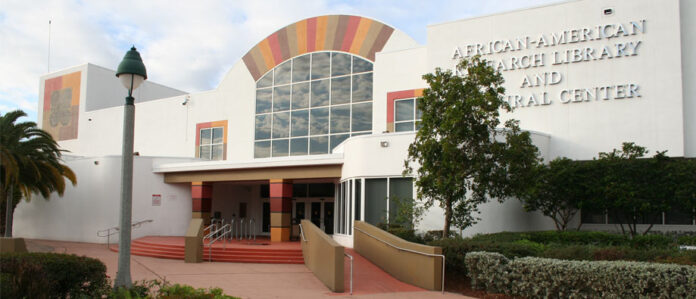
The Friends of the African-American Research Library and Cultural Center (AARLCC) will host a grand celebration marking the 23rd anniversary of the landmark institution on Saturday, October 25, 2025, at 4:30 p.m. at the AARLCC in Fort Lauderdale. Tickets are available online here.

For more than two decades, AARLCC has served as a cornerstone of cultural preservation, education, and inspiration—uplifting stories of African and African-American achievement while fostering a deeper sense of community. The anniversary event will highlight that enduring legacy through music, storytelling, and recognition of those who continue to shape its mission.

Guests can look forward to a soulful evening of live jazz by the Randy Corinthian Music Group, with radio personality Tamara G, co-host of Lite 101.5 FM’s “Those 2 Girls in the Morning”, serving as the evening’s emcee.

This year’s celebration will also spotlight a distinguished lineup of 2025 honorees for their contributions to heritage, community service, and the arts:

  • Jemilah Jones – Heritage and Distinguished Achievement

  • Kandyss Torrence – Heritage and Distinguished Achievement

  • Darius Daughtry – Community Service and Distinguished Achievement

  • Sheri Brown Grosvenor – Lifetime Achievement and Community Service

  • Karen Smith – Community Service and Distinguished Achievement

“This 23rd anniversary is not just a celebration of years—it’s a celebration of impact,” said Luwando Wright, President of the Broward County African-American Research Library and Cultural Center. “The African-American Research Library and Cultural Center is a living testament to what can be achieved through vision, partnership, and community love. We honor the past while inspiring future generations to dream, learn, and lead.”

Dr. Tameka Bradley Hobbs, historian and library manager, echoed that sentiment, describing AARLCC as “one of the great cultural treasures of Broward County and the nation.” She added, “For 23 years, we have worked to preserve the stories, art, and legacies of people of African descent—ensuring that future generations understand their history, take pride in their heritage, and see themselves reflected in the narrative of our collective American story.”

Founded with the help of the Friends of AARLCC, the nonprofit group continues to play a pivotal role in sustaining the library’s mission through programs like Soulful Christmas, Black History Saturday School, and youth-focused STEM and literacy initiatives. The Friends also advocate for public library resources and work closely with elected officials to ensure AARLCC remains a vital hub for education and cultural engagement.

Since opening its doors, AARLCC has grown into one of the nation’s leading institutions devoted to African and African-American heritage, housing rare collections, archives, and exhibitions that celebrate Black history, culture, and creativity.

The 23rd anniversary celebration promises to be a night of reflection, recognition, and rhythm—honoring the visionaries who built AARLCC and those who continue to carry its legacy forward.

Music Brings Life: Caribbean changemakers use music for sickle cell awareness

Music Brings Life

Two Caribbean-born changemakers are using the universal language of music to save lives and spark a national movement around sickle cell disease awareness.

Keenan “Special” Bristol, a proud Guyanese-American artist and advocate, and Prince Forde, a Barbadian cultural visionary and co-founder of the Caribbean Music Awards, are the driving forces behind Music Brings Life, a nonprofit that merges music, culture, and community to raise awareness about the urgent need for blood donations in Black, Caribbean, and Latino communities.

Special – Founder/ Ceo

Since its founding in 2009, Music Brings Life has collected more than 5,000 units of blood, bridging the gap between entertainment and health education. The organization’s message is simple but powerful: “You don’t have to be a doctor to save a life, you just have to donate blood.”

A partnership rooted in purpose

This fall, Music Brings Life has joined forces with the Sickle Cell Consortium and the Boys & Girls Club to launch a three-state screening tour for its new film, Students Are Heroes: A Sickle Cell Warrior’s Story. The film highlights the courage of students and families living with sickle cell disease and how communities can unite to advocate for better care and understanding.

Prince – COO

The tour officially kicked off with a successful launch at the A. Worley Brown Boys & Girls Club in Norcross, Georgia, where young attendees learned about the importance of blood donation and the role they can play in saving lives. The initiative will continue across New York City and New Jersey this fall and winter, with plans to expand nationwide in 2026.

“This is about empowering our next generation,” says Keenan. “When young people understand that they have the power to make a difference, that donating blood can literally save someone’s life, it changes everything.”

Representing Caribbean and Latino excellence

For both Keenan and Prince, this work is deeply personal.

Keenan, of Guyanese descent, has used his platform as an artist and advocate to push conversations about health disparities affecting Black, Caribbean, and Latino communities. “Sickle cell is something that touches our people, but it doesn’t get enough attention,” he explains. “I want to use music and storytelling to change that.”

Prince, born in Barbados and raised in Brooklyn, has long been a champion of Caribbean culture. Known for producing major concerts and founding the Caribbean Music Awards and Caribbean Elite Magazine, Prince has spent his career celebrating the rhythm and resilience of Caribbean people. Now, as COO of Music Brings Life, he brings that same cultural energy into advocacy.

“Our culture is vibrant, unified, and full of life,” says Prince. “That’s the same energy we’re bringing to this movement, showing the world that the Caribbean and Latino communities not only entertain but uplift, heal, and save lives.”

A shared health crisis

Sickle cell disease disproportionately affects people of African, Caribbean, and Latino descent, yet awareness and access to matched blood donors remain critically low. In Latino communities, where the condition is often underdiagnosed or misunderstood, the lack of awareness creates barriers to early treatment and access to life-saving transfusions.

Through Music Brings Life, Keenan and Prince are tackling that gap head-on—taking their message to schools, community centers, and media platforms—to ensure that awareness leads to action. Their partnership with the Sickle Cell Consortium and Boys & Girls Club represents a groundbreaking collaboration between health, youth, and culture, three pillars that continue to shape and strengthen the Caribbean and Latino diasporas.

As Keenan puts it: “Music brings life, and when we come together as a community, we bring hope.”

Founded in 2009, Music Brings Life is a nonprofit organization dedicated to increasing blood donations and awareness within Black, Caribbean, and Latino communities through the power of music, culture, and education.

To learn more about the movement or to support upcoming screenings, visit MusicBringsLife.org.

Why France should be on every food lover’s travel itinerary

France is more than simply a place to visit; it’s a paradise for anybody who thinks eating is one of the best things in life. French food has a centuries-long tradition of culinary refinement, regional pride, and a dedication to perfection. From the buttery croissants that melt in your mouth every morning to the rich layers of a superbly aged Bordeaux, French food is a wonderful example of this. Airlines like Air France make it simpler than ever to go to France by providing easy connections from all around the globe to many French cities.

For foodies, going to France isn’t just about eating great cuisine; it’s also about experiencing a culture where every meal is an event, every ingredient has a narrative, and eating is an art form.

A Culinary Heritage Unlike Any Other

In 2010, UNESCO named French gastronomy an Intangible Cultural Heritage, and with good cause. The French way of eating goes beyond just getting enough food; it’s a way of life that is strongly ingrained in the country’s culture. This is where sous vide, flambé, and mother sauces first came about. They are the building blocks of professional chefs all around the globe. When you eat in France, you’re in the country where modern cuisine began.

The best thing about French food is that it respects history while being creative. Old recipes that have been handed down through the years are used with new methods that push the limits of cooking. Whether you’re eating a simple baguette from a local boulangerie or a multi-course tasting menu in a Michelin-starred restaurant, you’ll taste this attention to workmanship in every mouthful.

Regional Specialties That Tell a Thousand Stories

France has a wide range of foods that are as interesting as its surroundings. Each region is proud of its own cuisine traditions, which are based on the foods, climate, and history of the area. In Provence, you’ll find dishes that are full of sunshine, including ratatouille with summer vegetables, bouillabaisse with Mediterranean fish, and lavender-infused honey over goat cheese. If you go north to Normandy, the food changes drastically. In delicacies like moules à la crème and the famous tarte Tatin, cream, butter, and apples are the stars.

Burgundy has substantial comfort foods like boeuf bourguignon and coq au vin, while the Alsace area has Germanic influences in dishes like choucroute garnie and flammekueche. Lyon, which is sometimes considered the “food capital” of France, is known for its traditional bouchon cuisine, which includes pork-based dishes and offal preparations. The southwest has a lot of agriculture, therefore it has rich, luxurious foods like foie gras, duck confit, and cassoulet.

The Sacred Ritual of French Dining

In France, meals aren’t hurried; they aren’t jammed in between other things that need to be done. Eating is a slow, planned ritual that shows respect for both the food and the people who are eating it with you. A traditional French dinner has many courses. It starts with an apéritif and amuse-bouche, then goes to entrées (which are not main dishes as Americans may think), then to plats, principaux, salads, cheese courses, and ultimately desserts, which may be followed by digestifs.

The French take their time with each meal, talking and enjoying the work that went into making each dish. Even informal cafe meals may last two hours or more. This may seem like a luxury, but it really helps people eat mindfully and interact with each other.

Markets, Bakeries, and Street Food Culture

The culinary culture in France goes beyond just eating out at restaurants. Every week, the markets are full of life and color. They sell everything from artisanal cheeses and charcuterie to fresh seafood and vegetables that were just harvested. Going to markets like the Marché d’Aligre in Paris or the Cours Saleya in Nice gives you a sense of how the French shop: they do it every day, looking for the best seasonal products and getting to know the sellers.

Bakeries are still the center of French communities. The daily routine of purchasing fresh bread is almost sacrosanct, and there are rigorous rules about what may be considered a baguette. In the morning, you may see folks lining up at any boulangerie to get their daily bread, which is still warm from the oven. The selection goes beyond baguettes to include pain de campagne, brioche, and regional ones like fougasse.

Street food culture is also doing well, especially in cities. Crêpe stands include both sweet and savory alternatives, including plain butter and sugar or whole galettes with ham, cheese, and eggs. Food trucks that serve gourmet burgers and meals from across the world have changed the way people eat on the street in France while keeping quality standards that would make fast food in other countries seem inadequate.

An Unmatched Wine and Cheese Paradise

You can’t talk about French cuisine culture without talking about its cheese and wine traditions. There are more than 400 kinds of cheese made in France, including creamy Camembert, strong Roquefort, nutty Comté, and delicate chèvre. When you go to a fromagerie, you can see how serious the process of cheese maturing and selection is. Affineurs diligently tend to wheels and rounds, building tastes over months or years.

French wine regions include stunning scenery and some of the best wines in the world. The terroir of Bordeaux’s exquisite châteaux, Burgundy’s patchwork vines, Champagne’s subterranean cellars, and the Rhône Valley’s sun-baked slopes each produce wines that are unique to their region. Wine tours and tastings teach you about growing grapes, producing wine, and how to mix food with wine in ways that make you enjoy both more.

Pastries and Desserts That Define Decadence

Making French pastries is an art that requires skill, patience, and accuracy. Patisseries exhibit delectable works of art, such as shiny éclairs filled with flavored creams, delicate macarons in rainbow colors, fancy entremets with mirror glazes, and traditional tarts with seasonal fruits. Years of expertise and precise processes go into making these treats, which turn basic materials into amazing sweets.

French desserts are a great mix of sweet and fancy. For example, the gratifying snap of crème brûlée and the caramelized perfection of tarte Tatin. In France’s chocolateries, expert chocolatiers make single-origin bars, new taste combinations, and handmade truffles that will blow your mind.

Planning Your French Gastronomic Adventure

To book cheap flights, start looking well in advance to get the best deals and prices. Once you are there, France’s great transit system lets you visit various areas and try their distinct foods. To get the most out of your culinary experiences, think about going during food festivals, truffle markets, or harvest seasons.

In France, people think about money in quite different ways. You may eat great food at cheap bistros and brasseries without breaking the bank, or you can go all out for special occasions at Michelin-starred restaurants. Street markets, bakeries, and casual restaurants are all great places to eat well without spending a lot of money, so you can save up for special occasions when you want to dine out.

Conclusion

If you love cuisine, going to France will transform how you think about it. You come home with higher expectations, new skills, and a greater appreciation for high-quality products that are cooked simply but well. The French dedication to preserving old cooking traditions while welcoming new ideas is a lesson that can be applied to many areas of life. The experiences you make here, from that first flawless croissant to a lunch you’ll never forget with a view of the vineyards, will shape the way you prepare and eat for years to come.

Jamaica joins historic four-nation bid to host 2031 FIFA Women’s World Cup

Jamaica World Cup

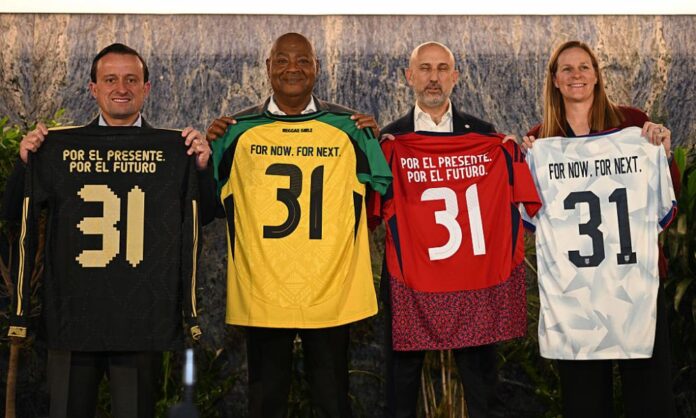
Jamaica is poised to make sporting history as part of a powerful four-nation alliance bidding to host the FIFA Women’s World Cup 2031, joining forces with the United States, Mexico, and Costa Rica.

The joint effort, formally unveiled in New York City on Monday, represents not only a bold vision for global women’s football but also a moment of profound pride and opportunity for the Caribbean.

If successful, this collaboration would make Jamaica the first English-speaking Caribbean nation to co-host a senior FIFA World Cup — a monumental leap for the island’s footballing aspirations and a chance to showcase its passion for the women’s game on the world stage.

A continental vision rooted in unity and growth

The bid, anchored in the spirit of “One Concacaf,” seeks to deliver the most impactful Women’s World Cup in history — one designed to empower women and girls, elevate sporting standards, and strengthen football infrastructure across North America, Central America, and the Caribbean.

The initiative arrives at a moment of strategic significance for U.S. Soccer, which aims to sustain the momentum from hosting the 2026 FIFA Men’s World Cup and the 2028 Los Angeles Olympic Games.

Yet, for Jamaica and its regional partners, this campaign signals something even deeper — an unprecedented opportunity to unite diverse cultures under one footballing banner and advance the cause of gender equality through sport.

JFF’s proud step onto the global stage

For Jamaica, participation in this bid underscores its growing stature in women’s football, following the Reggae Girlz’s historic back-to-back appearances at the FIFA Women’s World Cup. The island’s inclusion among the four co-hosts highlights its evolving role within the Concacaf framework — not merely as a competitor but as a genuine stakeholder in shaping football’s global future.

“This is a defining moment for the region,” said a Jamaica Football Federation spokesperson. “Jamaica’s involvement in this bid reflects our ongoing commitment to the development of women’s football and to giving young Caribbean girls a stage upon which their dreams can thrive.”

“An extraordinary opportunity” — US soccer president

U.S. Soccer President Cindy Parlow Cone expressed deep pride in leading the initiative alongside the three partner nations.

“Together, we have an extraordinary opportunity to host the biggest and most impactful Women’s World Cup in history — one that will inspire a new generation of fans and help grow the women’s game across our entire region and around the world,” Cone said.
“We’re excited to drive lasting progress for women’s soccer by creating a legacy that reaches far beyond 2031 and sets a new global standard for the sport.”

Concacaf’s unified front

Concacaf President and FIFA Vice President Victor Montagliani welcomed the bid as a milestone moment for the confederation’s commitment to women’s football.

“Concacaf fully supports this four-nation bid, which embodies our One Concacaf philosophy,” Montagliani affirmed. “Our Confederation’s commitment to women’s football has never been stronger, and hosting the FIFA Women’s World Cup 2031 will build on this momentum, inspiring future generations of players and fans across North America, Central America, and the Caribbean.”

For Jamaica, his words resonate deeply — a validation of the Caribbean’s integral place within the evolving football ecosystem.

A tournament to inspire generations

If awarded hosting rights, the 2031 FIFA Women’s World Cup would become the largest in history, drawing an estimated 4.5 million fans across venues in all four nations. Organizers promise a player-first approach, state-of-the-art facilities, and a commitment to reinvest proceeds into women’s football development worldwide.

JT Batson, CEO and Secretary General of U.S. Soccer, emphasized the transformative power behind the vision: “This bid is a reflection of our shared belief that soccer can be a force for good. By bringing the Women’s World Cup to North America, Central America, and the Caribbean, we’re not only creating an unforgettable moment for athletes and fans — we’re building a lasting foundation to grow the women’s game at every level, in every country.”

A Caribbean legacy in the making

For Jamaica, the prospect of hosting matches on home soil would be nothing short of revolutionary. Beyond the games themselves, the bid promises infrastructural investment, tourism growth, and inspiration for a new generation of Caribbean girls to take up the sport.

Should the bid succeed, the 2031 FIFA Women’s World Cup would not only mark the largest and most inclusive tournament ever staged — it would also carve Jamaica’s name into footballing history as a proud co-host of the world’s premier women’s sporting event.

CANOC’s Georgetown Summit charts bold future for Caribbean Sport

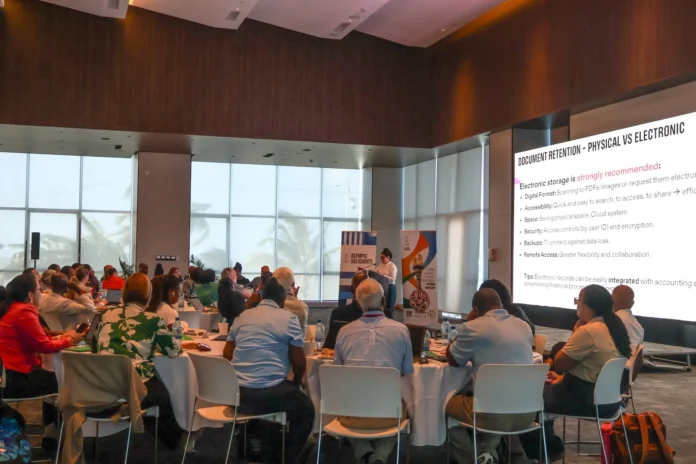
GEORGETOWN, Guyana — The Caribbean Association of National Olympic Committees (CANOC) took a decisive step toward reshaping the region’s sporting future this past weekend, convening its XIII Annual Workshop and XXIII General Assembly in Guyana.

The two-day gathering, staged at the Pegasus Suites and Corporate Centre, brought together more than 100 delegates from 28 nations, united under the theme “Charting the Future of Authentic Caribbean Sport.”

A regional vision takes center stage

The summit served as both a strategic think tank and a call to action, underscoring the shared determination of Caribbean nations to modernize governance, deepen collaboration, and drive long-term sustainability in sport. With representatives spanning the length and breadth of the Caribbean, the assembly reflected CANOC’s growing influence as a platform for regional cooperation and leadership in global sport.

Guyana’s Minister of Culture, Youth and Sport, Charles Ramson Jr., delivered an impassioned address, urging participants to embrace unity as the engine of progress.

“When the Caribbean collaborates, we accelerate,” Ramson Jr. declared. “Hosting CANOC here in Georgetown is about building capacity, trust, and a shared future for sport.”

He described the event as a “significant opportunity” for nations to exchange expertise, strengthen institutional capacity, and align development goals to lift the region’s sporting standards collectively.

Strengthening governance and building capacity

Day one of the workshop delved deeply into the mechanics of reform and modernization, opening with a pivotal session on the CANOC–University of the West Indies (UWI) Memorandum of Understanding (MOU). This partnership aims to craft a comprehensive roadmap for sport education and capacity building, empowering future leaders and administrators with the tools to elevate regional performance.

Another major highlight came from Sandra Osborne, SCM, SC, who led discussions on the ongoing CANOC Incorporation process, a move intended to solidify the organization’s legal and institutional structure for greater autonomy and effectiveness.

In addition, the CANOC/Deloitte Partnership presented insights into financial governance and sustainability standards, underscoring the need for fiscal discipline, transparency, and innovation in resource management.

Pushing toward transparency and accountability

The Georgetown summit followed on the heels of an Olympic Solidarity Financial Management Workshop, an initiative designed to reinforce CANOC’s commitment to financial integrity and accountability among its member National Olympic Committees (NOCs). Together, the two gatherings signal a decisive shift toward more professional, accountable, and globally aligned management practices within Caribbean sport.

Charting the path ahead

Beyond policy and procedure, the CANOC assembly represented a symbolic turning point — one that celebrated regional identity while embracing a collective ambition to position Caribbean sport on a larger world stage. With collaboration at its core, the workshop emphasized that the Caribbean’s greatest strength lies in unity, shared expertise, and a commitment to integrity in governance.

As the curtains closed on the Georgetown summit, one message echoed clearly through the halls of Pegasus Suites: the Caribbean is ready to lead, not follow, in the global evolution of sport.

Julien Alfred’s legacy collection merges glamour, patriotism, and purpose

Julien Alfred’s legacy collection

GROS ISLET, St Lucia — Olympic champion Julien Alfred has added a new dimension to her golden story, unveiling a jewellery collection inspired by her historic triumph at the Paris 2024 Olympic Games.

The line — titled the “Julien Alfred Legacy Collection” — was launched on October 11 at a glittering fundraising event for the newly established Julien Alfred Foundation, which is dedicated to nurturing the next generation of St Lucian athletes.

A sparkling tribute to a national icon

The collection, conceived and designed by Eleanor Prospere, founder of Fearless Jewellery, is a vibrant homage to Alfred’s Olympic journey and her role as a beacon of national pride. It includes a unisex bracelet, earrings, and necklaces, each piece thoughtfully crafted to echo the circular form of the Olympic medal — the very emblem of Alfred’s golden moment in Paris.

Interwoven into the designs are subtle but powerful symbols of St Lucian identity: the national flag’s radiant blue and gold, and the island’s majestic national flower, the rose and marguerite.

“For St Lucia, her win was a game-changer,” Prospere said in an interview with the St Lucia Times. “She has put us on the map. I wanted to create a piece of jewellery so everyone could share in her victory.”

A partnership forged in pride and purpose

Before production began, Prospere sought and received Alfred’s approval — along with that of her management team — ensuring the collection authentically reflected the athlete’s values and achievements. Driven by personal conviction and admiration, Prospere financed and produced the entire collection independently.

The collaboration has since evolved beyond artistry into activism. The Julien Alfred Foundation will channel proceeds from the jewellery line into youth development initiatives, offering support and opportunities to emerging athletes who aspire to follow in Alfred’s footsteps.

Beyond gold: Building a legacy of giving back

For Alfred, the launch represents far more than a fashion statement; it marks the continuation of her commitment to community empowerment. The foundation’s mission is rooted in her own journey — one defined by perseverance, excellence, and national pride.

By transforming her Olympic success into a platform for social impact, Alfred is crafting a legacy that shines just as brightly as her medal — one built on inspiration, opportunity, and national unity.


Reshaped and recharged! CWI unveils new vision for 2025 Super50 Cup

CWI Super50

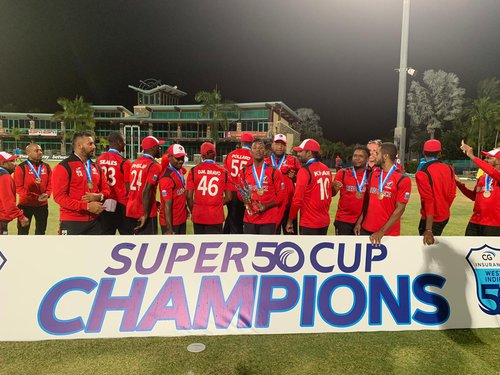
ST. JOHN’S, Antigua — Cricket West Indies (CWI) has confirmed a major structural overhaul of the CG United Super50 Cup for 2025, signaling a new chapter for the region’s premier 50-over competition.

The tournament, scheduled for November 19–29 in Trinidad, will feature a streamlined format, tighter scheduling, and intensified competition — all part of a recalibrated approach amid the organization’s ongoing financial challenges.

A leaner, sharper format

In a move that marks a departure from tradition, the tournament will transition from its previous 31-match, eight-team format to a condensed round-robin structure featuring six franchises: Trinidad & Tobago Red Force (TTRF), Barbados Pride (BP), Guyana Harpy Eagles (GHE), Jamaica Scorpions (JS), Leeward Islands Hurricanes (LIH), and Windward Islands Volcanoes (WIV).

The West Indies Academy and Combined Campuses and Colleges (CCC) have been excluded from this year’s competition, a decision CWI says is aimed at consolidating resources and enhancing the intensity of play.

Under the revised setup, each team will face off in a brisk series of encounters, with the top two sides advancing directly to the Final, ensuring every game carries significant weight.

“A cornerstone of cricket development”

CWI’s Director of Cricket, Miles Bascombe, emphasized that the restructured Super50 Cup is designed not only to sustain competitive quality but also to strengthen the regional development framework.

“The CG United Super50 Cup continues to be a cornerstone of our cricket development structure,” Bascombe said. “This reformed format allows us to maintain a high standard of competition while also refocusing our resources on building a stronger, more sustainable development pathway.”

He noted that the shorter format demands precision, tactical clarity, and readiness from every franchise.

“The reduction in matches means teams must now be more deliberate and strategic in their preparation, ensuring they hit the ground running from the very first game,” Bascombe added. “While the absence of the CCC and West Indies Academy changes the dynamic, it also opens the door for those players to vie for selection within their territorial franchises. This added competition for places should raise the overall standard of play and sharpen the focus of every player involved.”

High stakes and fierce rivalries

The battle for regional supremacy will be as fierce as ever, with a total prize pool of US$200,000 up for grabs. The champions will pocket US$100,000, while the runners-up will collect US$50,000. The third- and fourth-placed teams will each receive US$25,000, adding a competitive edge to every stage of the tournament.

The condensed, high-intensity format promises to heighten drama and fan engagement, placing greater emphasis on execution under pressure — an element long celebrated in Caribbean one-day cricket.

Focus on the future

While this year’s restructuring stems partly from financial prudence, CWI insists the new model lays the groundwork for long-term sustainability and player growth. The organization views the 2025 edition as both a test case and an opportunity to refine its approach to regional competition.

The complete fixture schedule will be released in the coming days, with Trinidad poised to host what CWI expects to be one of the most competitive and closely fought editions in recent years.


St. Vincent and the Grenadines launches Independence International Masters Cricket Tournament

The Government of St. Vincent and the Grenadines, through the Tourism Authority and in collaboration with the SVG National Sports Council, the Ministry of Tourism, Civil Aviation, Sustainable Development and Culture, and the Ministry of Sport, has officially launched the Independence International Masters Cricket Tournament, set to run from October 24 to November 1, 2025.

The tournament, part of the nation’s 46th Independence celebrations, will feature 21 teams from across the Caribbean, North America, and the UK, welcoming over 400 visitors, including players, coaches, officials, and families. Fans can expect ten days of high-energy cricket, camaraderie, and Vincentian hospitality.

The competition will culminate in a T20 night finale on Saturday, November 1, at the Arnos Vale Cricket Ground, where the West Indian Masters XI will face the Rest of the World Masters XI. The West Indian side boasts an all-star lineup of regional legends, including Courtney Walsh, Curtly Ambrose, Mervyn Dillon, Sulieman Benn, as well as local stars Nixon McLean, Ian Allen, and Kesrick Williams.

In his remarks at the launch, Minister James said:

“The Independence International Masters Cricket Tournament represents the spirit of our nation, one that celebrates talent, unity, and resilience. It is a proud reflection of St. Vincent and the Grenadines’ growing reputation as a destination where sport, culture, and tourism come together to create experiences that captivate the world. Hosting such a prestigious tournament during our Independence celebrations strengthens our sports tourism portfolio and provides meaningful opportunities for our people, from our vendors and hotels to our youth and athletes. We look forward to welcoming our regional and international guests to what promises to be an extraordinary showcase of Vincentian pride, culture, and hospitality.”

Minister of Sports, Hon. Orando Brewster, also highlighted the tournament’s wider community impact:

“This tournament underscores our commitment to sports development and the empowerment of our athletes and communities. It is more than a competition, it is a bridge that connects generations, inspires youth participation, and showcases the immense potential of sport as a driver of tourism and national pride. Through partnerships like this one with the Tourism Authority and the National Sports Council, we are demonstrating that sport is an essential pillar of our economic and cultural advancement. I am confident that this tournament will leave a lasting legacy for St Vincent and the Grenadines.”

The St. Vincent and the Grenadines Tourism Authority is working closely with the National Sports Council and the Ministry of Sports to position the tournament as a cornerstone sports tourism initiative, driving visitor arrivals during the Independence season and further enhancing the country’s reputation as a premier Caribbean sporting destination.

Organizers hope the Independence International Masters Cricket Tournament will become an annual fixture, cementing St. Vincent and the Grenadines’ legacy as a hub for cricket, culture, and community celebration.

Golding pushes for Bob Marley and Miss Lou to join Jamaica’s National Heroes list

Miss Lou Bob Marley national icon

On National Heroes’ Day, October 20, Jamaica’s Opposition Leader Mark Golding paid tribute to Jamaica’s six national heroes and heroine while renewing his call for Robert Nesta “Bob” Marley and Louise Bennett-Coverley (Miss Lou) to be officially added to the country’s list of national heroes.

“On National Heroes’ Day we celebrate and express gratitude to our national heroes and heroine who transformed struggle into triumph and dreams into nationhood,” Golding said. He highlighted the enduring legacies of Nanny of the Maroons, Samuel Sharpe, Paul Bogle, George William Gordon, Marcus Garvey, Alexander Bustamante, and Norman Manley, noting that their courage and sacrifice laid the foundation for a Jamaica “rooted in justice, progress forged in unity, and leadership grounded in service.”

Golding described the importance of connecting past heroism to present-day citizenship. He praised Jamaicans who exercised their right to vote on September 3, 2025, noting that voting free from corruption reflected the ideals fought for by Jamaica’s heroes. “Your honest participation demonstrated your commitment to shaping Jamaica’s future and reaffirmed that the spirit of our ancestors endures in our people,” he said.

He also acknowledged the unsung heroes of everyday life—those whose acts of kindness, resilience, and ingenuity strengthen the country. “When we lend a helping hand to someone in need or demonstrate the strength to overcome perilous situations, we are modern examples of the spirit of heroism that keep our nation’s light shining as a beacon of hope,” Golding said.

Turning to the question of expanding Jamaica’s roster of national heroes, Golding said:

“We must draw on the memories of Bob Marley, whose music and message have internationalized Jamaica’s culture and brand, providing inspiration to people struggling against oppression across the world. Likewise, Louise Bennet-Coverley, or Miss Lou, whose poetry and performances in the Jamaican language have provided self-affirmation of who we are as a people and uplifted our national confidence and consciousness.”

Golding’s push follows Prime Minister Andrew Holness’ 2024 announcement that Marley and Miss Lou are set to become the first Jamaicans awarded the newly created Order of National Icon. Holness said at the time: “This will be a most well-deserved and long-overdue recognition of their legendary contributions to Jamaican culture and music. Both Miss Lou and Bob Marley stand as towering figures in the preservation and global elevation of Jamaica’s cultural heritage.”

Both Marley and Miss Lou currently hold the Order of Merit, which grants them the title “The Honourable.” Golding’s call to include them as national heroes underscores a growing consensus on their monumental contributions to Jamaican culture and society.

Acknowledging contemporary challenges such as violence and suicide, Golding urged Jamaicans to choose empathy over anger, unity over division, and hope over despair, emphasizing that the spirit of heroism is as much in daily acts of kindness as in history books.

“Let us stand together as one people, united in purpose, bound together in our love for our country, and determined to build a Jamaica where peace, equality, and opportunity become realities for all,” Golding said.

Miami-Dade Schools partner with Google to bring AI to 100,000 students and teachers

Miami-Dade County Public Schools

Miami-Dade County Public Schools (M-DCPS), the third-largest school district in the United States, has partnered with Google to introduce artificial intelligence tools into classrooms for all high-school students and teachers.

The initiative will provide over 100,000 users access to Gemini for Education, a secure and user-friendly AI platform designed to support learning.

Gemini acts as a personalized learning companion, helping students organize complex ideas and offering real-time translation and definitions for English-language learners. By functioning like a personal tutor, it allows students to work at their own pace, build confidence, and deepen their understanding of challenging subjects.

School officials say the partnership reflects a broader effort to create a more adaptive and equitable learning environment, demonstrating how AI can be strategically integrated into education to help every student succeed. Teachers will also benefit from tools that support lesson planning and classroom engagement, making AI a resource for both instruction and learning.

The program marks one of the largest district-wide AI initiatives in the country, positioning M-DCPS at the forefront of technology-driven education.

Tropical Storm Melissa forms: Hurricane Watch for Haiti, Jamaica on alert

Tropical Storm Melissa

The central Caribbean Sea is bracing for the development of Tropical Storm Melissa as it continues to organize and strengthen. Meteorological observations indicate that the low-pressure system is becoming better defined, with winds already reaching up to 72 km/h (45 mph). It is expected to form today.

Authorities are urging heightened vigilance across the region. A Hurricane Watch is now in effect for southern Haiti, stretching from the border with the Dominican Republic to Port-Au-Prince. Meanwhile, the government of Jamaica has issued a Tropical Storm Watch as the island faces potential tropical-storm-force winds within the next 48 hours. Residents in other parts of Haiti, the Dominican Republic, and Cuba are advised to closely monitor Melissa’s progress.

Forecasters warn that the storm could produce locally heavy rainfall and gusty winds, particularly over Jamaica’s northeastern and southern parishes late Wednesday through Thursday, with rainfall potentially continuing into the weekend. Marine areas are also expected to see widespread showers and thunderstorms, with gusty winds reaching tropical storm strength. Fishers on the cays and banks are urged to return to the mainland immediately, and all small craft operators are advised to remain in port until conditions improve.

A Hurricane Watch signals that hurricane conditions are possible within 48 hours, while a Tropical Storm Watch indicates the possibility of tropical-storm-force winds in the same timeframe. The Meteorological Service continues to monitor the system closely and will provide updates as Melissa develops.

Residents are urged to stay informed and prepare for rapidly changing conditions as the Caribbean faces the potential impacts of Tropical Storm Melissa.

Chronixx lands third Billboard Reggae Albums Chart entry with Exile

Chronixx

Chronixx has earned his third entry on the Billboard Reggae Albums chart with his new release Exile, which debuted at #5 following its October 10 release.

Released via Forever Living Originals, Exile is the reggae star’s first full-length album of new material in eight years. The project—coincidentally released on Chronixx’s 33rd birthday—features tracks including Survivor, Family First, Saviour, Genesis, Pain in Your Heart, and Love is On the Mountain.

Produced by British multi-instrumentalist and songwriter Dean Josiah Cover, better known as Inflo, founder of Forever Living Originals, Exile marks a significant return for Chronixx. He previously topped the Billboard Reggae Albums chart with his 2014 EP Dread & Terrible and his 2017 Grammy-nominated album Chronology.

Since the release of Chronology, Chronixx has maintained visibility with a string of singles, but Exile represents his first comprehensive body of work in nearly a decade, reaffirming his place at the forefront of contemporary reggae.