

The legal fight over what makes Jamaican rum truly Jamaican
Key Points(5)
- <p data-pm-slice="1 1 []">Rum is more than just a drink in Jamaica—it's a deep part of the island’s culture and identity, with a history dating back to the 17th century.
- Introduced by European colonists and perfected by enslaved Africans, Jamaican rum became known for its rich, complex flavors, thanks to traditional pot-still distillation and unique aging techniques.
- Today, it remains a symbol of national pride and craftsmanship.</p> But a heated dispute is brewing over what qualifies as authentic Jamaican rum, as reported <a href="https://www.bbc.com/news/articles/cvg1ez63ndvo">by the BBC</a>.
- The controversy started last October when Jamaica's Intellectual Property Office (JIPO) approved stricter rules under the country's geographical indication (GI) designation for Jamaica Rum.
- This GI, first established in 2016, ensures that only rum meeting specific standards can use the label "Jamaican Rum." The major change?
Rum is more than just a drink in Jamaica—it's a deep part of the island’s culture and identity, with a history dating back to the 17th century. Introduced by European colonists and perfected by enslaved Africans, Jamaican rum became known for its rich, complex flavors, thanks to traditional pot-still distillation and unique aging techniques. Today, it remains a symbol of national pride and craftsmanship.
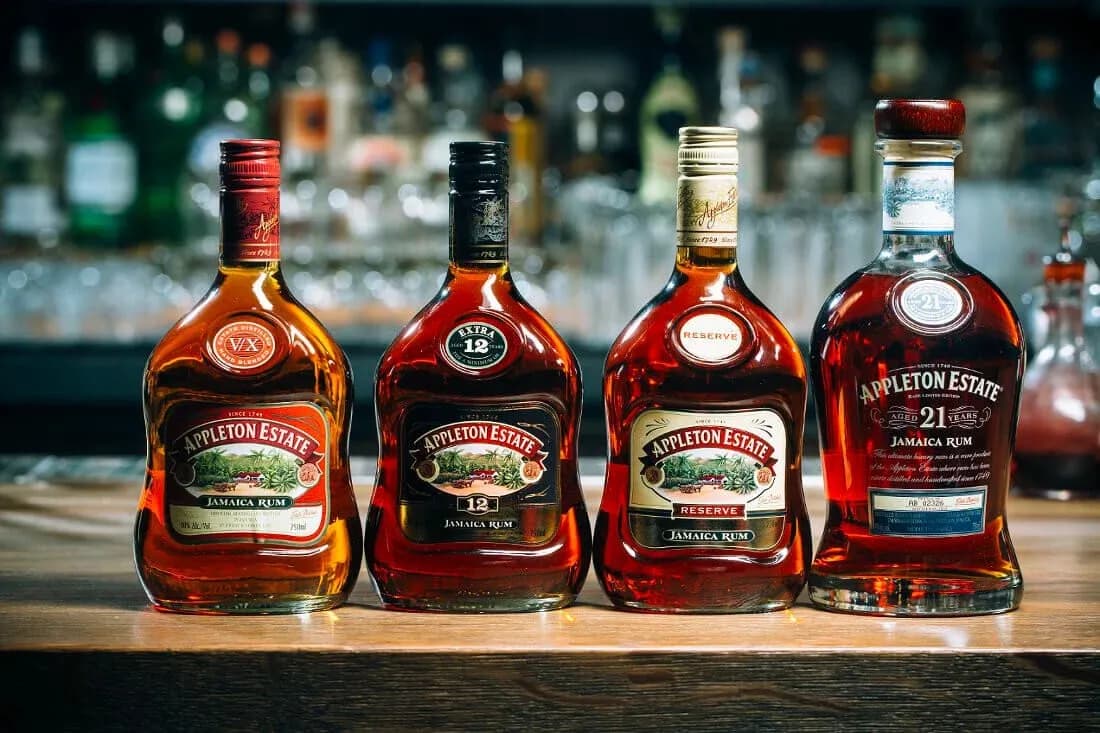
But a heated dispute is brewing over what qualifies as authentic Jamaican rum, as reported by the BBC. The controversy started last October when Jamaica's Intellectual Property Office (JIPO) approved stricter rules under the country's geographical indication (GI) designation for Jamaica Rum. This GI, first established in 2016, ensures that only rum meeting specific standards can use the label "Jamaican Rum." The major change? Rum aged outside of Jamaica can no longer be called Jamaican. The rule change was pushed by the Spirits Pool Association (SPA), a trade group representing Jamaica's six major distilleries, including Appleton, Hampden Estate, and Worthy Park. Their goal is to get official recognition for Jamaican rum in key export markets like the US and the EU, which they believe will boost its reputation and prevent copycats. However, not everyone is on board. National Rums of Jamaica (NRJ), which owns Long Pond and most of Clarendon distillery, is challenging the decision. The issue? NRJ’s business model depends on exporting rum in bulk and aging it overseas—a practice now banned under the new rule. NRJ argues that Jamaica has been exporting and aging rum abroad for centuries, and the new restrictions could cripple its operations. The disagreement has led NRJ to appeal JIPO’s ruling, with a hearing scheduled for April 28. Christopher Gentles, general manager of the SPA, sees it differently. "What we're saying is, if you truly believe in Jamaica rum, age it in Jamaica," he told the BBC. He argues that aging the rum overseas weakens its authenticity and takes away economic benefits from the island, including jobs in refining, bottling, and rum tourism.Why this matters
The debate boils down to how strict Jamaica should be about defining its signature spirit. If the GI rules are upheld, Jamaican rum would join the ranks of Scotch whisky and Champagne—products protected by strong geographical regulations that add prestige and economic value. According to Professor Dev Gangjee from the University of Oxford, products with a GI can command prices up to 2.7 times higher than unprotected versions. Beyond price, strong GI protections keep a product from becoming generic—like cheddar cheese, which was once tied to a specific place in the UK but is now a generic term worldwide. SPA wants Jamaican rum to be globally recognized and safeguarded in the same way. The fight over Jamaica’s most famous spirit is as much about business as it is about heritage. As one editorial on the issue published in The Gleaner put it: "When foreign entities become owners of uniquely Jamaican products, there should be a commitment to robustly maintain the integrity of the brand." For now, the rum industry waits to see if the new rules will hold or if a compromise will be reached.

Tags:featured



.jpg&w=3840&q=75)