Suriname records over 130 chikungunya cases and one death
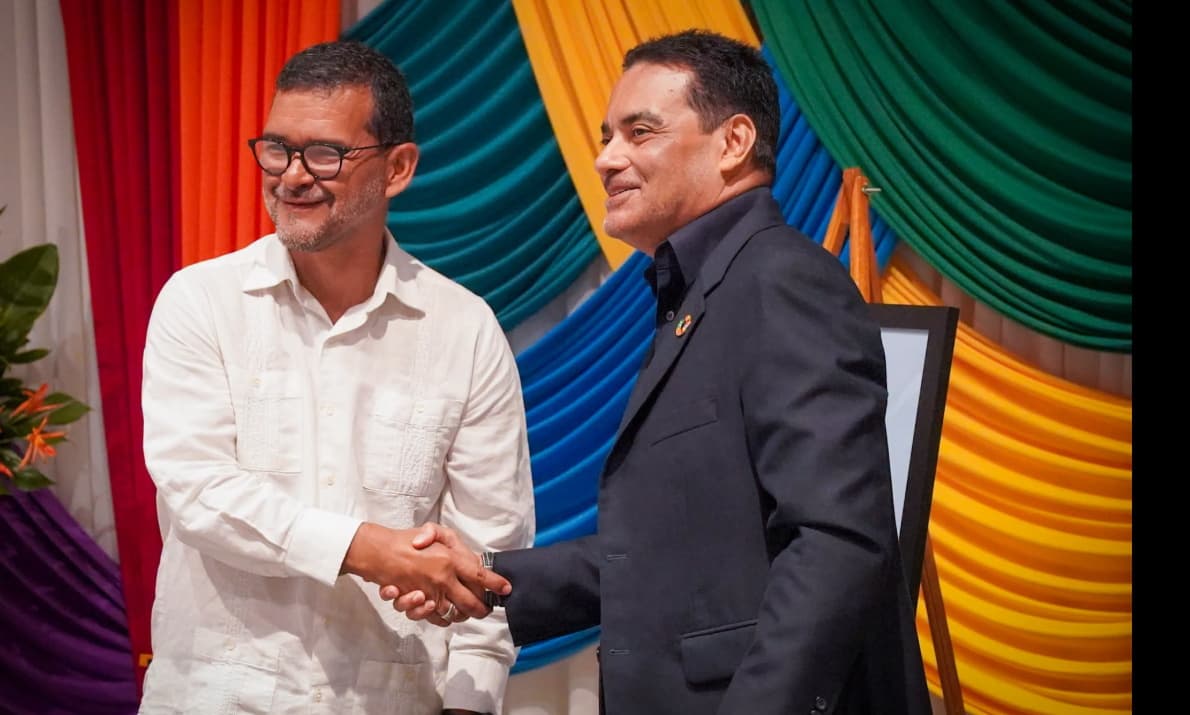
Suriname’s Health Minister André Misiekaba is urging residents to take heightened precautions after the country recorded one death and 134 confirmed cases of the mosquito-borne chikungunya virus.
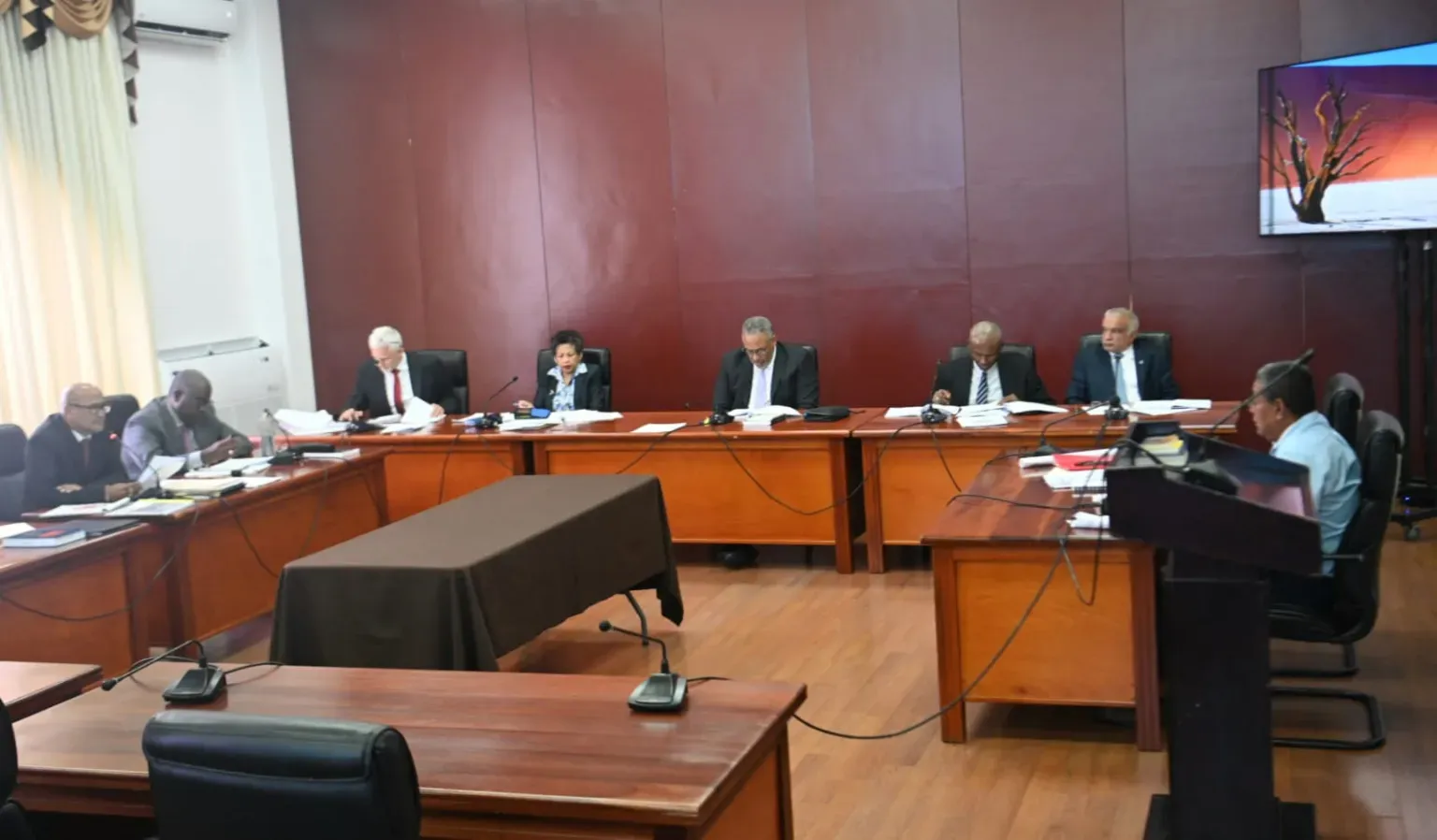
Providing an update to the National Assembly, Misiekaba said laboratory-confirmed cases range from infants as young as 11 months to adults up to 85 years old. The largest concentration of infections has been recorded among people aged 45 to 64, accounting for 38 cases, followed by those in the 25 to 44 age group, with 27 cases.
One death linked to the outbreak is currently under investigation by the Public Health Bureau (BOG). Misiekaba said the deceased had serious underlying health conditions.
Cases have so far been confirmed in three areas, including the capital, Paramaribo. The minister warned that the official numbers may significantly understate the true scale of the outbreak, noting that internationally, a single reported death can represent as many as 1,000 infections.
“I’m not saying this to cause panic, but to call on society to be vigilant, because Suriname is dealing with a serious outbreak,” Misiekaba told lawmakers.
A multidisciplinary working group—supported by experts from the Health Ministry, the BOG, the Medical Mission and the Regional Health Service (RGD)—has been mobilized to lead public communication and community engagement efforts.
The Health Ministry said the most vulnerable groups remain older adults, very young children, people with chronic illnesses such as diabetes and heart disease, and pregnant women, particularly those in the final stages of pregnancy.
Misiekaba said the government has begun clearing mosquito breeding sites in areas with the highest number of infections and plans to expand those efforts nationwide. Insecticide spraying has not yet started, as supplies are still en route.
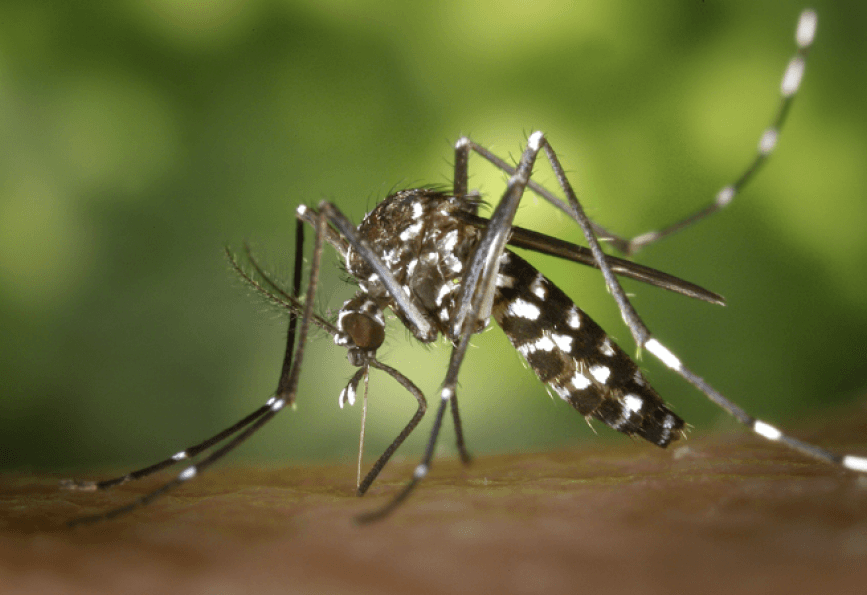
He appealed directly to citizens to play an active role in controlling the outbreak by eliminating stagnant water, covering cisterns and water tanks, using mosquito repellent, wearing long sleeves and pants, and sleeping under mosquito nets.
“The government cannot do this alone. Society must help to control this outbreak,” Misiekaba said.
Stephanie Cheuk A Lam, acting head of the Environmental Inspectorate at the BOG, warned that the outbreak could intensify in the coming months, with infections expected to peak over a three- to four-month period.
“Without the commitment of every citizen, we remain vulnerable,” she said.