St. Kitts PM to propose measures aimed at increasing the nation's birth rate

Key Points(5)
- Kitts and Nevis Prime Minister Dr.
- Terrance Drew has revealed plans to bring a government submission to Cabinet aimed at addressing declining birth rates, framing it as an investment in families, future generations, and national stability.
- In a brief post on social media this week, Dr.
- Drew said he will propose measures to support families and encourage higher birth rates, adding: “This is about supporting families, securing our future, and investing in the next generation.
- #morebabies.” No further details were provided in the post.
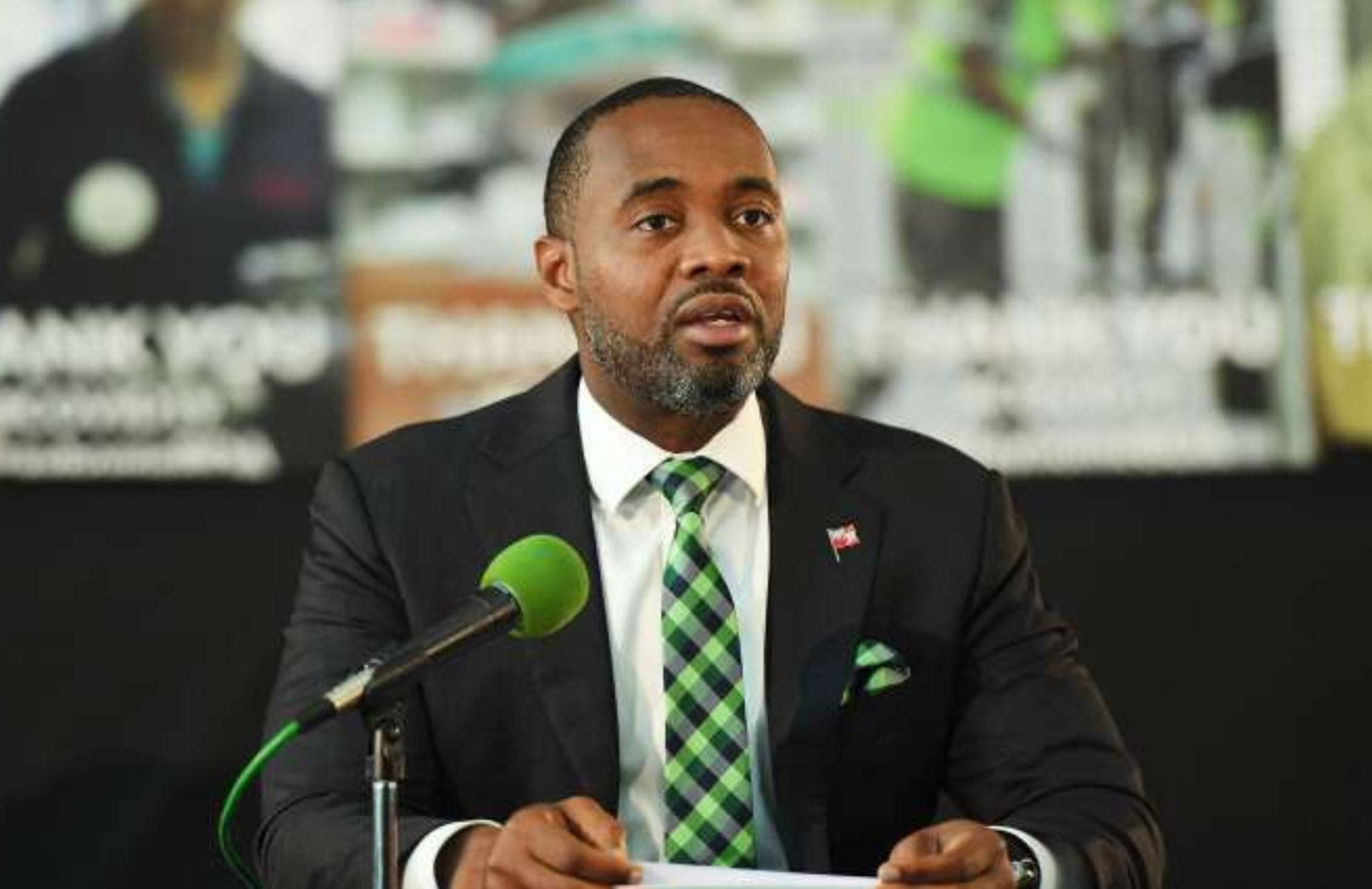
St. Kitts and Nevis Prime Minister Dr. Terrance Drew has revealed plans to bring a government submission to Cabinet aimed at addressing declining birth rates, framing it as an investment in families, future generations, and national stability.
In a brief post on social media this week, Dr. Drew said he will propose measures to support families and encourage higher birth rates, adding: “This is about supporting families, securing our future, and investing in the next generation. I am included. #morebabies.” No further details were provided in the post.
The announcement comes at a time when many Caribbean countries are recording significant drops in fertility and birth rates, triggering concerns among policymakers, demographers, and social planners about future population structures and economic sustainability.
Jamaica’s birth rate has trended downward for decades, with a 17.1% decline between 2011 and 2021, according to official data. Live births fell from about 39,700 in 2011 to roughly 32,900 a decade later, contributing to a rapidly aging population and slower population growth.
More recent data shows Jamaica’s fertility rate — the average number of children a woman is expected to have in her lifetime — has fallen to around 1.9 births per woman, well below the replacement level of 2.1 required to sustain population size without immigration.
The United Nations Population Fund’s 2025 State of World Population Report highlighted Jamaica’s fertility rate at just 1.3 births per woman, among the lowest in the world and similar to rates seen in countries facing long-term demographic decline like Japan and Italy.
Across the Caribbean, many nations now record fertility measures below the replacement rate. A demographic shift noted in regional data shows that 22 of 26 Caribbean countries have fertility rates below replacement level, raising concerns about the balance between working‑age and dependent populations in the years ahead.
Experts point to a mix of socio‑economic factors — including higher costs of living, urbanization, greater female participation in education and the workforce, and changing family norms — as key drivers in falling birth rates across the region. Regions such as Latin America and the Caribbean have experienced some of the sharpest fertility declines globally.
The demographic transition carries wide‑ranging implications, influencing labor markets, social protection systems, and long‑term economic planning. Governments and policy experts in some islands are now debating incentives such as parental support programs, housing benefits, and workplace policies designed to make childbearing and rearing more feasible for young families.
While Dr. Drew’s announcement did not detail specific measures, the broader debate suggests that Caribbean governments may look at family‑friendly policies, economic supports for parents, and enhanced childcare and reproductive health services as part of strategies to reverse or slow fertility declines.
As Cabinet considers the submission from St. Kitts and Nevis, regional observers will be watching to see whether this initiative signals a shift toward more proactive population policy in the Eastern Caribbean.