A newly formed state audit team launched by Governor Ron DeSantis has completed an intensive review of Broward County’s spending practices, gathering tens of thousands of documents in an effort to root out what the governor has called “wasteful” spending on so-called “woke” initiatives.
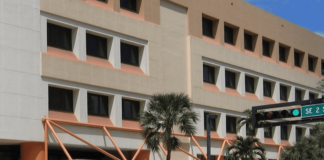
According to Sun Sentinel reports, the Florida Department of Government Efficiency (DOGE) recently spent several days inside the Broward County Governmental Center, requesting detailed information across a wide swath of operations, from payroll and contracts to diversity programs and environmentally conscious efforts the state labeled “Green New Deal” projects.
The county’s response was massive. Over a nine-day span, staff compiled more than 54,000 files totaling nearly 135 gigabytes of data, according to County Administrator Monica Cepero. The requested materials covered everything from DEI efforts and climate-related programs to transportation, homeless services, and property management.

Gov. DeSantis has repeatedly criticized Broward for overspending, accusing local leaders of a lack of fiscal responsibility. But county officials have raised questions about why Broward has been targeted.
“This wasn’t a neutral inquiry,” said County Commissioner Steve Geller, according to the Sun Sentinel. “They’re down here looking for evidence to support what the governor and CFO have already been saying.”
Broward County Mayor Beam Furr said the audit could still be valuable if handled fairly. “If there’s money that was misspent, that is a fair target,” Furr said.
DeSantis launched the DOGE unit earlier this year in partnership with state CFO Blaise Ingoglia, vowing to investigate what he described as “pet causes” funded by taxpayers, including DEI initiatives and climate programs. The effort is now expanding beyond Broward, with similar audits planned for Hillsborough, Pinellas, and Orange counties, as well as the city of Jacksonville.
In Broward, part of the scrutiny centered on the county’s investments in climate-related projects — including a $34 million purchase of electric buses from now-bankrupt manufacturer Proterra. The failed pilot left the county with inoperable vehicles, though officials stressed it was a good-faith effort funded partially with federal dollars.
“We were trying to do the right thing,” Furr said, defending the pilot as a step toward reducing fossil fuel dependence. He added that climate resilience is non-negotiable for a coastal county like Broward.

While the DOGE team has yet to release its findings, local leaders say they expect criticism. Still, they hope for an opportunity to respond before any final report is issued — a standard practice in government audits.
“We want this to be transparent,” said Furr. “An honest critique could be healthy — if it’s truly honest.”