TALLAHASSEE, Fla. (AP) — Gov. Ron DeSantis and Florida lawmakers proposed legislation making it easier to send convicts to death row by eliminating a unanimous jury requirement in capital punishment sentencing — a response to anger from victims’ families following a verdict sparing a school shooter from execution.
The proposal comes after a divided 9-3 jury spared Marjory Stoneman Douglas High School shooter Nikolas Cruz in November from capital punishment for killing 17 at the school in 2018. The Parkland school shooter instead received a life sentence.
The Cruz decision outraged many and is likely the catalyst for Florida’s move to drop its unanimity requirement for capital punishment.

Republican legislators, at the governor’s urging, introduced legislation to allow the jury to choose the death penalty with only eight of the 12 jurors in favor, which would make Florida the only state to use that standard.
Only three states out of the 27 that impose the death penalty do not require unanimity. Alabama allows a 10-2 decision and Missouri and Indiana let a judge decide when there is a divided jury.
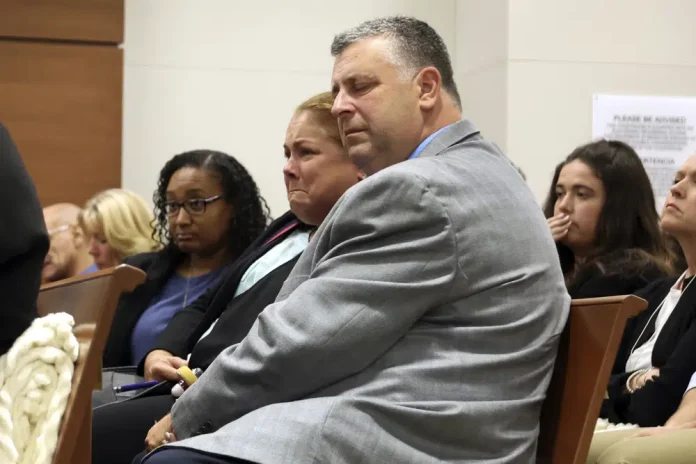
Tony Montalto, whose 14-year-old daughter Gina died in the massacre, said changing the requirement from unanimity to 8-4 would prevent “an activist juror from denying the victims’ families justice.”

“The people subject to the death penalty are already convicted murderers, they are not people picked off the street,” Montalto said.
DeSantis, a Republican expected to launch a 2024 White House bid in the late spring or early summer, has not signed death warrants at the same rate as his predecessors, but said Cruz deserved capital punishment and he would have expedited Cruz’s execution if given the chance.
With Florida’s legislative session approaching, DeSantis advocated for the change as part of a larger criminal justice legislative package, described by the governor as a counter to the “soft on crime” policies in Democrat-led states.

“I don’t think justice was served in that case. If you’re going to have capital, you have to administer it to the worst of the worst crimes,” DeSantis said of the Cruz case, adding that it “should be the vast majority” of jurors for a death sentence.
For decades, Florida had not required unanimity in capital punishment, allowing a judge to impose capital punishment as long as a majority of jurors were in favor of the penalty. But in 2016 the U.S. Supreme Court threw out state law, saying it allowed judges too much discretion.