Jamaica’s airbnb bill stalls amid criticism over Fines
Key Points(5)
- A proposed law requiring licensing and regulation of airbnb or short-term rental (STR) accommodations by the Jamaica Tourist Board (JTB) has stalled in Parliament, following the suspension of debate last week.
- The bill, which has drawn both support and sharp criticism, would require STR operators to register and obtain a license from the JTB—or face fines of up to $2 million, a year in prison, or both.
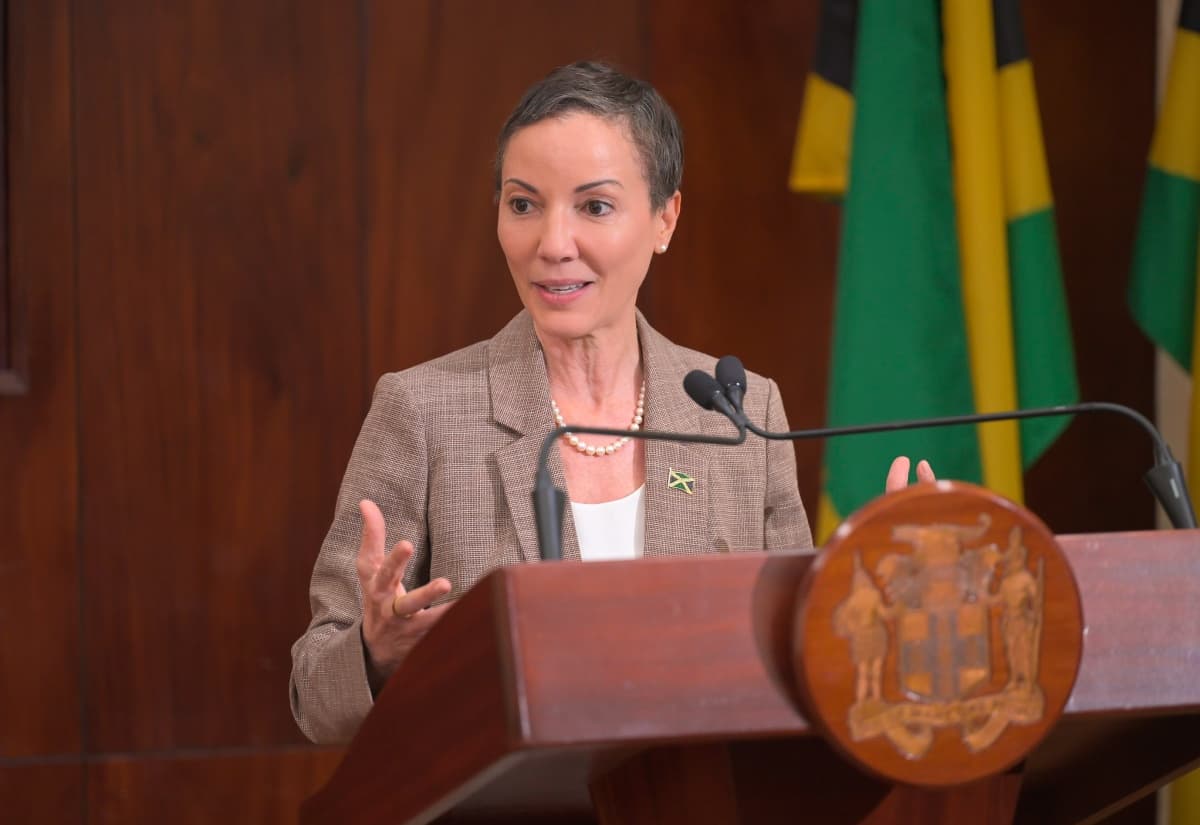
- Tourism Minister Edmund Bartlett, who introduced the bill, has defended it as a necessary step to modernise Jamaica’s tourism sector.
- “While the JTB has played a vital role in marketing destination and supporting sector growth, its current legislative mandate does not provide a clear or comprehensive basis for regulating the full range of tourism enterprises now operating in Jamaica,” Bartlett said.
- The legislation seeks to provide a clear framework for regulating various sectors of the industry, including tourist accommodations, attractions, and water sports.
A proposed law requiring licensing and regulation of airbnb or short-term rental (STR) accommodations by the Jamaica Tourist Board (JTB) has stalled in Parliament, following the suspension of debate last week.
The bill, which has drawn both support and sharp criticism, would require STR operators to register and obtain a license from the JTB—or face fines of up to $2 million, a year in prison, or both.
Tourism Minister Edmund Bartlett, who introduced the bill, has defended it as a necessary step to modernise Jamaica’s tourism sector. “While the JTB has played a vital role in marketing destination and supporting sector growth, its current legislative mandate does not provide a clear or comprehensive basis for regulating the full range of tourism enterprises now operating in Jamaica,” Bartlett said.
The legislation seeks to provide a clear framework for regulating various sectors of the industry, including tourist accommodations, attractions, and water sports. “The bill seeks to create a new and modern framework for tourist accommodation, tourist attraction and water sports, among other areas,” Bartlett added. He said the updated law would introduce a registration process as a first step toward licensing.
The Tourism Ministry later clarified that while homestays with 1–9 rooms and apartments in buildings where short-term rentals are prohibited by strata rules must register, they would not be required to go through the full licensing process.
Still, Opposition Leader Mark Golding raised concerns over the size of the fines and the criminal penalties outlined in the legislation. Describing Clause 17 of the bill as the “sword of Damocles,” Golding said it “imposes both fines and criminal sanctions on persons who operate tourist accommodations, to include Airbnb-type operations, without being registered or licensed with the JTB.”
He pointed out that under the proposed law, if a tourism accommodation such as an Airbnb with 1 to 50 rooms is not licensed or registered, courts may impose a fine not exceeding $1 million or up to 12 months in prison—or both. For accommodations with 51 to 100 rooms, the fine increases to $2 million with a similar prison term.
“They’ve singled out that category which is being treated differently to domestic tour services, ground transportation services, including contract carriage and motor vehicle rental and tourist attractions,” Golding added. He also questioned whether operators in the Airbnb sector were properly consulted.
Bartlett pushed back, saying consultations were “heavy and strong” with Airbnb’s structured leadership in Jamaica. “So, whatever decision that I make today in relation to the continuation of this particular debate, has nothing to do with the misguided positions being posited with regards to the Airbnb sub-sector,” he said.
Bartlett noted that a third of visitors to the island stay in airbnbs. Jamaica currently has more than 10,000 active airbnb listings, most of which are managed by locals operating one or two properties. In 2023, local airbnbs generated close to USD $200 million.
With Parliament now on its summer break and general elections expected soon, the bill will fall off the order paper unless reintroduced in a new legislative session.