Jamaica government expands school bus service to rural areas
Key Points(5)
- The Jamaican Government’s push to expand public transportation across Jamaica is gaining momentum, with the first batch of school buses for rural communities set to arrive on the island this week.
- The rollout marks a major step in bridging the long-standing transportation gap between urban centers and underserved rural parishes.
- Minister of Science, Energy, Telecommunications and Transport, Hon.
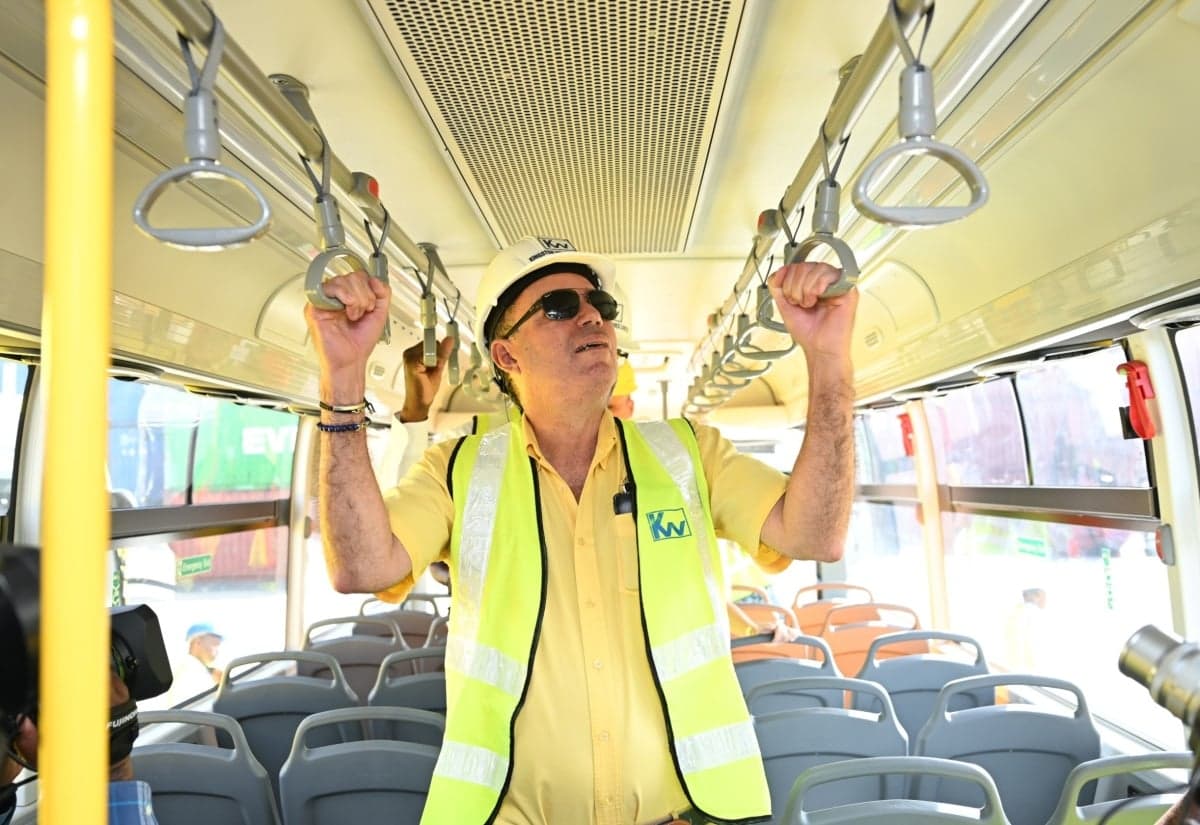
- Daryl Vaz, confirmed the development during the arrival of 63 compressed natural gas (CNG) buses for the Jamaica Urban Transit Company (JUTC) at Kingston Wharves last Thursday.
- These new vehicles are part of the broader national effort to modernize and green Jamaica’s public transit fleet.
The Jamaican Government’s push to expand public transportation across Jamaica is gaining momentum, with the first batch of school buses for rural communities set to arrive on the island this week. The rollout marks a major step in bridging the long-standing transportation gap between urban centers and underserved rural parishes.
Minister of Science, Energy, Telecommunications and Transport, Hon. Daryl Vaz, confirmed the development during the arrival of 63 compressed natural gas (CNG) buses for the Jamaica Urban Transit Company (JUTC) at Kingston Wharves last Thursday. These new vehicles are part of the broader national effort to modernize and green Jamaica’s public transit fleet.
“Next week, we’ll be back here for the first set of school buses,” Vaz said. “And we’ll be back every week for the next three or four weeks until all 110 buses arrive.”
The buses, procured under the Rural School Bus Programme, are expected to begin service by the start of the 2025/26 academic year in September, providing students in rural communities with safe, reliable, and affordable transportation to and from school.
Roughly 100 buses will be deployed across 12 parishes, serving 258 rural schools in total. St. Ann will receive the largest allocation with 10 buses covering 29 schools, while Clarendon follows with nine buses for 32 schools. The programme spans a wide geographic reach, including Portland, Hanover, Manchester, and St. Elizabeth, with each parish receiving between five and nine buses depending on need.
Parents and students will benefit from a flat fare of just $50 per trip, a heavily subsidized rate that is expected to ease financial burdens on families and increase school attendance in hard-to-reach areas. An estimated 320,000 students stand to benefit islandwide.
“This is just the beginning,” Vaz said, noting that the goal is to fully outfit the school bus system with 300 to 400 buses within the next three years. “We are building a safe, economical, and efficient school transport network that serves every rural community.”
The Rural School Bus Programme is part of a broader transportation overhaul that includes eco-friendly initiatives such as the introduction of CNG-powered buses, with a view to improving air quality and reducing operational costs.
With buses scheduled to arrive in waves throughout the next month, the Ministry says it is on track to have all vehicles inspected, assigned, and operational in time for the new school year — setting the stage for a transformative change in how rural students access education.