Jamaica declares dengue outbreak with hundreds of confirmed cases
Key Points(5)
- Jamaica's Ministry of Health and Wellness on Saturday declared an outbreak of dengue fever on the island, with over 500 suspected and confirmed cases.
- The ministry said the outbreak comes as its National Surveillance Unit advised that the island has surpassed the dengue epidemic threshold for July and August and is on a trajectory to do the same for September.
- “This means, the country has seen an increase in the number of cases compared to what is normally seen during these months of the year,” the ministry stated.
- As of Friday, September 23, the country had recorded 565 suspected, presumed and confirmed cases of dengue, the ministry said.
- Of that number, 78 cases had been confirmed, with the majority of the cases in Kingston and St Andrew, St Catherine and St Thomas, according to the release.
Jamaica's Ministry of Health and Wellness on Saturday declared an outbreak of dengue fever on the island, with over 500 suspected and confirmed cases.
The ministry said the outbreak comes as its National Surveillance Unit advised that the island has surpassed the dengue epidemic threshold for July and August and is on a trajectory to do the same for September.
“This means, the country has seen an increase in the number of cases compared to what is normally seen during these months of the year,” the ministry stated.
As of Friday, September 23, the country had recorded 565 suspected, presumed and confirmed cases of dengue, the ministry said. Of that number, 78 cases had been confirmed, with the majority of the cases in Kingston and St Andrew, St Catherine and St Thomas, according to the release.
There are no dengue-related deaths classified at this time, but six deaths are being investigated, the ministry said.
This is the first outbreak on the island since 2019.
The ministry said the dominant strain has been Dengue Type Two, which is one of the deadliest and has not been predominant in Jamaica since 2010. The strain, in addition to fever, can cause additional symptoms and can be fatal.
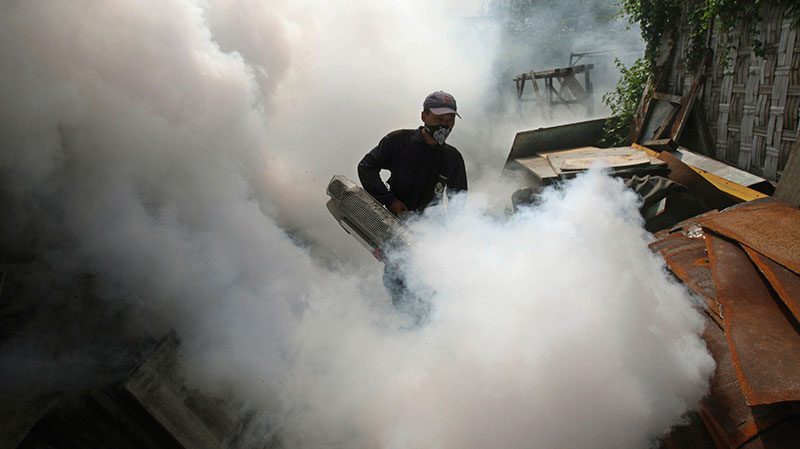
Minister of Health Dr. Christopher Tufton announced that vector control workers will be commencing widescale fogging — a conventional technique used to combat Aedes mosquitoes and prevent the infection.
What is dengue?
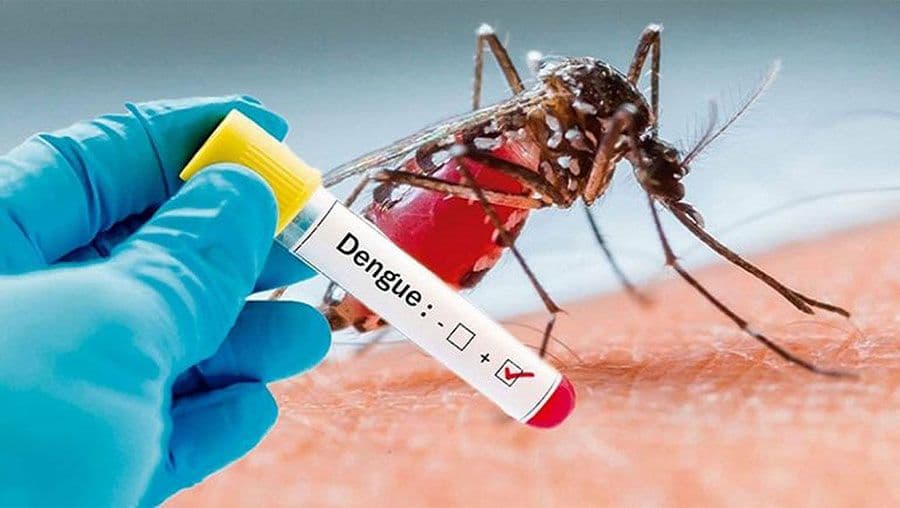
Dengue viruses are spread to people through the bite of an infected Aedes species mosquito. Almost half of the world’s population, about 4 billion people, live in areas with a risk of infection, according to the Center for Disease Control and Prevention.
Symptoms include fever, headache, muscle and joint pain, fatigue, nausea, and rash. In a small number of cases, the potentially deadly dengue hemorrhagic fever (DHF) may develop, resulting in internal bleeding, enlargement of the liver, and high fever.
About one in four people infected with the infection will get sick.
Dengue throughout the region
- Florida officials confirm four new local Dengue cases as spread continues
- Dengue claims lives of school children in Guyana
- St Lucia monitoring increased incidence of dengue & Chikungunya cases
There is also no specific medicine to treat the infection. Health providers will administer medication to treat symptoms.
But in the United States, a vaccine is approved for use in children aged 9 to 16 years with laboratory-confirmed previous dengue virus infection and living in areas where the infection is common. Endemic areas include some U.S. territories and freely associated states.
Dengue in the United States
Dengue outbreaks occasionally occur in the continental United States. Most cases reported in the 49 continental US states occur in travelers infected elsewhere.
Because the types of mosquitoes that spread the infection are common throughout many areas of the United States, local spread is possible and has been reported in Florida, Hawaii, Texas, and Arizona.
However, most outbreaks in the continental United States have been relatively small and limited.