Health ministry warns Jamaicans against travel to Ebola-affected countries in Africa
Key Points(3)
- The Ministry of Health and Wellness is urging Jamaicans to avoid travelling to the Democratic Republic of Congo and Uganda following the World Health Organization’s (WHO) declaration of an Ebola Public Health Emergency of International Concern.
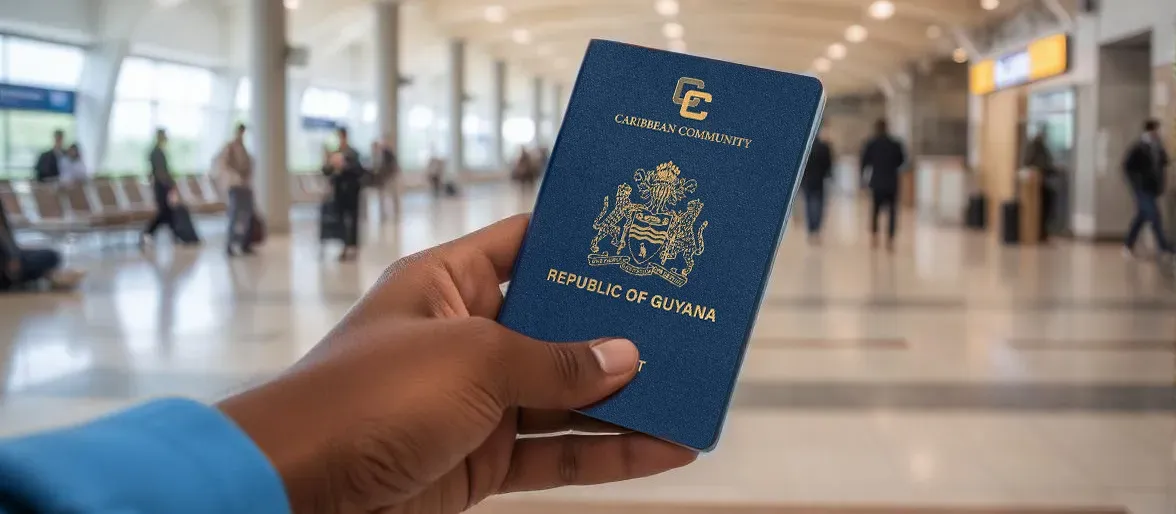
- In a public advisory issued Tuesday, the ministry said travellers should reassess any planned trips and avoid visiting or transiting through affected countries amid growing concerns about the spread of the disease.
- “The Ministry of Health and Wellness wishes to advise members of the public to review their travel plans and avoid traveling to or transiting through affected countries,” the statement said.
The Ministry of Health and Wellness is urging Jamaicans to avoid travelling to the Democratic Republic of Congo and Uganda following the World Health Organization’s (WHO) declaration of an Ebola Public Health Emergency of International Concern.
In a public advisory issued Tuesday, the ministry said travellers should reassess any planned trips and avoid visiting or transiting through affected countries amid growing concerns about the spread of the disease.
“The Ministry of Health and Wellness wishes to advise members of the public to review their travel plans and avoid traveling to or transiting through affected countries,” the statement said.
Although the WHO has assessed the risk as high within the African region and low globally, the ministry said Jamaica has strengthened surveillance measures at ports of entry as a precautionary step.
Under the revised protocols, travellers arriving from affected countries within the last 21 days who show no symptoms will be required to undergo self-quarantine under health supervision. Those presenting symptoms will be treated as suspected cases and immediately isolated.
The ministry is also urging the public to rely only on official and verified health sources for updates and guidance.
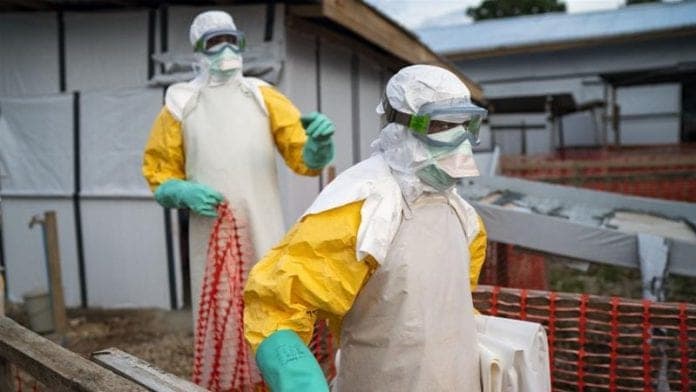
The advisory comes as the WHO warns that the current Ebola outbreak in Central Africa is spreading more rapidly than containment efforts can match, with suspected deaths now estimated at least 220.
On Monday, WHO Director-General Tedros Adhanom Ghebreyesus said response teams were struggling to keep pace with the outbreak.
“Responders were playing catch-up with a very fast-moving epidemic,” he said, adding that delays in detection, limited treatment options, and insecurity in affected communities were hampering containment efforts.
Tedros also pointed to three major challenges complicating the response: the initial delay in identifying the outbreak, the absence of approved vaccines or treatments for the Bundibugyo strain of Ebola, and growing mistrust in some communities that has led to attacks on health facilities.
Ebola is a severe and often fatal viral illness transmitted through direct contact with infected bodily fluids or contaminated materials such as bedding and clothing. According to the WHO, the average case fatality rate is around 50 per cent, though past outbreaks have ranged from 25 to 90 per cent.
Health authorities say countries bordering the Democratic Republic of Congo face particularly high risk as surveillance and response efforts continue to intensify across the region.