A planned amendment to Grenada’s Constitution that would change the Oath of Allegiance from being sworn to King Charles III to instead being sworn to “Grenada” has sparked disagreement among legal minds about the correct constitutional process.
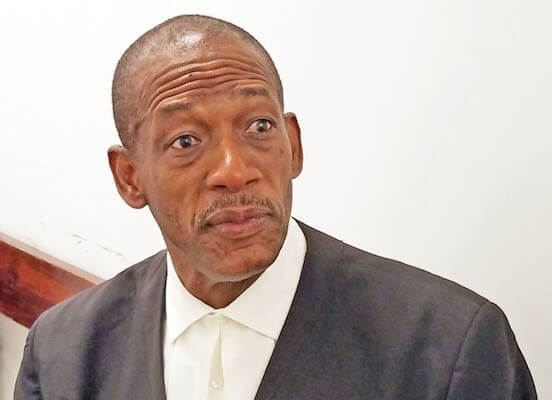
Former Attorney General Cajeton Hood has voiced concern over the government’s approach, arguing that such a constitutional change should be determined by the people through a national referendum — not simply passed by a parliamentary vote.
“I believe that once we are not a republic and still in the Commonwealth, the oath should be to the King because he is our Head of State and is represented here by the Governor-General,” Hood said. “I have no problem with Grenada becoming a republic, but it must be done by referendum. Let the citizens make that choice, and then we change the Oath of Allegiance.”

Hood’s remarks come ahead of the tabling of a draft bill — the Constitution (Oath Of Allegiance) (Amendment) (No. 1) Act, 2025 — during the July sitting of the House of Representatives. The bill proposes to amend Section 37, Schedule 3 of the 1973 Constitution Order by replacing the phrase “His Majesty King Charles the Third, His Heirs and Successors” with simply “Grenada.”
Press Secretary Neila Ettienne confirmed that the draft legislation is set to be introduced in Parliament next month.
Former Attorney General Dr. Francis Alexis, however, has taken a different view. He has long advocated for removing the British monarch from the oath and believes the amendment can be passed through a simple majority in Parliament without triggering a referendum.
The proposed change will not only affect the wording in the Constitution’s Schedule 3, but also carry implications for other parts of the law. According to the draft bill, wherever the Oath of Allegiance appears in written laws — such as the First Schedule of the Oaths Act, Cap 217 — the reference to “His Majesty” will be replaced with “Grenada.”
If approved, the amendment would alter the oath for several categories of individuals, including:
-
The Governor-General (Section 20)
- Advertisement -
-
Members of the Houses of Parliament (Section 40)
-
Ministers and Parliamentary Secretaries (Section 65)
-
Citizens by marriage (Sections 95 and 98)
A similar amendment was included in one of the seven bills proposed during the 2016 referendum on constitutional reform, which ultimately failed to gain voter approval.
The new proposal, while narrower in scope, has reignited the debate over whether the country should first hold a referendum to decide on becoming a republic before removing the monarch from state protocols — or whether Parliament has the authority to act on its own.