The United Nations sexual and reproductive health agency, UNFPA, says it is doing its utmost to protect girls from unintended pregnancy and save the lives of women trying to give birth in the most difficult circumstances in Haiti.
The UN notes that UNFPA is working in an environment where protection, healthcare and essential services have broken down and that the violence and volatile political and economic crisis engulfing the country has rapidly deteriorated into what has been described overall as a humanitarian catastrophe.
The UN said a gang-led blockade at the country’s principal fuel terminal in the capital, Port-au-Prince, has led to riots and severe shortages for weeks.

Around three-quarters of major hospitals are without power and unable to function, and there are shortages of medicine, oxygen, and life-saving equipment, the UN said.
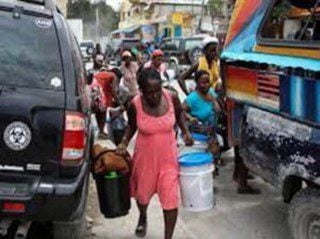
With public transport options nearly non-existent, the UN said health workers can no longer commute, and there are now only three ambulances functioning in Port-au-Prince – with close to none running in the rest of the country.
Gang violence has been surging across Haiti since July this year, with hundreds of people killed, raped, and kidnapped and more than 25,000 driven from their homes in the capital in search of shelter – the majority of them women and children.

“Now, amid an almost complete lack of basic services, including functioning health centers, access to safe drinking water, sanitation facilities and refuse collection, a cholera outbreak is threatening the health and lives of millions of already vulnerable and impoverished people,” the UN said, adding that water-borne disease causes acute diarrhea “that can be deadly if left untreated within the first few hours.”
So far, the UN said 18 people have died, and there are over 250 suspected cases.
“Without medical facilities or skilled health workers, among the most at risk of not receiving the critical care they need are some 29,000 pregnant women and their newborns – especially if they now contract cholera.

“A further 10,000 obstetric complications could go untreated, and thousands of women and girls exposed to high rates of sexual violence and abuse have been left without protection services. Maternal care services are close to a standstill in Haiti,” the UN added.
CMC/