Are Caribbean students more stressed than their global peers?
Key Points(5)
- When exam season hits in the Caribbean, the island breeze doesn’t always calm the nerves.
- Students face high-stakes testing windows, household responsibilities, and the added weight of family expectations — pressures that often show up as sleepless nights, missed classes, and frayed concentration.
- On top of that, new layers of surveillance and technological scrutiny are changing the landscape.
- Schools and exam boards increasingly use tools ranging from online proctoring to a <a href="https://ahelp.com/ai-detector/"><u>free AI text detector</u></a> that flags suspicious assignments, and the risk of being accused of misconduct can itself become a chronic source of anxiety for learners.
- For many students — especially those balancing work or family duties — that fear adds to existing strains rather than replacing them.
When exam season hits in the Caribbean, the island breeze doesn’t always calm the nerves. Students face high-stakes testing windows, household responsibilities, and the added weight of family expectations — pressures that often show up as sleepless nights, missed classes, and frayed concentration.
On top of that, new layers of surveillance and technological scrutiny are changing the landscape. Schools and exam boards increasingly use tools ranging from online proctoring to a free AI text detector that flags suspicious assignments, and the risk of being accused of misconduct can itself become a chronic source of anxiety for learners. For many students — especially those balancing work or family duties — that fear adds to existing strains rather than replacing them.
This article asks whether Caribbean students are more stressed than their global peers: we compare the evidence, map regional drivers, share student voices, and offer practical steps schools and families can take.
What we mean by “stress”
For this article, “student stress” covers short-term exam anxiety and longer-term, chronic stress that affects sleep, concentration, school attendance, and mental health (including anxiety and depression symptoms).
Useful indicators are self-reported stress levels, rates of anxiety/depressive symptoms, help-seeking behaviour, and school absenteeism during exam periods.
Why Caribbean students may face extra pressure
A 2023 systematic review of 33 studies covering 65,034 adolescents across 14 English-speaking Caribbean countries found a pooled prevalence of mental-health problems of 23.5%, meaning roughly one in four adolescents in the studies reported symptoms consistent with anxiety, depression, or behavioural issues. Regional data vary by country and by measurement tool, but most national estimates fell in the 20–30% range.
Several region-specific factors stack up in ways that can intensify stress:
High-stakes exams and exam culture. CSEC, CAPE, and university entry exams can determine scholarships, migration opportunities, or immediate employment prospects. That creates concentrated pressure during particular weeks, and a thriving private tuition industry that raises expectations.
Economic and household burdens. Many students balance part-time work, caregiving, or chores with study. When family income depends on remittances or informal work, young people often feel an extra responsibility to succeed quickly.
Migration and diaspora expectations. We often frame success as a pathway to migration or financial support for relatives abroad. That social pressure — “do well so we can move” — can increase chronic worry beyond test weeks.
Climate shocks and school disruption. Hurricanes, flooding, and school closures disrupt study routines and add trauma and practical stress (lost textbooks, displaced families). Recent years have seen more frequent interruptions in some islands.
Limited school mental-health resources. Many schools lack trained counselors or referral pathways, and stigma around help-seeking remains a barrier to early support.
How the Caribbean compares: what to measure
Comparisons work best when we look at several dimensions, not a single number:
- Prevalence: proportion of students reporting high stress or clinical symptoms.
- Access: number of school counsellors per student and availability of community mental-health services.
- Help-seeking: percent of students who access support when struggling.
- Outcomes: rates of exam absences, dropouts, or crisis incidents during peak periods.
Preliminary comparisons indicate that self-reported mental-health symptoms in parts of the Caribbean (pooled estimate ≈ 23.5%) exceed standard global estimates for children and adolescents (around 10–15%). Yet, differences in survey methods, age groups, and pandemic effects make direct comparisons tentative and highlight the need for harmonised regional surveillance.
Student voices and expert perspective
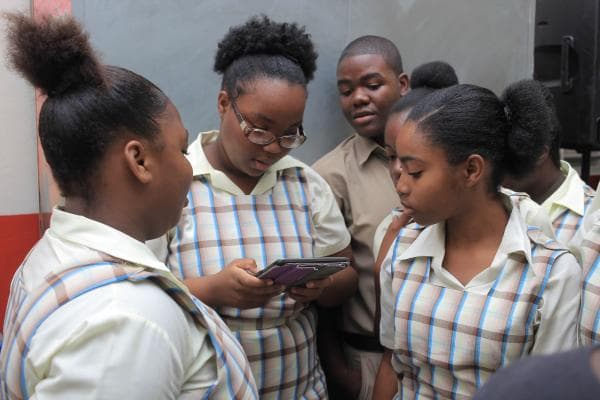
Students often describe stress as a mix of short bursts (exam weeks) and a steady hum of worry.
A tertiary student in Port of Spain told us, “I sleep two hours before a big test and still go to work the next morning.” A secondary-school student in Barbados said tuition and extra classes make rest a luxury.
Dr. Aisha Browne, a school counsellor (sample expert), notes: “We see concentrated spikes of anxiety around exam windows, but the underlying drivers — economic strain, family expectations, and climate disruption — are what make recovery slow.”
Experts stress the need for both short-term supports (exam coping workshops) and systemic investment (more counsellors, teacher training).
Practical responses: What schools and families can do
- Schools: run brief, practical workshops on exam strategies and sleep hygiene; set up peer-support groups; create a simple referral map to local mental-health services.
- Teachers: build small in-class check-ins and normalise conversations about stress.
- Families: limit “do-or-die” language, encourage regular sleep and study routines, and help lighten chores during exam periods.
- Policy: Ministries should track counsellor-to-student ratios and support community-based services, especially in hurricane-prone areas.
Takeaways
Caribbean students face a distinctive mix of pressures that can amplify both exam-related anxiety and chronic stress. While available data suggest critical local differences, there’s a clear need for more systematic, comparable research across the region.
In the meantime, schools, families, and policymakers can take concrete, low-cost steps to reduce immediate suffering and strengthen prevention.