1 in 3 men in Trinidad not biological fathers, says TFATT
Key Points(5)
- “Out of those, 143 men, about 33 per cent, were proven not to be the biological fathers.
- That means one in every three men tested was not the father of the child they were raising.
- Can you imagine with a ratio of one in every three, how rampant this can be?”</p> <p data-start="880" data-end="1291">Feeles highlighted cases in which men faced legal and financial consequences for children who were not biologically theirs.
- He recalled the case of Marlon Thompson, who paid TT$35,000 in maintenance for a child later proven not to be his.
- Consequently, the TFATT requested in an October 14 letter to then-Chief Justice Ivor Archie that DNA tests be required for all existing and future maintenance cases, and that cases of deliberate deception allow compensation, counselling, and police investigation.
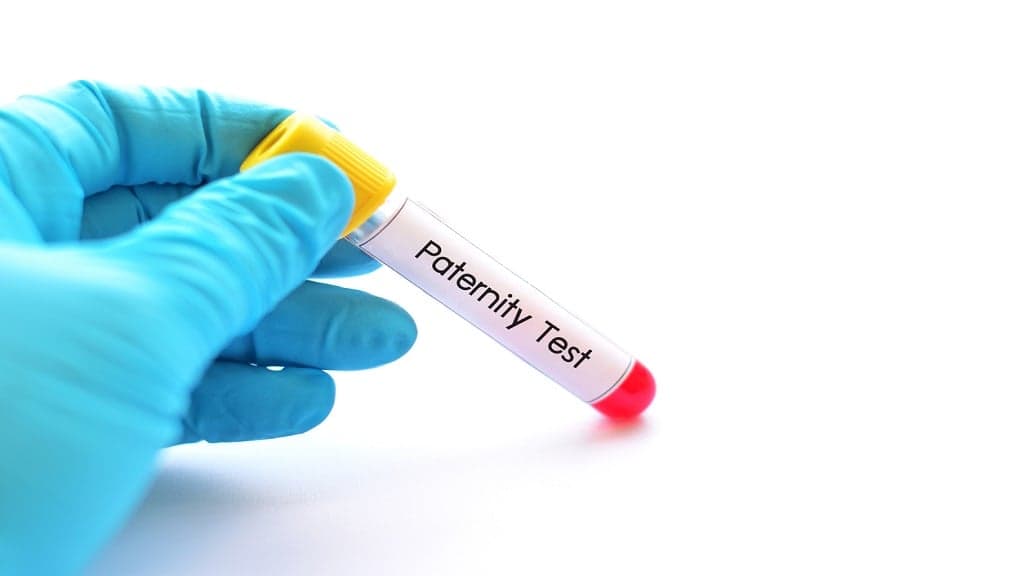
The Fathers’ Association of Trinidad and Tobago (TFATT) is urging urgent legislative reforms after data over a five-year period revealed that one in every three men tested was not the biological father of the child they believed to be theirs.
“Between January 2020 and September 2025, 440 tests were conducted on men who were told they were the biological fathers of their children,” TFATT president Rhondall Feeles told reporters. “Out of those, 143 men, about 33 per cent, were proven not to be the biological fathers. That means one in every three men tested was not the father of the child they were raising. Can you imagine with a ratio of one in every three, how rampant this can be?”
Feeles highlighted cases in which men faced legal and financial consequences for children who were not biologically theirs. He recalled the case of Marlon Thompson, who paid TT$35,000 in maintenance for a child later proven not to be his. Although the maintenance obligation was eventually removed, Thompson still faced a warrant and potential imprisonment until a High Court judge intervened two years later.
Another case cited involved a 31-year-old man in 2019 who discovered during a maintenance and custody hearing that the two children he had been supporting were not biologically his. “What they care about is that the daughter they held, the son they held, the relationship they held, the trust they had in the other party is no longer there,” Feeles said, emphasizing the emotional impact over financial obligations.
The TFATT is pushing the government to revisit recommendations from the 2018 Joint Select Committee, which called for mandatory DNA testing before child maintenance orders are granted. In an October 7 letter to Attorney General John Jeremie, the association asked for legislation to make paternity testing mandatory, criminalize intentional deception of a man regarding a child’s paternity (labelled paternity fraud), and provide compensation and counselling in cases of proven fraud.
Feeles said while Jeremie expressed interest, the process would take time. Consequently, the TFATT requested in an October 14 letter to then-Chief Justice Ivor Archie that DNA tests be required for all existing and future maintenance cases, and that cases of deliberate deception allow compensation, counselling, and police investigation. A response from the Chief Justice Chambers on October 17 stated that the matter was under consideration.
Feeles has now called on newly appointed Chief Justice Ronnie Boodoosingh to continue pursuing the initiative, stressing the need for legal reforms to protect men and families from paternity fraud.